EXHEAT LFH vs Competitor ATEX-Rated Fan Heaters: What’s the Difference?
Published 10 Dec 2025
Why EXHEAT LFH Matters
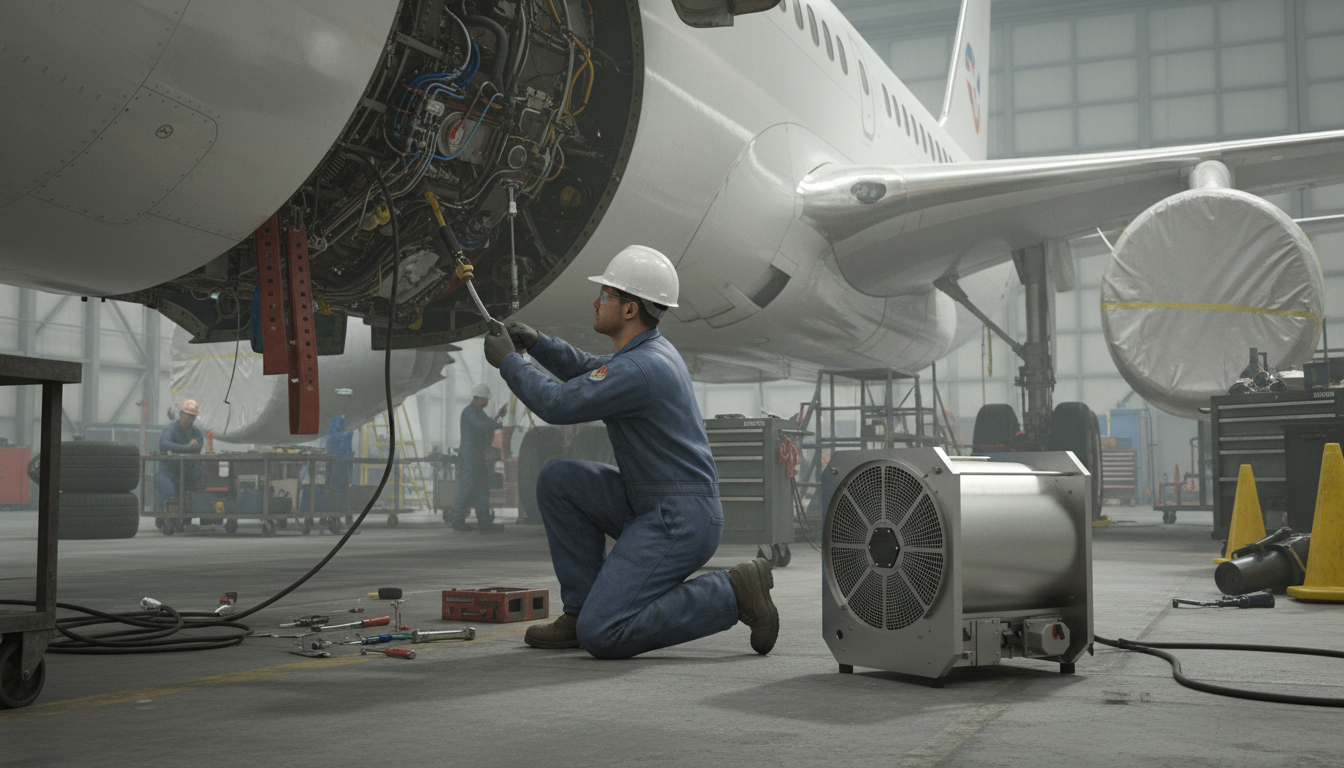
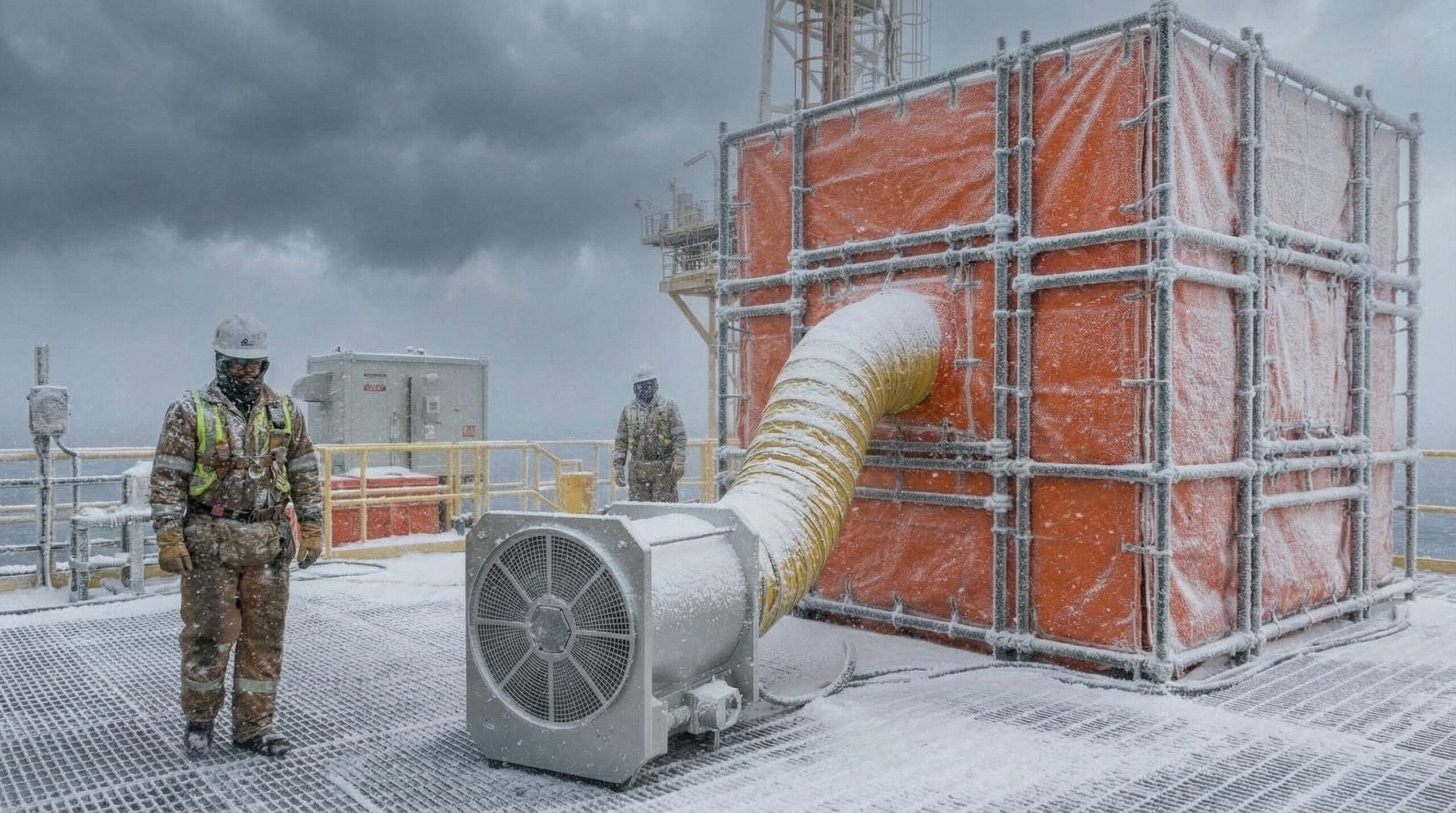
The EXHEAT LFH is a purpose-built ATEX/IECEx-certified fan heater engineered for hazardous areas (Zone 1 & Zone 2 gas and Zone 21 & Zone 22 dust). It is commonly specified by engineers, safety managers and procurement teams who require robust performance, full certification and flexible installation options for industrial, offshore and process environments.
Key capabilities that set EXHEAT LFH apart:
EXHEAT LFH: Core Strengths
- Full ATEX & IECEx certification for Zone 1 / Zone 2 (Gas IIB + H₂ options) and Zone 21 / Zone 22 (dust).
- High power options (standard LFH up to 20 kW; higher-power variants & multi-unit configurations available for larger loads).
- Stainless-steel construction for marine and corrosive environments, ideal for offshore applications.
- Mounting & ducting flexibility: floor, wall, ceiling mounted or ducted for targeted heating.
- Wide ambient range: –40 °C to +40 °C, suitable for cold-climate and offshore operations.
Competitor ATEX Heater: Overview
To help buyers compare fairly, we summarise the capabilities of a typical portable ATEX-rated fan heater commonly offered by other suppliers (portable up to 18 kW class). This generic unit is designed for rapid plug-and-play deployment and is widely used for short-term, on-site heating tasks.
Typical characteristics: 18 kW power, 3-phase 400–440 V, high free airflow (2,100–2,500 m³/hr), IP65, portable with lifting handles and optional anti-static ducting. Suitable for temporary heating of small enclosures or short-duration tasks in Zones 1/2.
Side-by-Side Specification Comparison
Specification Comparison: EXHEAT LFH vs Generic Portable ATEX Heater
| Specification |
EXHEAT LFH |
Generic Portable ATEX Heater |
| ATEX / IECEx Certification (Zones) |
Zone 1 / Zone 2 (Gas IIB + H₂ options), Zone 21 / Zone 22 (dust). IECEx & CU-TR options available. |
Zone 1 / Zone 2 (Gas IIB). Typical IECEx variants may be limited; dust options vary by supplier. |
| Power Output (kW) |
Temporary LFH up to 20 kW; scalable options & multi-unit setups allow higher total kW (XLFH variants exist). |
Standard portable unit typically 18 kW (single unit). |
| Airflow (m³/hr) |
~1,950–2,340 m³/hr (model & frequency dependent) — designed for controlled ducting and area heating. |
~2,100–2,560 m³/hr free airflow — optimised for free air or short duct runs. |
| Ambient Temperature Range |
–40 °C to +40 °C (suitable for cold-climate offshore use). |
–40 °C to +40 °C (portable variants advertise similar range). |
| Construction |
Stainless-steel casing, finned stainless tubular elements, PA66 glass-filled impeller — designed for harsh environments. |
Robust steel enclosure with corrosion protection; designed for portability rather than long-term fixed installation. |
| Mounting & Mobility |
Floor/wall/ceiling mounting options, ducting-ready; long flying lead for fixed or semi-permanent install; optional castors for mobility. |
Portable with handles; plug-and-play; intended primarily for temporary site use. |
| Ingress Protection (IP) |
IP65 (suitable for outdoor / washdown and marine environments). |
IP65 on many models; verify for the specific portable unit. |
| Best Use Case |
Permanent or semi-permanent installations, ducted area heating, spray-booths, offshore modules and larger hazardous-area rooms. |
Temporary enclosures, quick site jobs, short-term area heating and spot heating tasks. |
Feature Comparison: EXHEAT LFH vs Generic Portable ATEX Heater
| Feature |
EXHEAT LFH |
Generic Portable ATEX Heater |
| Zone 1 & Zone 2 Certified |
✔️ Yes |
✔️ Yes |
| T-Class Options (T3/T4) |
✔️ Full range |
✔️ / Limited |
| High-Efficiency Motor |
✔️ Yes |
✖️ Standard motor |
| Comprehensive Airflow Control |
✔️ Yes |
✖️ No |
| Stainless Steel Construction |
✔️ Full stainless |
✖️ Partial |
| Low Noise & Vibration |
✔️ Yes |
✖️ No |
| Fixed or Semi-Permanent Installation |
✔️ Designed for permanent & ducted use |
✖️ Primarily temporary |
| Portability |
✔️ Optional castors / mounting options |
✔️ Portable with handles |
| Ingress Protection (IP) |
✔️ IP65 |
✔️ / Check model |
Real-World Benefits: Why EXHEAT LFH Often Outperforms
Specs matter — but so does how a heater performs on site. Below are practical advantages of choosing EXHEAT LFH for industrial deployments.
- Scalable Power: LFH’s higher kW options and modular approach let you heat larger rooms or multiple zones without replacing equipment.
- Durability for Tough Environments: Stainless construction resists corrosion, making LFH better for offshore or long-term installations.
- Ducting & Targeted Heating: LFH is built for efficient ducted airflow, so heat can be delivered exactly where it’s needed — ideal for habitats, spray-booths and process rooms.
- Compliance & Documentation: Full ATEX / IECEx certification and T-class options simplify compliance checks during audits.
- Lower Total Cost of Ownership: Rugged construction and the ability to evolve a semi-permanent site heating plan into a permanent solution reduces replacement & rental costs over time.
Installation, Inspection & Maintenance — Key Practical Tips
Below are practical points and a quick specification checklist to ensure safe, compliant and effective installation of any ATEX heater. Use this before installation and during your maintenance schedules.
Specification Checklist
- Zone Rating: Confirm the zone classification for the exact mounting location (Zone 1 vs Zone 2; Zone 21/22 for dust).
- Gas Group & T-Rating: Match the heater to the gas group and T-class of your environment (IIB, IIB+H₂ options where required).
- kW & Heat Load: Calculate required kW to achieve desired temperature rise (ΔT) for your room volume and losses.
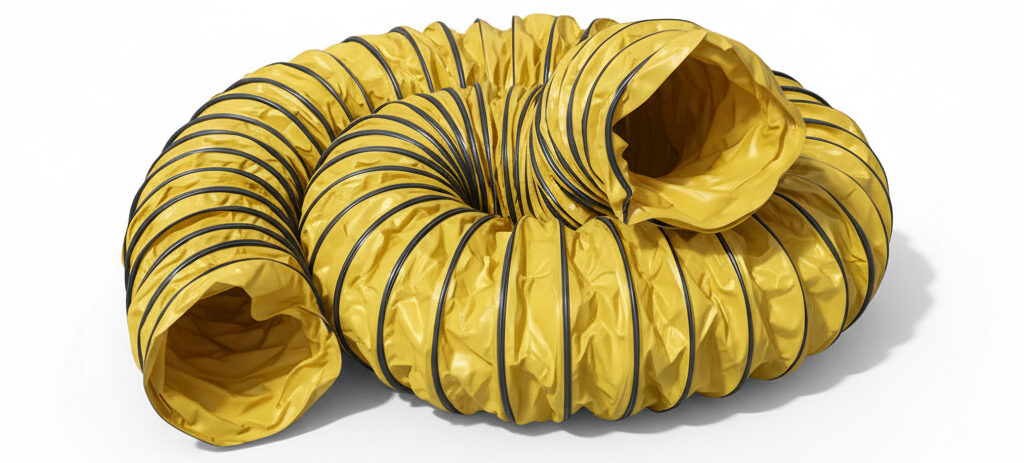
- Ducting: Use appropriately sized anti-static ducting, avoid excessive runs and specify round vs rectangular as required for flow.
- IP & Corrosion Rating: Choose IP65 or higher for outdoor/washdown; choose stainless or marine-grade materials for offshore applications.
- Mounting & Fixings: If permanent/semi-permanent, select wall/ceiling mounting brackets and secure to structural points per manufacturer guidance.
- Electrical Supply & Isolation: Ensure correct three-phase supply, isolator, correct cable sizing and earthing for hazardous areas.
- Inspection & Maintenance: Schedule periodic inspections: element integrity, impeller condition, insulation resistance tests, and certification paperwork.
Conclusion & Next Steps
In short: if you require a robust, scalable, long-term hazardous-area heating solution for large rooms, ducted applications or offshore/process environments — EXHEAT LFH is the superior choice. It delivers higher flexibility (mounting & ducting), industrial durability (stainless construction), strong certification coverage (ATEX / IECEx, Zone 1/2 & dust zones), and options for higher kW capacity when you need it.
A portable 18 kW ATEX heater is a useful tool for short-term or emergency work — but for professional installations where reliability, compliance and lifetime cost matter, LFH is the more future-proof investment.