Published 27 Aug 2026
What Makes a Torch Intrinsically Safe? A Guide to ATEX Hazardous Area Lighting Intrinsically safe torches are designed for use in hazardous areas where flammable gases, vapours or combustible dusts may be present. Unlike conventional torches, intrinsically safe lighting is engineered to control potential ignition sources so that the...
Read More
Published 25 Aug 2026
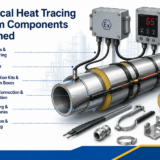
High-Temperature and Demanding Electrical Heat Tracing Applications Quick Navigation Mineral-Insulated Cable Overview How MI Cable Is Constructed High-Temperature Duties High Output & Heat-Up Duties Long Circuits & Engineered Resistance Harsh Industrial Environments Hazardous-Area Applications MI vs Other Cable Technologies When MI Cable May Not Be Required Design & Installation...
Read More
Published 24 Aug 2026
Hazardous area beacon lens colours help personnel distinguish between alarms, warnings, equipment states and process conditions. Red, amber, green, blue and clear signals can each communicate a different message when used within a properly defined alarm philosophy. However, a beacon colour does not have one fixed meaning in every...
Read More
Published 17 Aug 2026
Steady, flashing, strobe and rotating beacons communicate different types of warning and status information. Although each produces a visible signal, the way that signal attracts attention and conveys meaning can vary considerably. A steady beacon provides continuous illumination. A flashing beacon switches between illuminated and non-illuminated states. A strobe...
Read More
Published 11 Aug 2026
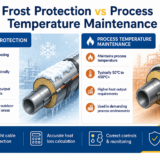
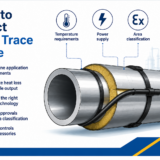
Choosing Between Two Common Electrical Heat Tracing Technologies Quick Navigation Comparison Overview The Key Difference How Self-Regulating Cable Works How Constant Wattage Cable Works Cable Comparison Table Output & Temperature Control Installation & Circuit Design Typical Applications Energy Use & Maintenance Hazardous-Area Selection Which Cable Should Be Selected? Information...
Read More