What Makes a Torch Intrinsically Safe? A Guide to ATEX Hazardous Area Lighting
Published 27 Aug 2026
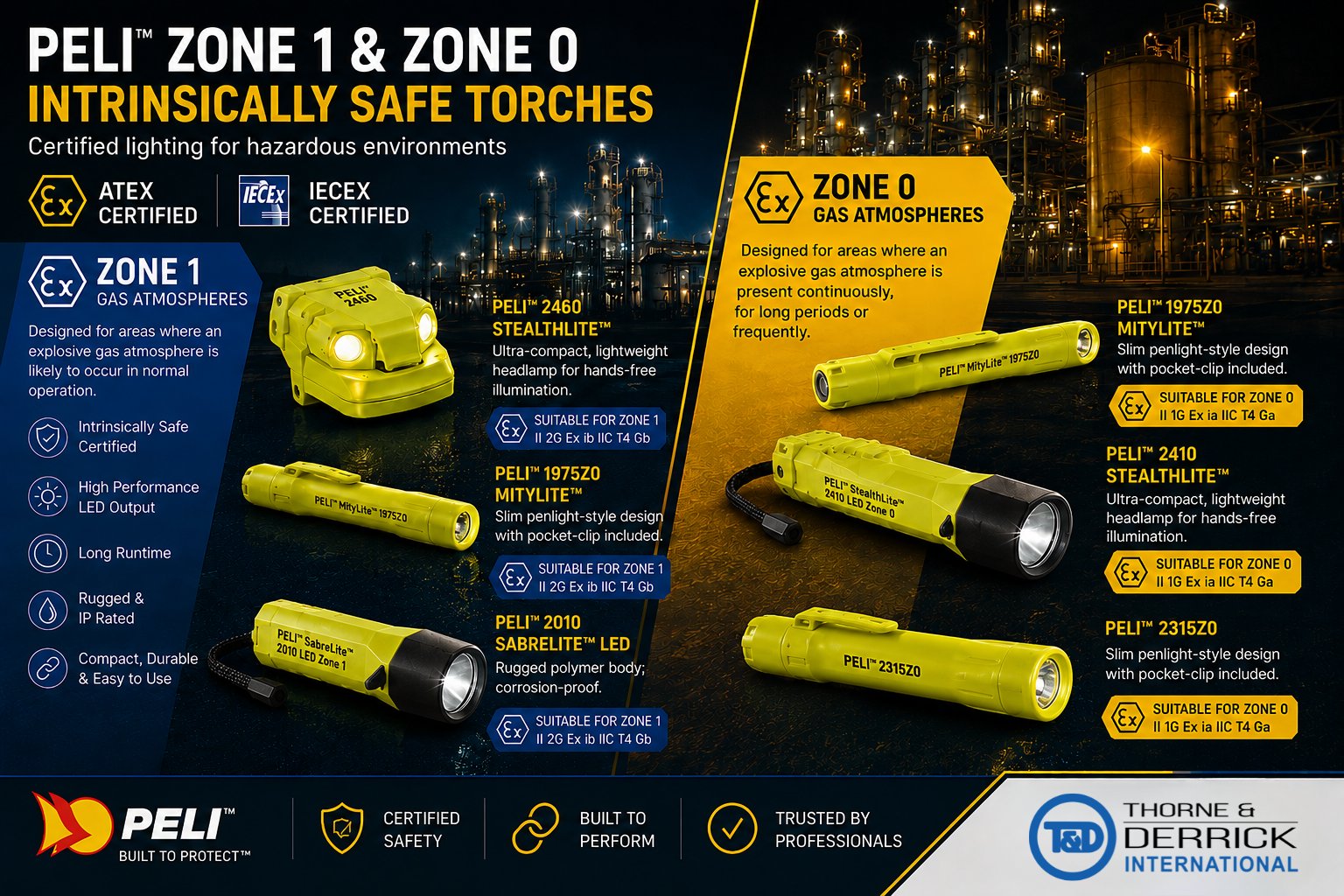
What Makes a Torch Intrinsically Safe? ATEX & IECEx Explained
Intrinsically safe torches are designed for use in hazardous areas where flammable gases, vapours or combustible dusts may be present. Unlike conventional torches, intrinsically safe lighting is engineered to control potential ignition sources so that the equipment does not introduce an unacceptable ignition risk within the conditions covered by its certification.
This guide explains what makes a torch intrinsically safe, how ATEX hazardous area torches work, what certification means and what to consider when selecting portable lighting for hazardous environments.
Quick Guide: Intrinsically Safe Torches
What Makes a Torch Intrinsically Safe?
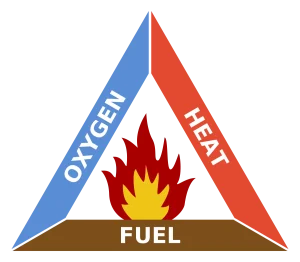 An intrinsically safe torch is designed to prevent its electrical or thermal energy from becoming an ignition source within the conditions defined by its certification.
This is achieved through the engineering and assessment of the complete product rather than simply the light source.
Depending on the protection concept, the design can involve controlling:
- Electrical voltage and current
- Stored electrical energy
- Potential sparks
- Surface temperatures
- Battery performance and fault conditions
- Electrical components and circuitry
- Switching mechanisms
- Enclosure and construction
The purpose is to reduce the possibility that the torch could ignite an explosive atmosphere when operated within its specified conditions.
Important: Intrinsically safe does not mean that every torch can be used in every hazardous area. The individual product’s certification and conditions of use must always be checked.
How Does an Intrinsically Safe Torch Work?
An intrinsically safe torch works by controlling the energy available within the equipment.
ATEX Intrinsically Safe Torches Explained
An ATEX intrinsically safe torch is portable lighting equipment that has been assessed and certified for use in specified potentially explosive atmospheres under the applicable ATEX requirements.
The complete marking and certification information should be checked to establish the conditions under which the equipment can be used.
These can include:
- Hazardous-area zone
- Gas or dust classification
- Equipment category
- Explosion group
- Temperature class
- Equipment Protection Level
- Ambient temperature limitations
- Specific manufacturer conditions
ATEX Zone 0, Zone 1 & Zone 2 Explained
Hazardous areas are classified according to the likelihood and duration of an explosive atmosphere being present.
| Zone | General Meaning | Torch Selection |
|---|---|---|
| Zone 0 | Explosive gas atmosphere is present continuously, for long periods or frequently. | Equipment must have the appropriate certification for Zone 0. |
| Zone 1 | Explosive gas atmosphere is likely to occur occasionally during normal operation. | Use appropriately certified hazardous-area lighting. |
| Zone 2 | Explosive gas atmosphere is not likely during normal operation but may occur briefly. | Equipment must still meet the applicable hazardous-area requirements. |
What Do ATEX and IECEx Certification Mean?
When selecting hazardous-area lighting, two certification systems you may encounter are ATEX and IECEx.
ATEX: is the European regulatory framework for equipment and protective systems intended for potentially explosive atmospheres.
IECEx: is an international certification system based on applicable IEC standards for equipment used in explosive atmospheres.
Neither term on its own provides enough information to determine whether a torch is suitable for a particular application.
The complete certification marking needs to be considered.
Understanding Intrinsically Safe Torch Markings
Hazardous-area equipment can carry detailed certification markings that communicate important information about the equipment’s intended use.
Depending on the product, these markings may identify:
- Explosion protection concept
- Gas or dust group
- Temperature class
- Equipment Protection Level
- Equipment category
- Zone suitability
How to Choose an Intrinsically Safe Torch
Selecting the correct intrinsically safe torch involves more than choosing the brightest available model.
1. Hazardous Area
Identify the zone and hazardous atmosphere where the torch will be used.
2. Certification
Check the complete ATEX and/or IECEx certification against the application.
3. Temperature Class
Confirm that the equipment’s maximum surface temperature is appropriate.
4. IP Rating
Consider the required protection against dust and water for the application.
5. Light Output
Consider lumens, beam pattern and beam distance according to the task.
6. Runtime
Consider battery type, expected operating time and charging requirements.
Intrinsically Safe Torch Features to Consider
| Feature | Why It Matters |
|---|---|
| ATEX / IECEx Certification | Helps establish suitability for specified hazardous-area applications. |
| Zone Classification | Determines the type of hazardous atmosphere the equipment is designed for. |
| Temperature Class | Defines the maximum surface temperature under specified conditions. |
| IP Rating | Indicates protection against ingress of dust and water. |
| Lumens | Provides an indication of light output. |
| Beam Distance | Helps determine how effectively the torch illuminates objects at distance. |
| Battery / Runtime | Determines how long the torch can operate before battery replacement or charging. |
Explore Intrinsically Safe Torches
If your application requires portable lighting for a hazardous area, our range of Intrinsically Safe Torches provides certified Peli Lighting solutions for specified hazardous-area applications.
Intrinsically Safe Torches
Explore our range of ATEX and IECEx certified Peli Lighting torches for specified hazardous-area applications.
ATEX Zone 0 Torches
For applications requiring portable lighting certified for Zone 0 hazardous areas, explore the dedicated range.
ATEX Portable & Temporary Lighting
Browse portable and temporary lighting solutions for hazardous-area and industrial applications.
Why Correct Torch Selection Matters
Choosing hazardous-area equipment should always begin with the environment rather than the product specification.
A torch with high brightness, long battery life or a rugged construction is not necessarily suitable for a potentially explosive atmosphere.
The correct selection process should be:
Need Intrinsically Safe Torch or Hazardous-Area Lighting Support?
Thorne & Derrick supplies intrinsically safe torches and portable lighting for hazardous areas, including ATEX Zone 0, Zone 1 and Zone 2 environments.
- Zone classification and torch selection
- ATEX & IECEx certified torch supply
- Intrinsically safe LED torches
- Zone 0, Zone 1 & Zone 2 lighting options
- Portable lighting for hazardous-area inspections
- Specialist product guidance and technical support