Hazardous Area Lighting Upgrade for Hydrogen Refuelling Bays Using Raytec Spartan Recessed ATEX Luminaires
Published 19 Mar 2026
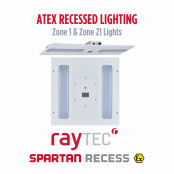
Raytec Spartan Recessed ATEX Luminaires
Quick Navigation
The Challenge
Site / Application Requirements
Lighting Site Survey and Design
Specified Solution
Why This Solution Was Selected
Delivering an Efficient Retrofit Solution
Project Outcome
Technical Support from Thorne & Derrick
Supporting the Future of Hydrogen Transport
Technical Insight
Need Support with Hazardous Area Lighting?
Project Overview
As hydrogen infrastructure continues to expand across the UK transport sector, the requirement for safe, reliable and energy efficient lighting within hazardous environments is becoming increasingly critical.
Hydrogen refuelling facilities operate in areas where explosive gases may be present, meaning all installed equipment must meet strict ATEX hazardous area certification standards while maintaining high levels of performance and reliability.
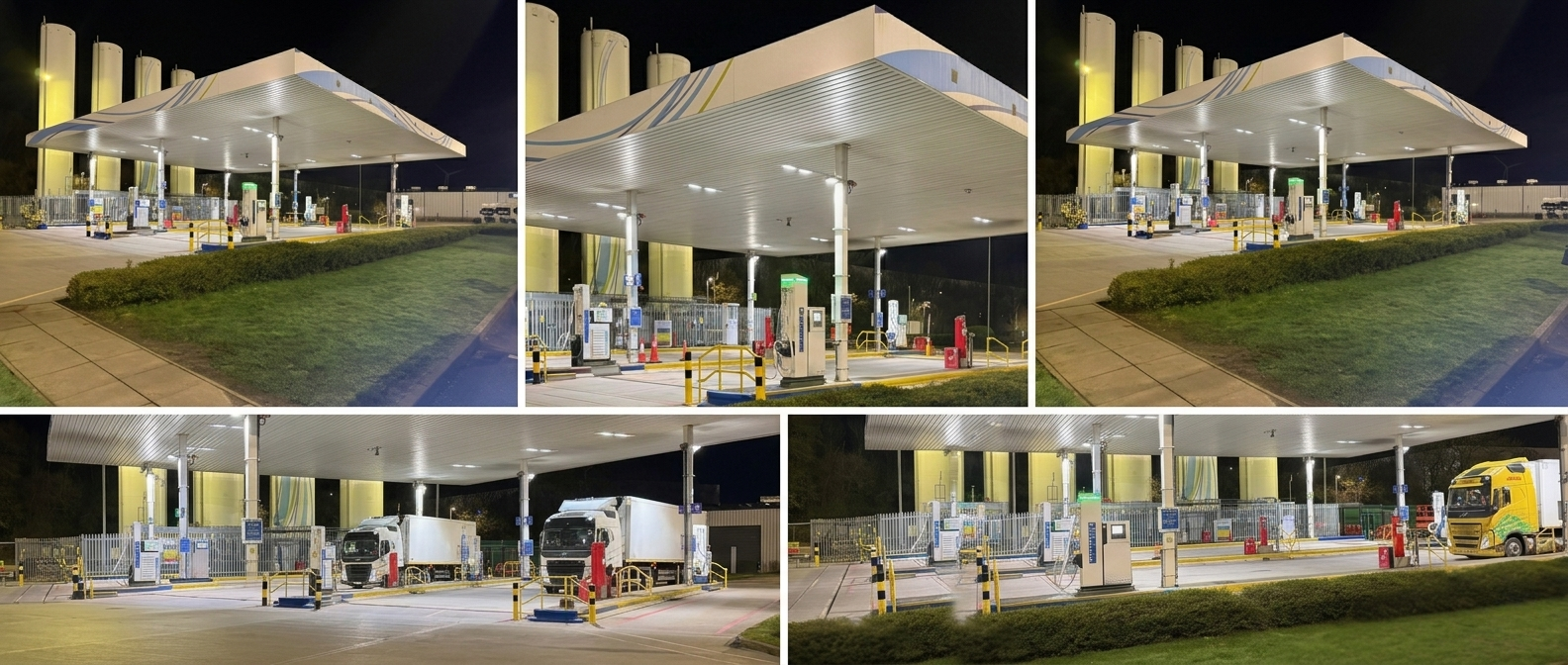
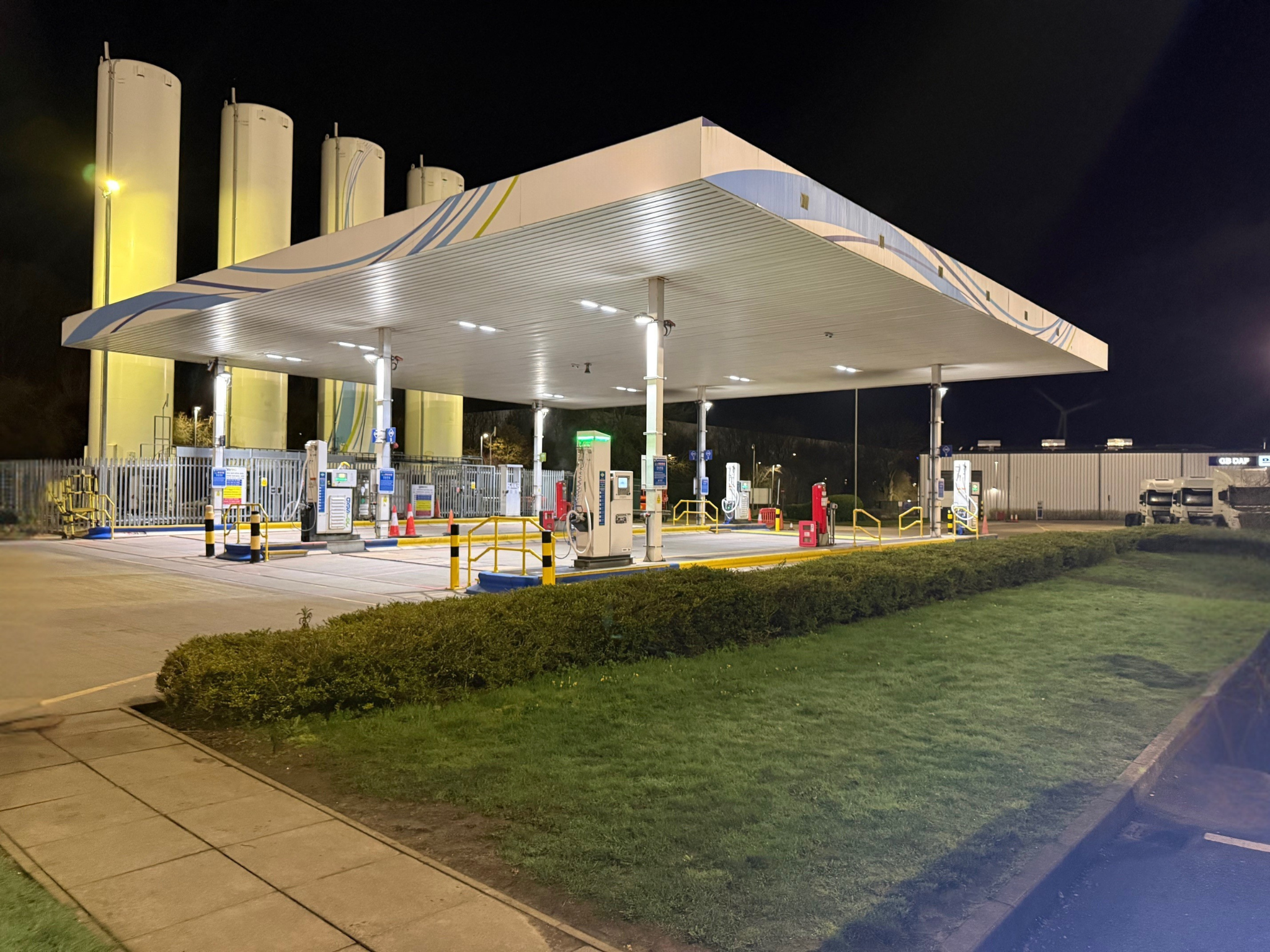
Thorne & Derrick recently supported a lighting upgrade project for a hydrogen truck refuelling client, delivering a technically engineered solution using the Raytec Spartan Recessed ATEX LED luminaire.
Project Overview:
- Application: Hydrogen refuelling bay lighting upgrade
- Environment: Hazardous area hydrogen infrastructure
- Challenge: Delivering safe, compliant recessed lighting within an explosive gas environment
- Key Requirement: Match the footprint of the existing recessed canopy fittings to avoid structural modifications
- Solution: Raytec Spartan Recessed ATEX LED luminaires
- Outcome: Improved lighting levels, enhanced energy efficiency and compliant hazardous area protection
The Challenge: Hydrogen Refuelling in a Hazardous Area
Hydrogen is widely recognised as a key fuel in the transition toward lower carbon transport, particularly for heavy goods vehicles and commercial fleets. However, hydrogen also presents unique safety challenges due to its extremely flammable properties and physical characteristics. Hydrogen is classified as an IIC gas group under the ATEX hazardous area classification system. The IIC group represents the most severe explosion risk category for gases, meaning any electrical equipment used within these environments must meet the highest design and certification requirements.
- Extremely Low Ignition Energy – Hydrogen requires very little energy to ignite, meaning even small electrostatic discharges can be sufficient to initiate combustion
- Wide Flammable Range – Hydrogen can ignite across a broad concentration range compared with many other fuels
- Small Molecular Size – Hydrogen molecules are extremely small and can escape through tiny openings or imperfections in systems that would contain other gases
- High Diffusion and Dispersion Rates – While hydrogen disperses quickly, confined spaces such as refuelling canopies, enclosures or structures can allow gas to accumulate temporarily, creating explosive atmospheres
Because of these characteristics, hydrogen installations require the most stringent hazardous area equipment protections to prevent ignition sources.
Site / Application Requirements
To support the project, a detailed lighting site survey and photometric design study was carried out to determine the most suitable hazardous area lighting solution.
The design process evaluated:
- Existing lighting levels and uniformity
- Hazardous area classifications
- Mounting constraints within the canopy structure
- Energy efficiency targets
- Retrofit compatibility with existing installations
A critical requirement from the client was that any replacement luminaire must match the exact footprint of the existing recessed canopy lighting to avoid costly structural modifications.
Lighting Site Survey and Design
Following technical evaluation and design modelling, the Raytec Spartan Recessed ATEX luminaire was selected as the optimal solution.
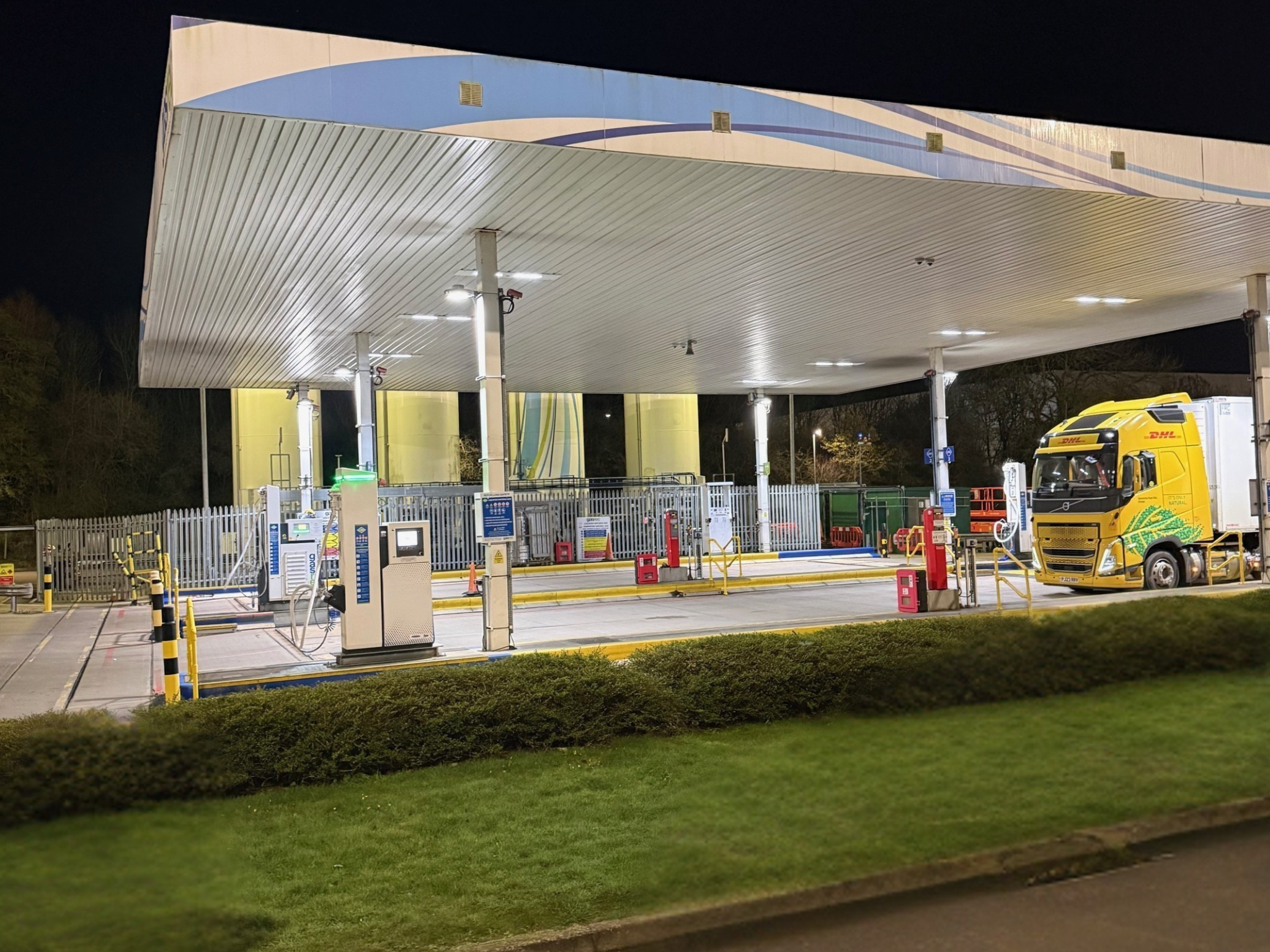
Specified Solution: Raytec Spartan Recessed ATEX LED Luminaires
The Raytec Spartan Recessed (SPX Recess Plank) is specifically designed for hazardous area installations where recessed mounting is required, such as refuelling canopies, industrial ceilings and process facilities.
Certified for Zone 1 gas and Zone 21 dust environments, the luminaire is fully compliant with ATEX, IECEx and UKEX certification schemes, making it suitable for installations where hydrogen or other IIC gases may be present.
Why This Solution Was Selected
The Raytec Spartan Recessed range offered several advantages for this application, including:
- Certified for hazardous gas environments
- Recessed design for canopy installations
- Lightweight modular construction
- High efficiency LED performance
- Flexible optical performance
- Wide operating temperature range
- Low maintenance design
- Manufactured in the UK with a five-year warranty
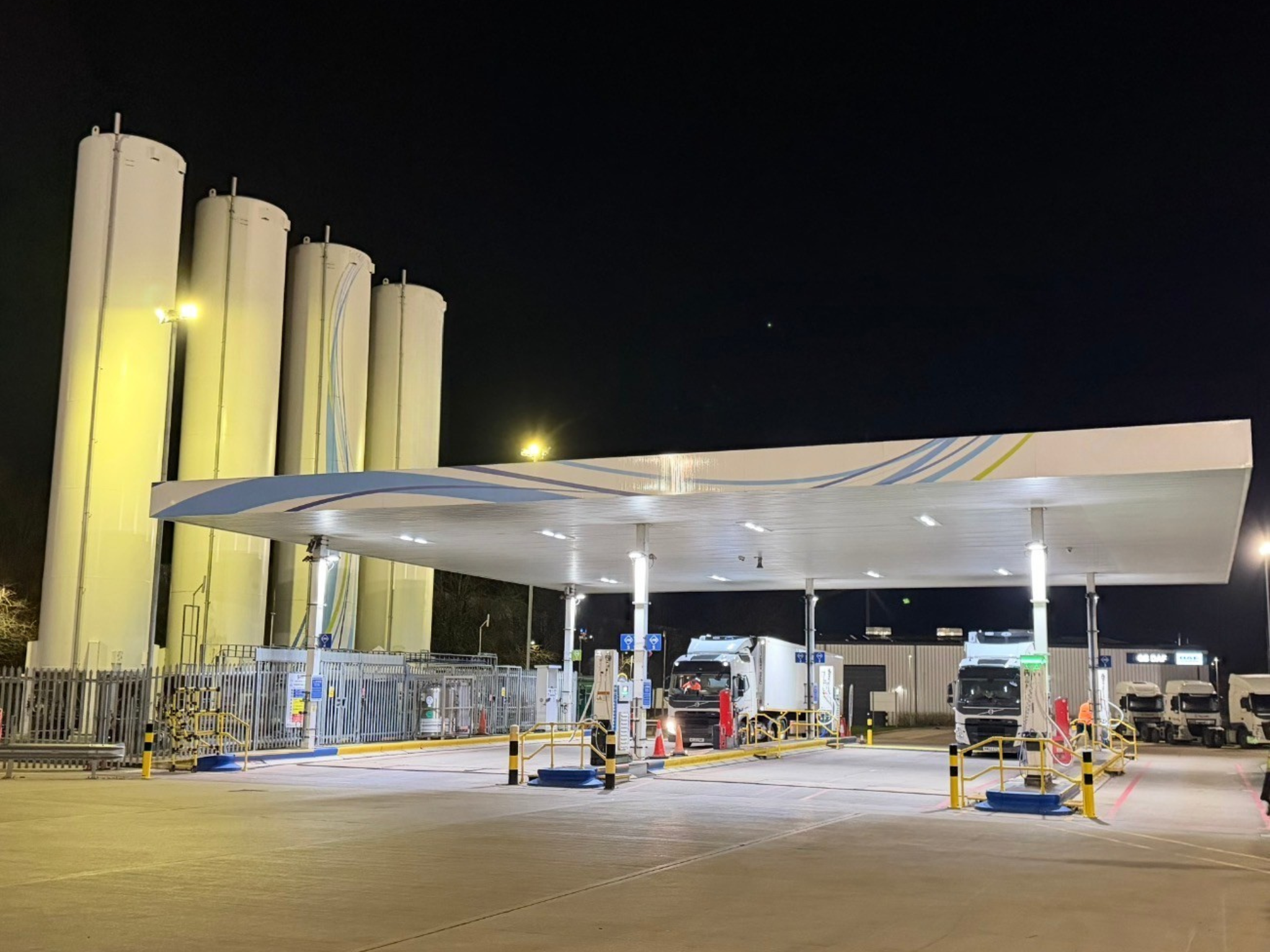
Delivering an Efficient Retrofit Solution
One of the most important aspects of the project was the ability of the Raytec Spartan Recessed luminaire to match the footprint of the existing fittings installed within the canopy. This meant the lighting upgrade could be completed without:
- Structural modifications to the canopy
- Additional fabrication or civil works
- Extended site downtime
At the same time, the new installation provides improved lighting levels, enhanced energy efficiency and fully compliant hazardous area protection.
Project Outcome
The new installation provides improved lighting levels, enhanced energy efficiency and fully compliant hazardous area protection.
By matching the footprint of the existing recessed canopy fittings, the project avoided structural modifications to the canopy, additional fabrication or civil works, and extended site downtime.
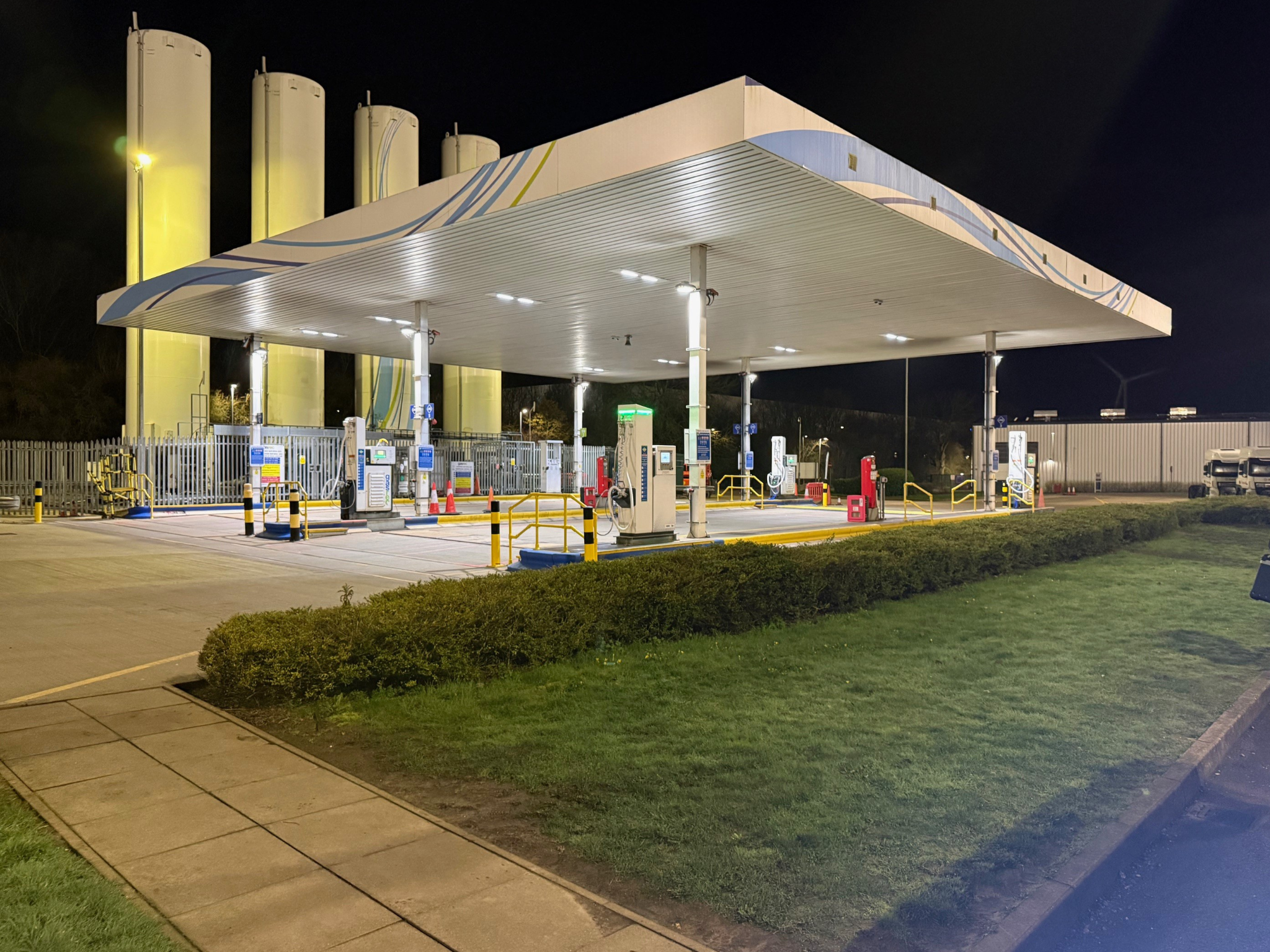
Technical Support from Thorne & Derrick
Projects involving explosive atmospheres require specialist engineering knowledge and responsive technical support.
At Thorne & Derrick, we work closely with leading manufacturers such as Raytec to deliver:
- Hazardous area lighting expertise
- Lighting site surveys and photometric design
- ATEX and IECEx compliant solutions
- Fast, responsive technical support
Our team understands the complexity of hazardous area installations and works quickly to identify safe, compliant and efficient lighting solutions tailored to the specific requirements of each client.
Supporting the Future of Hydrogen Transport
As hydrogen continues to play an increasingly important role in the future of heavy transport, the safety and reliability of refuelling infrastructure will be paramount.
By combining the engineering performance of Raytec’s Spartan Recessed ATEX luminaires with the technical expertise and responsiveness of Thorne & Derrick, this project demonstrates how specialist hazardous area lighting solutions can support the safe growth of hydrogen-powered transport.
Technical Insight: ATEX and IIC Gas Environments
The ATEX Equipment Directive (2014/34/EU) governs the design and certification of equipment used in explosive atmospheres across Europe and the UK. For hydrogen environments, equipment must be suitable for Gas Group IIC, which includes the most easily ignitable gases such as:
- Hydrogen
- Acetylene
- Carbon disulphide
Equipment certified for IIC gases is also suitable for the less demanding IIB and IIA gas groups, but not vice versa. To achieve IIC certification, manufacturers must implement several additional engineering and safety measures.
Increased Flamepath Integrity
For explosion-protected equipment using flameproof protection (Ex d), the flamepaths — the engineered gaps that prevent internal explosions from propagating externally — must be manufactured with tighter tolerances and longer flamepath lengths when designed for IIC gases. Hydrogen’s low ignition energy and flame propagation characteristics require these enhanced design measures to safely contain explosions.
Higher Surface Temperature Controls
Equipment must be designed to ensure that external surfaces cannot exceed defined temperature classes (T-ratings) that could ignite the surrounding gas mixture. In hydrogen environments, maintaining strict thermal management through heat sinking, efficient electronics and LED thermal design is critical.
Increased Electrical Protection
Manufacturers must minimise the risk of sparks or arcs from electrical components through design approaches such as:
- Intrinsic safety protection
- Flameproof enclosures
- Encapsulation or increased safety protection techniques
This is especially important for LED drivers and electrical connections within hazardous area lighting.
Robust Mechanical Construction
Equipment must be designed to withstand:
- External impacts
- Thermal cycling
- Environmental exposure
Without compromising the explosion protection concept or the integrity of the enclosure.
Comprehensive Testing and Certification
Before certification, hazardous area equipment must undergo rigorous testing through approved certification bodies to demonstrate compliance with ATEX and IECEx standards, including:
- Explosion containment testing
- Temperature testing
- Ingress protection verification
- Mechanical strength assessments
Need Support with Hazardous Area Lighting?
Contact Thorne & Derrick for expert guidance on ATEX certified lighting solutions for hydrogen infrastructure, oil & gas facilities, chemical processing plants and other explosive atmosphere environments.
Further Reading
-
 SPARTAN Recess Family Zone 1 Plank – Datasheet
Size: 330.83 KB
SPARTAN Recess Family Zone 1 Plank – Datasheet
Size: 330.83 KB
-
SPARTAN Recess Lighting – Installation Guide
Size: 417.48 KB