Phased Distillery Lighting Upgrade with Raytec LED Luminaires
Published 22 Oct 2023
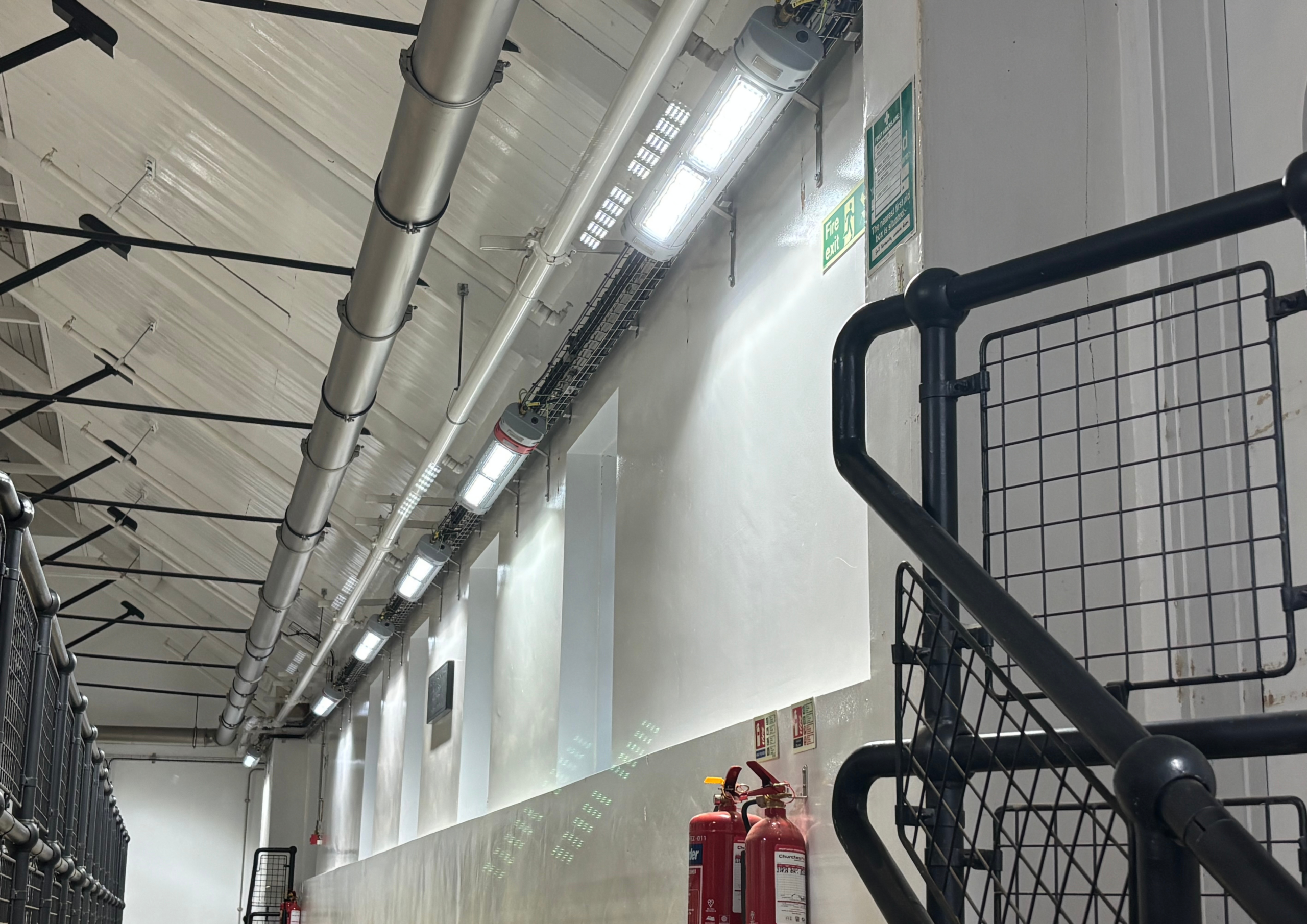
Distillery Lighting Upgrade with Raytec LED Luminaires
Quick Navigation
The Challenge
Site / Application Requirements
Lighting Site Visits and Design
Floodlighting for Bats and Wildlife
Specified Solution
Delivering a Phased Lighting Upgrade
Project Progress and Benefits
Technical Support from Thorne & Derrick
Technical Insight: Lighting Efficiency
Discuss Your Lighting Project
Project Overview
Thorne & Derrick is supporting a phased lighting upgrade at a UK distillery, working with Raytec to help the customer improve lighting efficiency and simplify ongoing maintenance.
Led by Dylan White, the project began with an open specification. The customer approached Thorne & Derrick for a recommendation, seeking a replacement lighting solution suited to the practical demands of the site.
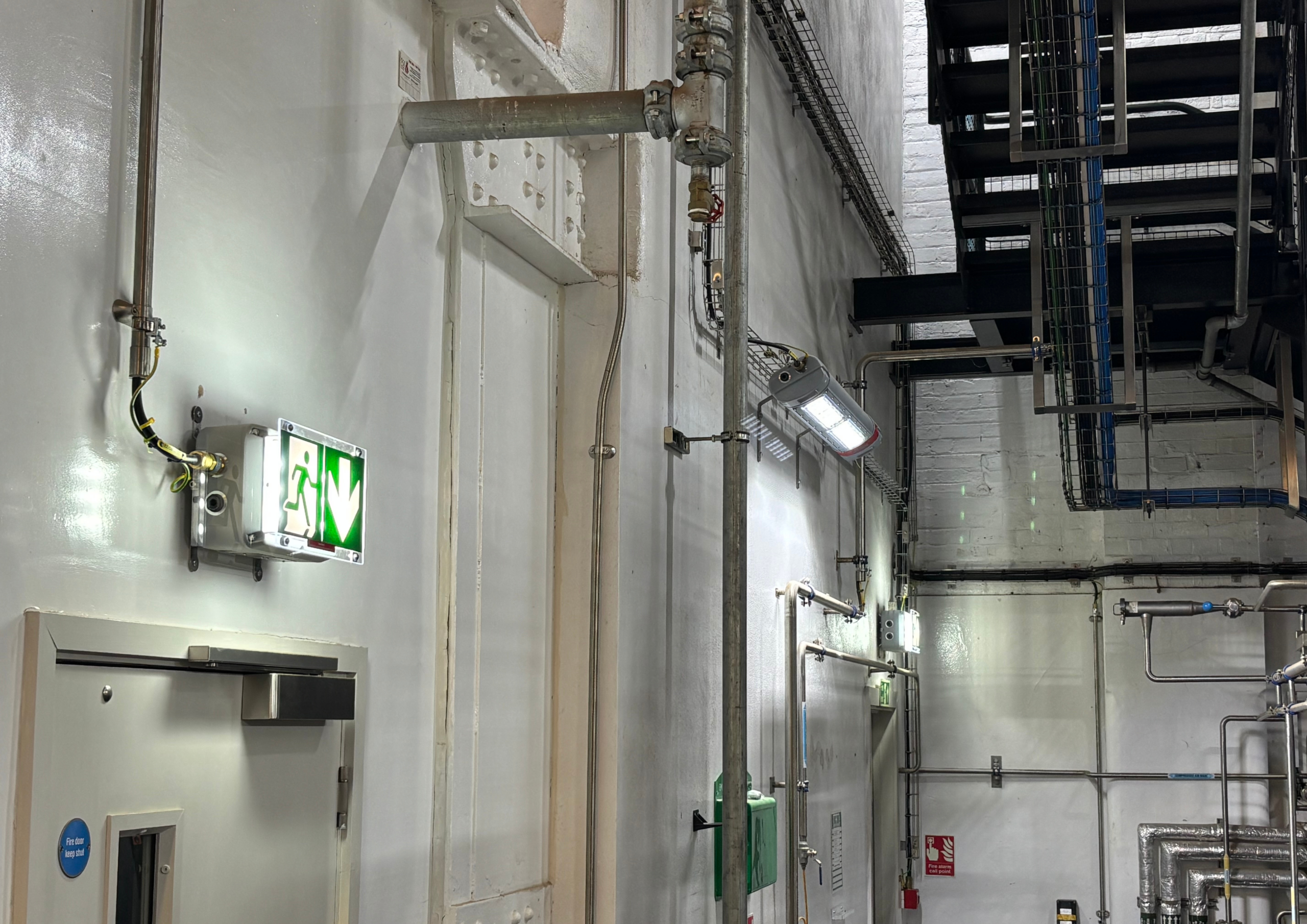
Initial work focused on individual fittings and smaller areas before developing into a wider programme, supported by site visits and lighting designs for larger spaces, including the main still room. Following its experience with the fittings, the customer has adopted Raytec as its site lighting standard.
Project Overview:
- Application: Phased lighting upgrade across a UK distillery
- Challenge: Recommend and specify an efficient, reliable replacement lighting solution
- Key Requirements: Lighting efficiency, retrofit compatibility, ease of installation and reduced maintenance
- Solution: Raytec LED luminaires supported by site visits and lighting design
- Progress: Approximately 80% complete at the time of review
- Outcome to Date: Positive installation experience and adoption of Raytec as the site standard
The Challenge: Selecting a Long-Term Lighting Solution
The customer wanted support identifying a replacement lighting solution, with no preferred manufacturer specified at the outset. This allowed Thorne & Derrick to recommend equipment based on the needs of the application.
For the site engineer, the practicalities of installation and maintenance were particularly important. The selected fittings needed to be well built, straightforward to install and simple to maintain as further areas were upgraded.
The existing fluorescent lighting also presented an opportunity to improve efficiency. Alongside lower light output per watt than the proposed LED solution, fluorescent technology required routine lamp replacement, adding to the engineering team’s maintenance workload.
Product selection therefore needed to consider installation, performance and servicing together. Where hazardous area lighting is required, the specification must also match the classification and conditions of the installation area.
Site / Application Requirements
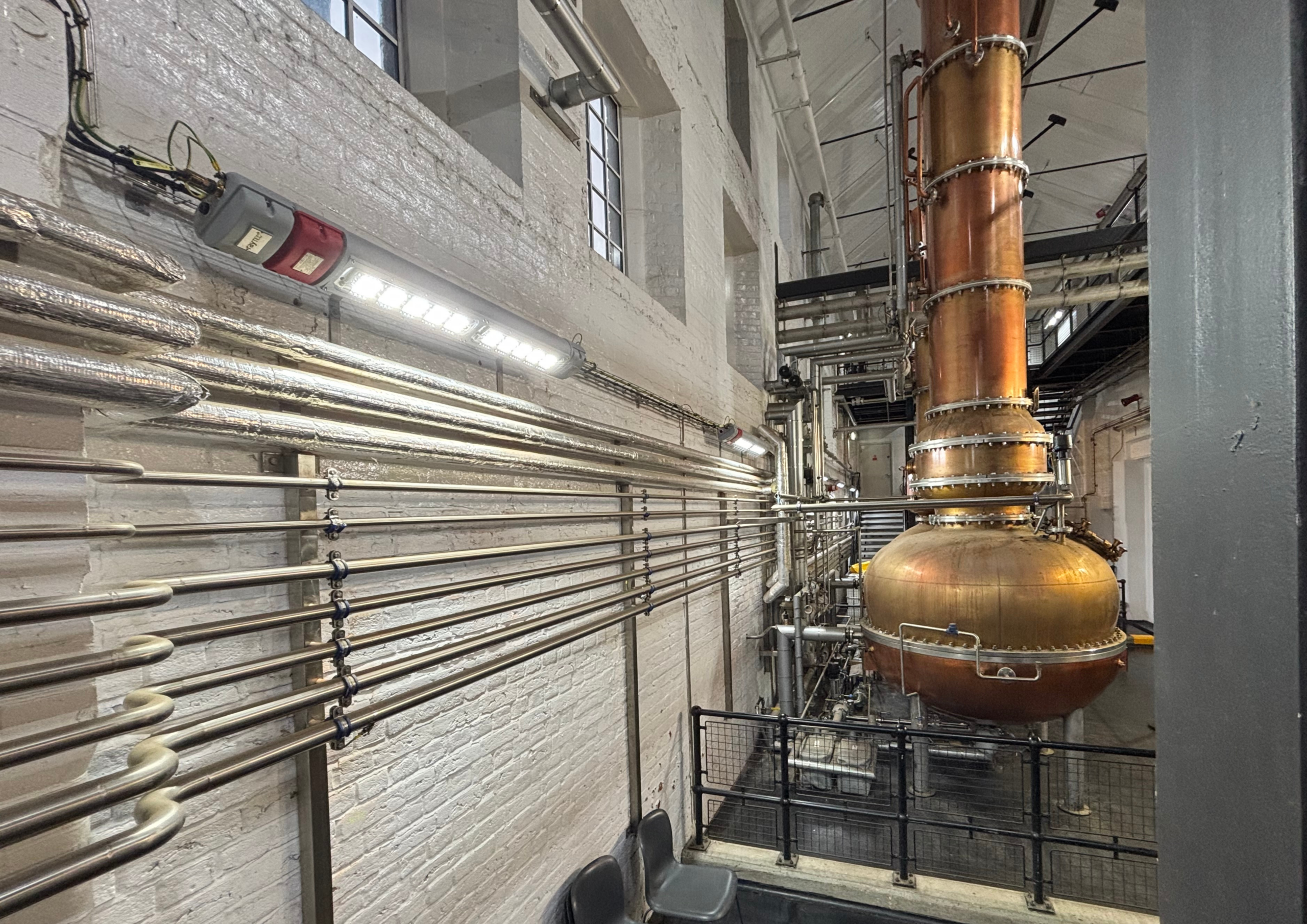
The project needed to accommodate smaller replacement works and larger operational spaces, while giving the engineering team a practical solution for installation and ongoing maintenance.
- Product reliability: Well-built luminaires, suitable ingress protection and dependable construction were important considerations for the distillery environment.
- A substantial improvement in lighting efficiency: The project comparison used approximately 60–70 lumens per watt for the previous fluorescent technology against around 145 lumens per watt for the Raytec LED solution. On those indicative figures, LED delivers approximately 2.1–2.4 times the light output per watt.
- Retrofit compatibility: SPARTAN Linear fittings are designed to support replacement of traditional fluorescent luminaires, with compatible dimensions, fixing centres and cable-entry arrangements on relevant models. Checking these details against the existing installation helps simplify the change to LED.
- Straightforward installation: Ease of fitting was a particular benefit for the customer’s engineer and helped support continued use of Raytec as the programme expanded.
- Modular maintenance: Accessible LED and power-supply modules allow individual components to be serviced or replaced where required, reducing the need to replace a complete luminaire. A consistent product standard can also simplify spare-parts planning and reduce reliance on holding complete spare fittings.
- Reduced routine maintenance: Moving away from fluorescent technology removes regular fluorescent lamp changes, helping reduce the time spent maintaining the lighting installation.
- A phased installation programme: The solution needed to support upgrades in individual areas while providing a consistent approach for the larger spaces that followed.
- Ongoing technical support: Site visits, lighting designs and collaboration with Raytec supported product selection as additional requirements emerged.
The efficiency comparison highlights the potential of the upgrade, while actual electricity savings depend on installed wattage, operating hours, fitting quantities and the lighting levels required.
Lighting Site Visits and Design
Dylan has carried out multiple site visits, working with the customer’s engineer to understand the installation and discuss the requirements of each area.
As the project expanded, lighting designs were developed for larger spaces, including the main still room. These designs supported a planned approach to the continuing upgrade.
A lighting survey and design service helps assess the relationship between fitting positions, light distribution and the illumination needed for the application.
Further joint work with Raytec is planned to assess floodlighting requirements and develop an additional lighting design for the next stage.
Floodlighting for Bats and Wildlife
The next-stage floodlighting assessment provides an opportunity to consider bats and other wildlife alongside the site’s operational lighting requirements.
Raytec wildlife-friendly floodlight options use amber LEDs to reduce short-wavelength light compared with conventional white-light alternatives. These options can form part of a lighting approach intended to reduce disturbance in environmentally sensitive locations.
Suitable lighting design is equally important. Directing light towards the working area, controlling spill into surrounding habitats and limiting unnecessary operating hours can help reduce the impact of artificial lighting.
The final selection should account for the wildlife present and any ecological requirements. Amber light alone does not make an installation suitable for every bat species or habitat.
Specified Solution: Raytec LED Luminaires
Thorne & Derrick recommended Raytec LED luminaires, considering efficiency, reliability, ingress protection and warranty support alongside suitability for the application.
The phased programme gave the customer practical experience of the fittings before extending their use into further areas.
The customer particularly valued the quality of construction and ease of installation. These benefits, together with straightforward maintenance, supported the decision to continue using Raytec across the site.
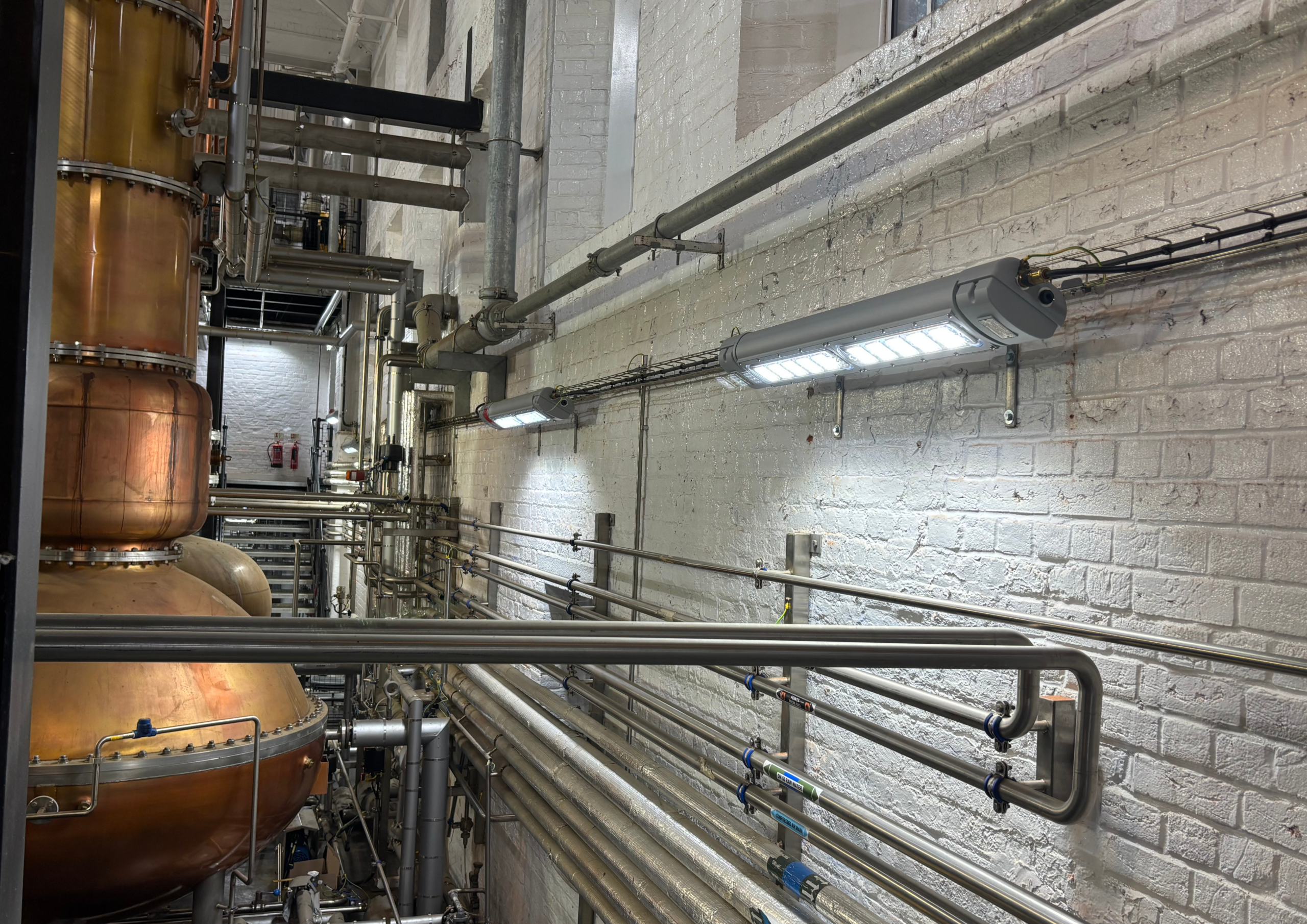
The SPARTAN Linear High Output range combines retrofit-focused installation features with accessible modular components, supporting both initial replacement work and subsequent servicing.
Delivering a Phased Lighting Upgrade
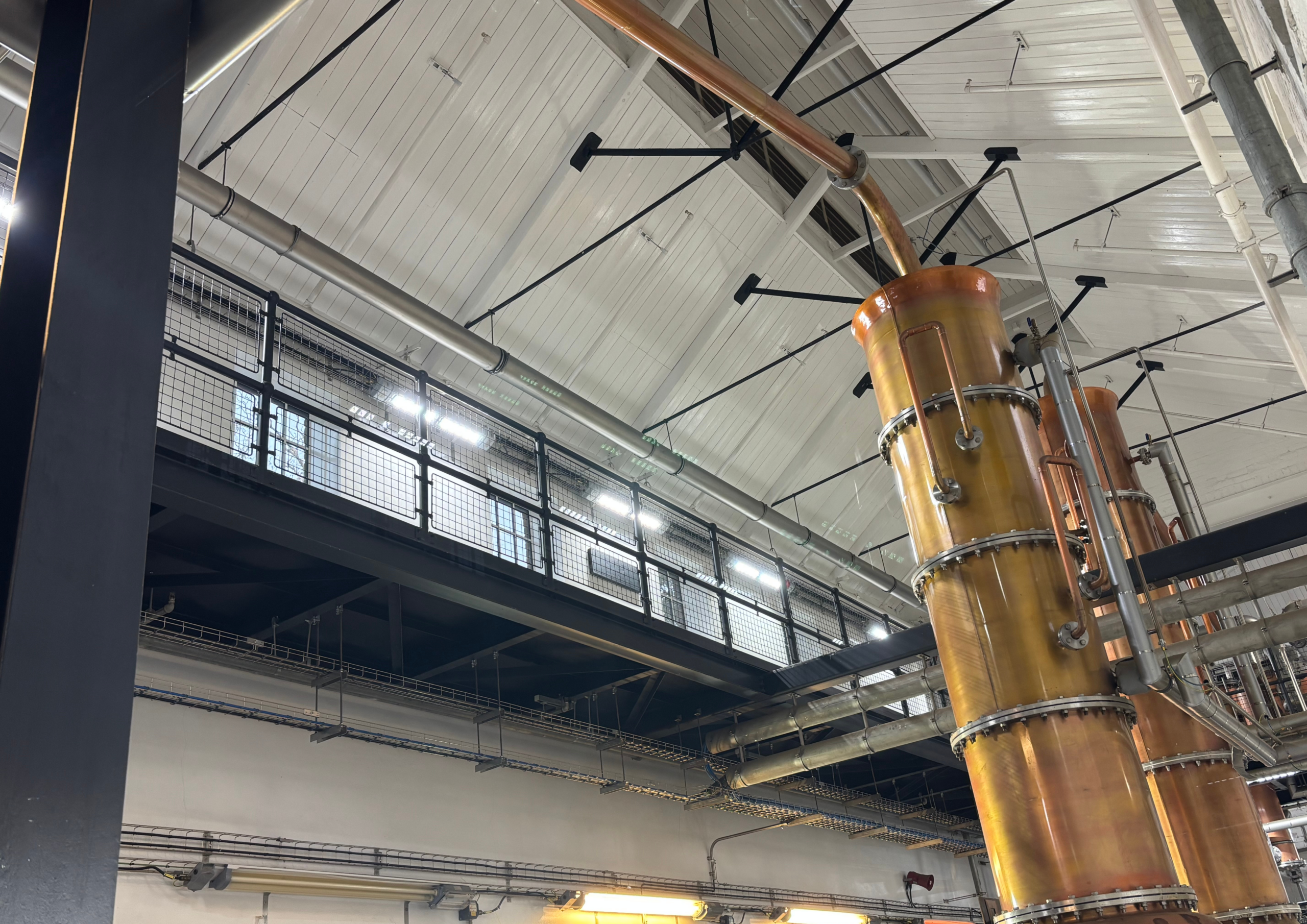
Rather than replacing the full installation at once, the customer has introduced Raytec fittings progressively, working through smaller areas and larger spaces over time.
The approach has allowed the engineering team to gain practical experience with the products and build familiarity as the programme has developed.
Positive experience with installation, product quality and maintenance has led to Raytec becoming the customer’s site lighting standard.
Project Progress and Benefits
At the time of review in October 2026, the lighting upgrade was approximately 80% complete, with around 20 further fittings remaining to be supplied. Completion is expected around mid-2027.
The customer has highlighted product quality, straightforward installation and reduced maintenance demands as key benefits of the fittings already introduced.
The move to LED technology offers improved lighting efficiency while removing the routine fluorescent lamp-replacement task. Modular servicing also provides a practical approach to future component replacement.
A significant outcome is the decision to adopt Raytec as the site lighting standard, providing a consistent direction for the remaining stages of the programme.
Technical Support from Thorne & Derrick
The project has developed through an ongoing relationship between Dylan, the customer’s engineer and Raytec, with support extending beyond the initial product recommendation.
Thorne & Derrick’s involvement has included:
- Product recommendation against an open specification
- Multiple site visits to discuss application requirements
- Lighting designs for larger areas
- Phased product supply as the programme progresses
- Continued collaboration with Raytec on further lighting requirements
This continuing involvement has helped build an understanding of the customer’s maintenance priorities and supported the development of a consistent lighting approach across the site.
For another example of application-led product selection, explore our Raytec lighting upgrade for hydrogen refuelling bays, where compatibility with the existing canopy fittings was a key requirement.
Technical Insight: Understanding the Efficiency Figures
Luminous efficacy, expressed in lumens per watt, describes how much light a source or luminaire produces for each watt of electrical power consumed.
The indicative project comparison of 60–70 lm/W for the previous fluorescent technology and approximately 145 lm/W for the Raytec LED solution represents around 107–142% higher light output per watt.
These figures compare lighting efficacy. They do not represent a measured percentage reduction in the distillery’s electricity consumption.
Turning Lighting Efficiency into Running-Cost Savings
The savings achieved by a complete installation depend on:
- The total electrical input power of the existing and replacement fittings
- The number of fittings installed
- Operating hours and any lighting controls
- The illumination required in each area
- Light distribution and installation layout
Assessing these factors through lighting design helps identify a solution that balances illumination, electrical consumption and maintenance requirements.
Planning an Industrial or Hazardous Area Lighting Upgrade?
Contact Thorne & Derrick to discuss product selection, site surveys and lighting design for your application.
Whether you are replacing individual fittings or planning a phased site upgrade, our team can help you assess your requirements.