Published 31 Aug 2026
Ex d, Ex e and combined Ex d e markings describe different methods of protecting electrical equipment intended for use in potentially explosive gas atmospheres. An Ex d beacon uses a flameproof enclosure designed to contain an internal ignition and prevent flame propagation into the surrounding atmosphere. Ex e...
Read More
Published 27 Aug 2026
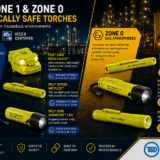
What Makes a Torch Intrinsically Safe? ATEX & IECEx Explained Intrinsically safe torches are designed for use in hazardous areas where flammable gases, vapours or combustible dusts may be present. Unlike conventional torches, intrinsically safe lighting is engineered to control potential ignition sources so that the equipment does not...
Read More
Published 25 Aug 2026
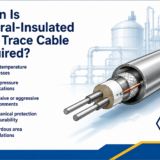
High-Temperature and Demanding Electrical Heat Tracing Applications Quick Navigation Mineral-Insulated Cable Overview How MI Cable Is Constructed High-Temperature Duties High Output & Heat-Up Duties Long Circuits & Engineered Resistance Harsh Industrial Environments Hazardous-Area Applications MI vs Other Cable Technologies When MI Cable May Not Be Required Design & Installation...
Read More
Published 24 Aug 2026
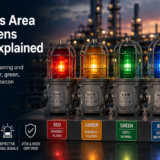
Hazardous area beacon lens colours help personnel distinguish between alarms, warnings, equipment states and process conditions. Red, amber, green, blue and clear signals can each communicate a different message when used within a properly defined alarm philosophy. However, a beacon colour does not have one fixed meaning in every...
Read More
Published 20 Aug 2026
Why Hazardous Area Ventilation Requires More Than Electrical Certification When discussing explosion protection in hazardous areas, the focus is often placed on electrical equipment such as motors, switches and junction boxes. While these components remain critical, ATEX fans must also be assessed for non-electrical ignition risks created by the...
Read More