Published 16 Nov 2026
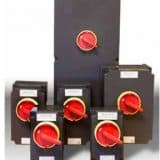
ATEX isolators are electrical isolation devices designed for use in potentially explosive atmospheres. They allow electrical equipment and circuits to be disconnected from a power supply, helping engineers and maintenance personnel establish a safe working arrangement in hazardous-area installations. Unlike ordinary industrial isolators, ATEX isolators incorporate explosion protection measures...
Read More
Published 16 Nov 2026
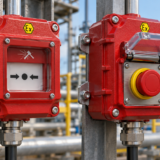
ATEX manual call points allow personnel to activate an alarm or initiate a specified emergency signal in potentially explosive atmospheres. They are commonly used in hazardous-area fire alarm, emergency shutdown and industrial signalling systems where electrical equipment must be suitable for the relevant gas or dust classification. Manual call...
Read More
Published 13 Nov 2026
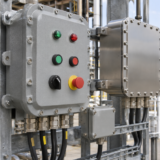
Hazardous area control panels house electrical equipment used to control, monitor and protect industrial processes in potentially explosive atmospheres. Depending on their design, they can operate machinery, distribute electrical power and control equipment such as lighting, pumps and heating systems. However, an ordinary industrial control panel is not automatically...
Read More
Published 13 Nov 2026
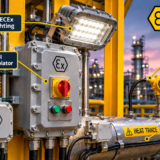
Explosion proof equipment helps prevent ignition in potentially explosive atmospheres. It controls electrical or mechanical ignition sources through a suitable protection method. These environments may contain flammable gases, vapours, mists or combustible dusts. Industries such as oil and gas, petrochemical processing and pharmaceutical manufacturing use explosion-protected equipment. Common examples...
Read More
Published 04 Nov 2026
DSEAR Risk Assessment vs Hazardous Area Classification: What’s the Difference? Guest Blog From Tal Hopkins | Vital Ex Engineering By Tal Hopkins, Managing Director of Vital Ex Engineering This guest article by Tal Hopkins of Vital Ex Engineering explains the difference between hazardous area classification and a DSEAR risk...
Read More