Raytec Spartan Recessed ATEX Luminaires
Quick Navigation
Project Overview
As hydrogen infrastructure continues to expand across the UK transport sector, the requirement for safe, reliable and energy efficient lighting within hazardous environments is becoming increasingly critical.
Hydrogen refuelling facilities operate in areas where explosive gases may be present, meaning all installed equipment must meet strict ATEX hazardous area certification standards while maintaining high levels of performance and reliability.
Thorne & Derrick recently supported a lighting upgrade project for a hydrogen truck refuelling client, delivering a technically engineered solution using the Raytec Spartan Recessed ATEX LED luminaire.
Project Overview:
- Application: Hydrogen refuelling bay lighting upgrade
- Environment: Hazardous area hydrogen infrastructure
- Challenge: Delivering safe, compliant recessed lighting within an explosive gas environment
- Key Requirement: Match the footprint of the existing recessed canopy fittings to avoid structural modifications
- Solution: Raytec Spartan Recessed ATEX LED luminaires
- Outcome: Improved lighting levels, enhanced energy efficiency and compliant hazardous area protection
The Challenge: Hydrogen Refuelling in a Hazardous Area
Hydrogen is widely recognised as a key fuel in the transition toward lower carbon transport, particularly for heavy goods vehicles and commercial fleets. However, hydrogen also presents unique safety challenges due to its extremely flammable properties and physical characteristics. Hydrogen is classified as an IIC gas group under the ATEX hazardous area classification system. The IIC group represents the most severe explosion risk category for gases, meaning any electrical equipment used within these environments must meet the highest design and certification requirements.
- Extremely Low Ignition Energy – Hydrogen requires very little energy to ignite, meaning even small electrostatic discharges can be sufficient to initiate combustion
- Wide Flammable Range – Hydrogen can ignite across a broad concentration range compared with many other fuels
- Small Molecular Size – Hydrogen molecules are extremely small and can escape through tiny openings or imperfections in systems that would contain other gases
- High Diffusion and Dispersion Rates – While hydrogen disperses quickly, confined spaces such as refuelling canopies, enclosures or structures can allow gas to accumulate temporarily, creating explosive atmospheres
Because of these characteristics, hydrogen installations require the most stringent hazardous area equipment protections to prevent ignition sources.
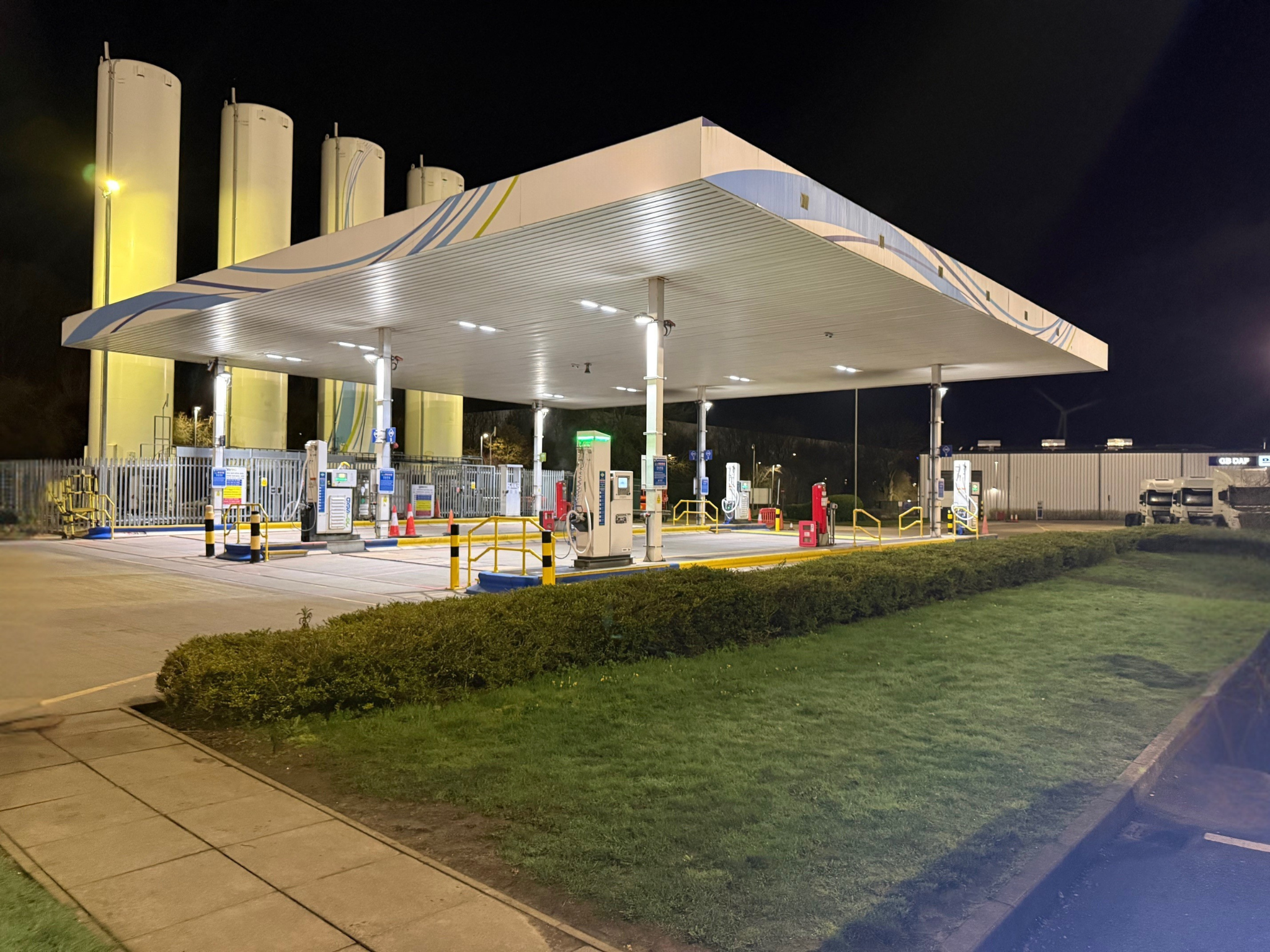
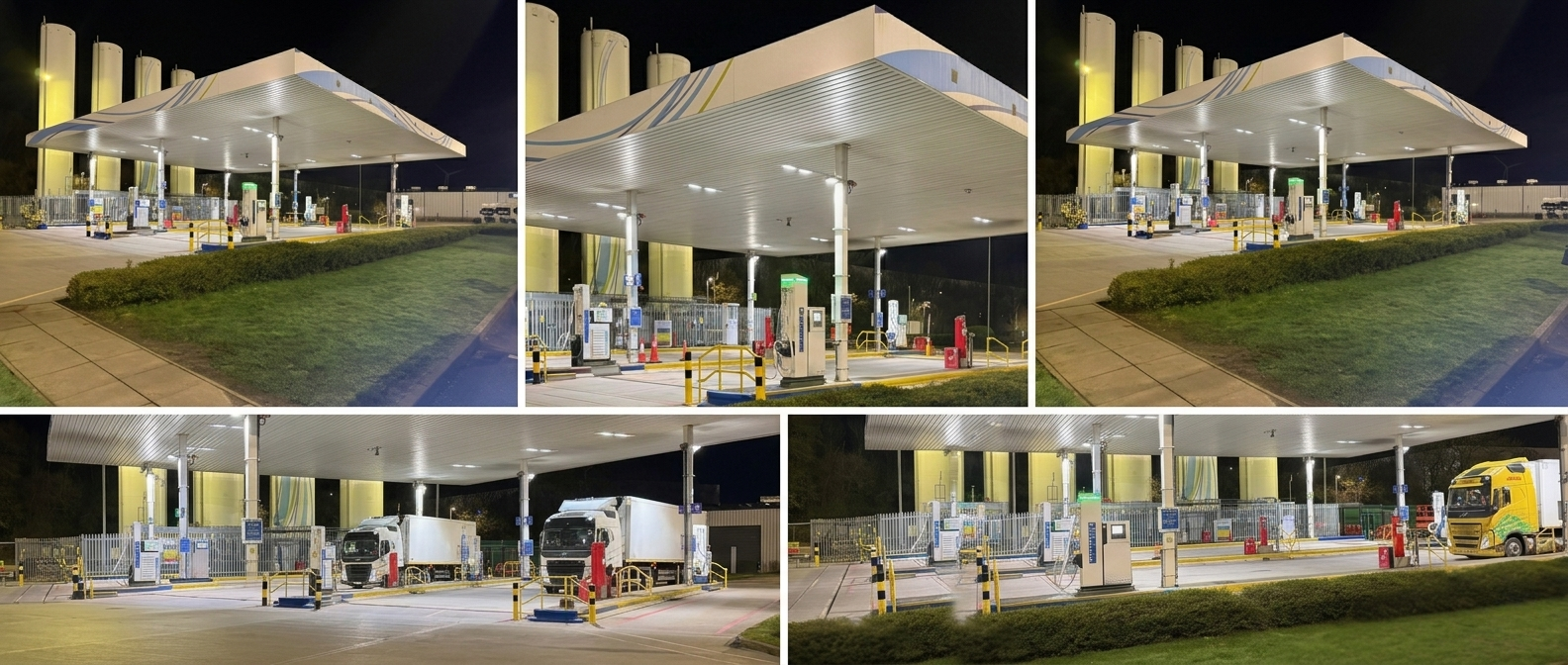
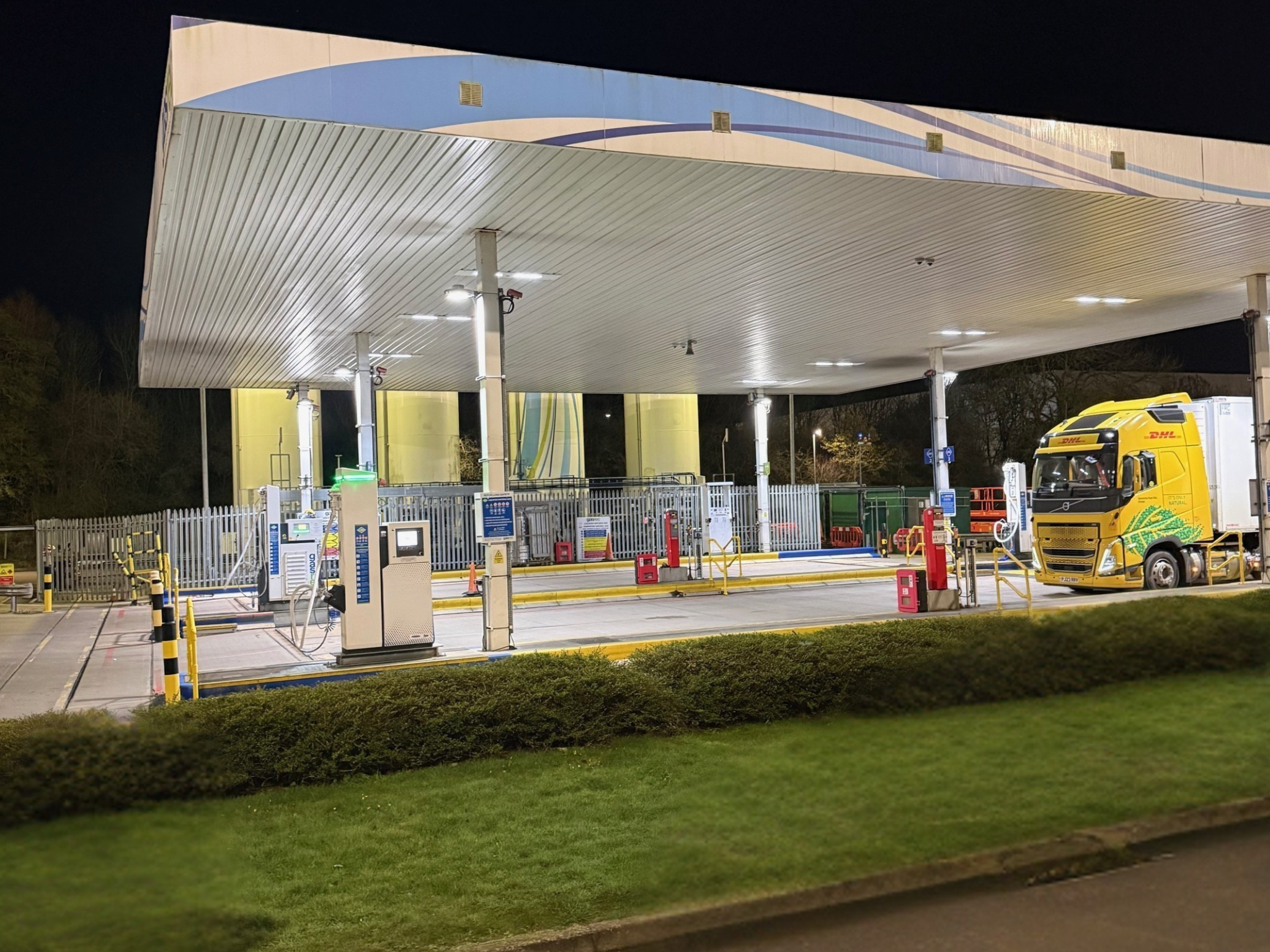
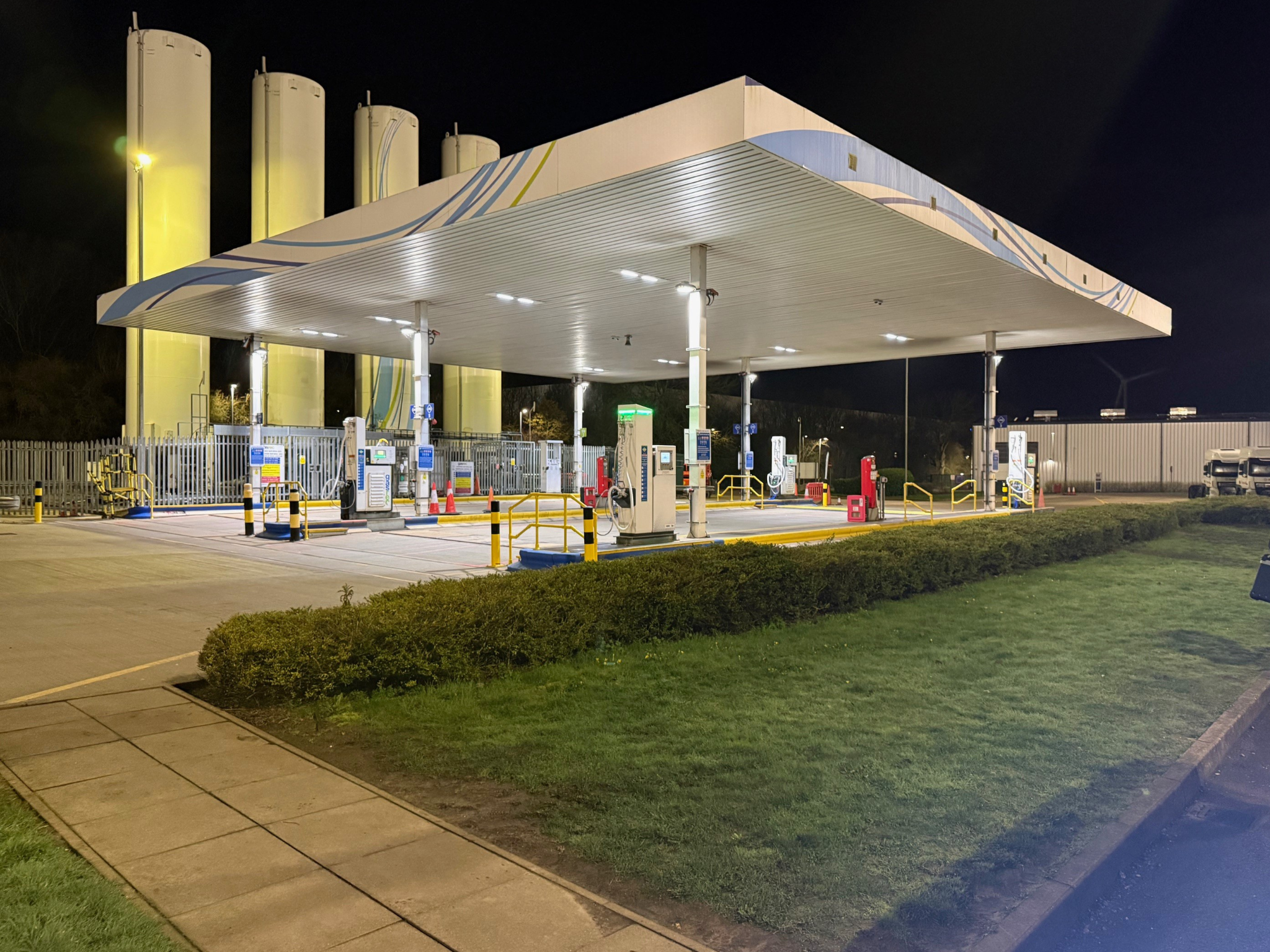
Hydrogen Refuelling Canopy Lighting
ATEX-certified recessed lighting specified for a demanding hydrogen refuelling canopy environment.
Enquire Now
Site / Application Requirements
To support the project, a detailed lighting site survey and photometric design study was carried out to determine the most suitable hazardous area lighting solution.
The design process evaluated:
- Existing lighting levels and uniformity
- Hazardous area classifications
- Mounting constraints within the canopy structure
- Energy efficiency targets
- Retrofit compatibility with existing installations
A critical requirement from the client was that any replacement luminaire must match the exact footprint of the existing recessed canopy lighting to avoid costly structural modifications.
Lighting Site Survey and Design
Following technical evaluation and design modelling, the Raytec Spartan Recessed ATEX luminaire was selected as the optimal solution.
Specified Solution: Raytec Spartan Recessed ATEX LED Luminaires
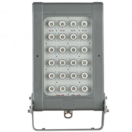
The Raytec Spartan Recessed (SPX Recess Plank) is specifically designed for hazardous area installations where recessed mounting is required, such as refuelling canopies, industrial ceilings and process facilities.
Certified for Zone 1 gas and Zone 21 dust environments, the luminaire is fully compliant with ATEX, IECEx and UKEX certification schemes, making it suitable for installations where hydrogen or other IIC gases may be present.
Why This Solution Was Selected
The Raytec Spartan Recessed range offered several advantages for this application, including:
- Certified for hazardous gas environments
- Recessed design for canopy installations
- Lightweight modular construction
- High efficiency LED performance
- Flexible optical performance
- Wide operating temperature range
- Low maintenance design
- Manufactured in the UK with a five-year warranty
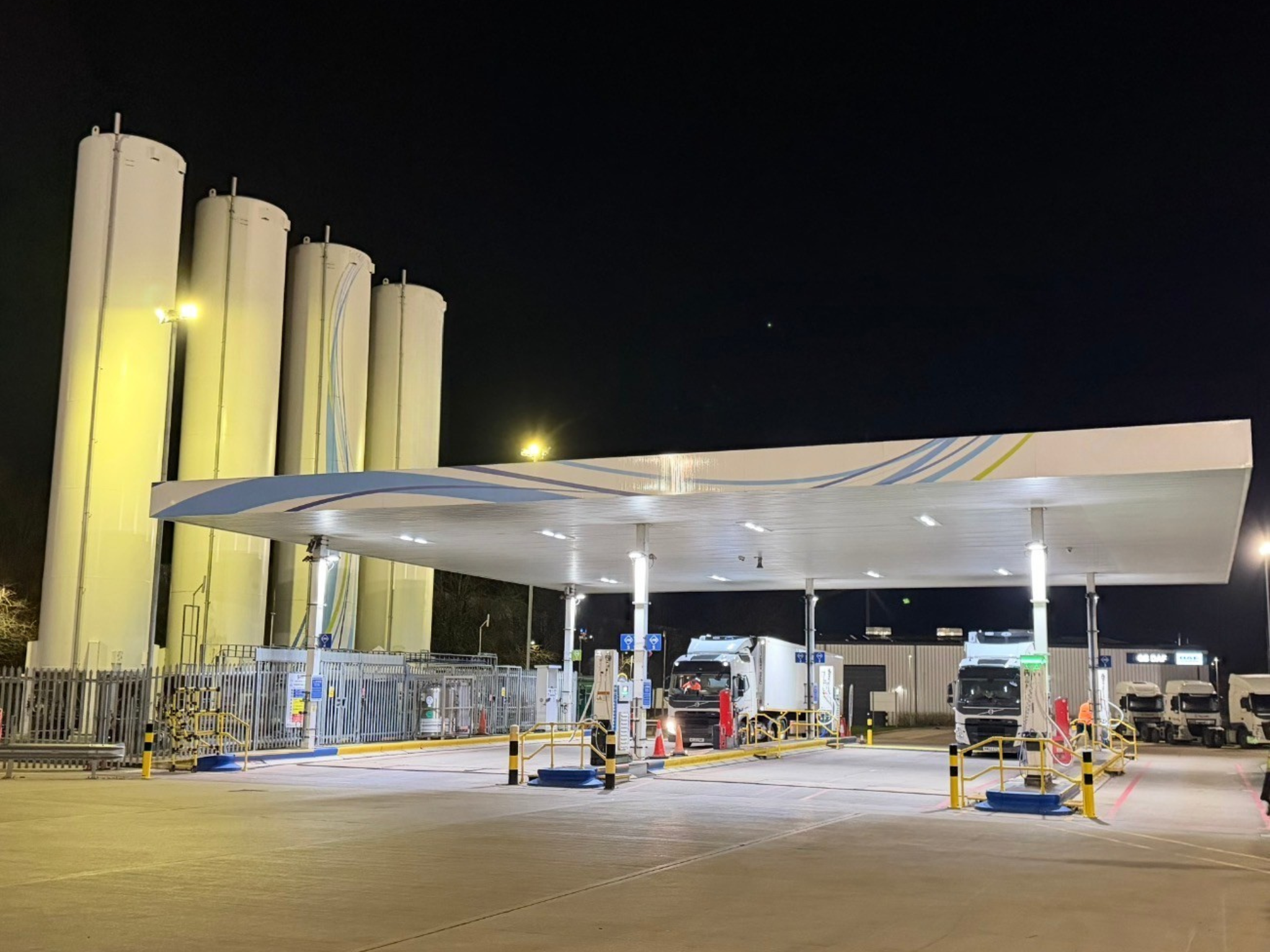
Raytec Spartan Recessed
A recessed hazardous area luminaire selected to suit canopy retrofit requirements and hydrogen hazardous area compliance.
Delivering an Efficient Retrofit Solution
One of the most important aspects of the project was the ability of the Raytec Spartan Recessed luminaire to match the footprint of the existing fittings installed within the canopy. This meant the lighting upgrade could be completed without:
- Structural modifications to the canopy
- Additional fabrication or civil works
- Extended site downtime
At the same time, the new installation provides improved lighting levels, enhanced energy efficiency and fully compliant hazardous area protection.
Project Outcome
The new installation provides improved lighting levels, enhanced energy efficiency and fully compliant hazardous area protection.
By matching the footprint of the existing recessed canopy fittings, the project avoided structural modifications to the canopy, additional fabrication or civil works, and extended site downtime.
Technical Support from Thorne & Derrick
Projects involving explosive atmospheres require specialist engineering knowledge and responsive technical support.
At Thorne & Derrick, we work closely with leading manufacturers such as Raytec to deliver:
- Hazardous area lighting expertise
- Lighting site surveys and photometric design
- ATEX and IECEx compliant solutions
- Fast, responsive technical support
Our team understands the complexity of hazardous area installations and works quickly to identify safe, compliant and efficient lighting solutions tailored to the specific requirements of each client.
Supporting the Future of Hydrogen Transport
As hydrogen continues to play an increasingly important role in the future of heavy transport, the safety and reliability of refuelling infrastructure will be paramount.
By combining the engineering performance of Raytec’s Spartan Recessed ATEX luminaires with the technical expertise and responsiveness of Thorne & Derrick, this project demonstrates how specialist hazardous area lighting solutions can support the safe growth of hydrogen-powered transport.
Technical Insight: ATEX and IIC Gas Environments
The ATEX Equipment Directive (2014/34/EU) governs the design and certification of equipment used in explosive atmospheres across Europe and the UK. For hydrogen environments, equipment must be suitable for Gas Group IIC, which includes the most easily ignitable gases such as:
- Hydrogen
- Acetylene
- Carbon disulphide
Equipment certified for IIC gases is also suitable for the less demanding IIB and IIA gas groups, but not vice versa. To achieve IIC certification, manufacturers must implement several additional engineering and safety measures.
Increased Flamepath Integrity
For explosion-protected equipment using flameproof protection (Ex d), the flamepaths — the engineered gaps that prevent internal explosions from propagating externally — must be manufactured with tighter tolerances and longer flamepath lengths when designed for IIC gases. Hydrogen’s low ignition energy and flame propagation characteristics require these enhanced design measures to safely contain explosions.
Higher Surface Temperature Controls
Equipment must be designed to ensure that external surfaces cannot exceed defined temperature classes (T-ratings) that could ignite the surrounding gas mixture. In hydrogen environments, maintaining strict thermal management through heat sinking, efficient electronics and LED thermal design is critical.
Increased Electrical Protection
Manufacturers must minimise the risk of sparks or arcs from electrical components through design approaches such as:
- Intrinsic safety protection
- Flameproof enclosures
- Encapsulation or increased safety protection techniques
This is especially important for LED drivers and electrical connections within hazardous area lighting.
Robust Mechanical Construction
Equipment must be designed to withstand:
- External impacts
- Thermal cycling
- Environmental exposure
Without compromising the explosion protection concept or the integrity of the enclosure.
Comprehensive Testing and Certification
Before certification, hazardous area equipment must undergo rigorous testing through approved certification bodies to demonstrate compliance with ATEX and IECEx standards, including:
- Explosion containment testing
- Temperature testing
- Ingress protection verification
- Mechanical strength assessments
Need Support with Hazardous Area Lighting?
Contact Thorne & Derrick for expert guidance on ATEX certified lighting solutions for hydrogen infrastructure, oil & gas facilities, chemical processing plants and other explosive atmosphere environments.
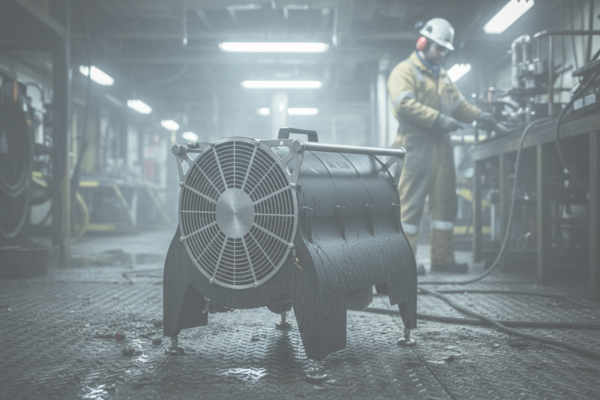
ATEX Portable Fan Heaters
In hazardous area environments, temporary heating is essential for worker comfort, equipment protection, and successful maintenance execution in cold or humid conditions. Unlike standard industrial heaters, which are prohibited in explosive atmospheres, ATEX portable fan heaters are purposely engineered for ignition prevention, mechanical robustness, and continuous safe performance.
This guide explains ATEX zones, the limitations of conventional heaters, what defines a genuinely portable hazardous area heater, and why the EXHEAT MFH “The Bulldog” is regarded as the leading certified option for Zone 1/2 and 21/22 operations worldwide.
ATEX Zones Explained
ATEX-certified equipment is mandatory wherever explosive atmospheres—gas (Zone 1/2) or dust (Zone 21/22)—may be present during normal or abnormal operations.
| Zone |
Description |
| Zone 1 |
Explosive gas atmosphere is likely during normal operation |
| Zone 2 |
Explosive gas atmosphere is unlikely but possible for short durations |
| Zone 21 |
Combustible dust atmosphere likely during normal operation |
| Zone 22 |
Combustible dust atmosphere unlikely but possible intermittently |
In these zones, heaters must comply with ATEX Directive 2014/34/EU and the EN/IEC 60079 standards, ensuring:
- No ignition-capable surface temperatures
- No exposed sparking components
- No static build-up
- Robust mechanical protection
- Certified temperature class (e.g., T3/T4)
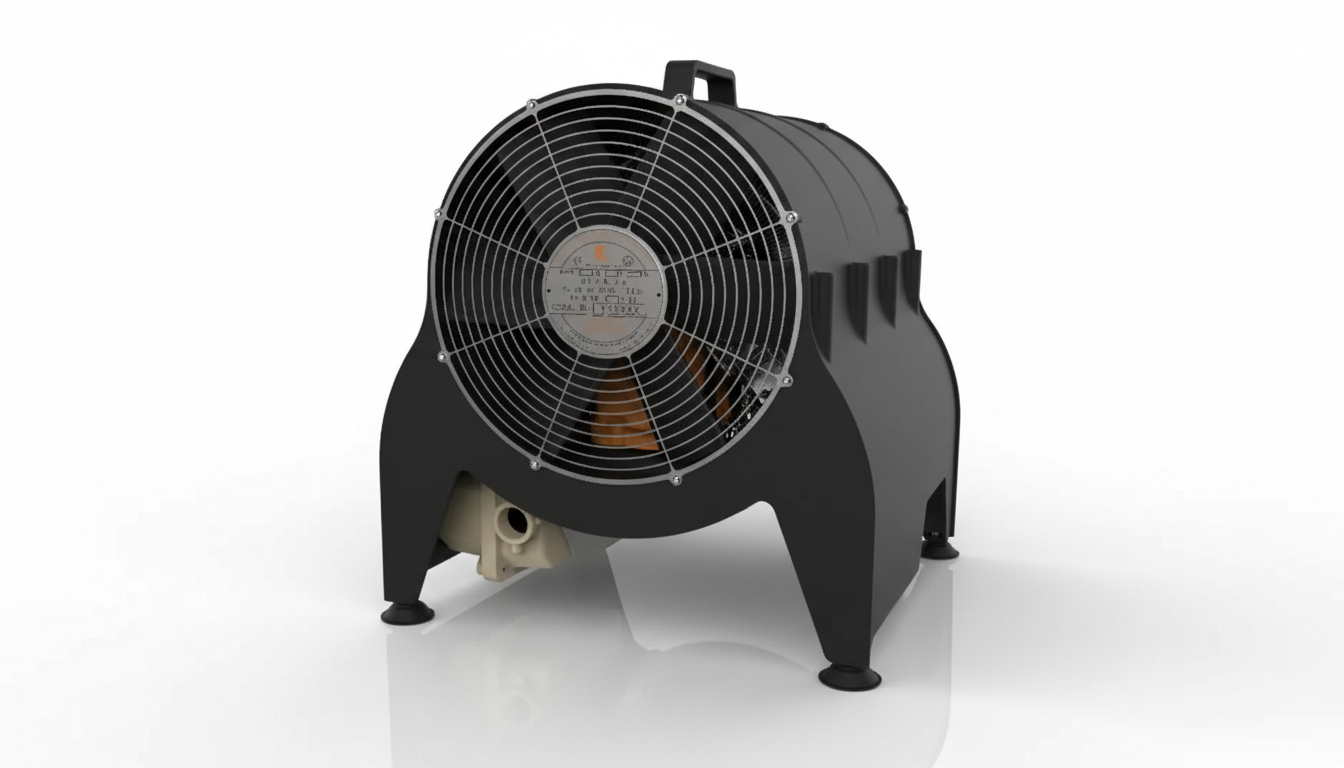
Product Highlight: EXHEAT MFH “The Bulldog”
A fully ATEX & IECEx certified portable fan-assisted heater rated for
Zone 1, Zone 2, Zone 21 & Zone 22. Designed for
safety-critical heating in offshore platforms, FPSOs, refineries, chemical
plants, and hazardous industrial environments. The MFH delivers
high airflow, rugged stainless-steel construction, and reliable
performance in harsh conditions.
EXHEAT MFH – Portable ATEX Fan Heater for Hazardous Areas
Why Conventional Heaters Fail in Zone 1/2
Standard industrial heaters—space heaters, fan heaters, radiant heaters—are not engineered for explosive atmospheres. Their internal components routinely generate temperatures, sparks, or fault conditions that would be unsafe in ATEX zones.
Typical Failure Risks:
- Hot surfaces exceeding T-Class limits
- Unprotected mechanical switching components
- Arcing within motors or fans
- Poor ingress protection (moisture + dust)
- Non-anti-static housings
- No certified construction for hazardous areas
This is why only certified ATEX portable heaters may be deployed in these zones.
Hazardous Area Heater Safety Checklist
- ATEX/IECEx certificate available and verifiable
- Clear marking for temperature class (T3/T4)
- Certified motor, heating element and enclosure
- No exposed ignition sources
- Anti-static, robust, corrosion-resistant construction
- Ingress protection suitable for offshore environments
- Thermal cut-out and over-temperature protection
What Makes a Heater “Truly Portable”?
Many heaters marketed as “portable” fail this definition in operational contexts. True portability in hazardous areas requires:
- Single-person lift and easy manoeuvrability
- Integrated carry frame or handle
- Shock-resistant construction
- Durable feet/base for uneven industrial surfaces
- Optional ducting for directional heat delivery
- Easy maintenance and cable routing
The EXHEAT Bulldog was specifically designed around these requirements.
How the EXHEAT MFH “The Bulldog” Solves Common Pain Points
The Bulldog directly addresses the major issues reported by operators, maintenance teams and offshore personnel.
1. Lightweight, One-Person Handling
A compact frame and low mass allow single-person lifting—even on offshore platforms where space is limited.
2. Exceptional Durability
- Stainless steel frame
- Impact-resistant design
- Corrosion resistance for marine environments
3. High Airflow + Fast Temperature Rise
Engineered for airflow optimisation to increase heating efficiency and comfort.
4. Anti-Static Ducting Options
Direct heat exactly where needed—habitats, confined spaces, tank entries and composite repair sites.
5. T-Class Compliance (T3/T4)
Suitable for a wide range of explosive atmospheres without exceeding safe surface temperatures.
ATEX PORTABLE HEATER Typical Applications
- Offshore platforms
- Refineries & petrochemical facilities
- Maintenance habitats
- Confined space entries
- Tank coating & composite repairs
- Shutdowns & turnarounds (TAR)
- Pipeline or vessel heating
- Container & temporary workspace heating
Why The Bulldog Leads the Market
- Certified for all hazardous zones (1, 2, 21, 22)
- High performance with low operator fatigue
- Offshore-proven durability
- Reliable in harsh weather (sub-zero capable)
- Designed for real-world maintenance workflows
- Supported by T&D’s technical team and inventory
Request a Quote or Technical Support
Contact Thorne & Derrick to ensure your heating solution meets safety standards and operational requirements.
Contact T&D
Conclusion & Next Steps
The EXHEAT MFH “The Bulldog” sets the standard for ATEX portable heating: lightweight, rugged, powerful and fully certified for hazardous environments. For any operator working in explosive atmospheres, it represents a safe, dependable and cost-effective heating solution.
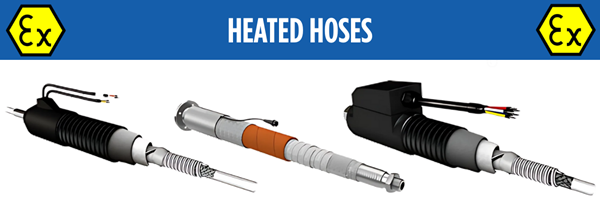
In industries where fluid transfer is mission-critical — from chemical processing and food production to aerospace and pharmaceuticals — the reliability of your heated hose setup can make or break your operation. Whether you’re maintaining product viscosity, preventing freeze-ups, or ensuring consistent flow rates, performance matters.
At Eltherm & Thorne & Derrick, we know that even the most advanced heated hose won’t perform optimally without proper planning, installation, and ongoing care. Here’s how to get the best out of your heated hose system — every time.
1. Get the Specification Right from the Start
Choosing the right heated hose begins with understanding your application. Key factors include:
- Fluid characteristics: temperature sensitivity, viscosity, chemical compatibility, pressure rating.
- Operating environment: exposure to chemicals, mechanical wear, extreme temperatures, or UV.
- Temperature control requirements: constant, adjustable, or sensor-based regulation.
Selecting the correct materials, length, and configuration upfront reduces downtime, energy waste, and maintenance costs. Look for industrial trace heating hoses specifically designed for your fluid type and operating conditions.
2. How to Ensure Accurate Temperature Control in Heated Hoses
Temperature consistency is vital to prevent product degradation or flow issues:
- Integrate sensors such as PT100s or thermocouples for precise feedback
- Pair with PID controllers to maintain target temperatures
- Ensure overtemperature protection to safeguard sensitive fluids and personnel
Accurate control improves product quality and maximizes energy efficiency.
3. Proper Installation Tips for Heated Hoses
- Respect the minimum bend radius to prevent kinking
- Use strain relief fittings to reduce mechanical stress at connection points
- Route hoses away from foot traffic or crush-prone areas
- Apply thermal insulation or jacketing to conserve energy and protect personnel
4. Regular Maintenance to Prevent Heated Hose Failure
- Inspect visually for cracks, kinks, or exposed wires
- Test electrical resistance and insulation periodically
- Clean connectors to maintain reliable thermal and electrical connections
A regular maintenance schedule ensures consistent performance and prevents costly repairs.
5. Choosing a Specialist Supplier for High-Performance Heated Hoses
Your heated hose is only as effective as the support behind it. Eltherm & Thorne & Derrick provide:
- Custom-designed heated hose systems for any process or media
- Full technical support for design, installation, and troubleshooting
- Fast turnaround on spares and replacements to minimise downtime
Partnering with a specialist supplier ensures that your industrial trace heating hoses perform safely and reliably.
6. Optimise Energy Efficiency and Reduce Costs with Heated Hoses
- Precise temperature control prevents overheating and wasted energy
- Insulated hoses maintain heat, lowering running costs
- Proper flow reduces operational and material losses
7. Frequently Asked Questions About Heated Hoses
What is a heated hose?
A heated hose is a flexible, insulated hose with integrated heating elements to maintain fluid temperature during transfer.
How do I prevent my hose from freezing?
Use properly rated industrial trace heating hoses, maintain accurate temperature control, and insulate the hose.
Can heated hoses handle chemical fluids?
Yes, if specified correctly. Ensure material compatibility with your fluid to prevent degradation.
How long do heated hoses last?
With proper specification, installation, and maintenance, heated hoses can last many years. Lifespan depends on usage, environment, and care.
Performance is Engineered, Not Assumed
A heated hose needs more than just heat — it needs thoughtful integration, expert support, and ongoing care. From accurate specification to smart control and professional support, every detail counts.
Special thanks to Scott Harding for the kind permission to republish.
When it comes to explosive atmospheres, compliance alone isn’t enough — safety must lead the way.
In a powerful new article for the EIC, Scott Harding, Sales Director at Woodcock & Wilson, highlights why relying on self-certification under ATEX 2014/34/EU for non-electrical equipment — like industrial fans — can be dangerously misleading.
Too often, the ATEX mark is mistaken for proof of independent testing. For non-electrical equipment, that’s frequently not the case. The consequences? Variable standards, lack of accountability, and elevated risk to operators and facilities.
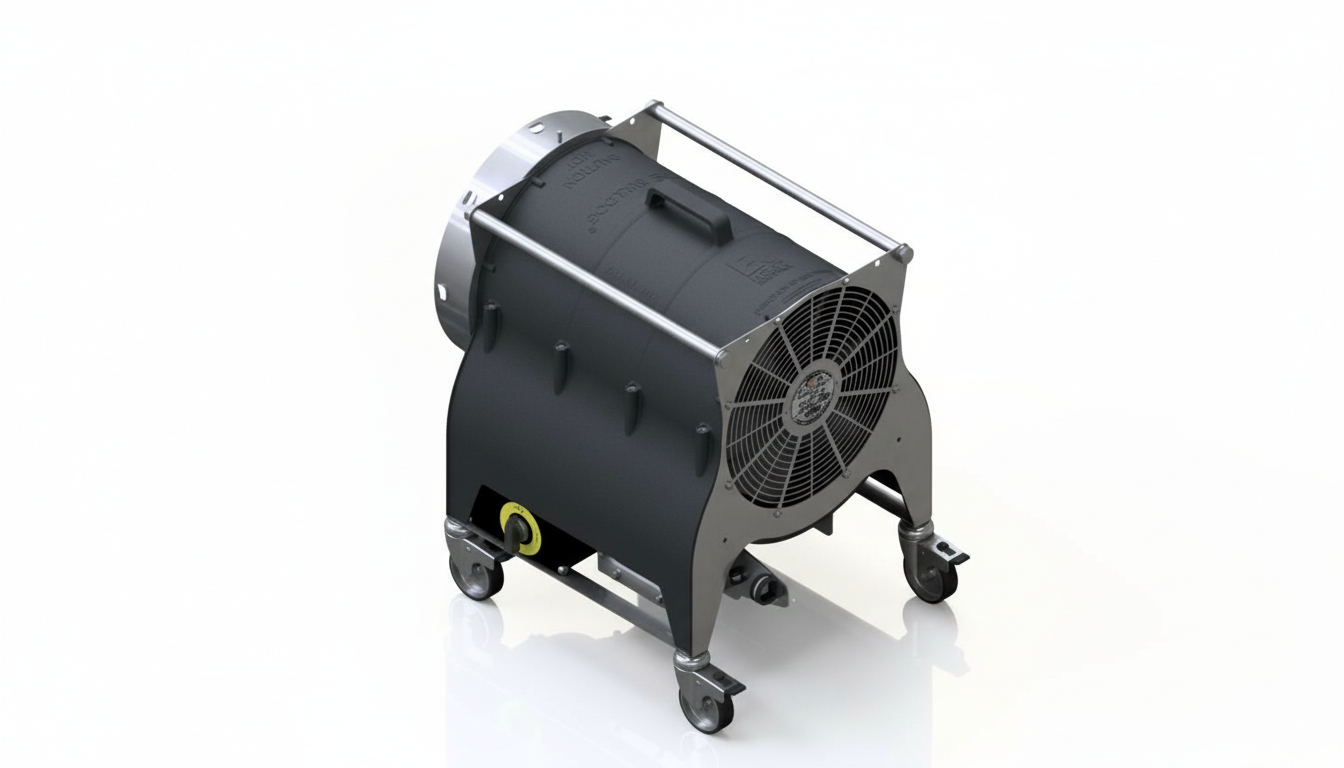
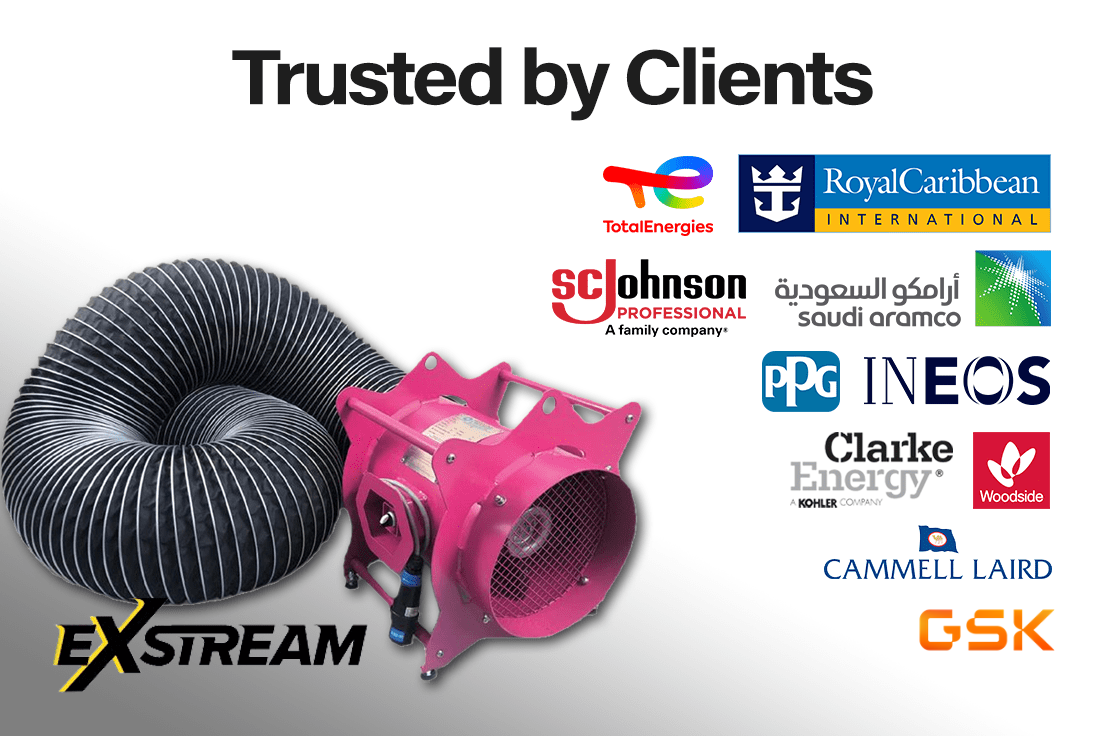
At Thorne & Derrick, we distribute Woodcock & Wilson’s ATEX portable fan the EXstream — all fully IECEx certified, independently verified, and unit-by-unit tested to meet the highest levels of safety and performance.
Terry McDonald, Business Development Manager at Thorne & Derrick, is committed to raising awareness around this critical safety issue. Terry works closely with engineers, end-users, and decision-makers to highlight the dangers of counterfeit and self-certified Ex equipment.
“People working in the industry don’t realise the problem exists. They believe the certificates and information they are being given by fraudulent organisations to be true. Everyone working in the industry needs to take this seriously and understand that the consequences will be fatal. It is only a matter of time before an explosion occurs as a direct result of fake equipment.”
In this article, you’ll learn:
- The real risks of ATEX self-certification
- Why IECEx is setting a new benchmark for safety
- The critical importance of third-party validation in Ex environments
Ensuring Safety in Explosive Atmospheres
Ensuring safety in explosive atmospheres (Ex) is critical. While electrical equipment is closely scrutinized, non-electrical equipment — like fans, gearboxes, and bearings — can generate ignition sources and is often overlooked.
The reliance on self-certification in ATEX 2014/34/EU poses significant risks to end-users, whereas IECEx offers robust independent verification.
- Lack of independent validation: no guarantee of safety without third-party testing
- Inconsistent compliance: different interpretations of ATEX requirements
- Over-reliance on documentation: manufacturer Declarations of Conformity may not be reliable
- Risk to end-users: false sense of security with self-certified ATEX equipment
IECEx vs ATEX: Regulatory Comparison
Certification Process
ATEX: Self-certification allowed for Category 2 & 3 non-electrical equipment; only Category 1 requires third-party verification
IECEx: Independent certification required for all equipment
Testing & Compliance Verification
ATEX: Manufacturer declaration with minimal oversight
IECEx: Accredited ExCB performs full testing and issues Certificates of Conformity
Transparency & Traceability
ATEX: No public database
IECEx: Global online database for verification
International Recognition
ATEX: EU only
IECEx: International recognition (Australia, US, Asia, Middle East)
COmparison table
| Feature |
ATEX |
IECEx |
| Scope |
EU only |
Global recognition |
| Third-party Testing |
Only Category 1 |
Required for all equipment |
| Self-Certification |
Allowed for Categories 2 & 3 non-electrical |
Not allowed |
| Online Certificate Access |
No central database |
Public online database |
| Covers Services |
No |
Yes – repair & overhaul |
The Blue Guide to EU Products: Where it Falls Short
The Blue Guide serves as a reference for European regulatory frameworks, including ATEX, but has shortcomings:
- Emphasis on Manufacturer Responsibility: Over-reliance on internal assessments.
- Failure to Address Self-Certification Risks: Does not highlight dangers for non-electrical equipment.
- Limited Discussion on Non-Electrical Equipment: Ignition sources often underrepresented.
- Lack of Alignment with IECEx Best Practices: Misses globally accepted safety standards.
Woodcock & Wilson: Exceeding Safety Standards
IECEx non-electrical certification ensures each fan meets the highest safety standards. Commitment includes:
- Independent third-party testing
- Unit verification for every product
- Enhanced materials and engineering
End-users should verify certification details, understand ATEX limitations, and demand higher standards for safety.
FAQ: Industrial Fans & ATEX
What makes fans suitable for hazardous areas?
IECEx and ATEX-certified fans prevent ignition risks from mechanical or electrical components.
How can I ensure my equipment is independently verified?
Verify IECEx certificates online or request unit-specific testing documentation.
Does Thorne & Derrick supply portable ATEX fans?
Yes — the EXstream portable fan is fully IECEx certified and unit-tested.
Safety & Compliance in Explosive Atmospheres
Don’t compromise safety. Insist on IECEx-certified solutions for non-electrical equipment like industrial fans.
As winter sets in and daylight hours shrink, ensuring your site remains safe and productive becomes more critical than ever. Poor visibility not only increases the risk of accidents but can also impact operational efficiency. As the nights grow longer this winter, it’s time to ask: Are you prepared for the dark nights?
At Thorne & Derrick, we understand the challenges winter brings to hazardous areas. Our ATEX lighting solutions are engineered to perform in the toughest environments — keeping your workforce safe and your operations compliant.
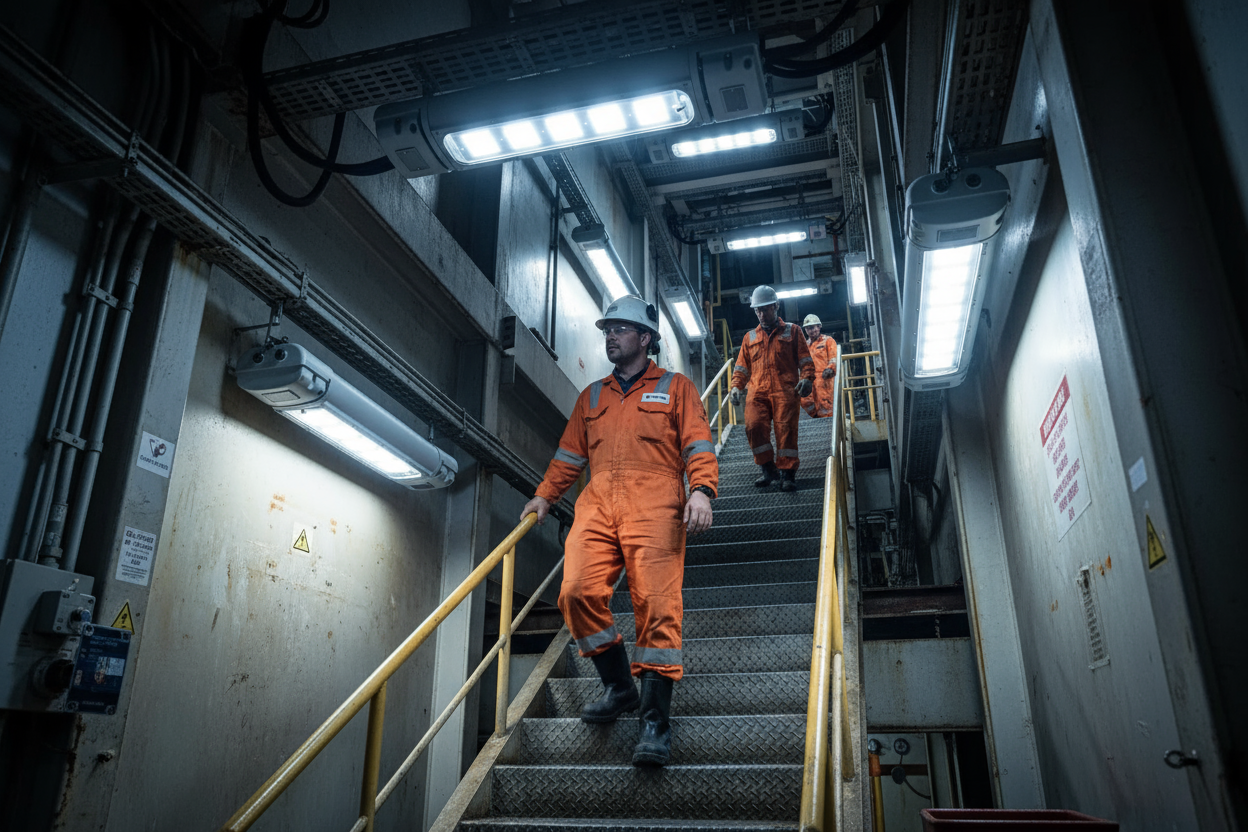
Winter Safety Tips: Keeping Your Site Bright, Safe & Compliant
As daylight hours shorten, ensure your site remains safe, compliant, and operational throughout the darker months. Use the checklist below to help prepare your team and equipment for winter conditions.
Winter Safety Checklist
- Inspect ATEX Lighting: Ensure all luminaires are checked, cleaned, and fully operational before the winter season
- Portable Lighting: Keep portable and temporary ATEX lights available for maintenance and emergency tasks
- Illuminated Walkways: Verify all access routes, stairways, and critical zones remain well-lit in low-visibility conditions
- Emergency Backup Systems: Test all emergency lighting units and power supplies to ensure continuity during outages
- Lighting Survey: Schedule a professional lighting survey to identify dark spots and verify compliance with ATEX, IECEx, or UKEX standards
Why Winter Lighting Matters for Hazardous Areas
Winter brings shorter days, poor weather, and darker working conditions. On industrial and hazardous sites, inadequate lighting can cause:
- Increased risk of slips, trips, and falls
- Reduced operational efficiency and productivity
- Higher likelihood of accidents in explosive zones
Effective hazardous area lighting guarantees clear visibility, regulatory compliance, and the safety of your workforce.
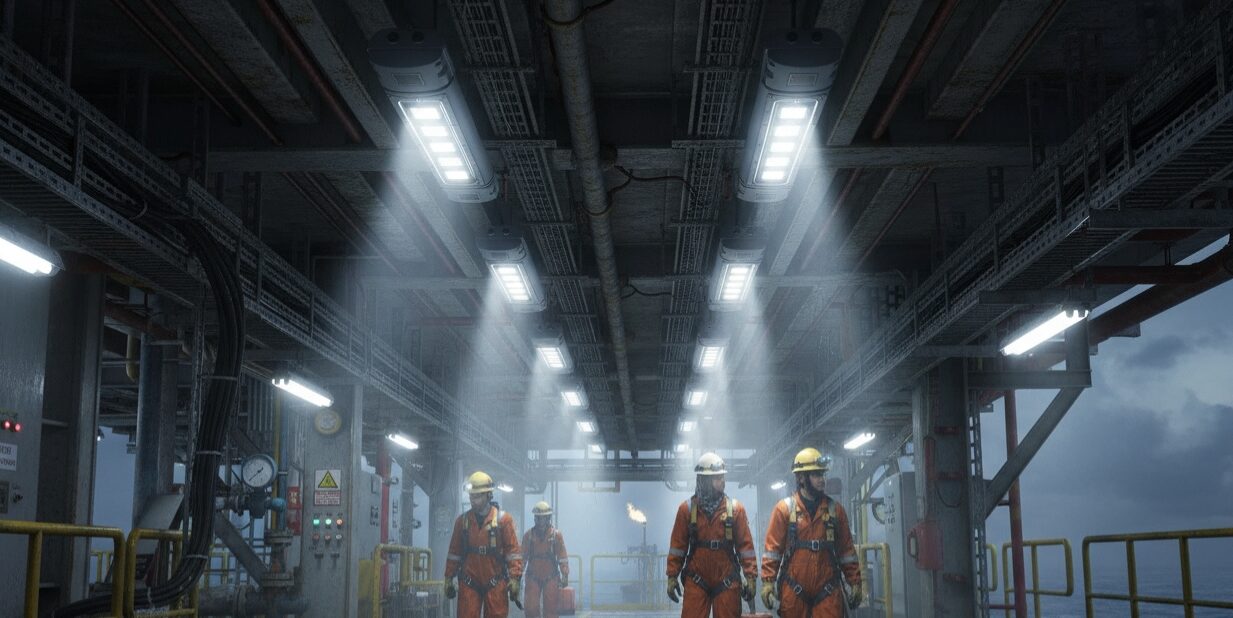
Hazardous Area Lighting Solutions from Thorne & Derrick
We supply a complete range of explosion-proof lighting and industrial LED luminaires designed for the toughest conditions:
- Temporary & Portable Lighting – Ideal for maintenance and inspection work
- Permanent Fixed Lighting – Reliable, long-life lighting for ongoing operations
- Lighting Surveys & Design – Site-specific designs that ensure compliance and performance
Key Benefits of Proper Winter Lighting
- Enhanced Safety – Prevent accidents and maintain compliance
- Improved Efficiency – Maintain operations despite limited daylight
- Energy Savings – Modern LED systems cut energy use significantly
With UK stock and next-day delivery, Thorne & Derrick ensures your site stays safe, visible, and compliant throughout the winter months.
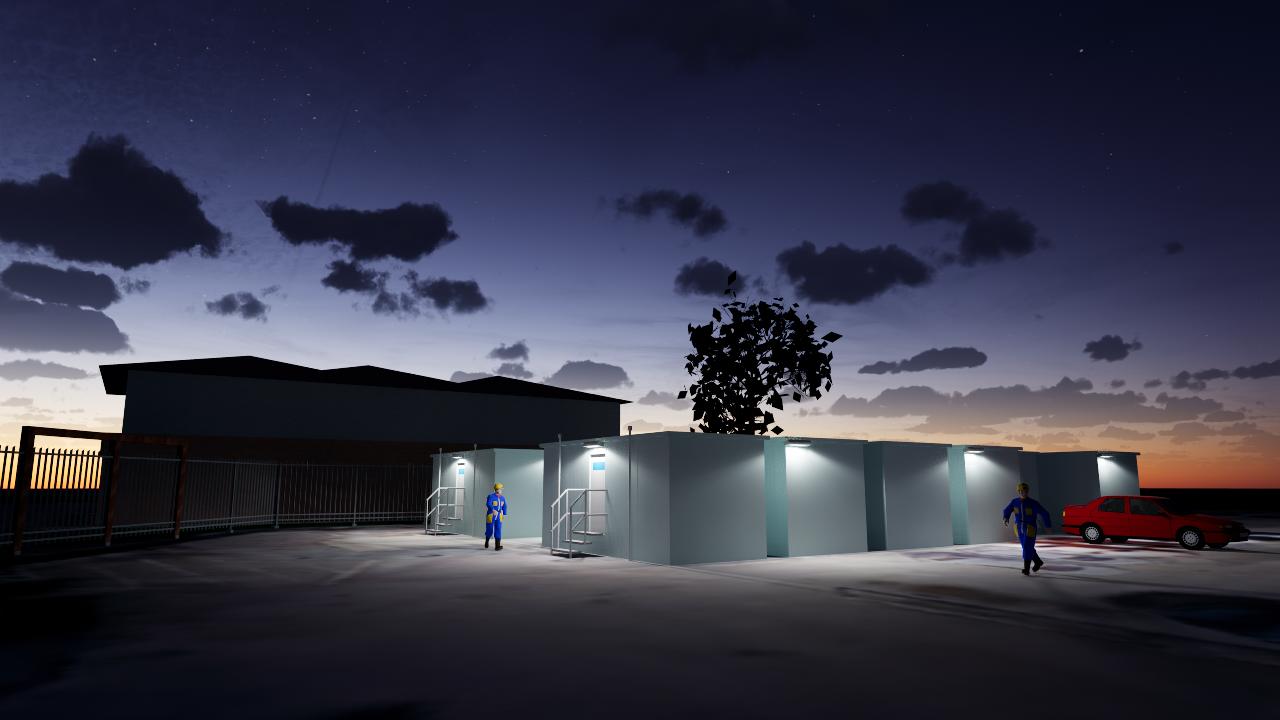
Case Study: ATEX Lighting Upgrade for Calor Gas Port Clarence
Thorne & Derrick, in collaboration with Raytec, delivered a time-critical ATEX lighting upgrade at Calor Gas’s Port Clarence facility — a hazardous gas filling site requiring robust, compliant lighting.
The outdated SON system had failed, posing operational and safety risks. A total of 122 Raytec ATEX LED luminaires — including Mid Power Bays, Linears, and Floodlights — were installed to restore visibility, reduce energy consumption, and ensure full winter readiness.
Project Highlights
- Enhanced safety and operational visibility across hazardous zones
- Significant reduction in energy use and maintenance costs
- Improved light control with minimal spill to surrounding areas
ATEX Lighting for Gas Filling Plants
Durable, energy-efficient, and IECEx/ATEX-certified lighting engineered for explosive and hazardous environments.
Enquire Now
“Raytec’s LED lighting has transformed safety and visibility within our filling facility. The new system restored full visibility, reduced light spill, and delivered measurable energy savings. Thorne & Derrick’s support from survey to installation was excellent.”
– Calor Gas
FAQ: Winter Lighting
What makes lighting suitable for hazardous areas?
ATEX, IECEx, and UKEX-certified lighting ensures electrical equipment can operate safely in explosive or flammable atmospheres.
How can I reduce energy costs while maintaining site safety?
Upgrading to high-efficiency LED lighting with precision optics reduces energy consumption and maintenance downtime.
Does Thorne & Derrick offer lighting design services?
Yes — we provide a free lighting design service to ensure your layout meets ATEX/IECEx/UKEX standards while optimising illumination, safety, and efficiency.
Winter Nights. Safer Sites.
Don’t compromise safety or productivity this winter. With Thorne & Derrick’s hazardous area lighting solutions, you can keep your workforce visible, protected, and compliant — no matter how dark it gets.