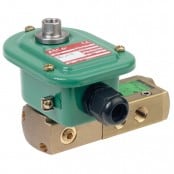
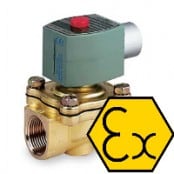
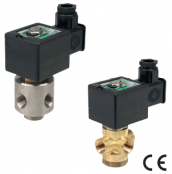
ASCO Solenoid Valves & How They Comply With ATEX – FAQS
Published 16 Dec 2016
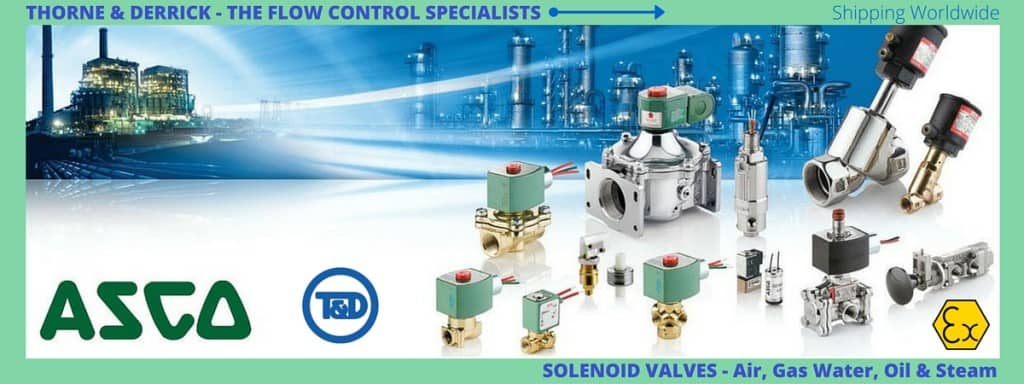
ASCO Valves
ASCO Valves
By Chris Dodds | Estimated reading time: 5 minutes
ASCO ATEX Solenoid Valves for Hazardous Areas
ASCO solenoid valves provide fluid control solutions for a wide range of industrial applications. Selected models are available with hazardous-area certifications, including ATEX and other market-specific approvals.
Choosing the right valve for a potentially explosive atmosphere requires you to check the certification, equipment marking and suitability for the intended application. Explore our range of ATEX-certified solenoid valves for hazardous areas to find out more.

Hazardous Area Classifications
Below, we answer common questions about ASCO Numatics ATEX solenoid valves, including accessories, assembly, traceability and maintenance.
Frequently Asked Questions About ATEX Solenoid Valves
Can I fit accessories to ATEX-certified valves?
Yes, but you must check that the accessories are suitable for the valve and its intended hazardous-area application. ASCO Numatics assesses the risks associated with compatible accessories. If you want to use an accessory outside the manufacturer’s approved combinations, assess its suitability on a case-by-case basis.
Can I assemble ATEX-certified valves with other equipment?
You can assemble ATEX-certified components, such as a pneumatic valve with a CNOMO interface solenoid valve, or a cylinder with an electro-pneumatic valve. However, you must check the suitability of the complete assembly before installing it in a hazardous area.
Consider the following points:
- Certification: Check the certification and documentation for each component and determine whether the assembled equipment meets the requirements for the intended application.
- Hazardous-area suitability: Confirm that the equipment’s category, protection level and temperature classification are appropriate for the classified area.
- Earthing and bonding: Check electrical continuity and provide appropriate measures to control static electricity where required.

ASCO ATEX Valves – Contact Thorne & Derrick for Advice
Can manufacturers trace ATEX-certified valves?
Manufacturers maintain product information to support traceability throughout the equipment lifecycle. The original ASCO Numatics information identifies records such as customer details, product codes, serial numbers, manufacturing dates and order numbers.
Keep the valve’s identification and supporting documentation available so you can confirm its specification and service history when required. For product-specific traceability requirements, consult the manufacturer’s current documentation.
How should I replace older valves that use previous certification methods?
Before replacing a valve on an existing installation, check its certification, condition and suitability for the hazardous-area classification. Review the equipment documentation and the installation’s risk assessment to determine whether the valve remains suitable.
If the existing valve does not meet the requirements for the application, select a suitable replacement with the correct certification and protection level. Explore ATEX solenoid valve options or contact Thorne & Derrick for help identifying suitable equipment.
Can I repair or maintain ATEX-certified valves?
You may be able to maintain or repair an ATEX-certified valve using the manufacturer’s approved spare parts and procedures. Always follow the instructions for the specific model and ensure the work does not compromise its certified protection.
Before carrying out repairs, check that:
- You follow the manufacturer’s installation, maintenance and repair instructions.
- You use the correct spare parts and approved repair procedures.
- The person carrying out the work has the necessary training and competence.
- You retain records of the repair and maintain the equipment’s traceability.
- You inspect the equipment marking and follow the manufacturer’s requirements for any repair or modification labels.
Do not return equipment to service until a competent person has confirmed that it remains suitable for its intended hazardous-area application.
ASCO Solenoid Valves for Potentially Explosive Atmospheres
ASCO manufactures fluid-control equipment for industrial applications, including solenoid valves designed for use in specified hazardous areas. The suitability of each valve depends on its exact model, certification, marking and operating conditions.

ATEX Solenoid Valves
When selecting an ATEX solenoid valve, check the requirements of the installation and confirm that the certification covers the equipment supplied. For electrically operated valves, this includes checking the solenoid coil and valve assembly against the manufacturer’s documentation.
Some electro-pneumatic configurations use a separate CNOMO solenoid pilot. In these cases, check the documentation and certification requirements for both the solenoid operator and the pneumatic valve.
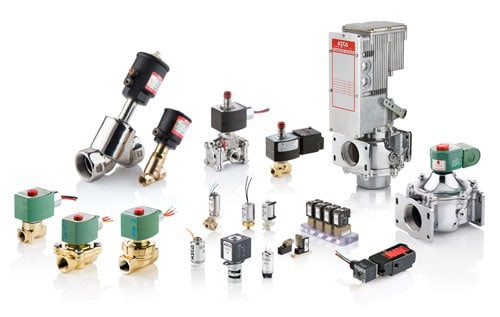
ASCO Hazardous-Area Solenoid Valves
Other equipment installed in a zoned hazardous area may also need to meet applicable requirements. Always assess each component according to its construction, intended use and the conditions in the hazardous area.
Thorne & Derrick can help you identify hazardous-area solenoid valves for your fluid-control application.
ASCO Valve Supply and Delivery
Thorne & Derrick can help source ASCO solenoid valves for industrial fluid-control applications. Availability and delivery times depend on the model and current stock position.
Ask Thorne & Derrick About ASCO Valve Availability and Delivery
Watch the video below to learn more about ASCO valve solutions.
Further Reading About ASCO Valves
- ATEX Solenoid Valves – ASCO Valves for International Hazardous-Area Installations
- ASCO Valves – How to Select and Order the Correct Valve
- Browse ASCO Valves and Manufacturer Information
Contact Thorne & Derrick About ATEX Solenoid Valves
Thorne & Derrick supplies electrical and process instrumentation equipment for potentially explosive atmospheres. We support onshore and offshore oil and gas, petrochemical and process industries, as well as infrastructure and maintenance projects.
Our team can help you identify suitable equipment for new installations, maintenance requirements and planned replacement of legacy products. Always confirm the equipment’s certification and suitability against the hazardous-area classification and the manufacturer’s documentation.
Explore related product categories:
- Hazardous-Area Control Panels
- ATEX Plugs and Sockets
- Hazardous-Area Isolators
- ATEX Enclosures and Junction Boxes
- Hazardous-Area Lighting
- ATEX Control Stations
- Explosion-Proof Motor Starters
- Heat-Tracing Cables and Systems
- Gas Detection Equipment
- Electrical Heating for Hazardous Areas
Explore process instrumentation:
- Ashcroft Pressure Gauges
- ASCO Valves
- Katronic Flow Meters
- KROHNE Flow Meters
- VEGA Level Sensors
- Rotronic Temperature and Humidity Sensors
- SIKA Digital Pressure Gauges
Join the Process & Hazardous Area Industries LinkedIn group to connect with professionals working across heat tracing, gas detection, fluid control and flow measurement.