Asset Life Extension
Many offshore assets are now reaching the end of their anticipated life expectancy. Ageing processes can affect the integrity of your assets and increase the risk of failure if not maintained correctly – which in turn can affect operational performance.
Today, ageing asset infrastructure requires expensive maintenance, repair and asset life extension programs which in turn requires compliant, efficient and cost-effective maintenance products to enable safe infrastructure repairs.
⚠️“Ageing is not about how old your equipment is; it’s about what you know about its condition, and how that’s changing over time” ⚠️
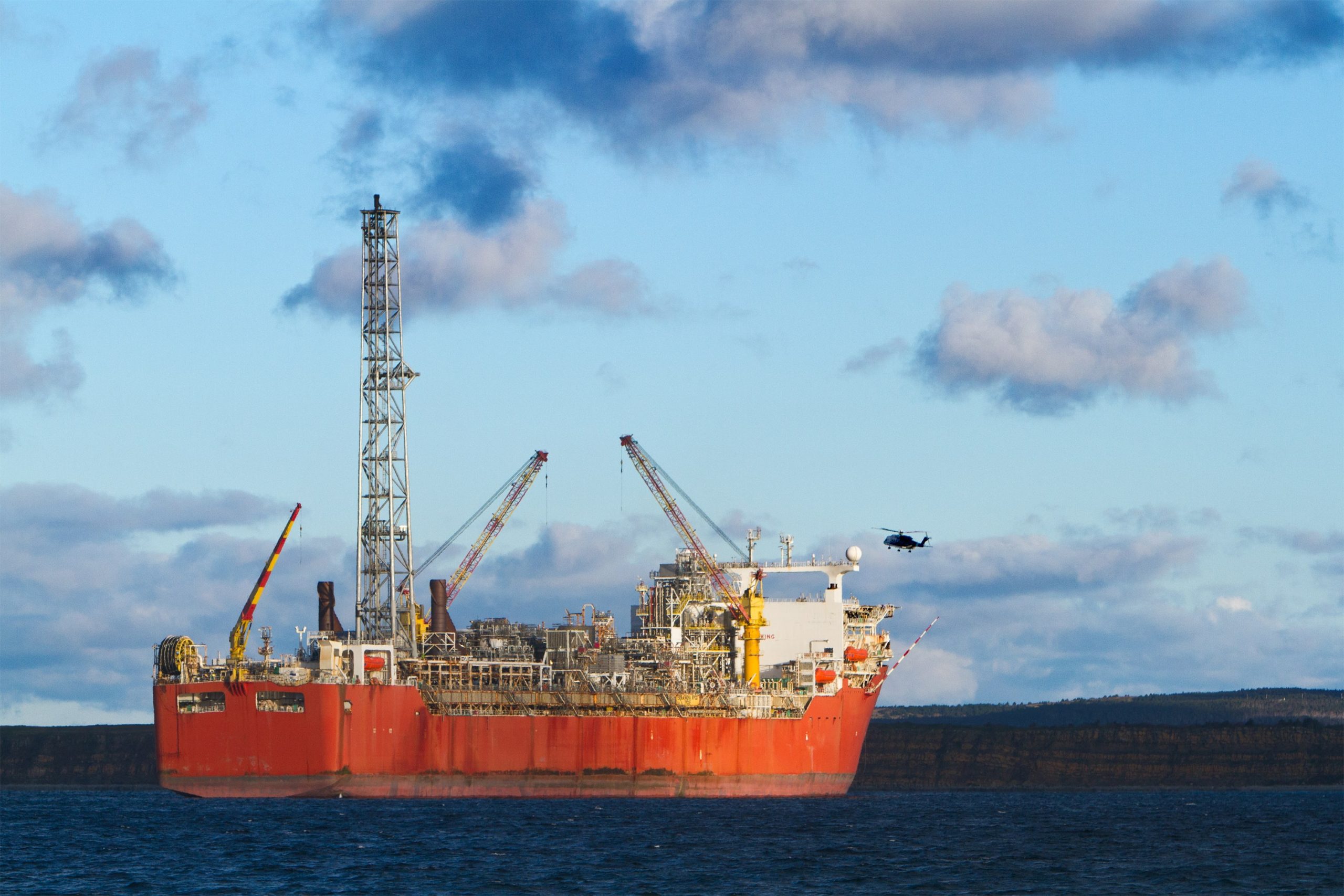
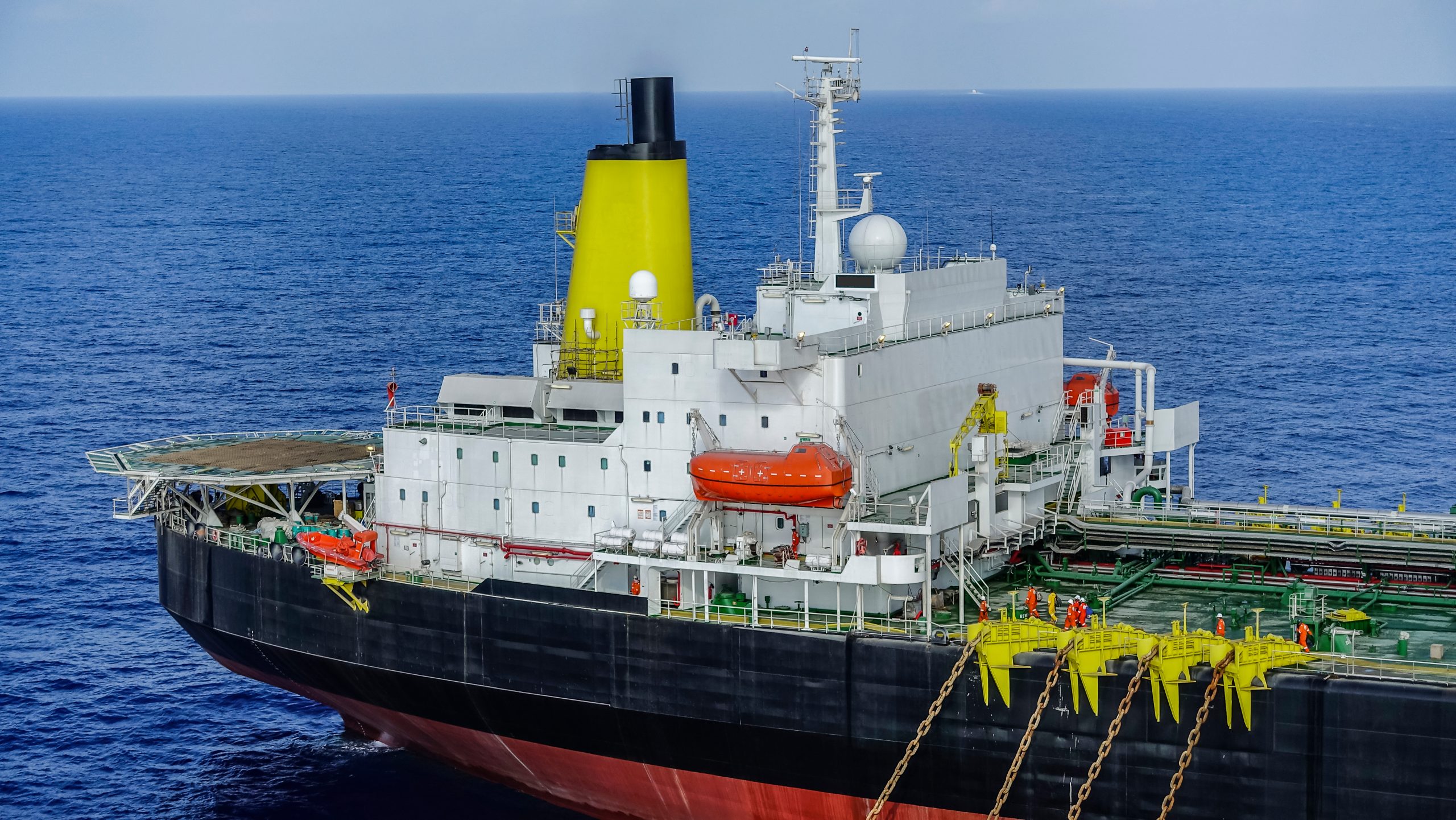
Floating Production Storage and Offloading (FPSO) units are a popular choice in today’s rejuvenated offshore industry, offering lower CAPEX, more flexibility and cheaper abandonment costs in comparison to fixed platforms. Repair work on idle or ageing FPSOs enables owners and operators to extend an asset’s lifespan as offshore oil and gas demand increases.
Several FPSO-related process safety incidents in recent years have led to calls for improved safety and action in order to prevent environmental disasters and fatalities.
Ensuring assets can operate effectively and efficiently while safeguarding life and the environment requires carefully planned and executed repairs and maintenance, particularly when dealing with ageing equipment. Plan in advance for the implementation of any future life extension programs to avoid unwanted downtime.
How Can T&D Assist?
Part of asset life extension involves the inspection and maintenance of ageing equipment.
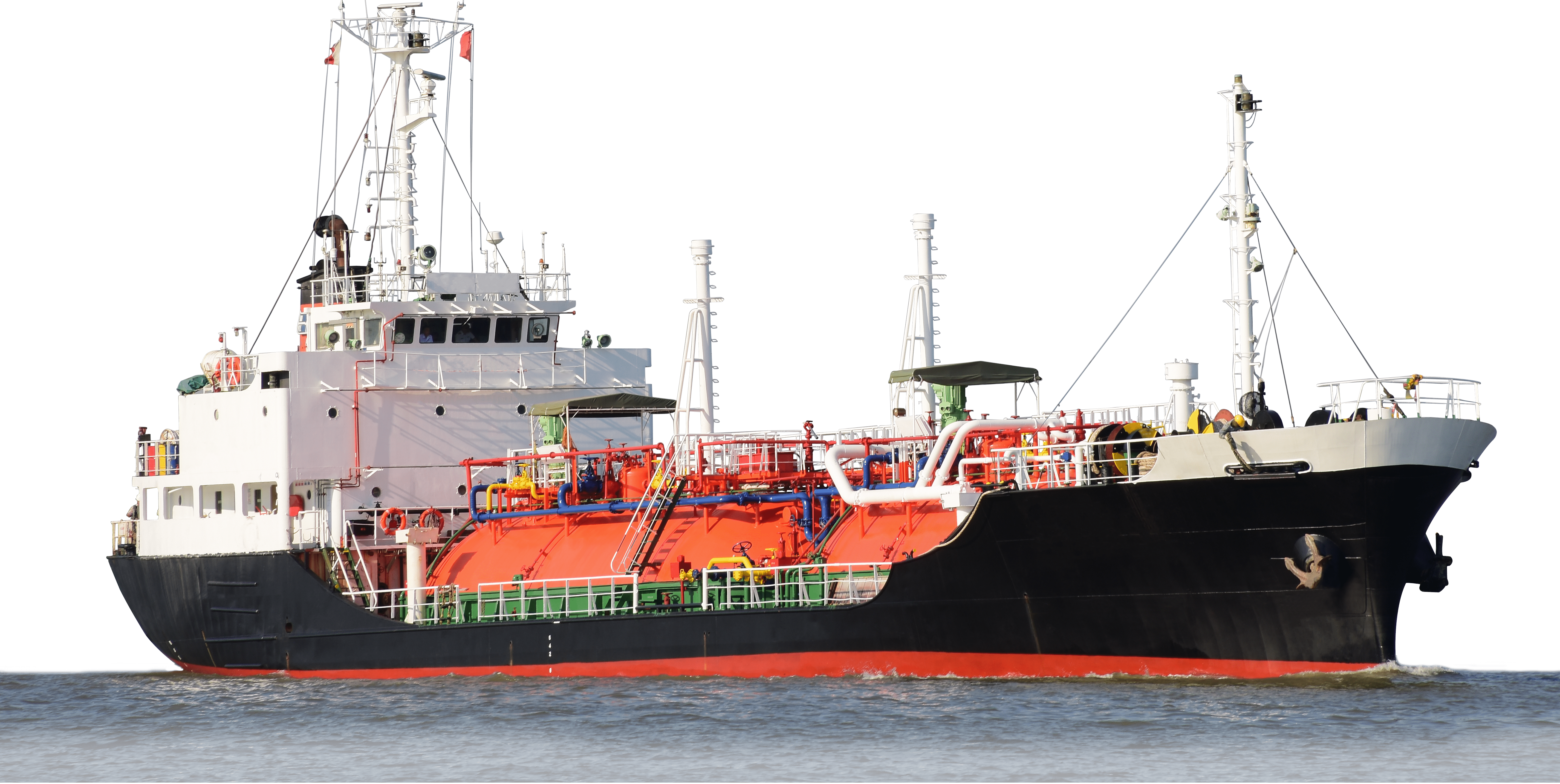
During 2022, Thorne & Derrick were employed by a major energy company to assist in the upgrade and change out of ageing and obsolete hazardous area electrical equipment on an FPSO which was being brought back into operation after many years sitting idle. The vessel had originally been built in 2000 and was due to be upgraded and put back into operation.
Contractors began inspection of hazardous area equipment and soon found failure rates far exceeded the predicted 3%. Equipment was found to be damaged beyond repair, spares were no longer available and equipment no longer complied with relevant IECEX standards.

During inspections carried out by on board contractors, it became apparent that much of the ex electrical equipment needed to be replaced to avoid future obsolescence and compliance issues. After carrying out 10,000 inspections with a predicted failure rate of 3% the true failure rate was closer to 50%!
The FPSO had been in use for more than 30 years and the aim of the owner was to prevent the vessel from being decommissioned and extend the asset life cycle to 5 years by carrying out an extensive replacement program of the ex equipment. Given the age of the FPSO it was no surprise to find that all the equipment was originally built to American UL Class/Division standards.
The integrity of the ex electrical equipment needed to be inspected to make sure it was still in working order and compliant with all the standards that FPSO had set out to achieve.
Equipment Integrity
The inspection checked the integrity of the equipment highlighting and raising the following questions:
- Is the equipment safe?
- Any signs of wear and tear?
- Is it still fit for purpose?
- Does it still work or has the integrity been compromised?
- Is it still compliant?
- Can it be futureproofed?
- Should it be replaced?
- How quickly can it be replaced?
Any equipment that failed the inspection had to be upgraded and replaced as quickly as possible to ensure the FPSO met all safety and compliance standards. It was also a race against time as the client was working to strict deadlines and needed the vessel back in to operation as quickly as possible.
Conforming with IECEx standards meant the FPSO could enter international waters in the future and still be compliant. As previously mentioned this created issues such as obsolescence as certain equipment was no longer available and did not meet current IECEX standards.
Thorne & Derrick were able to look at the current equipment and provide the client with suitable alternatives thanks to over 35 years experience in succession planning. We were able to assist the client with the replacement of obsolete, non-conformant and legacy product.
We were further able to assist and make recommendations for equipment upgrades, putting forward solutions which were suitable for the application, complaint and readily available.
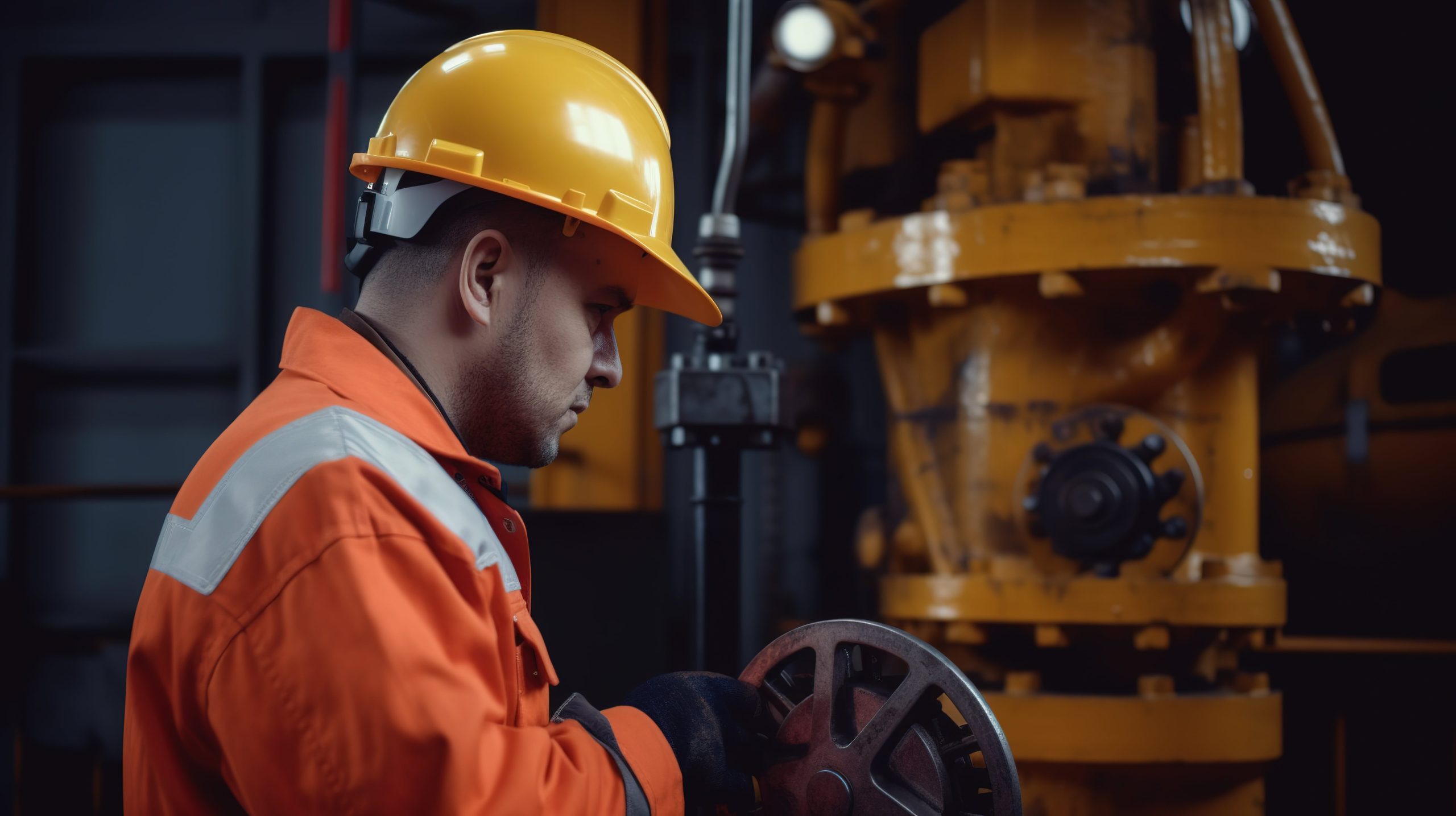
We have a robust reputation for supporting our customers with the replacement and upgrade of end-of-life hazardous area equipment to deliver significant operational safety and process improvements to their project or plant. Design services and heat loss calculations are part of Thorne & Derrick’s extensive remit.
The client’s main priority was time, Thorne & Derrick were able to source multiple IECEx certified equipment on the shortest lead times offering the fastest shipping possible, consolidating the clients supply chain.
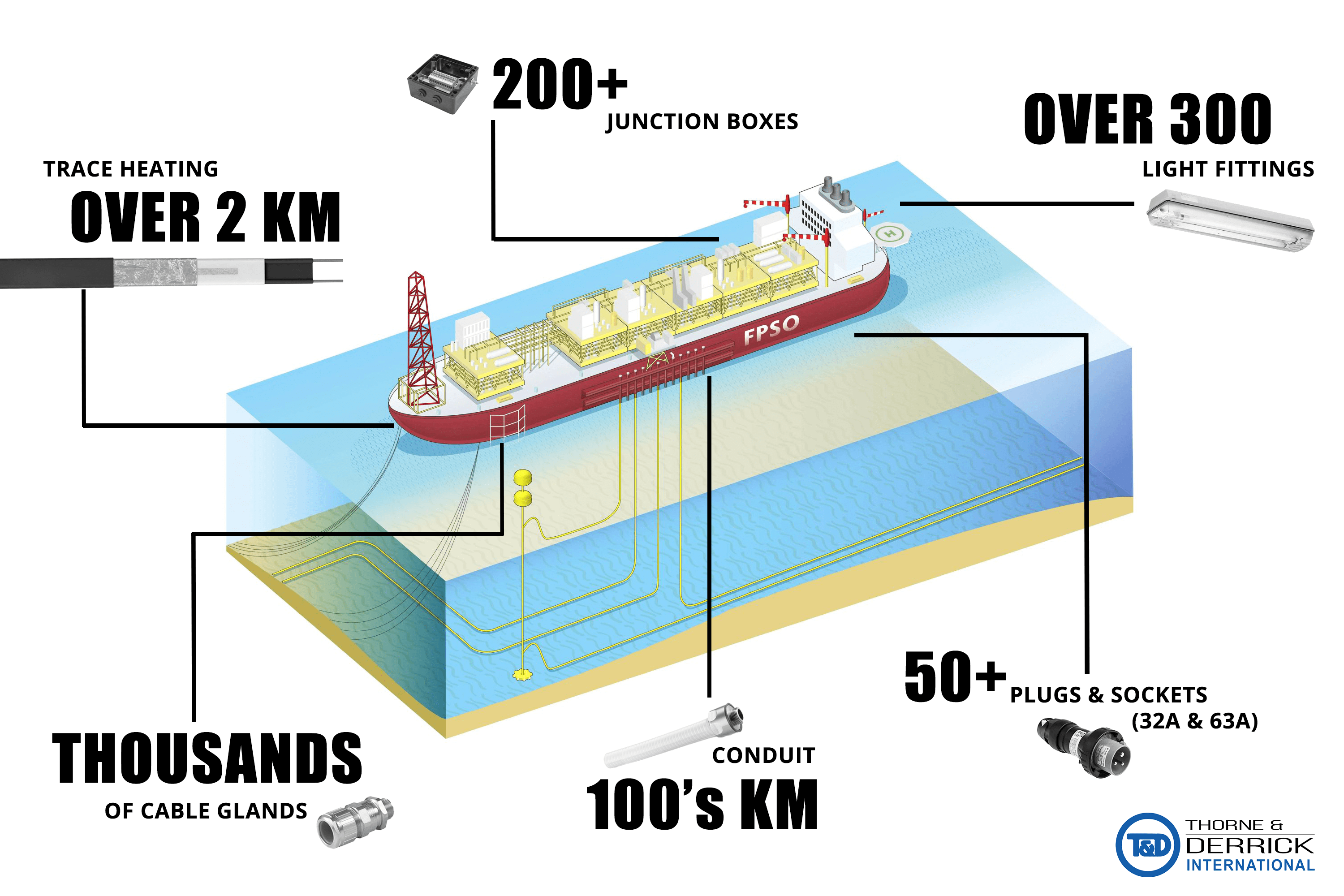
The equipment that was deemed to be unsafe, non-compliant and that had failed the hazardous area inspection included heat tracing, lighting, cable glands, plugs and sockets, junction boxes and conduit to name a few.
What is Obsolescence?
Structures, systems or components passing out of usefulness as a result of changes in knowledge, standards, technology or needs. Typically characterised by absence of necessary spares and technical support in the supply chain.
How Do You Inspect EX Equipment?
Every piece of Ex equipment has a detailed maintenance schedule set out by the manufacturer of the product. Hazardous area inspections are split into two categories. Types of inspections and Grades of inspections.
There are 2 types of Hazardous Area Inspections:
- Initial Hazardous Area Inspections
Initial inspections are required to ensure that the selected type of protection is appropriate for the hazardous area installation and apply to new installations
- Periodic Hazardous Area Inspections
Periodic inspections should be carried out as part of an inspection regime or routine and apply to existing installations. The purpose of the periodic inspection is to monitor the effects of deterioration or change. The intervals between periodic inspections should not exceed three years
There are three grades of Hazardous Area Inspections:
- Visual Hazardous Area Inspections
Visual hazardous area inspections identify without the use of access equipment or tools, those defects, such as missing bolts, which will be apparent to the eye
- Close Hazardous Area Inspections
Close hazardous area inspections encompass those aspects covered by a visual inspection, and in addition, identifies those defects, such as loose bolts, which will be apparent only by the use of access equipment, for example, steps (where necessary) and tools. Close inspections do not normally require the enclosure to be opened, or the equipment to be de-energized
- Detailed Hazardous Area Inspections
Detailed hazardous area inspections will encompass those aspects covered by a close inspection and, in addition, identify those defects, such as loose terminations, which will only be apparent by opening the enclosure and/or using where necessary, tools and test equipment. These inspections may require the enclosure to be opened, equipment to be de-energized and dismantling of cable glands where applicable, as per the BSEN60079-17/14 Electrical Installations Inspection & Maintenance Standards
Thorne & Derrick have a wealth of experience and competency in supporting clients implementing Asset Life Extension Programs understanding that harsh industrial or hazardous environments demand reliable and correctly certified equipment. We understand that safety is paramount when checking any ageing equipment for damage. Changes in the risk profile of an asset will occur as the equipment gets older.
Thorne & Derrick are approved vendors to assets owned and operated by some of the largest international Oil & Gas companies including BP, Shell, Apache and Total. Expediting goods worldwide for almost 20 years; we are experts in the administration, logistics with an extensive knowledge of export documentation and customer-service levels required to support projects wherever you are and whatever your requirements.

We stock and supply an extensive range of Hazardous Area (ATEX, IECEx UKEx) and Industrial Equipment to provide safe Lighting, Heating & Power Distribution in Zone 1/2 (Flammable Gas) and Zone 21/22 (Combustible Dust) areas from market leading manufacturer’s helping to consolidate your supply chain.
All of our Sales Engineers hold CompEx Certificates (Hazardous Awareness Course EX F) and undertake continuous learning and advanced Explosion Protection training with our supply chain to ensure their knowledge of the latest standards is regularly updated.

Asset Life Extension
Below we will look at each piece of ex equipment that was installed as part of the project in more detail and how Thorne & Derrick used their expertise to source and supply suitable replacements.
Heat Tracing
The majority of the trace heating cables that were installed on this project had become obsolete. Thorne & Derrick were able to identify that the cable was providing frost protection thanks to a heat loss calculation and a suitable alternative was swiftly sourced.
Thorne & Derrick challenge the existing heat tracing philosophy culminating in a marked reduction of requirements for trace heating and insulation on ageing offshore assets. We can help to prevent corrosion under insulation issues which in turn reduces the number of Ex inspections the asset requires saving money in the long run.
Our Team of Trained Technical Sales Engineers were available to advise and support with all the trace heating enquiries for this project. As a team we can design and supply of complex multi-kilometre, major-project systems to custom heat trace cable kits for the Winterisation of your offshore facility.
With access to all the market leading trace heating manufacturers we can help you schedule your shutdowns identifying key areas for concern and planning to completion. Working with our supply chain we can deliver the latest product innovations to replace obsolete trace heating systems on high temperature installations.
We can provide heat loss calculations and a design service to keep your plant and personnel operational all year round.
Typical needs for heat tracing on FPSO’s are deck lines for oil and chemical products. Thorne & Derrick can design trace heating systems for frost protection and temperature maintenance of:
- Loading and unloading lines
- Gas/vapour-return lines
- Strip and cleaning lines
- Fuel oil lines
- Storage tanks and vessels
- Deck and tank cleaning lines
- Fire protection lines
- Engine room fuel and drip lines

Lighting & Emergency Lighting
The types of lighting fixtures for offshore platforms can be divided into: fluorescent lamps, high pressure sodium lamps, metal halide lamps, emergency exit lamps, aircraft deck boundary lamps, windsock lamps, etc.
During offshore inspections, it has been noted that emergency lighting often fails when called upon. A failure rate of 40%+ of fittings is not unusual with typical failures relating to battery supplies. This inspection was no exception. The lighting no longer switched on or off as the lamps were no longer functioning. This again created an obsolescence issue as the lamps that fit the lighting were no longer on the market – the only viable solution was to switch to LED lighting.
Emergency light fittings had to be upgraded to ensure all escape routes were well lit, visible and safe for all workers. Such a high failure rate calls into question the operability of the system; failures could lead to personnel panicking and being unable to escape to a place of safety during an emergency, or being unable to attend to emergency tasks.
Many of the ballasts and batteries had been damaged and due to being installed in the 1990’s spare parts were also no longer available. Some of the lights were full of water so the IP rating couldn’t be maintained and therefore failed the hazardous area inspection. A saline environment (exposure to seawater spray and salt water-saturated air) presents a higher risk of corrosion so any lighting installed in an offshore location needs to withstand these aggressive conditions. Once evaporated, salt water can also leave a thin salty film on the luminaire which may interfere with the performance by reducing light intensity.
Originally the client wanted to replace the lighting with a similar fitting but this wasn’t possible. Thorne & Derrick suggested that the old fluorescent lighting should be upgraded to LED lighting as fluorescent bulbs are being phased out of use. The design service provided ensured Thorne & Derrick could offer a suitable alternative with the same footprint. The client simply had to undo the gland and cable to fit the new LED light fitting.
Other factors that can cause damage include prolonged exposure to the sun and UV rays as they can degrade GRP and cause the enclosure to become brittle over time, compromising the integrity of its IP rating. This causes maintenance issues and degrades the structural integrity of the luminaire’s enclosure. For offshore applications designated as a hazardous area, this could also provide a critical safety risk.

💡 Using the latest software, we can provide a FREE LIGHTING DESIGN SERVICE for the specification and supply of ATEX & IECEx light fittings to provide safe and reliable lighting in hazardous areas and industrial locations 💡
Junction Boxes
Many of the junction boxes on the FPSO had corroded creating a risk of electrical shock. Again salt water had penetrated the boxes so the IP rating was compromised. Once the boxes had been opened to be emptied of water they were no longer suitable for use in explosive atmospheres and needed to be replaced.
The rugged design of these junction boxes provided by Thorne & Derrick offered a high degree of safety for offshore applications where the boxes could be subject to adverse chemical, mechanical or climatic operating conditions.
Thorne & Derrick provided a variety of enclosure sizes and custom configurations with different terminal and cable gland types to suit the offshore environment. Junction boxes and terminal boxes can be manufactured from glass fibre reinforced polyester (GRP), aluminium or a high quality stainless steel. The client opted for stainless steel to ensure the safe power distribution and termination of cables in hazardous areas and potentially explosive atmospheres.
Cable Glands
During the inspection it became apparent that many of the cable glands were cracked and had been mechanically damaged. There were clear signs of fire damage that compromised the integrity of the glands. Cable glands are designed with safety in mind, so they come with an IP rating. Once this is compromised the gland needs to be replaced. Corrosion was also present due to the saline environment and the originally installed brass glands were no longer fit for purpose.
Cable glands perform a number of essential roles in cable management. Ideally the cable gland should be made of the same material as the equipment and the cable armour it is connected to. The glands needed to be able contain electrical sparks of flames as well as repelling outside contaminants such as dust, dirt and fluids found in these kind of environments. In addition to this, their job is to stop cables becoming twisted or pulled to ensure a secure connection and continual performance.
Thorne & Derrick recommended switching to stainless steel or nickel plated brass glands that were easy to install, can easily be inspected and can withstand the demands of harsh conditions.
Plugs & Sockets
The client requested a specific brand of plug and socket when the current fittings failed the inspection. Thorne & Derrick offered a wide range of 32 Amp and 63 Amp sockets that were on short lead times and could be expedited quickly.
With sealing to IP66/67, the plugs and sockets supplied provided a watertight and dust-tight connection, whilst the robust construction ensures an extended operational lifetime despite the heavy-duty operating environment and high levels of salt-water and spray. They also provided electrical energy reliability and power connectivity to harsh and hazardous locations with high safety standards for secure performance in aggressive and explosive atmospheres.
Conduit
Similarly all conduit failed the inspection and needed to be replaced with an IECEx certified equivalent. Thorne & Derrick sourced stainless steel flexible conduit systems that protect power, control, signal, instrumentation and communication ship wiring applications.
The stainless steel liquid tight conduit is designed to perform in extremes of weather, and to be resistant to adverse elements such as humidity, oil, acid, mud and salt water, as are prevalent in most marine and offshore operational environments.
Cables
Cable ageing is dependent upon the type of cable (e.g. whether or not it is armoured), the type of insulation (e.g. some types of insulation degrade more rapidly when exposed to sunlight), the potential for mechanical or thermal damage, and humidity.
Well-specified cabling can survive for twenty years or more outdoors and for thirty years or more indoors. One reference source suggests 60 years as the accepted economic life for cables. This benchmark value is of course dependent on many factors, such as environmental factors and physical damage. Appropriate reviews should be carried out periodically.
Cable damage is common offshore due to the extreme mechanical conditions caused by vibration, shock and movement on oil and gas platforms. Overtime, EPR type rubber cable sheaths are degraded and complete cable change-out can be cost prohibitive or actually impossible.
Thorne & Derrick have the solution to ensure your assets stay operational. 3M LVI cable joints provide an excellent cable repair or full cable joint to damaged offshore cables preventing possible downtime caused by cable failure due to salt sea atmospheres reacting with cable braiding and conductors and causing a short circuit.
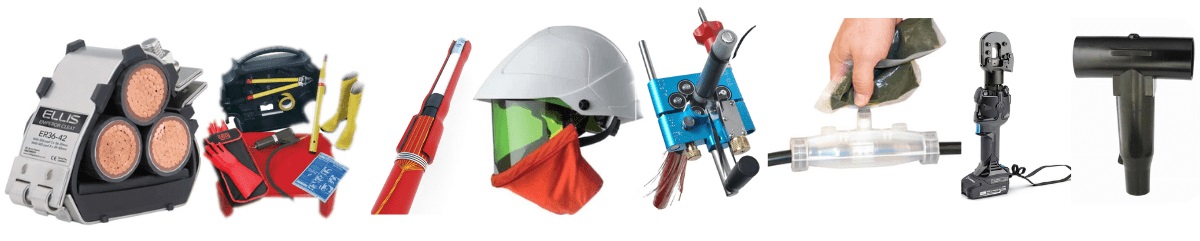
See Products Supplied on Asset Life Extension Project


Ex Lighting for the Hydrogen Industry
Hazardous Area Lighting | Raytec Case Study
Renewable energy, including technologies such as wind and solar, is an obvious solution for a clean energy future. However, with the sun setting daily and days where there is little to no wind, we need clean fuel to fill in those energy gaps. As energy demand continues to rise, the increased need to store energy is a necessity to keep up with increasing demand.
Battery technology has seen huge advances in recent years, and there is also increasing demand for hydrogen fuel. The utilisation of hydrogen emits only water vapour and warm air and offers many other benefits over other clean fuels. However, the process of producing and storing hydrogen gas is high-risk and precautions must be taken to ensure that any environment where hydrogen is present is safe.
RAYTEC SPARTAN
Thorne & Derrick are the leading supplier of ATEX Lighting for safe and reliable lighting of hazardous areas and locations – this includes Lighting for hazardous areas certified by the ATEX Directive for use in Zone 1 and Zone 2 potentially explosive atmospheres in both onshore and offshore locations.
Hydrogen | The Risks

Figure 1 – Ignition energy of Hydrogen vs other fuels
Hydrogen is an odourless, colourless, and extremely reactive gas. Hydrogen has a very light molecular weight that is 14 times lighter than air. It’s also prone to leakage. Even a small leak of hydrogen can cause it to collect in upper areas of confined spaces, creating a potentially explosive mixture. The gas cloud will continue to increase in size until it finds an ignition source.
Hydrogen also has a very low ignition energy threshold, which is evident when comparing the minimum ignition energy compared to other common fuels (see figure 1).
When ignited, it burns with a pale blue flame that is near invisible to the human eye and burns extremely hot and quickly creating an explosion. For this reason, hydrogen production is classed as an extremely hazardous process, and material precautions need to be taken at every point across the value chain.
The Importance of Ex Certification for Lighting
Throughout the value chain, specific Ex requirements are enforced where electrical equipment is being used in applications where hydrogen is (or could be) present. As part of the ATEX directive, all gases that present a risk of explosion are categorised into different ‘gas groups’, based on their level of risk. As one of the most volatile gases with the greatest risk of ignition, hydrogen is classified in the gas group which requires the highest level of protection;
- Group IIA: Atmospheres containing propane, or gases and vapours of equivalent hazard
- Group IIB: Atmospheres containing ethylene, or gases and vapours of equivalent hazard
- Group IIC: Atmospheres containing acetylene or hydrogen, or gases and vapours of equivalent hazard
Gas group IIC represents the highest-risk gases, meaning that substances in this group can be ignited very easily. A luminaire must be certified to gas group IIC when being installed in areas where hydrogen is present.
Luminaires may also be certified to gas group IIB + Hydrogen (or IIB + H2). This is more common on luminaires which are certified using the ‘Ex d’ protection method and use flame paths to prevent the spread of a flame. The IIB + Hydrogen gas group covers all gases within the IIB gas group, with the addition of Hydrogen.
At Raytec, all the SPARTAN hazardous area products are certified to be used in environments where hydrogen is present, with the majority classified to gas group IIC.
Zone Classification
Aside from gas groups, specifiers must also consider other elements of how a luminaire has been certified to ensure it’s suitable for their application.
Every application is different. As with other gases and dusts, ventilation plays an important role in determining the zone classification required when hydrogen is present. Designing a site with sufficient air movement is important to dilute any hydrogen that may be released. A proper assessment must be carried out to determine the zone classification required for your application in order to ensure on-site safety.
Raytec offers a range of luminaires certified for Zone 1/21 and Zone 2/22 luminaires as part of the SPARTAN range of hazardous area LED lighting.
Supply Chain – Combating the Risk with Ex Certification
With an understanding of the risks, we’ll now consider this in the context of the value chain and how it affects the stages in which hydrogen is produced, stored, transported and eventually utilised.
1. PRODUCTION
Hydrogen is the most abundant chemical substance in the world, but to produce it, it must be separated from the other elements in the molecules in which it exists.
While the utilisation of hydrogen may emit nothing but water vapour and air, today it is still produced in large quantities using fossil fuels and nuclear energy. However, in the drive for net zero, there is increasing demand for ‘green hydrogen’ produced from renewable energy such as biomass, solar, geothermal, and wind.
Electrolysis is one of the most common and environmentally friendly methods of hydrogen production and involves using electricity to create chemical reactions, most commonly with water. This is sustainable and is the most popular way to produce green hydrogen on the basis that renewable energy (such as wind and solar) is used as the input, meaning no greenhouse emissions throughout the supply chain.
Why is Ex Lighting Needed During Production?
No matter the production method of hydrogen, the production facilities carry a risk of explosion if the site is not using correctly certified electrical equipment. When producing hydrogen through electrolysis, the components used within the process operate at extremely high pressures and incorporate multiple connections that can be prone to leaks. If leakage does occur, the hydrogen will enter the atmosphere presenting an explosion risk.
These areas are likely to be designated as a Zone 1 or Zone 2 hazardous area and will require suitable Ex rated lighting to be installed in these areas. Any non-hazardous rated equipment must be isolated from hydrogen production areas to reduce the risk of an explosion.

2. DISTRIBUTION AND STORAGE
With some countries producing hydrogen in greater quantity than required for their own use, there is a need to import and export the gas, meaning that infrastructures safe for transporting hydrogen need to be in place.
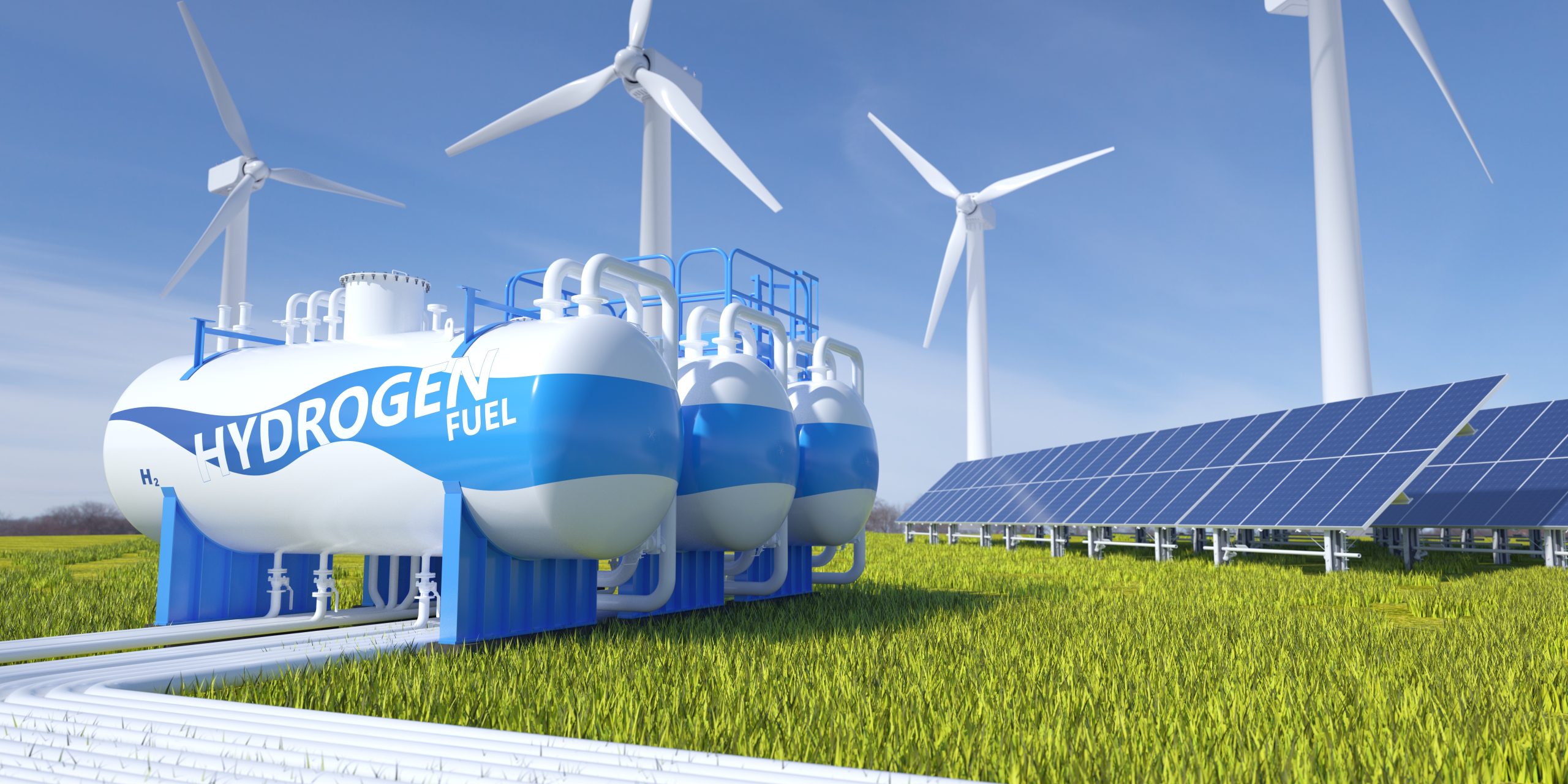
One of the many advantages of hydrogen as an energy source is that it can also be physically stored as either a gas or a liquid. Storage of hydrogen generally requires the use of high-pressure tanks.
Much like other fuels, hydrogen can be transported in several different ways. For longer journeys, it can be transported by sea in gas tankers, by land in pressure cylinders in smaller amounts, or by pipelines.
Why is Ex Lighting Needed During Distribution?
Let’s use an example of a vessel transporting compressed hydrogen. When transporting hydrogen by sea, thousands of tonnes of hydrogen are being conveyed, with the bulk of the hydrogen storage being at the bottom of the vessel in compressed tanks.
These confined areas that store the hydrogen tanks are high-risk zones and a potentially explosive atmosphere that require hazardous area protection.
It is extremely important that any electrical equipment, such as lighting, is certified to the appropriate standards. Hazardous area LED lighting also plays an important role in the on-site safety of the vessel. The appropriate lighting levels need to be achieved to maintain flexibility, functionality, and safety on-site.
3. UTILISATION
There are many ways in which hydrogen is utilised at the end of the value chain. Transportation and the development of hydrogen-powered vehicles (using a hydrogen fuel cell) is
one of the most well-known uses. Because hydrogen can be physically stored, hydrogen-powered vehicles are becoming increasingly popular due to the fact they can be refilled in minutes, more akin to conventional petrol and diesel cars, helping to overcome some of the limitations of battery-powered electric vehicles.
Away from the automotive industry, hydrogen also has an important role in agriculture and the future of sustainable farming. Hydrogen fuel cells are deemed a far more viable alternative for powering heavy machinery than electrified alternatives due to the cost and range of batteries for this sector.
In addition to this, hydrogen can also be used as an alternative to natural gas for heating our homes or to be used in power stations to produce electricity.
Why is Ex Lighting Needed During Production?
Hazardous area equipment is required in many cases where hydrogen is utilised. While consumers using hydrogen-powered vehicles, or those using hydrogen to heat their homes, are unlikely to have to concern themselves too deeply about the risks, manufacturers of these systems must give careful consideration to safety and ensure the correct components are used, including lighting.
Raytec products were recently deployed on the world’s first hydrogen-powered passenger ferry, which required the use of ATEX approved lighting. SPARTAN Bulkhead and SPARTAN Flood luminaires were installed in the vessel’s hydrogen storage room and deck areas.
Why Raytec?
Raytec has many years of experience in supplying products to areas where hydrogen is present. From hydrogen manufacturing plants to their hazardous area LED luminaires being deployed on the world’s first commercial hydrogen-powered passenger ferry, we develop and implement innovative, intelligent lighting solutions for all hydrogen applications.

Raytec SPARTAN Hazardous Area LED luminaires have been deployed on the world’s first commercial hydrogen fuel cell passenger ferry – READ MORE HERE
Why Raytec products are suitable for applications where hydrogen is present;
- Raytec’s SPARTAN range of hazardous area LED luminaires are rated to gas group IIC (or gas Group IIB + H2) – meaning they are suitable for installation in areas where hydrogen is present
- SPARTAN luminaries are globally certified including Zone 1, Zone 2, and CID2
- The SPARTAN range consists of a number of different luminaries, including Linear, Flood, Bay and Bulkhead options, all with a choice of emergency battery backup, different output, beam angles and other variants which can be tailored to your application
- All SPARTAN luminaires are designed with maintenance in mind and offer Raytec’s unique modular design where key components such as the PSU modules are easily accessible for straightforward maintenance and inspection

SPE Offshore Europe
Visit Stand 1G40, HALL 1, 5th-8th September 2023
P&J Live, Aberdeen Scotland
Thorne & Derrick International are delighted to be exhibiting at SPE Offshore Europe in September this year. T&D are at the heart of our planets Energy Transition.
We are excited to announce that we will be doing LIVE DEMOS of our temporary fan heater and portable ventilation fan at Offshore Europe in September, so you can see the heater and fan in action in the flesh!
The transition to a sustainable energy future depends on our industry. SPE Offshore Europe helps the offshore energy value chain to accelerate the transition to a better energy future by uniting the power of expertise, knowledge and innovative technology to drive progress.
OE is a platform for collaboration, progress and results, designed by the industry for the industry, both with its year-round digital content and at its hub in Aberdeen. This is the meeting point for a community with a common purpose, expressed in the show’s strong spirit of engagement and teamwork.

The live demonstration will show all the capabilities of the tri-certified fan for safe ventilation of hazardous workplaces and potentially explosive areas. Book your time slot today

The live demonstration will show all the capabilities of the ATEX certified temporary heating solution for use in hazardous areas. Book your time slot today
FREE VISITOR REGISTRATION
“Accelerating the transition to a better energy future”
Established in 1985, T&D are Experts & Innovators of Equipment for Explosive Atmospheres to deliver technical solutions that improve safety, compliance and cost-efficiency. Specialist Distributors of LV HV Electrical Cables, Accessories & Power Distribution Products to UK and international oil/gas and renewable energy projects
We are based in North-East England, recognised as a key strategic location to service the offshore renewables energy market in the UK, from the North Sea to the Nordics – our Exports Division support international offshore wind power projects from USA to China.
We will be exhibiting Low & High Voltage Electrical Power, Heating, Ventilation, Lighting, Safety & Security Products to improve asset reliability, efficiency and safety while assisting energy transition.
We look forward to a successful event and meeting up with other Exhibitors, Customers, Suppliers and Stakeholders.
Below is a snapshot of brands that we will represent at Offshore Europe.
Specialist Distributors to the UK and international Offshore Wind & Renewable industry to provide safe and reliable LV HV Electrical Cable & Power Distribution Systems up to 66kV – we are highly customer responsive and absolutely committed to providing a world-class service.
Understanding client demands is key to our business strategy as is our commitment to providing fit for purpose, independent technical proposals that fulfil customer specifications. We also strive to bring product innovation to our clients to help develop safer, reliable and cost efficient working procedures.

Thorne & Derrick Supports The Allotment Project 🌳💐.
The Allotment Project was founded in September 2020 during the pandemic. The managing director Henry Solomon Walker from Waterhouses, taught young children in the past.
He has a vision and passion to help and support the people of Deerness Valley by teaching them how to survive from nothing. Deerness Valley is a highly deprived area and he has put his heart and soul into the project.
He set up the Allotment project using his own land and money and any resources he could lay his hands on locally. With the support of the local Waterhouses Community Centre they advertised the project and began to welcome children between the age of 4 and 16 to become involved in preparing the land to grow food.
The land has no running water, electricity or sewage outlet, but by using car batteries to provide power, manually transporting water to a tank, and fitting a chemical toilet the young children of the Valley began to learn new skills and develop a new knowledge of the importance of sustainability and resilience.
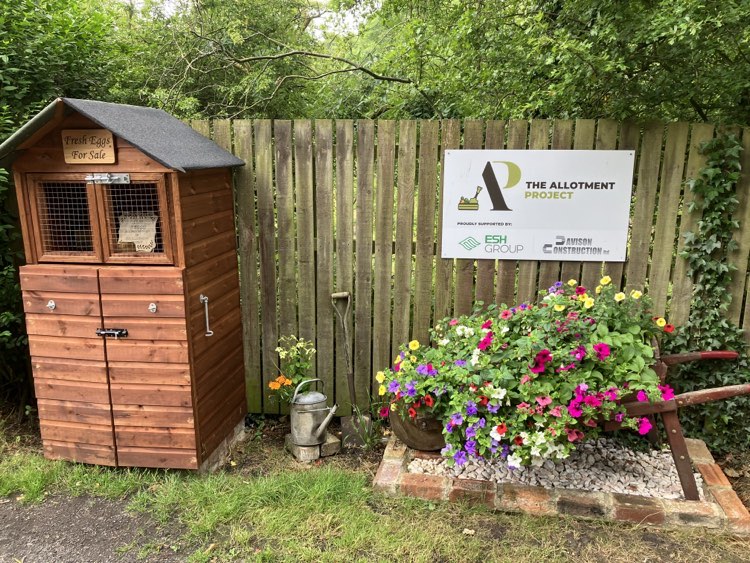
To date just 33 months later, The Allotment Project has grown hugely and the land has been brought back to life. Fresh produce and eggs are grown, cooked and eaten or sold locally.
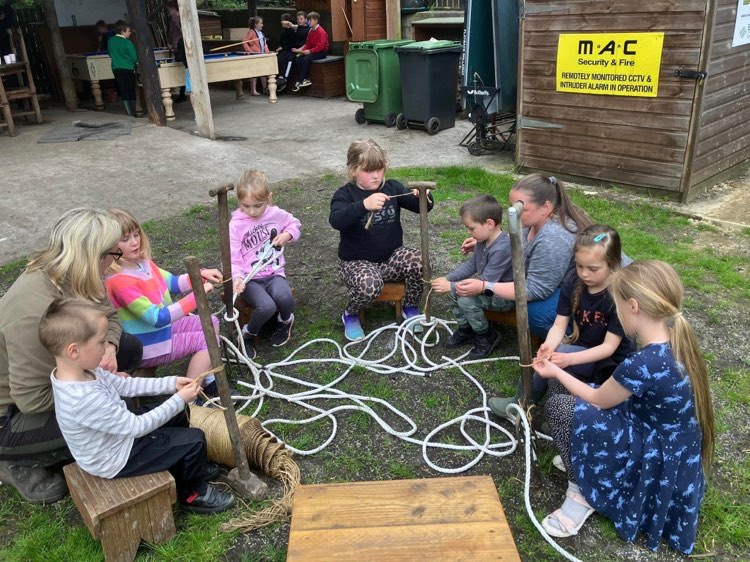
Young people play table tennis and pool, ride bikes, build tables, chairs, sheds etc, and complete a variety of other crafting projects as well as caring for animals. This week they have been learning basic skills such as tying knots in a fun way so that they can then enjoy tying their shoe laces.
They plant seeds, grow the vegetables, and then prepare and cook them on outdoor stoves. The food is then enjoyed and taken home to share with their families. The team involved are all caring dedicated and passionate individuals with a desire to improve the lives of young people.
The Allotment project is a non- profit making community interest company (CIC) We have long term plans to connect water electricity and sewage outlet to the land so that initially we can provide a flushable toilet and utility room and then eventually a building that can be utilised during increment weather.
Please enjoy the photographs of the children enjoying the activities at the project. These have been taken recently during either a youth club session or during the school holiday activity session.



Thorne & Derrick support Darlington Menshed, a community group based in the North East of England.
The Darlington Menshed meets weekly to do interesting stuff, meet new mates and have a laugh.
A little word from Ron.
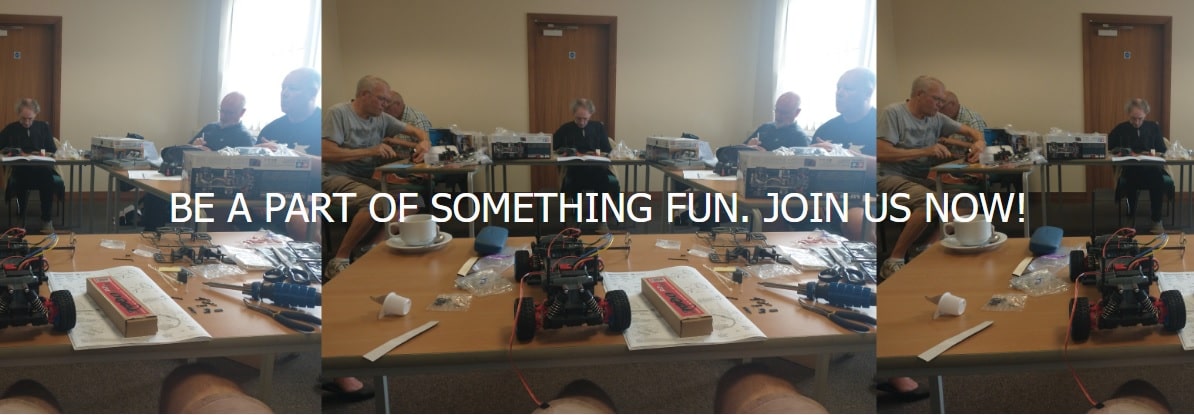
“We have a small but growing membership and are always happy to see new faces! Events include regulars like model kit building, coffee mornings, snooker etc, plus many other activities.
To join, drop us a line and then just turn up at any of our events! We are a friendly bunch and look forward to meeting you.

We have grown as a group from 6 members in November 22 to around 25 now with sessions running on three days a week namely, Tuesday, Wednesday and Friday 10:00 – 12:00.
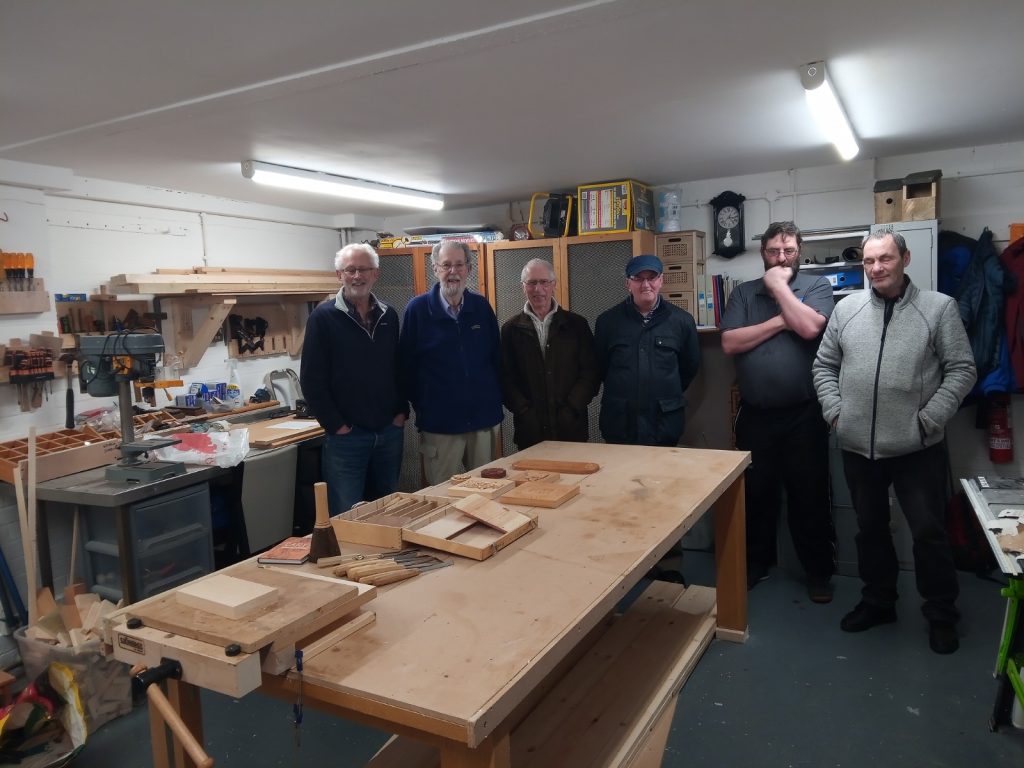
In the woodwork shop at the Kings Centre in Whessoe Road we make the children’s beds, bird boxes, planters and ornamental garden furniture and we also repair and restore donated furniture for the Kings Furniture Centre.
We have a bring your own project session at the Morrisons Trust centre at Morton Park Darlington on Tuesdays 12:00 – 14:00 and Lego/Meccano kit building at Kings Centre on Friday 1200 – 1400. These sessions also attract members who just want a coffee, a chat and some companionship.
This year we are trying to extend the activities to include walking/hiking and basic cookery, these are in the preliminary planning stages.
Most of the guys enjoy attending though we don’t see them every week as there is no obligation to attend we just keep them informed of activities as they arise.”
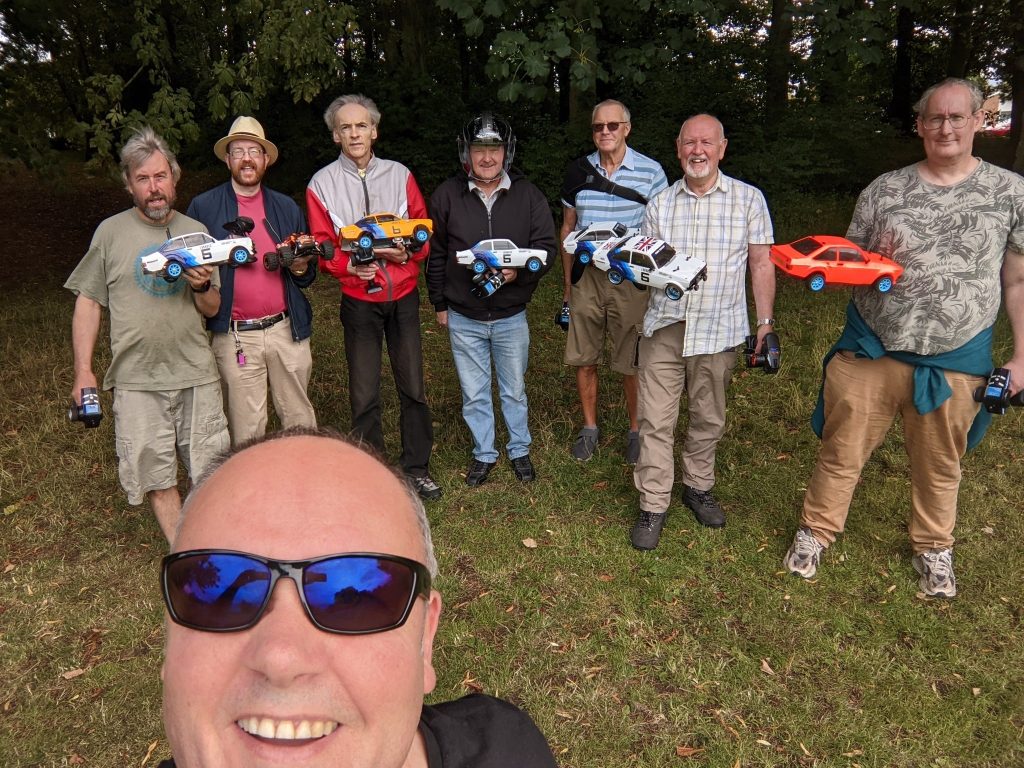
Great fun racing the cars we built