Peli Lighting designs and manufactures ATEX-certified, intrinsically safe torches, head torches and portable lights for explosive atmospheres. From compact inspection lights to hands-free headlamps, Peli products deliver reliable performance for oil & gas, petrochemical, offshore, utilities and emergency response applications.
What Is an Intrinsically Safe Torch?
An intrinsically safe torch is a portable lighting device designed so it cannot release enough electrical or thermal energy to ignite explosive gases, vapours, or dust. This makes it safe for use in hazardous areas where there is a high risk of explosion.
Unlike standard torches, intrinsically safe models are tested to strict international standards such as ATEX (European Union directive for explosive atmospheres) and IECEx (global certification scheme).
Peli ATEX Product Categories
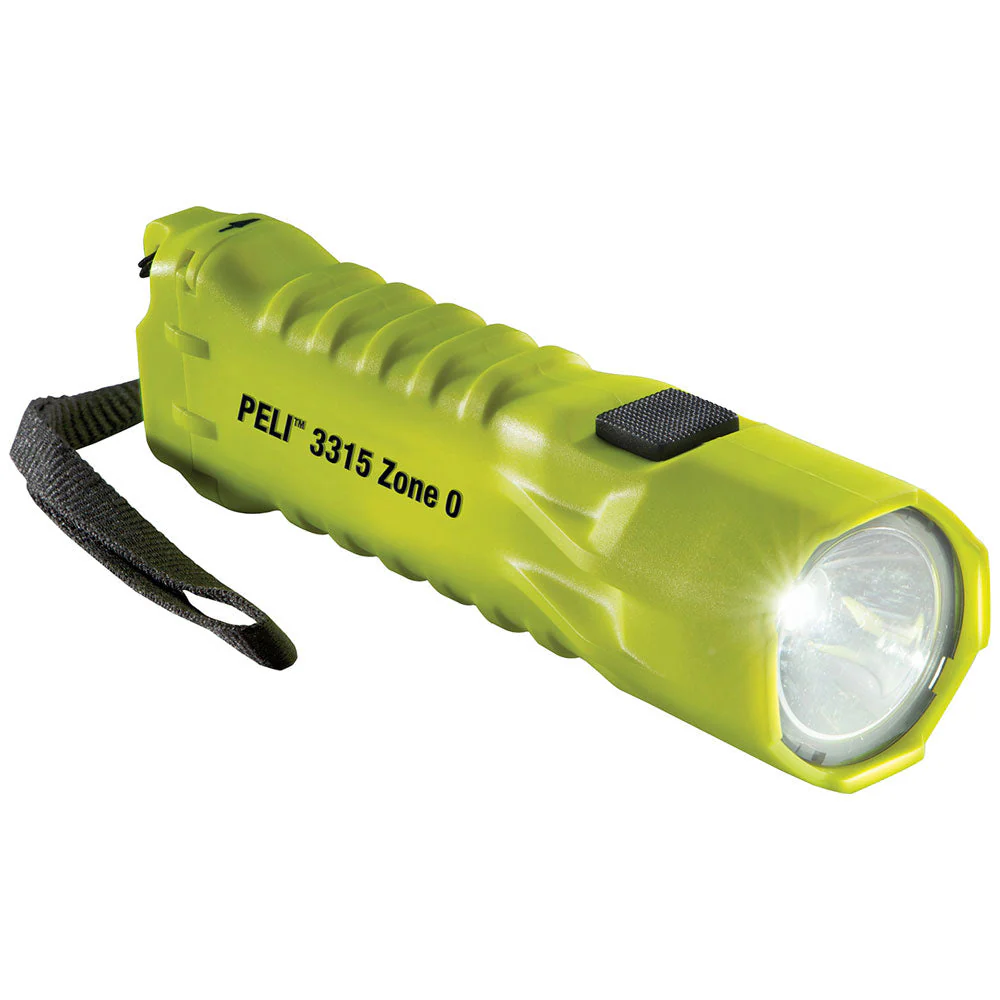
Intrinsically Safe Torches: Compact handheld torches for inspection, maintenance, and confined spaces. Alkaline and rechargeable options, with pocket clip and helmet adapter accessories.
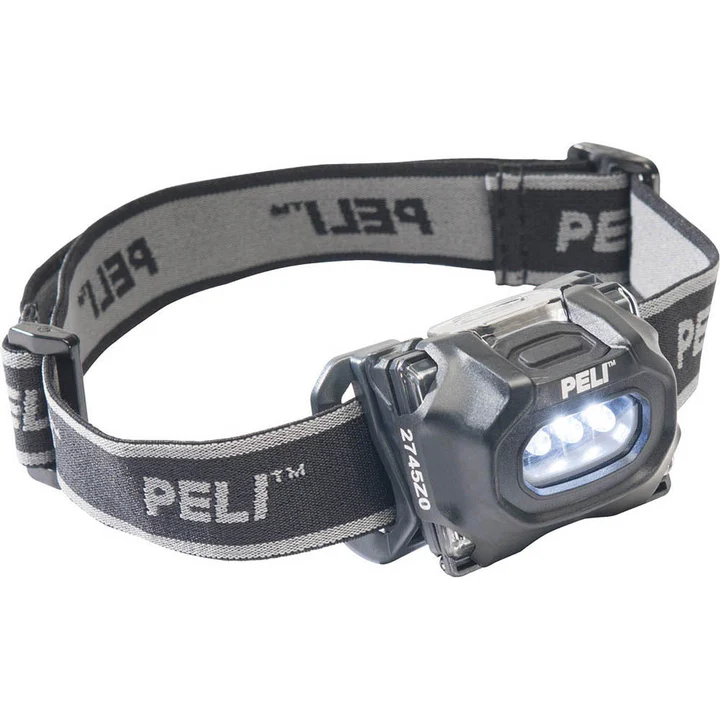
Intrinsically Safe Head Torches: Hands-free ATEX head torch solutions for safer working at height and in tight spaces. Features tilt adjustment, helmet mounting, long runtime, and glove-friendly switches.
Rechargeable ATEX Lights: Sustainable, cost-effective lighting with docking chargers and extended runtimes. Includes battery status indicators, vehicle/workshop charging, and replaceable battery packs.
Applications & Industries
- Oil & Gas – offshore platforms, refineries, pipelines
- Petrochemical – process areas, tank farms, maintenance
- Utilities & Power – switchgear rooms, substations, confined spaces
- Mining & Tunnelling – explosive dust environments
- Emergency Response – incident lighting in hazardous atmospheres
Why Choose Peli ATEX & Intrinsically Safe Lighting?
- ATEX & IECEx certified for use in Zones 0/1/2 hazardous areas
- Intrinsically safe – engineered to prevent ignition sources
- Rugged & waterproof – impact-resistant with IP54–IP68 ratings
- High output, long runtime – energy-efficient LED technology
- Hands-free options – ATEX head torches and helmet-mounted lights
- Trusted worldwide – proven onshore and offshore performance
Safety & Compliance
Peli intrinsically safe torches are rigorously tested and certified to meet ATEX safety standards, ensuring they can be used in hazardous areas where flammable gases, vapours, or dust may be present.
Zones denote the areas in which a torch is safe to operate:
-
Zone 0 torches are safe to use in environments where an explosive atmosphere of gas, vapour, or mist is continuously present, such as inside a subterranean petrol tank.
-
Zone 1 torches are designed for areas where an explosive gas atmosphere is likely to occur during normal operation, such as around a petrol pump.
These classifications help ensure workers choose the right lighting for the level of risk in their working environment.
Why Buy from Thorne & Derrick?
- Official Peli Lighting Distributor – authentic products with full manufacturer warranty
- Expert Technical Support – advice on ATEX compliance and correct product selection
- Fast UK & International Delivery – ensuring your site stays operational
- Competitive Pricing – value without compromising safety or quality
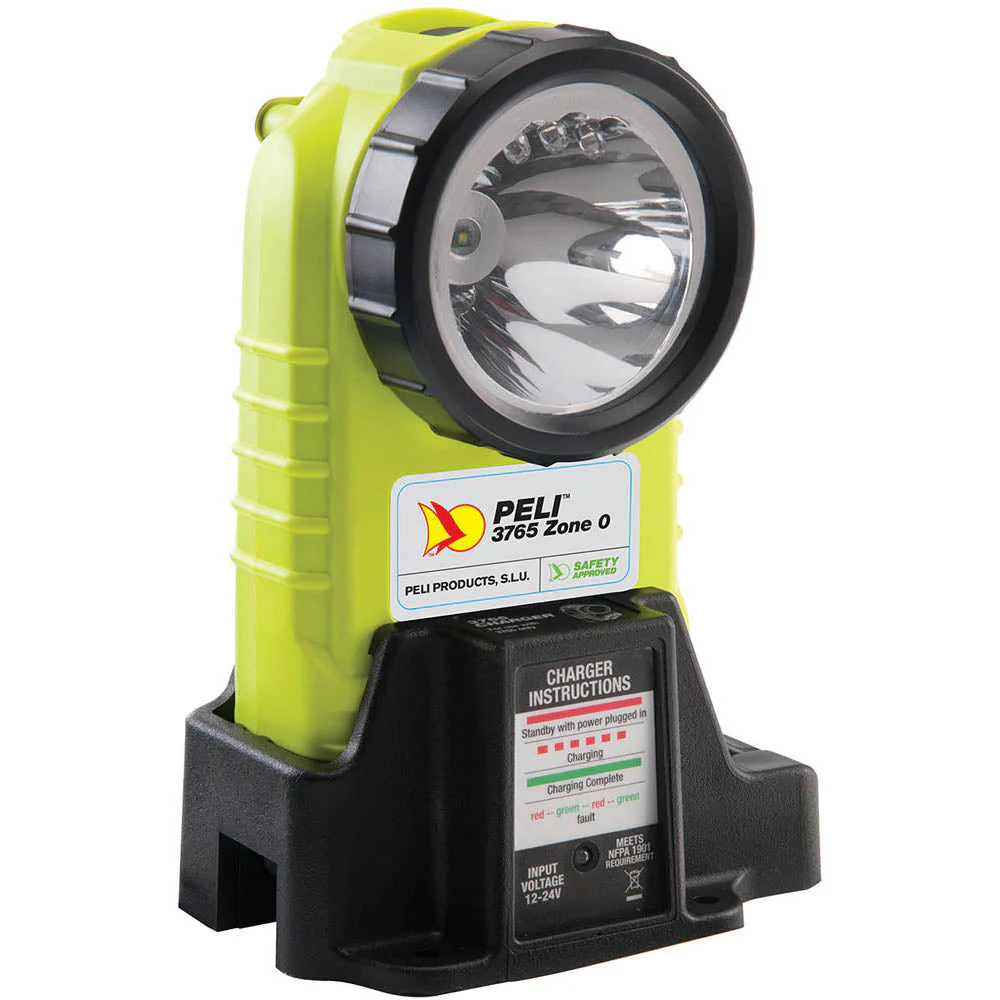
Peli 3765 LED Zone 0 Torch
Features: Rechargeable right-angle torch with multiple beam modes
Zone Rating: ATEX Zone 0 certified
Approvals: II 1G Ex ia op is IIC T3 Ga
Light Output: High, low, downcast, and flashing modes
Length: 136 mm
Weight: 410 g
Battery: 4 x NiMH (included)
Applications: Industrial safety, offshore platforms, emergency services
Intrinsically Safe Torches – Frequently Asked Questions
Q1: What does ATEX mean for torches and head torches?
A1: ATEX certification confirms equipment is safe for explosive atmospheres in the EU. Peli ATEX lights are tested so they won’t ignite gases, vapours, or dusts when used as directed. |
Q2: What is the difference between ATEX and intrinsically safe?
A2: ATEX is a regulatory framework. “Intrinsically safe” is a design approach that limits energy to prevent ignition. Many Peli lights are both ATEX certified and intrinsically safe. |
Q3: Which Zone do I need?
A3: Zone 0 means a continuous explosive atmosphere; Zone 1 is likely during normal operation; Zone 2 is unlikely/short duration. Choose a light certified for the highest Zone you may encounter. |

Competitive Prices | International Delivery | Available From Large UK Stocks | Contact Us Today
Heat Tracing Cables & Accessories
Frost Protection & Hot Water Temperature Maintenance
Heatfast is Thorne & Derrick’s own brand self regulating heat tracing cables and accessories. The Heatfast trace heating cables developed by T&D, are used in various applications such as freeze protection, temperature maintenance, and process heating in industries like oil and gas, chemical processing, power generation, and pharmaceuticals.
Heatfast cables can demonstrate a life expectancy of over 40 years and have been installed on some of the most prestigious projects including, The Shard, The Olympic Stadium, Wembley, and many more.
 |
FREEZE
PREVENTION
|
TEMPERATURE
MAINTENANCE
|
SILOS, VESSELS
& TANKS
|
PIPELINES
|
HEATFAST 1200 SERIES
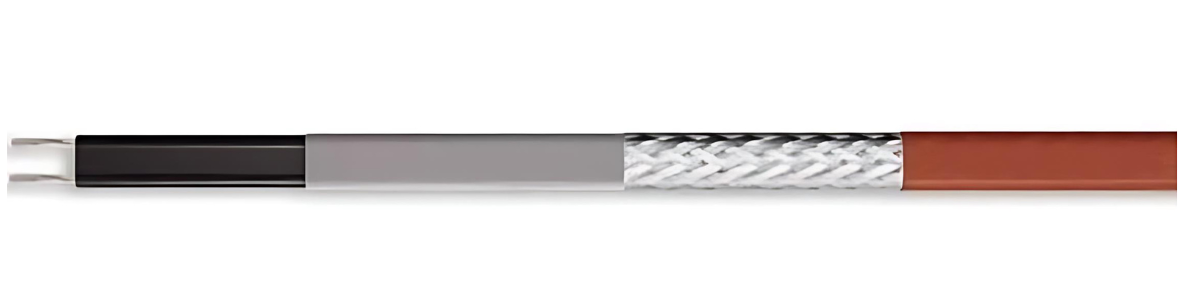
Thorne & Derrick’s Heatfast HF1200 series of self regulating trace heating cables are ideal for frost protection of pipework exposed to low ambient temperatures. The self-regulating ability of the Heatfast HF1200 series is derived from the properties of the conductive core material.
- HF1210 – Self-regulating trace heating cable 10 W/m at 10°C (230v)
- HF1220 – Self-regulating trace heating cable 20 W/m at 10°C (230v)
- HF1230 – Self-regulating trace heating cable 30 W/m at 10°C (230v)
- HF1240 – Self-regulating trace heating cable 40 W/m at 10°C (230v)

- Bus wire Nickel plated copper
- Self-regulating heating element
- Insulation
- Protection Protective Braid (Cu, tin plated)
- Outer jacket
HEATFAST 1100 Series
Thorne & Derrick’s Heatfast HF1100 series is a versatile range of self-regulating heating cable suited for freeze prevention and temperature maintenance in the low temperature range of industrial applications.
- HF1110 – Self-regulating frost protection cable 12W/m at 10 °C (110v)
- HF1120 – Self-regulating frost protection cable 22W/m at 10 °C (120v)
- HF1130 – Self-regulating frost protection cable 30W/m at 10 °C (110v)

Heatfast HF2260 – Hot Water Temperature Maintenance Cable
Heatfast HF2260 is a self regulating heat tracing cable designed to maintain hot water flow temperatures at 60ºC to prevent legionella and to provide instant hot water. The self regulating properties of the cable mean there is no need for thermostatic controllers.
HEATFAST HF7000 Self-Regulating Frost Protection Kits
HF7000 trace heating kits are the ideal solution to provide winter frost protection to pipework exposed to low ambient temperatures. Kits are suitable for metallic & plastic pipes up to 100mm diameter* and come complete with self-regulating trace heating cable, ambient sensing control thermostat and all necessary components & instructions to allow for easy installation.
*Heat loss calculations are based on metallic pipes up to 100mm diameter, 25mm thermal insulation, -10ºC minimum ambient temperature and 65ºC maximum pipe temperature. If you have different requirements please contact Thorne & Derrick for advice.
- HF7005 – 5m Frost Protection Kit (230v)
- HF7010 – 10m Frost Protection Kit (230v)
- HF7025 – 25m Frost Protection Kit (230v)
- HF7050 – 50m Frost Protection Kit (230v)
- HF7100 – 100m Frost Protection Kit (230v)
Heatfast HF9000 – Accessories
Thorne & Derrick offer a full range of accessories which are compatible with the Heatfast range of heat tracing cables.
- HF9101-V1 – Ambient sensing thermostat for frost protection applications
- HF9102 – Surface Sensing Thermostat for frost protection & temperature maintenance
- HF9425 – Connection & Termination Kits
- HF9325 – Tee Connection Kits
- HF9591 – Warning Labels
- HF9501 – Glass Tape
Our Team of Trained Technical Sales Engineers are available to advise and support your trace heating enquiries – this includes design and supply of complex multi-kilometre, major-project systems to custom heat trace cable kits for the Winterisation of plant and factory facilities.
➡ Contact us today to find out how Thorne & Derrick can provide heat loss calculations and a design service to keep your plant and personnel operational during the winter months.
 |
 |
 |
 |
40 YEARS INDUSTRY EXPERIENCE
|
LARGEST UK STOCK HOLDING
|
APPROVED INSTALLATION TEAMS
|
HEAT LOSS & DESIGN SERVICES
|

Thorne & Derrick | Exclusive UK Channel Partner for Static Earthing, Grounding & Bonding Systems | Compliant Solutions
Static Control for Explosion Protection of Assets & Operators in Hazardous Area Locations
Static Earthing Systems
IECEx & ATEX Certified Static Earthing, Grounding & Bonding Equipment By StuvEx
Correct specified and certified static earthing equipment ensures a controlled method to prevent the build up of static electricity, thus reducing the risk of electrical discharge and electrostatic explosion in potentially hazardous environments.
StuvEx manufacture a range of static earthing, grounding and bonding clamps with ATEX certification for use in hazardous areas Zone 1/21 & Zone 2/22 potentially explosive atmospheres; including flammable gas and combustible dust. Depending upon the static electricity levels and protection required, StuvEx can supply a range of standard and customised static earthing solutions suitable for road tankers, vacuum trucks, tank car, IBC’s (intermediate bulk containers), process plant and equipment.
StuvEx provides professional, efficient management and maintenance services for your explosion protection systems. This includes manufacturing products to assist with static ground monitoring and control and static bonding systems. Each of their explosion protection systems is maintained according to a detailed asset management and maintenance plan.
Thorne & Derrick, Experts in Equipment for Explosive Atmospheres, are the Exclusive Channel Partner for StuvEx static earthing, grounding and bonding products in the UK including ATEX and IECEx certified systems, clamps, cables and connectors.
Why Choose StuvEx for your site Static Earthing?
Uncontrolled electrostatic discharges can be prevented by the installation of earthing and bonding systems – as a potential ignition source the safe and reliable control of static electricity is essential for the safe operation of industry processes and manufacturing applications with potentially explosive atmospheres;
- Competitively priced, compliant and easy to install with on-site or online technical support
- Stainless-steel housing for easy cleaning, maintenance and extended service life in harsh and hazardous area locations
- Innovative engineered solutions for static earthing and counteracting static accumulation in all industry sectors
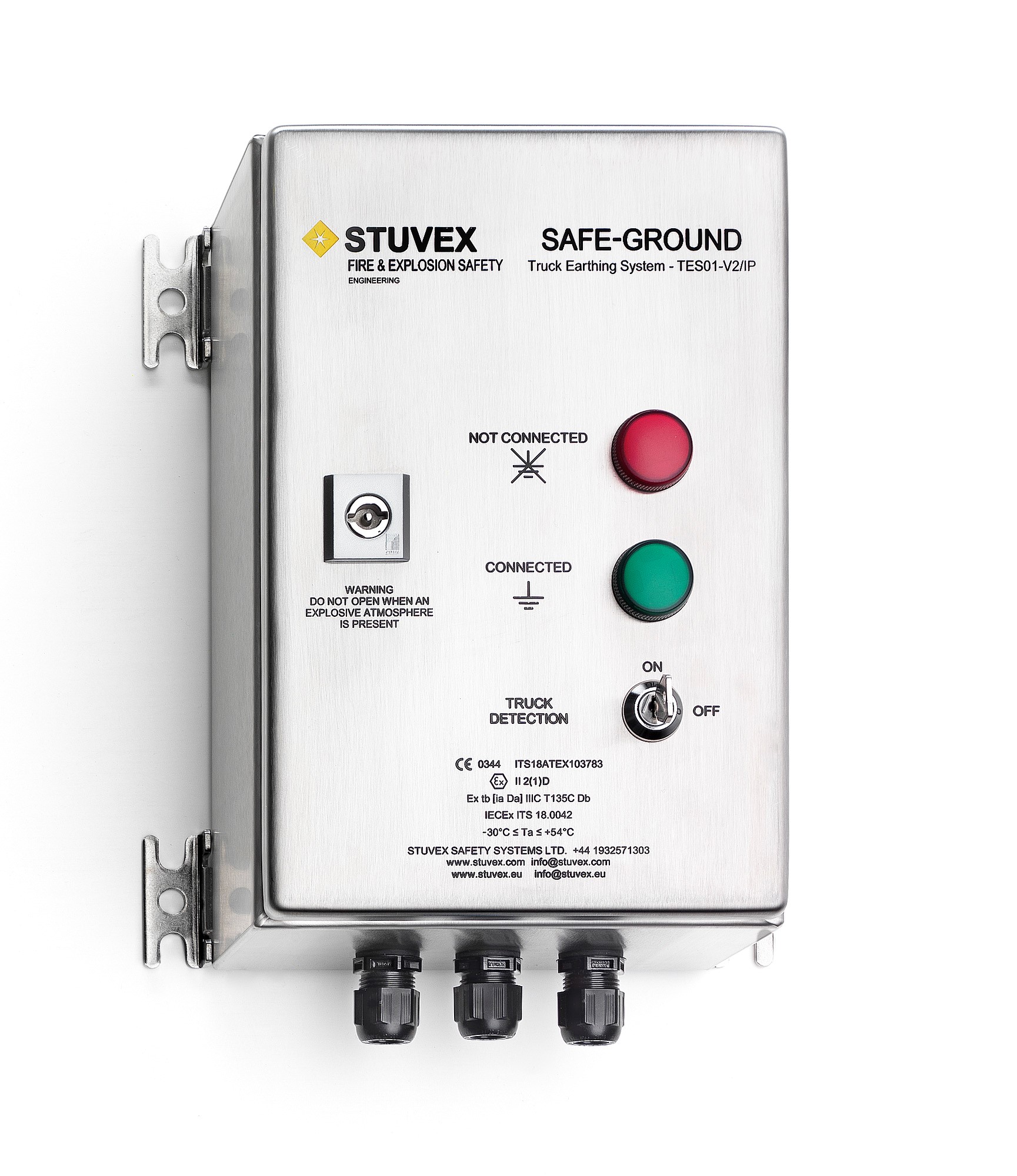
- Failsafe operation – visual confirmation of correct earthing via green/red lights
- Automatically recognizes the object to be earthed
- ATEX, IEC 60079-31-1 & NFOA77 Certified
StuvEx is an international manufacturer of Explosion Protection Systems & Products – protecting industry from the risk of fire or explosions from dust and gas in hazardous area industries and workplaces.
Static Earthing for Tank Trucks, Drums, Containers & Process Systems
Static Earthing Solutions
StuvEx Safe-Ground currently has the following equipment in its range for the safe dissipation of static electricity in hazardous area industries with potentially explosive atmospheres;
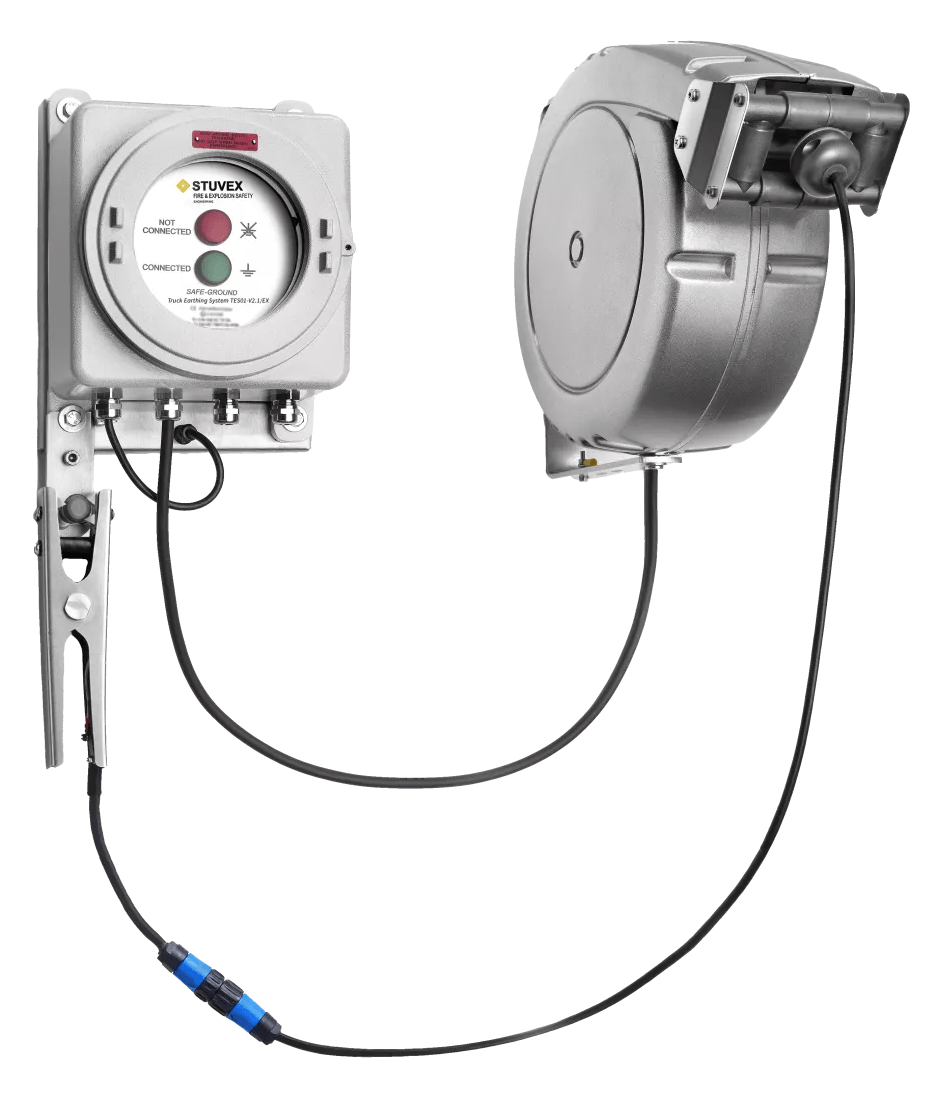
- Static Earthing & Grounding System For Tank Trucks | StuvEx Safe-Ground TES01-V2
- Multipoint Earthing Control System | StuvEx Safe-Ground MGS01
- Earthing & Bonding Systems Test Device | StuvEx Safe-Ground ReConn01
- ATEX Stainless Steel Earthing Clamp | StuvEx Safe-Ground CMS1
- ATEX Cable Reel | StuvEx Safe-Ground CR1/65
- ATEX Spiral Earthing & Grounding Cables | StuvEx Safe-Ground SP1

StuvEx | Manufacturer of Static Earthing Solutions for hazardous areas for companies handling flammable and combustible products | ATEX, IECEx, SIL Compliant | Distributed by Thorne & Derrick International based in the UK.
Dangers of Static Electricity
What is static earthing? Static grounding or earthing systems remove charged static electricity between the earth and an object. This is a requirement for facilities operating within hazardous areas, protecting personnel and plant assets from explosions or fires.
Static electricity is part of everyday life and is generated when materials come in to contact with each other and then separate i.e. electrostatic charging occurs at the interface.
Static electricity can pose several dangers in industrial settings, particularly in environments where flammable or combustible materials are present. Some of the dangers of static electricity include:
- Fire and explosion: Static electricity can ignite flammable vapours, gases, and dust, leading to fires and explosions. This can be especially dangerous in areas where flammable materials are stored or processed.
- Damage to equipment: Static electricity discharge can damage sensitive electronic equipment, causing malfunctions and downtime.
- Personnel safety: Static electricity can cause painful shocks to personnel, which can be dangerous in certain situations, such as working at heights, operating heavy machinery, or working with chemicals.
- Contamination: Static electricity can attract dust, lint, and other particles, leading to contamination of products and processes.
Uncontrolled electrostatic discharge can be prevented by the specification and installation of certified static earthing and bonding systems such as StuvEx Safe-Ground range.
Risks of Static Electricity In Explosive Atmospheres
The team visited the StuvEx HQ in Belgium to undertake advanced Technical Product Training. During the training they had front row seats to a live demo. The below video shows the result of an explosion caused by static.
The fuel for this explosion you ask? 1 Teaspoon of sugar! Knowledge on risks associated with dust atmospheres is poor in comparison to gas atmospheres. Couple that with a poor understanding of risks associated with static electricity and you have a recipe for disaster.
Earthing, Grounding & Bonding Explained
Now we can examine earthing, grounding, and bonding in more detail. All are important techniques used to control static electricity and prevent hazards such as electric shocks, fires, and explosions.
Earthing involves connecting an object to the earth with a conductive wire or rod. This allows any static electric charge on the object to safely dissipate into the ground, reducing the risk of a static electric discharge.
Grounding is the process of connecting electrical equipment or conductors to the earth or a grounding electrode in order to prevent the buildup of static charge. This helps to dissipate any excess energy and reduce the risk of a static spark occurring.
Bonding is the process of connecting two or more conductive objects together in order to equalise the potential between them, preventing the buildup of static electricity. This ensures that any static charge is evenly distributed and does not pose a danger to workers or equipment.
What are the differences between earthing and grounding?
| Earthing |
Grounding |
| Is used as safety against electric shock |
Mainly used for the safety of appliances (malfunctions of devices) |
| Used when there is a need for electric discharge |
Used when there is electric imbalance due to overloading in the system |
| Placed between the device and earth |
Placed between neutral of device and ground |
| Used in homes, motors, and generators |
Used in power transformers and neutral motors |
By implementing proper grounding and bonding procedures, businesses can effectively reduce the risk of static electricity causing a spark and potentially igniting flammable gases, vapours, or combustible dusts in the workplace. This not only protects the safety of employees and equipment but also helps to comply with various safety regulations and standards.
investing in proper earthing, grounding, and bonding measures is crucial for businesses operating in hazardous environments to maintain a safe and productive work environment. It is important to regularly inspect and maintain these systems to ensure their effectiveness and prevent any potential hazards from occurring.
Together with StuvEx, Thorne & Derrick can offer a variety of Earthing & Grounding products to assist with static ground monitoring and control in hazardous area locations.

Stuvex Safe-Ground
Product Range
Should you require any customer support or service to enable the selection or specification of the correct Static Earthing Systems for use in explosive atmospheres please do not hesitate to contact us.
 |
 |
 |
| Static Grounding System For Tank Trucks – StuvEx Safe-Ground TES01-V2 |
Multipoint Earthing Control System – StuvEx Safe-Ground MGS01 |
Earthing & Bonding Systems Test Device – StuvEx Safe-Ground ReConn01 |
 |
 |
 |
| ATEX Stainless Steel Earthing Clamp – StuvEx Safe-Ground CMS1 |
ATEX Cable Reel – StuvEx Safe-Ground CR1/65 |
ATEX Spiral Earthing & Grounding Cables – StuvEx Safe-Ground SP1 |
Typical applications include mixing, blending and pumping:
- Road Tanker Filling & Emptying,
- Mobile Earthing for Trucks
- Railcar Filling & Emptying
- Filling IBCs & Large Containers
- FIBC Filling & Emptying

Static Grounding System For Road Tankers In Hazardous Areas – safe control of electrostatic discharge risk where flammable gas and vapours are present in Zone 1 & Zone 2

Thorne & Derrick are leaders in the development and distribution of Product Innovations that deliver significant improvements to clients plant, people and operational safety in the explosive atmosphere industries | Static Earthing, Grounding & Bonding Systems

Thorne & Derrick | Approved Supplier of Hazardous Area Scales & Balances | UK & Export Sales
Hazardous Area Scales & Balances
ATEX CERTIFIED
Thorne & Derrick are leaders in the distribution of ATEX compliant solutions for use in hazardous areas and explosive atmospheres. This includes a range of ATEX scales & balances from A&D Weighing, available from T&D with fast delivery.
Since its inception in 1977, A&D Weighing has built a reputation for high quality products, which help the user to perform his/her, job more accurately and effectively.
A&D’s products have expanded into a comprehensive line that ranges widely throughout industry, education, medicine and science.
A&D’s hazardous area weighing scales & balances are specifically designed and certified to be intrinsically safe according to ATEX standards. They are constructed with robust materials and come in various sizes and capacities to suit different requirements.
Hazardous area weighing solutions are extensively used for bulk weighing, logistics, and other manufacturing processes across a variety of industries including the petroleum and chemicals, where the accurate weighing of hazardous materials is crucial for safety and regulatory compliance.
Together with A&D, Thorne & Derrick understand the importance of safety in these industries and are able to offer weighing solutions to meet the highest safety standards.
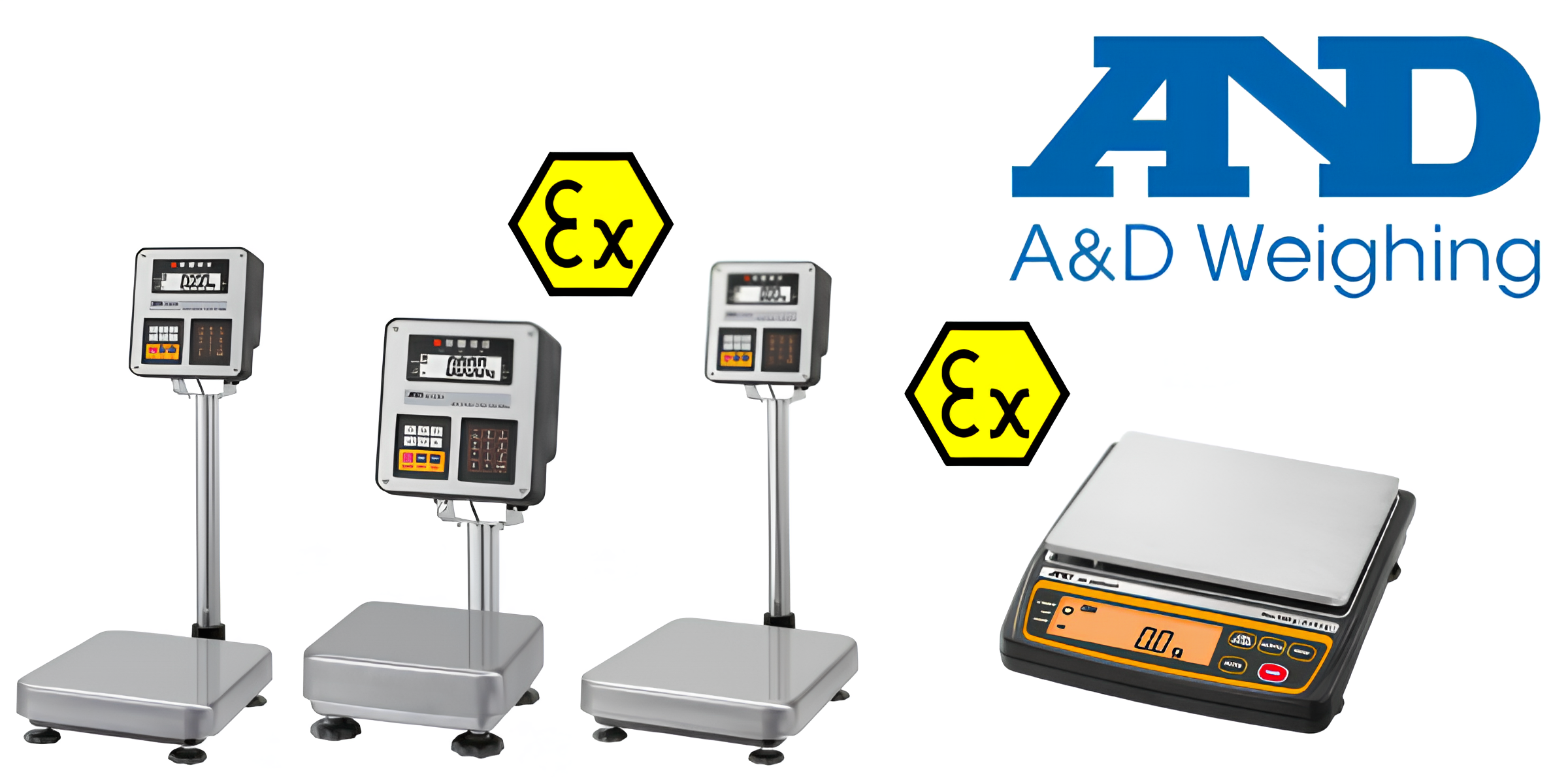
ATEX Balances & Scales
wHAT IS THE DIFFERENCE BETWEEN A BALANCE & A SCALE?
Generally a balance weighs to a lower resolution than a scale. E.g. a typical balance may weigh 3kg x 0.01g and a scale 300kg x 100g.
Whether you need a small ATEX platform scale or a large weighing system, our range of hazardous area weighing solutions can meet your requirements.
Contact us today to discuss your specific needs and let us help you find the right weighing solution for your hazardous area application.


EXPERTS IN EQUIPMENT FOR EXPLOSIVE ATMOSPHERES
LEADERS IN ATEX INNOVATION TO THE HAZARDOUS AREA INDUSTRIES
Thorne & Derrick are leaders in the development and distribution of Product Innovations that deliver significant improvements to clients plant, people and operational safety in the explosive atmosphere industries.
Your proactive problem solvers experienced in succession planning for the replacement of obsolete, non-conformant and legacy equipment in hazardous areas.
Your first-choice provider of innovative and competitive solutions to ensure ATEX & IECEx Compliance for Hazardous Area Electrical, HVAC & Process Instrumentation Equipment to UK and international projects.


Winkler
ATEX Heating Solutions
Winkler together with Thorne & Derrick can develop, produce and distribute flexible electrical heating solutions for safe and hazardous areas suitable for industrial applications. Users receive a bespoke and tested solution in which the heating element, insulation, temperature sensor, connecting cable, fixation and – if required – the controller are integrated. Winkler heating solutions can be put into operation immediately.
The validity of this philosophy is demonstrated by the Winkler company history spanning 45 years. Winkler stands for experience, reliability and ingenious innovations. Their drive is always to find the best solution – tailored to the respective application.
Winkler’s EX solutions are trusted by industries such as oil and gas, chemicals, energy, and environmental services, all of which require the highest standards of safety and reliability.
See the full range of ATEX Heating Solutions below including ATEX Drum Heaters & ATEX IBC Heaters.
 |
The WEXH series of ATEX heating jackets and mats are used for protection against frost, temperature maintenance and process heating in the temperature range from -40 °C to +200 °C. Heating jackets are used to provide frost protection, conserve heat and maintain plant process temperatures to prevent viscosity loss, coagulation, clogging or freezing. Heating jackets and mats provide even heat distribution, which is crucial for preventing cold bridges and maintaining constant process temperatures. |
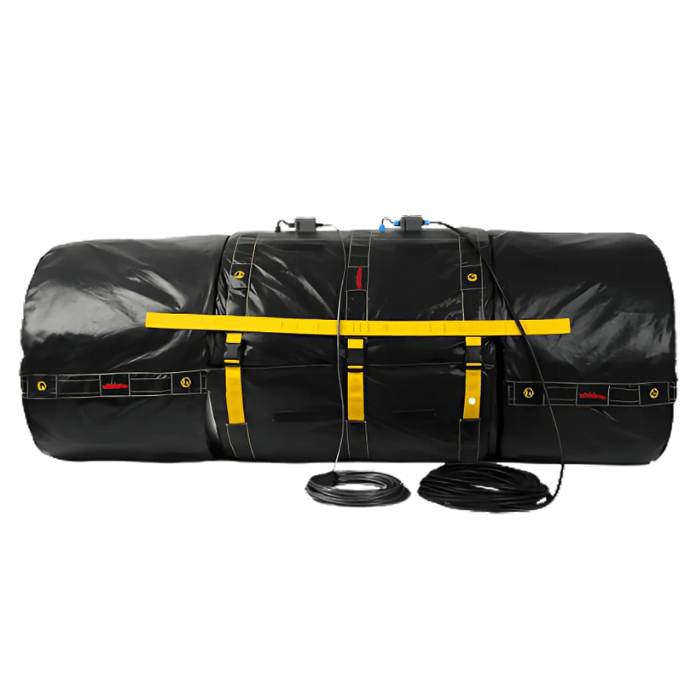
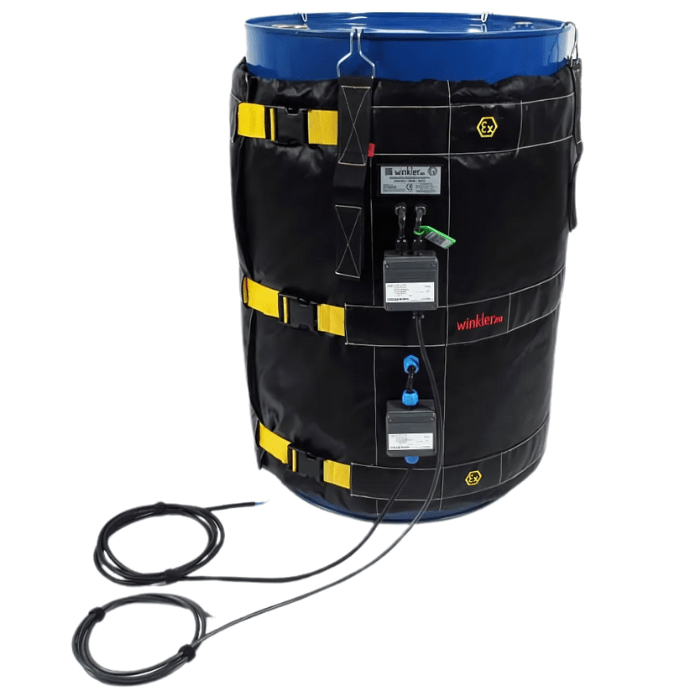
| The WEXHD series of ATEX Drum Heaters are used for protection against frost, temperature maintenance and process heating in the temperature range from -40 °C to +200 °C. EX Standard container heaters are specially designed for use in potentially explosive atmospheres. These container heaters ensure safe and uniform heating of liquids or gases in gas cylinders, drums, or IBC containers. The temperature can be precisely controlled, ensuring optimal process control. |
 |
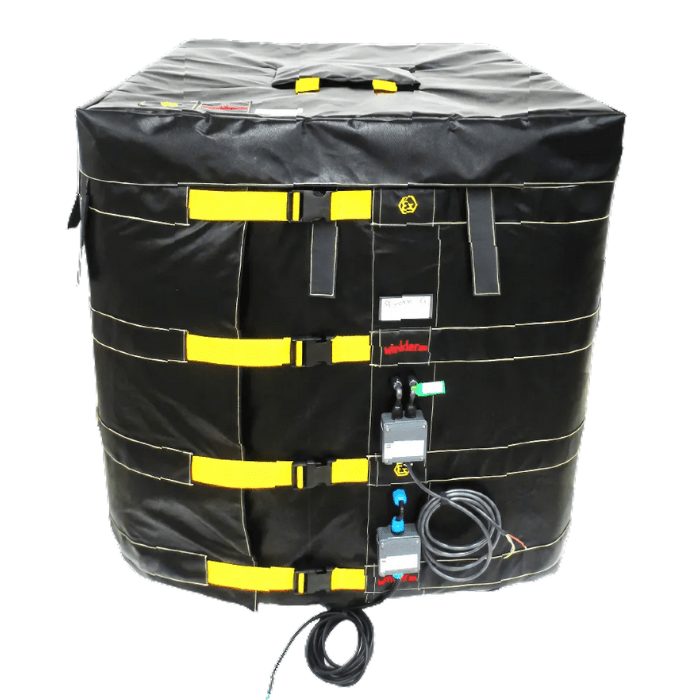 |
The WEXHD series of ATEX IBC Heaters are used for protection against frost, temperature maintenance and process heating in the temperature range from -40 °C to +200 °C. EX certification ensures that the devices meet the strict EU safety requirements for use in potentially explosive atmospheres, making them ideal for the chemical, petrochemical, and pharmaceutical industries. |
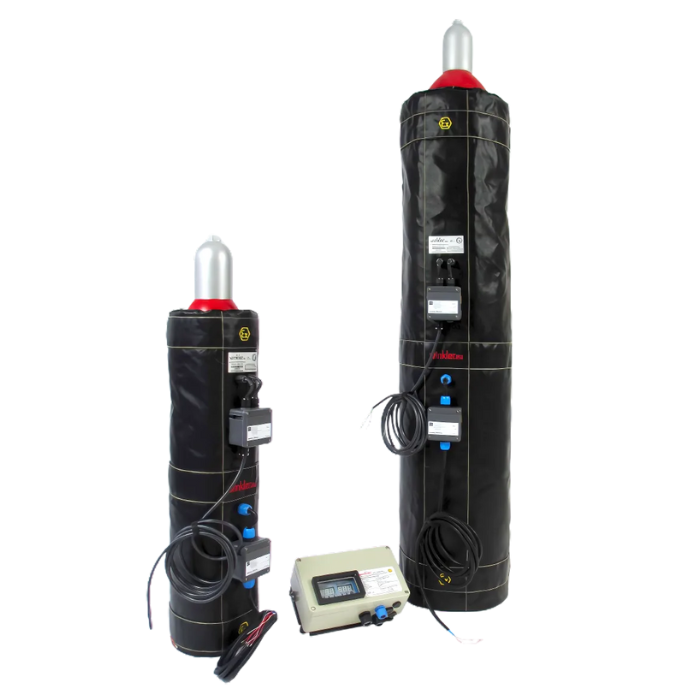
| The WEXHB Series of ATEX gas bottle heaters are used for protection against frost, temperature maintenance and process heating* in the temperature range from -40 °C to +50 °C. A gas bottle heater is useful when extracting and processing gases. The gas cylinder heaters have protection class IP 65 and are ATEX certified.*Note: Please consider the technical rules TRG 310 / TRBS 3145 / TRGS 745. Maximum operating temperature 50 °C (cylinder temperature). |
 |
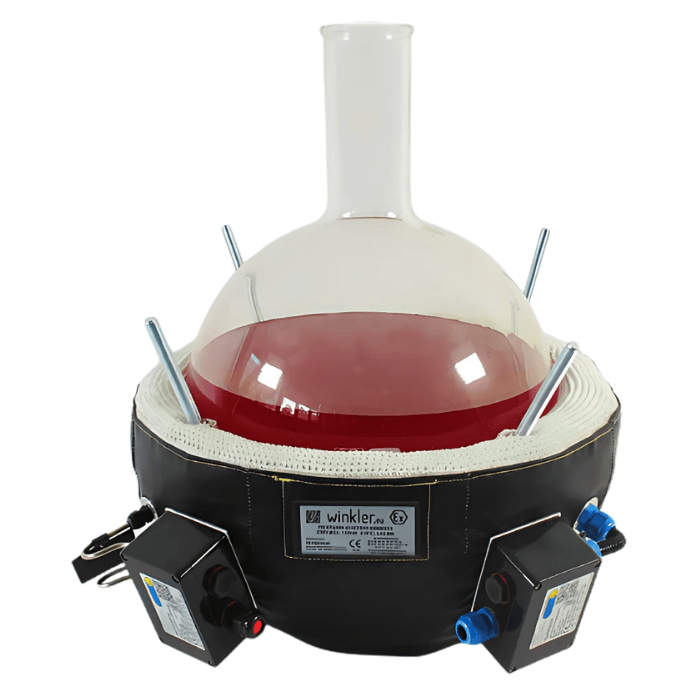 |
The WHI Series of industrial heating jackets specifically designed for use in potentially explosive atmosphere and employed in many areas in the pharmaceutical, chemical and metal recycling industry. ATEX industrial heating mantles for flasks are specially designed for heating flasks of different sizes in potentially explosive atmospheres. These heating mantles ensure even and efficient heating, which optimises processes and increases safety. |