Energy storage systems are essential to bolster global efforts to pursue alternative energy sources such as solar and wind to reduce our reliance on fossil fuels. Storage technologies include batteries, thermal storage, hydropower, mechanical storage, and other technologies.
These systems are found in several applications, including utilities and energy companies, commercial facilities, transportation, banking, hospitals, and industrial operations.
Written by Crowcon in conjunction with Thorne & Derrick, this white paper focuses on battery storage facilities and the potential for leaked gas, which poses fire and explosion hazards.
Battery Technology
The battery was first invented over 200 years ago, but it has only been during the past century that the product has been commercially applicable. Batteries use chemical potential to accept, store and release electricity. Different battery technologies are available with chemical, materials, and construction variations, but commercial batteries still utilise similar procedures to store electricity.
Battery types include rechargeable (secondary), non-rechargeable (primary), and application batteries (biobattery, button cell, flow, inverter, wet cell, etc.,) which include several technologies including chemical, electrochemical, electrical, and mechanical. From remote control devices to cell phones to cars to solar panels, batteries are necessary for functioning in society today. The worldwide focus on green energy has stimulated the development of wind turbine and solar panel installations, with batteries needed to store the power generated.
Renewable energies such as solar and wind require local energy storage facilities to act as a buffer when these facilities are not operational or at total capacity at night or on days when the sun doesn’t shine and is not windy. Energy may be released later – when the grid requires more power or when there is less sun or wind. These battery storage facilities are essential in reducing minor power outages since they can also store excess traditional grid energy for up to twelve hours.
These storage facilities are imperative during a power failure and critical at facilities where continued operation is crucial, including hospitals, military facilities, and data centres. The need for uninterruptable energy has these facilities spreading everywhere, from garage units to power plants.
These energy storage facilities allow flexibility during high demand and help the power grid avoid the need to build additional (and expensive) power plants. This results in fewer new power plants, and this aids the power industry with other environmental issues. These facilities should also translate to lower consumer costs, especially as energy costs increase.
Chemical and electrochemical battery technologies are powered by potentially dangerous chemical compositions, including ammonia, hydrogen, methanol, synthetic fuel, lead-acid, lithium-ion, sodium-cadmium, and sodium-ion. The technology in electrical and mechanical batteries includes compressed air, gravity, pumped hydro, supercapacitors, and superconductive magnetic storage.
Battery Power Storage
Lead-acid batteries are large-capacity and rechargeable technology that has been popular for over 100 years and is commonly used in boats, automobiles, and uninterruptable power supplies (UPS). The wet-cell deep cycle batteries have also been used in solar arrays for several decades. Lead-acid batteries include wet-cell, gel-cell, and AGM (absorbed glass mat).
These batteries should be refilled with water regularly to prevent the electrolytes from evaporating when charging. Hydrogen fuel cell electric vehicles (FCEVs) vary from typical electric vehicles. While batteries are more efficient than fuel cells, hydrogen fuel cells are smaller, lighter, and can store far more energy than standard lithium-ion batteries. With superior energy density, the hydrogen FCEV has a significant advantage for travelling distance and provides the extra power required for short bursts of acceleration.
The hydrogen fuel stack is a construction of individual membrane electrodes that require hydrogen and oxygen to produce electricity. While a typical battery is used to start the vehicle and operate accessories like most automobiles, the high-voltage battery pack stores energy generated from regenerative braking. It also provides supplemental power to the electric traction motor that propels the vehicle.
Lithium-ion batteries are replacing lead-acid technology for fork trucks and solar and wind farms. It is today’s most popular battery technology due to its high energy density and longer life. These batteries have a much greater depth of discharge (DoD) which allows a much more significant percentage of use of the battery’s power and are lighter than conventional leadacid batteries.
“Gathering insights across all sites will help organisations operating on a larger scale to ensure ongoing visibility and compliance.”
New Battery Technologies under Research
Solar farms are expanding everywhere with the eventual intent to power almost everything in our lives; there is tremendous research into superior battery performance to produce safer batteries that last longer, lighter weight, and store more power. Some of the new battery technologies include:
Solid State Batteries – This technology replaces the electrolyte gel used in lithium-ion batteries with a solid material such as ceramic or glass. This makes these batteries non-flammable when heated; they utilise high- voltage, high-capacity materials and are lighter in weight. And since these batteries have high energy storage and lighter weight, they are an option for replacing electric vehicle batteries.
Sodium or Saltwater Batteries – The batteries use salt for power storage. Their chemistry differentiates this battery significantly from lead-acid and lithium-ion batteries. This battery technology is gaining popularity in the solar industry as they produce non-toxic power for a long duration. Saltwater batteries hold an impressive 5,000 cycles; since the product is not susceptible to explosions, you can use it beyond the indicated cycles. Saltwater batteries allow full discharge without harming the battery. Also, fully discharging the battery does not affect the life cycle of the storage system. Additionally, the battery can stay for weeks or days without charge. For this reason, battery maintenance systems to control the charge are unnecessary. These batteries are fully recyclable compared to lithium-ion and lead-acid batteries. The current drawback to saltwater technology is the higher price.
Organosilicon Electrolyte Batteries – Similar to solid- state batteries, this is a carbonate-based solvent system in Li-ion batteries. These electrolytes can be engineered at the molecular level for various battery markets.
Zinc-Manganese Oxide Batteries– Researchers are hopeful this technology can increase energy density in conventional batteries without increasing cost. Both elements are readily available.
NanoBolt Lithium Tungsten Batteries – Tungsten and carbon multi-layered nanotubes are bonded to a copper anode substrate and build a web-like nanostructure that forms a vast surface. This allows more ions to attach during recharge and discharge cycles making the battery charge faster and store more energy.
TankTwo String Cell™ Batteries – The modular String Cell™ battery contains a collection of small independent self-organising cells. Each string cell consists of a plastic enclosure covered with a conductive material that allows easy contact with other cells. An internal processing unit controls the connections in the electrochemical cell. To facilitate quick charging of an EV, the little balls in the battery are sucked out and swapped for recharged cells at the service station. Later at the station, the cells can be recharged at off-peak hours.
LiS/B4C Hemp – This technology uses industrial hemp as one of the core materials due to its durability, porosity, and low costs. Less dangerous chemical catalysts are used to power the cells, and, unlike many rare earth elements, sulphur is abundant and boron almost as much. It is also relatively available, and the batteries would be safer and easily recyclable. With longer life, these batteries would be possible for heavy-duty trucks and electric aeroplanes.
Lithium Iron Phosphate (LiFePo4) – Quickly replacing larger batteries, LeFePo4 batteries require no maintenance, are safe, efficient, lightweight, and contain no rare earth metals. There is no propensity for thermal runaway. These batteries do require special handling, do not perform well in the cold and have a low density making them ill-suited for small devices such as cellular.
“Most all batteries will produce gas if overcharged, overheated, damaged, or left drained of charge for an extended period”
Battery Gas Hazard
Most all batteries will produce gas if overcharged, overheated, damaged, or left drained of charge for an extended period. The liquid chemical components in the battery can vaporise and produce gas under these conditions. These situations can lead to a thermal runaway where the internal battery temperature reaches a critical point where flammable gasses are released and present the risk of fire or explosion.
Since batteries operate in a relatively small temperature range, thermal runaway is a complex process to stop. Electric vehicle batteries have interconnected cells, so if one cell fails, it can swell and heat up quickly. As gasses begin to vent and temperature increases, the problem worsens and spreads to the other cells with potentially devastating results.
Lithium-ion is today’s most abundantly used battery technology due to its high energy density and longer life. It also gets the majority of bad press with cell phones and portable devices, causing fires and exploding laptops. The lithium-ion battery has a potentially flammable electrolyte which may become a dangerous gas vented from the battery cell if overheated, damaged, or exposed to external heat sources (e.g., above 54°C / 130°F).
They may also vent in temperatures below freezing during charging or if damaged or the manufacturer’s instructions are not followed. Recent developments by Tesla have helped lithium-ion products become more affordable, dependable, and the battery of choice for solar and wind farm energy storage. And as a result, the new technology in almost all of our new devices.
The reality is that all battery types are prone to this infrequent but potentially deadly problem. Continual battery charging may also lead to a gas leak and thermal runaway. That is why trickle chargers are advised to help prevent batteries from overcharging. Even so, damaged battery cells and ground faults in power may also lead to thermal runaway.
During battery discharge, the risk is low as little or no gas is vented from lead-acid batteries during this process. The primary concern is the mixtures of oxygen and hydrogen produced during battery charging. Hydrogen is a highly flammable, lighter than air, odourless, and colourless gas that is dangerous, especially in poorly ventilated areas. The danger increases with vented Oxygen, which amplifies the fire or explosion.
There have been several accidents across the globe where the failure of a single Lithium-ion battery was the catalyst to major fires and explosions with thermal run away events that spread to the adjacent cells. In most cases, combustible gasses built up within the containment facility and exploded. Some of the more notable examples include South Korea experiencing twenty- three lithium-ion battery fires in 2018, drawing even more attention to the potential risks.
Most consumers recall when Dell recalled four million laptops in 2006 due to overheating batteries and Samsung recalled the Galaxy Note 7 smartphone due to battery fires. In 2001, a UPS data centre in California suffered a hydrogen gas explosion where batteries were charging.
The bottom line is that the risks of gas leaks and chemical explosions are severe concerns for employee safety. The impact on the storage facility can have repercussions on the entire business and customer base with facility repairs, accident investigations, and employee morale. Gas leakage is an issue that must be monitored to prevent thermal build-up and potential catastrophe.
Crowcon are market leading manufacturers of Portable and Fixed Gas Detection Equipment
“Hydrogen gas is explosive at only 4% by volume in air, and most battery storage and charging facilities are enclosed areas.”
Importance of Detection Technology
Given the potential for gas emissions and potential fire and explosion from improperly charged or maintained batteries, the importance of detecting these gases before thermal expansion is paramount. Safety systems quickly alert personnel to potential dangers of gas leakage, including toxic gas poisoning, asphyxiation, fire, or explosion.
For example, Hydrogen gas is explosive at only 4% by volume in air, and most battery storage and charging facilities are enclosed areas. A poorly ventilated battery storage area can quickly lead to a dangerous situation when these minor hydrogen levels are attained. Properly implemented gas detection technology will increase safety and meet and exceed safety expectations in these areas.
Other Detection Methods
Aside from the essential focus on sampling air quality for dangerous gasses, here are several other suggestions to ensure a safe battery storage environment.
PreventiveMaintenance – Be sure to include batteries and the storage and charging areas in preventive maintenance plans. A good battery maintenance program will help optimise battery life, prevent failures, and reduce premature replacement and associated costs: the battery room’s cleanliness, safety, and environmental aspects.
The ventilation equipment should operate as per the manufacturer’s specifications. Other maintenance checks may include regular battery load testing, corrosion and damage checks, battery cables cleaning and maintenance, checking grounds, connections, wire insulation, and electrical safety, and the calibration of inspection and monitoring tools and equipment.
Fire Suppression System – While a reactive rather than proactive safety measure, engineered fire suppression systems are designed for specific applications. Several fire suppression systems include water mist, foam, dry chemicals, CO2, and inert gas. This illustrates why the correct system should be designed for most battery storage applications.
BatteryManagementSystem(BMS) – This electronic system monitors the battery state while managing the temperature, voltage, current, and internal short circuits. These systems help extend battery life and reduce the likelihood of battery fires and explosions.
Fixed Gas Detection Products for Industrial, Hazardous Areas & Explosive Atmospheres
“Gathering insights across all sites will help organisations operating on a larger scale to ensure ongoing visibility & compliance”
Increased understanding Battery Power Storage
When it comes to multi-site organisations, the need for reliable data and a solid tool for the foundation of governance is even more crucial. Gathering insights across all sites will help organisations operating on a larger scale to ensure ongoing visibility, compliance, asset management and the smooth running of the day to day.
Utilising data solutions that can offer you a way in which to accurately record your data, to analyse the insights it offers and from there to act in ways that achieve the central objectives and goals of your team is the focus of this white paper.
We will explore the ways in which data solutions, such as Crowcon Connect, can reduce your costs, improve plant and personal safety, deliver compliance and boost your operations productivity and overall efficiency.
EU Regulations and Standards
Following are several fundamental regulations and standards regarding battery storage facilities, testing, and maintenance. In addition, most battery manufacturers publish testing requirements to ensure warranty compliance. The EU recently discussed several proposals for the new regulatory framework for batteries and existing standards.
Directive 2006/66/ECof the European Parliament and of the Council of 6 have updated regulations regarding batteries and accumulators and waste batteries and accumulators.
IEC62133 Safety Requirements for Rechargeable Cells and Batteries used in Portable Devices – This is the de facto standard for international compliance. Volume 1 is for nickel batteries; volume 2 is for lithium-ion batteries.
The United States and International Regulations and Standards
Below are the primary Standards & Model Codes for Energy Storage in the United States.
National Fire Prevention Association 1: Fire Code 2021 – NFPA 1 is the U.S. national code addressing fires and life safety issues for the public and first responders and the standard for energy storage systems. Pertinent chapters include chapter 52: Energy Storage Systems, chapter 70: Oxidizer Solids, and Liquids
National Fire Prevention Association 855: Standard for the Installation of Stationary Energy Storage Systems – An installation code that addresses the dangers of toxic and flammable gases, stranded energy, and increased fire intensity that can result from a defect or operational failure in an energy storage system.
National Fire Prevention Association 70: National Electrical Code – The benchmark for safe electrical design, installation, and inspection to protect people and property from electrical hazards.
An alternative way to detect gases in confined spaces is to lower a portable gas detector, such as Crowcon T4, into the work area.
UL 9540A, Standard for Test Method for Evaluating Thermal Runaway Fire Propagation in Battery Energy Storage Systems – UL 9540A is a standard that details the testing methodology to assess the fire characteristics of an ESS that undergoes thermal runaway. Data from the testing is then used to determine the fire and explosion protection requirements applicable to that ESS, consistent with the requirements outlined in NFPA 1 and NFPA 70.
UL 9540 Standard for Energy Storage Systems (ESS) and Equipment– UL 9540 is the recognised certification standard for all types of ESS, including electrochemical, chemical, mechanical, and thermal energy. The standard evaluates the safety and compatibility of various elements and components when integrated into an ESS, whether intended to be used in standalone mode or as part of an electrical power system or electric utility grid.
IEC 62933, Electrical Energy Storage (ESS) Systems— The IEC 62933 series of standards explicitly addresses various aspects of ESS, including testing methods, safety requirements for grid-integrated ESS, safety considerations for grid-integrated ESS, planning and performance assessment of ESS, and guidance on environmental issues.
IEC 62109-1, Safety of Power Converters for Use in Photovoltaic Power Systems Part 1: General Requirements – IEC 62109-1 applies to power conversion equipment used in photovoltaic systems. The standard defines minimum requirements for the design and manufacture of such equipment for protection against electric shock, energy, fire, mechanical, or other hazards to help ensure a consistent technical level of safety in the equipment.
Note: The inter-agency Federal Consortium on Advanced Batteries (FCAB) seeks to eliminate the need for both cobalt and nickel in lithium-ion batteries by 2030.
Gas Detection Products
Gas detection is an invaluable safety technology often equipped in battery charging rooms. Ventilation is also advised, and while helpful, it is not fool proof as fan motors can fail and should not be relied upon as the sole safety measure for battery charging areas. Fans mask the problem while gas detection notifies personnel to act before problems escalate.
Gas detection systems are crucial in informing personnel of increasing gas leaks before becoming dangerous. Gas detection units comply with local building codes and NFPA 111, the National Fire Protection Association standard on stored electrical energy emergency and standby power systems. They include maintenance, operation, installation, and testing provisions regarding the system’s performance.
In addition to permanent gas detection systems, handheld units are available. The benchmark products are provided by Crowcon and are listed below.
Portable Gas Detectors– Crowcon’s portable gas detectors (Gasman, Gas-Pro, Tetra 3 and T4) protect against a wide range of industrial gas hazards, with both single gas and multi-gas monitors available. With a wide range of sizes and complexities, you can find the right portable gas detection solution to meet the number and type of gas sensors you need and your display and certification requirements.
Fixed Gas Detectors – Crowcon gas detection fixed systems offer a flexible range of solutions that can measure flammable, toxic, and oxygen gases, report their presence, and activate alarms or associated equipment. Crowcon fixed gas monitoring systems (Xgard, Xgard Bright and XgardIQ) are designed to be interfaced with manual call points, fire and gas detectors, and distributed control systems (DCS).
ControlPanels – Crowcon gas detection control panels offer a flexible range of solutions that can measure flammable, toxic, and oxygen gases, report their presence, and activate alarms or associated equipment. Crowcon fixed gas (Vortex, GM Addressable Controllers, Gasmaster) monitoring systems are designed to be interfaced with manual call points, fire and gas detectors and distributed control systems (DCS). In addition, each system can be engineered to drive remote annunciators and mimic panels. Crowcon has a gas detection product to suit your application regardless of your operation.
Temperature Measurement– Crowcon has extensive experience with temperature measurement. There are several models of temperature measurement, from pocket thermometers to industrial kits ranging from -99.9 to
299.9°C with probes and clamps. They are enhancing their fixed detection capabilities by adding high-temperature electrochemical sulphur dioxide detection for battery manufacturing and charging stations. This is critical during the first charge of a battery, as a fault is most likely at that time. Their fast-acting systems detect the precursors to thermal runaway and quickly terminate power to the batteries to avoid damage.
Summary
The reality is that all commercial battery types are prone to this infrequent but potentially deadly thermal runaway problem. While new technologies may be on the horizon, the cost will likely take years to be competitive with existing technology. Ventilation fans cannot alert personnel to a gas leak and may only mask the problem until a fan motor fails and compounds the issue. Gas detection technology is critical in helping keep workers and worksites safe from flammable and toxic gases.
Combined with regular maintenance and compliance with battery storage regulations, these gas detection systems should lead to increased uptime, greater productivity, improved employee health, and a more profitable operation.
For more information about the Crowcon gas detector and other products or to ask further questions about gas detection for battery power storage, contact Thorne & Derrick today!
Hazardous Area Lighting Upgrade
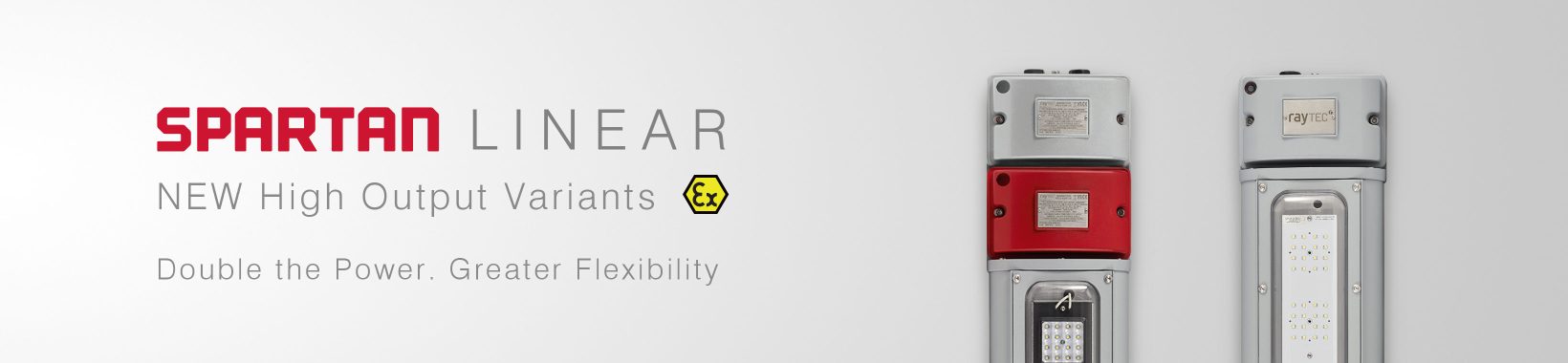
Spartan Linear High Output
Raytec have expanded the SPARTAN Linear range to include a brand-new ‘High Output’ variant which delivers up to 14,000lm – twice the lumen output of the standard Linear products – and 144lm/W.
The new SPARTAN Linear High Output challenges the status quo of the mounting heights at which Linear luminaires can be installed.
For typical Linear installations, the increase in power will mean fewer luminaires are required across an installation or could mean that a smaller luminaire can be deployed, helping to deliver significant cost savings.
🌟Thorne & Derrick can offer a comprehensive range of bay and area lighting solutions including hazardous area lighting, which can provide customers with significant capital expenditure and energy savings 🌟
Energy Efficiency
💡Find out how Thorne & Derrick together with Raytec can help you explore how switching to ATEX LED lighting can deliver significant cost savings 💡
Delivering up to 14,000lm, Linear High Output also offers a cost-effective solution to conventional bay style fittings and provides specifiers with great levels of flexibility when it comes to designing lighting schemes. See how Linear High Output compares to traditional wellglass and bay luminaires in our latest blog.
Linear High Output will also be available as an emergency variant, with several duration and output options available to suit a wide range of applications.
RANGE OVERVIEW
SPARTAN Linear High Output is certified for use in hazardous areas (ATEX, IECEX & UKEX), and is available as either a Zone 1/21 or Zone 2/22 variant.
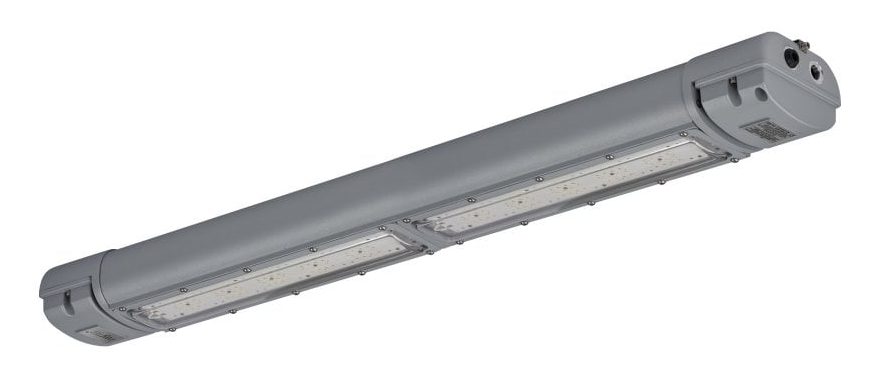
Linear High Output comes in two sizes; the 7,000lm WL84-HO (2ft, 2x18W fluorescent replacement) & 14,000lm WL168-HO (4ft, 2x36W fluorescent replacement). With the WL84-HO now delivering the same light output (7,000lm) as the standard WL168, in a smaller, more compact body, it provides the perfect solution for applications where space is restricted and a traditional 4ft luminaire may not be suitable.
In addition to the performance boost, Linear High Output still offers all the same great features of the existing Linear range. This includes Raytec’s unique modular design for quick and easy maintenance, a choice of optics so light can be directed exactly where it’s needed, and extreme levels of durability to withstand even the most challenging environments.
All luminaires in the SPARTAN and WARRIOR range are designed and manufactured in the United Kingdom and come with an industry-leading 5-year warranty.
Did You Know? – Halogen and fluorescent bulbs are the least energy-efficient bulb on the market and there are more accessible energy saving alternatives to use. According to the recent Gov.uk press release, the government plans to start phasing out high-energy fluorescent light bulbs in September 2023 as part of the energy-saving efforts to tackle climate change.
Don’t hesitate to get in contact with us to discuss your requirements, or to utilise our free lighting design service to ensure you achieve the most efficient and cost-saving lighting solution for your application.
LED Lighting
SPARTAN Mid Power Bay & Linear High Output
Raytec have recently launched the SPARTAN Mid Power Bay & SPARTAN Linear High Output lighting which utilise optics, high-efficiency LEDs, and cutting-edge driver technology.
These new products offer Thorne & Derrick’s customers greatly improved flexibility when it comes to designing lighting schemes that would typically utilise bay style light fittings, and can help to significantly reduce energy costsand capital expenditure.
Did You Know? – Halogen and fluorescent bulbs are the least energy-efficient bulb on the market and there are more accessible energy saving alternatives to use. According to the recent Gov.uk press release, the government plans to start phasing out high-energy fluorescent light bulbs in September 2023 as part of the energy-saving efforts to tackle climate change.
Upgrading To High Efficiency LEDs
💡Find out how Thorne & Derrick together with Raytec can help you explore how switching to ATEX LED lighting can deliver significant cost savings 💡
Historically, bay and area lighting applications with mounting heights of 6-12 metres would use traditional 250W or 400W SON, Metal Halide (MH), or Mercury Blended (MBF) fittings. However, these light fittings are inefficient and offer little in terms of light output control.
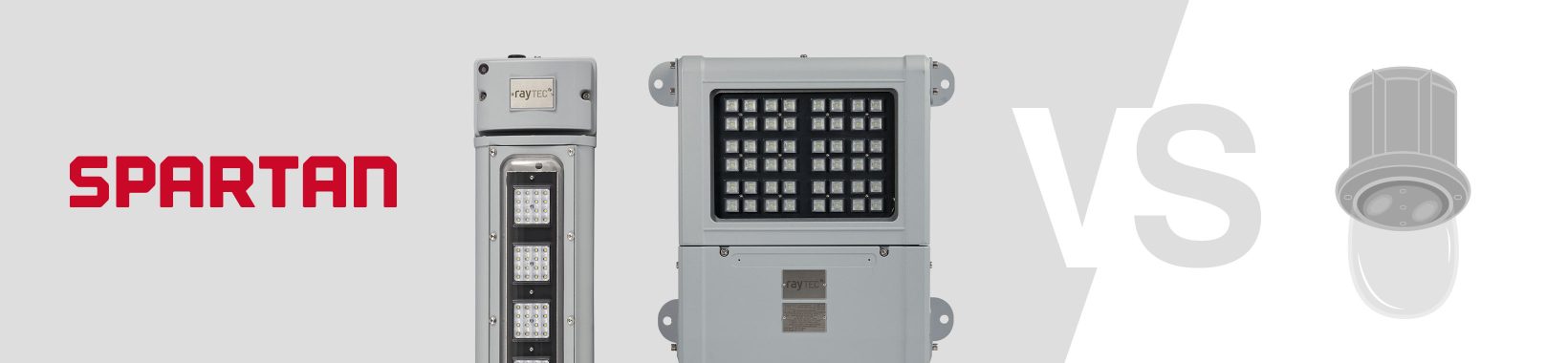
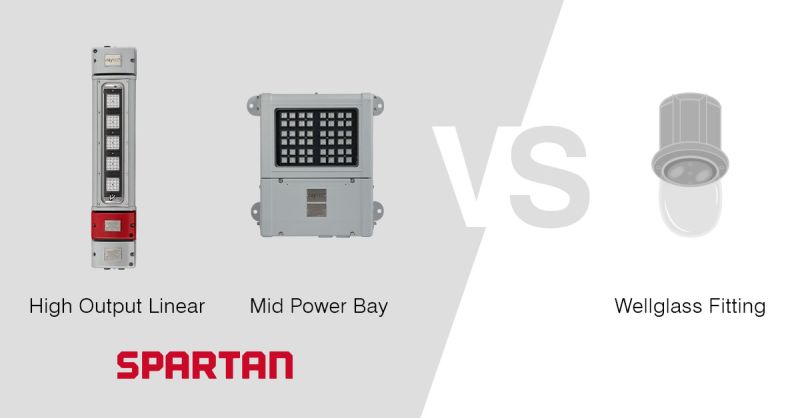
In this article, Raytec compare the SPARTAN Mid Power Bay and SPARTAN Linear High Output against traditional 250W SON wellglass fittings. We also explore the energy and capital expenditure savings that can be achieved by switching to LED.
Let us start by looking at a typical warehouse application, with luminaires mounted at 6m, and requiring 300lx on the ground.
SCHEME A – 250W SON WELLGLASS
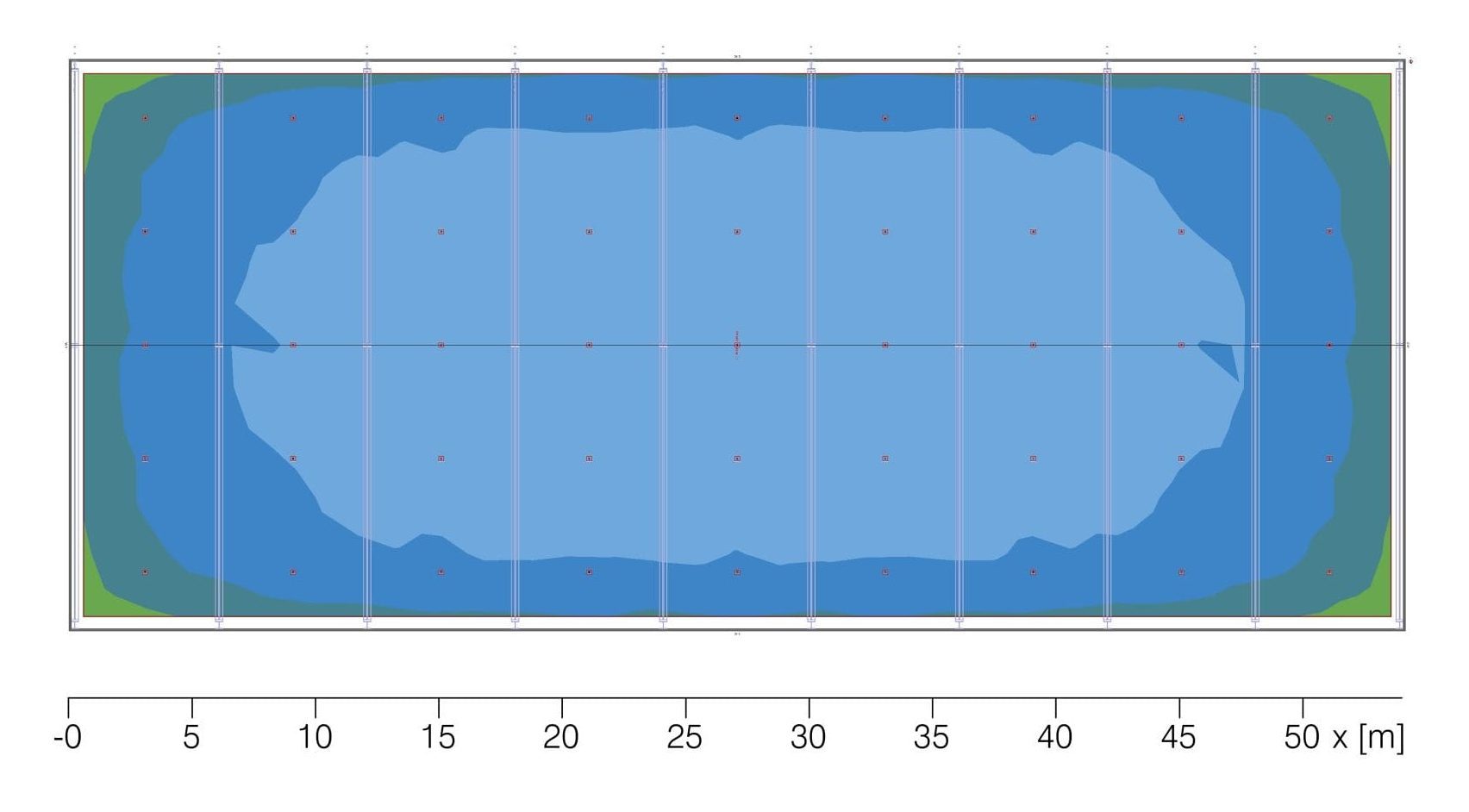
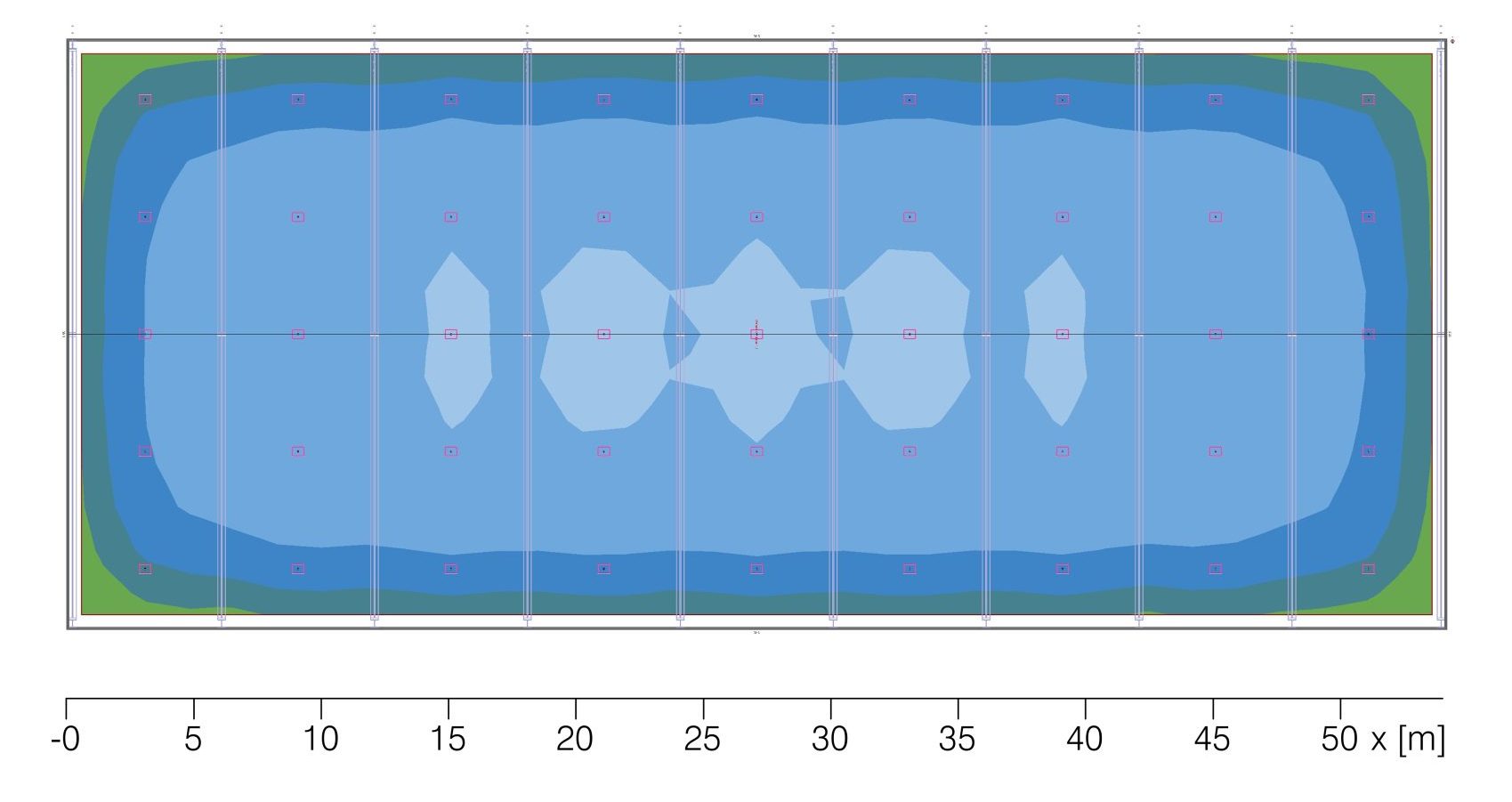
Using a scheme of traditional 250W SON wellglass fittings, 45 luminaires have been used to provide 346lx on the ground, delivering a uniformity of 0.71. However, the inefficiency of the SON wellglass means this scheme has a high total power consumption of 12.4kW.
Efficient Bay Lighting Table Lighting Design Wellglass
The design of a wellglass means that a lot of light is dispersed out to the sides of the unit; not necessarily where it’s needed, meaning a lot of light is wasted.
Now let’s compare these results with two further schemes using Raytec’s LED bay lighting solutions. For each of the comparisons, the same warehouse dimensions are used, as well as the same 6m mounting height.
SCHEME B – SPARTAN MID POWER BAY ZONE 2
In this second example, we’re using Raytec’s 12,500lm Mid Power Bay as a point-for-point replacement for the 250W SON wellglass lamp. This means the same number of fittings (45 luminaires) and formation (9 rows of 5 luminaires) is used.
Efficient Bay Lighting Tables Lighting Design Mid Power
This solution achieves a higher lux level of 359lx, while maintaining a good uniformity of 0.60. Critically though, the Mid Power Bay can deliver significant energy savings. The total power consumption has dropped to 4.5kW – a reduction of over 63%.
Let’s look at the numbers in more detail and see what this reduction in consumption equates to in terms of actual cost savings. These calculations assume an energy price of 20.5p/kWh* and that the light is switched on for 10 hours per day.
*Average Industrial business energy rate not including VAT taken from Department for Business, Energy and Industrial Strategy.
Using the 12,500lm SPARTAN Mid Power Bay delivers an energy saving of 64% (£5,892) a year. Also note that using a luminaire with a more efficient light output reduces the CO2 emissions of the lighting scheme by 15.08ton, offering greatly improved environmental benefits.
The directional nature of an LED light source, combined with Raytec’s choice of optics and beam angles, ensures the light can be targeted exactly where needed to provide the most efficient light scheme.
SCHEME C – LINEAR HO WL168 ZONE 2
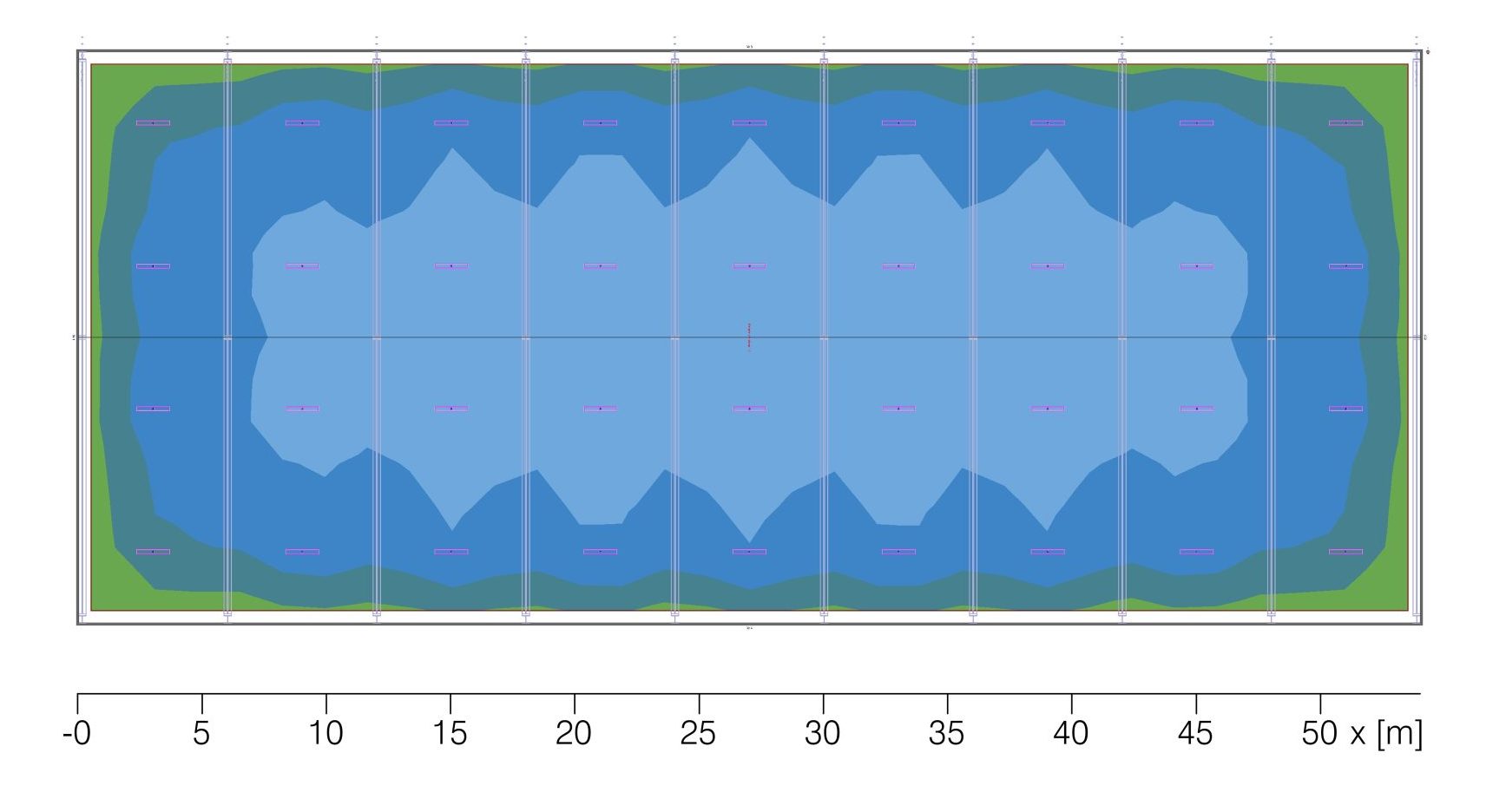
The third example offers an alternative solution to the traditional bay style fitting and utilises Raytec’s new Linear High Output luminaires. In this scenario, the target lux level is achieved using 9 fewer fittings than in scheme A and B. Using 36 luminaires, with a 9×4 luminaire layout, achieves 333lx on the ground while still delivering a uniformity of 0.62.
With a total energy consumption of 3.5kW, even greater savings can be achieved compared to the 250W SON solution. With fewer luminaires required to achieve the target lux levels, SPARTAN Linear High Output also helps to reduce the initial capital expenditure, thanks to lower procurement and installation costs.
For larger installations, the extent of these savings will grow exponentially and help end-users to significantly reduce both their initial outlay and ongoing running costs.
Thorne & Derrick can offer a comprehensive range of bay and area lighting solutions including hazardous area lighting, which can provide customers with significant capital expenditure and energy savings.
The new Linear High Output breaks the mould of conventional bay-style fittings. The luminaire provides a compelling solution both in terms of performance and cost-effectiveness.
Don’t hesitate to get in contact with us to discuss your requirements, or to utilise our free lighting design service to ensure you achieve the most efficient and cost-saving lighting solution for your application.
Thorne & Derrick International, based in the UK, are Preferred Distributors and Stockists for the Raytec SPARTAN range of ATEX lighting using LED technology for the illumination of hazardous area locations and potentially explosive atmospheres.
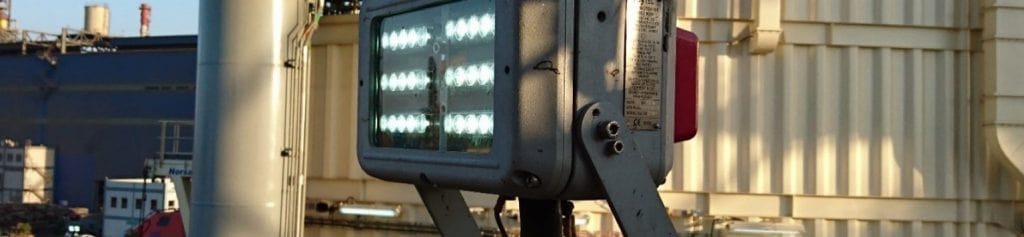
SPARTAN is a full range of Ex LED luminaires and lighting approved for all ATEX and IEC Ex Zone 1 and Zone 2 hazardous area environments, including UL /CSA C1D2 installations. The hazardous area lighting products are designed for the most extreme environments – Flood, Linear, Bulkhead, Bay and Crane luminaires with emergency and industrial lighting versions are also available from Thorne & Derrick International.
Lighting For Offshore Environments
Raytec is a world leader in LED lighting for hazardous area environments. Thorne & Derrick stock and supply the SPARTAN range of globally certified hazardous area lighting, delivering class-leading performance and reliability.
The Raytec SPARTAN range of globally certified Ex LED luminaires are designed for use in some of the most demanding hazardous area environments to deliver outstanding performance, reliability and durability. The WARRIOR range consists of heavy industrial LED luminaires, featuring the same levels of performance and durability as SPARTAN, but for use in safe area applications.
Luminaires from both the SPARTAN and WARRIOR range are ideally suited for offshore applications. In this Application Focus, we explore some of the challenges with specifying a luminaire to be used in an offshore environment and identify key features to consider.
LIGHTING REQUIREMENTS FOR OFFSHORE ENVIRONMENTS
Offshore environments represent one of the most challenging locations in which lighting fixtures are used. There are many different types of offshore applications which may require lighting. Let’s take a brief look at some common examples.
Oil and Gas – the applications that perhaps come to mind first when you think ‘offshore’ are likely to be those linked to the oil and gas industry. While there may be an increasing focus on renewable energy, global oil production amounts to around 90 million barrels per day and around 1/3 of that comes from offshore production. Ensuring a drilling rig or platform is well illuminated at all times is important to both the efficiency of operations and the safety of workers. Lighting used in offshore oil and gas applications will generally need to be certified for use in hazardous areas.
Maritime Vessels – any vessel used at sea will require some form of illumination on board. The type of lighting required will depend on the vessel and its operations, but for this article, we will focus on luminaires required for outdoor use where the conditions are most challenging.
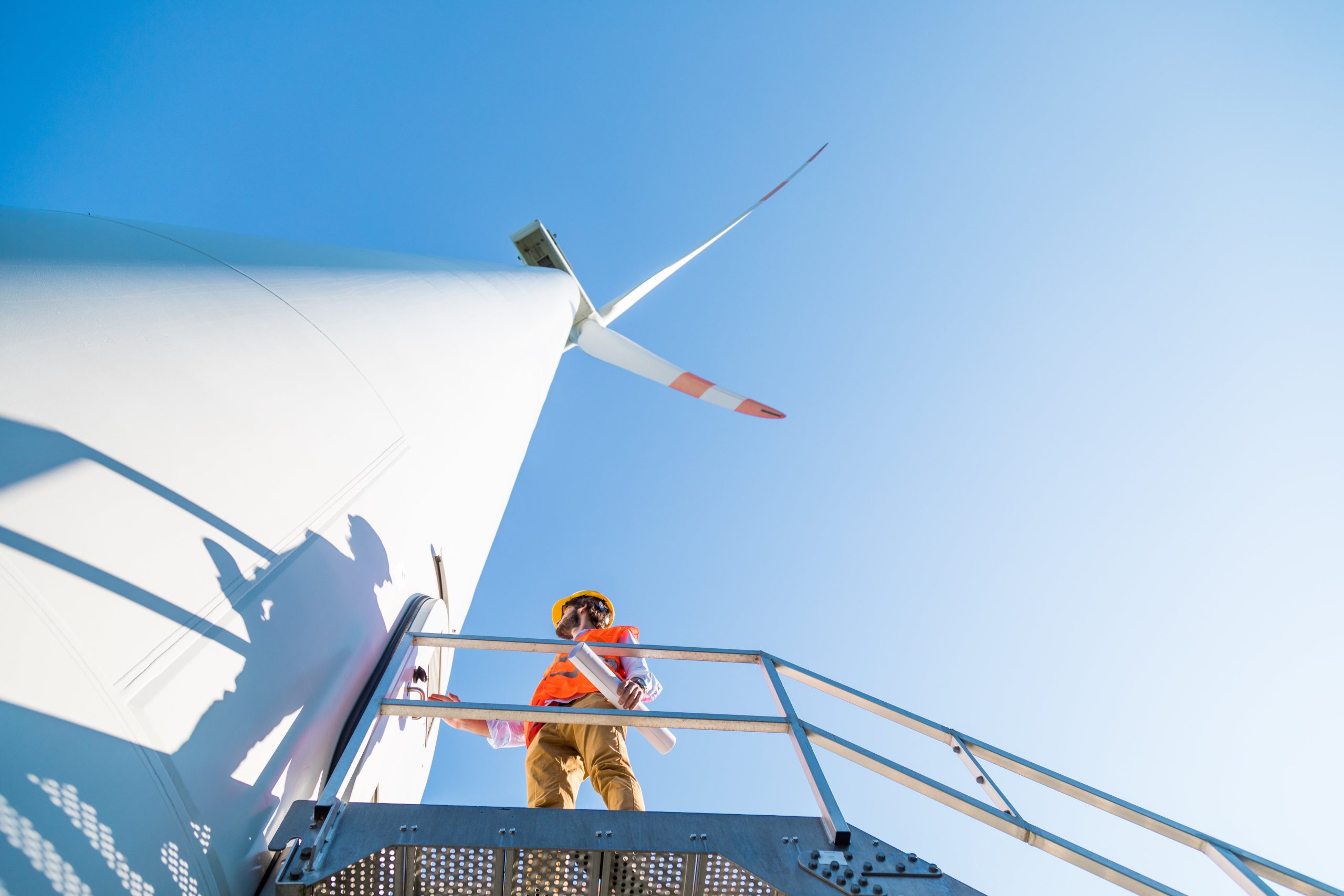
Renewable Energy – with increasing demand for renewable energy, we’re seeing more and more wind turbines and wind farms being installed offshore. Lighting for these applications is generally required to support access and maintenance operations.
Coastal Locations – the challenges we will discuss during this article will primarily focus on offshore applications, but they can also be applied to any coastal application that is exposed to similar environmental conditions.
Offshore Lighting Challenges
HAZARDOUS AREA CLASSIFICATION
While not all offshore environments are classified as hazardous areas, the nature of the activities taking place in offshore applications (especially those within the oil and gas industry) means equipment may be exposed to hazardous substances which could present the risk of explosion if not used in conjunction with the correct equipment. As a result, many offshore applications are classified as a hazardous area and any luminaires installed must comply with the relevant certification requirements.
SEA WATER AND SALINE ENVIRONMENTS
A saline environment (exposure to seawater spray and salt water-saturated air) presents a higher risk of corrosion compared to inland applications. Any luminaire installed in an offshore location needs to withstand these aggressive conditions. Once evaporated, salt water can also leave a thin salty film on the luminaire which may interfere with the performance by reducing light intensity.
HARSH WEATHER CONDITIONS
High wind speeds and other harsh weather conditions such as sleet, hail and heavy rains are a regular occurrence for offshore applications. Luminaires installed offshore often have little to no protection against the elements which means they are likely to encounter the full force of the environmental conditions.
The sun and prolonged exposure to its UV (ultraviolet) rays, presents another challenge for equipment being used in offshore locations. In applications such as wind turbines and oil platforms, any lighting installed in external areas may have to contend with continuous exposure to UV which can degrade certain materials.
REMOTE LOCATIONS
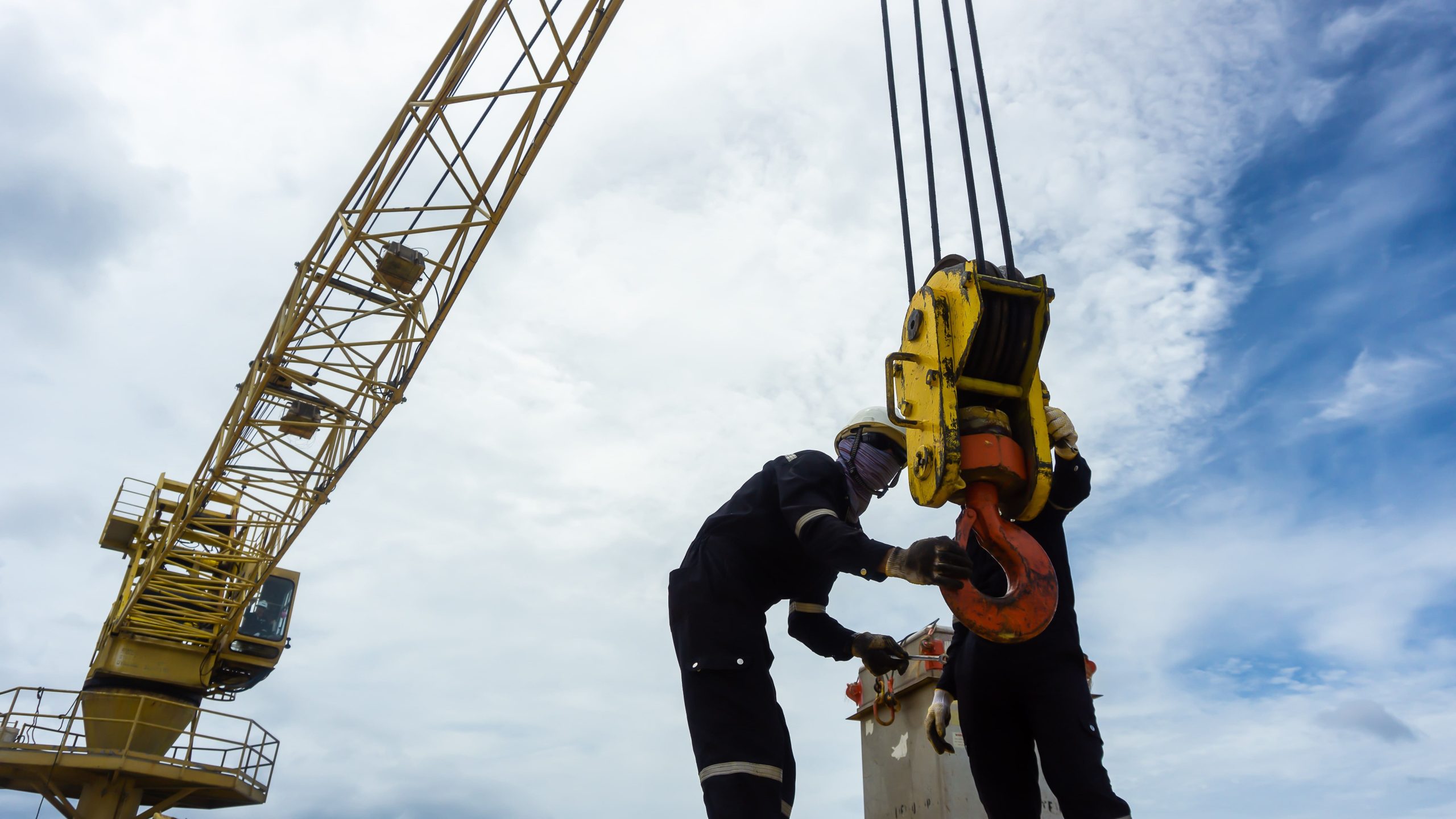
Sometimes located hundreds of miles from the coast, gaining access to an offshore rig or wind farm is difficult, slow and expensive when compared to land-based applications. The location of where lighting is installed offshore provides an additional complication; if maintenance does need to be carried out it may require the use of specialist equipment or labour such as rope access.
EXPOSURE TO CHEMICALS
Thinking about offshore applications in the oil and gas industry, and in particular drilling rigs, luminaires installed here may also have to withstand exposure to chemical substances. Heavy-grade cleaning chemicals are often used to clean surfaces where lighting fixtures may be installed. Furthermore, drilling fluid (or drilling mud) is used to aid drilling of the boreholes, but has a tendency to overflow and splash onto other areas. Containing a mixture of different chemicals, this also provides a risk to any lighting installed within its proximity.
VIBRATION
The machines and equipment used for producing oil and gas including engines, motors, generators, pumps, drill rigs, and piping all result in very high levels of shock and vibrations. While drilling companies will look for solutions to reduce vibration to protect workers, the same levels of precaution may not be taken for other equipment used onboard a drilling rig, so luminaires must be able to withstand high levels of vibration.
UNSTABLE POWER
The nature of offshore locations means many applications will rely on the use of generator-powered systems, which may not be as reliable as inland applications supplied by the grid. As a result, offshore applications are more susceptible to power outages, and more frequently experience voltage drops which may interfere with lighting and other electrical equipment on-site.
Why is Lighting Needed for Container Recognition Systems?
CHOOSE LED
When specifying lighting for an offshore application, we would always recommend that you opt for a luminaire which uses LED technology. Compared to more traditional light sources, such as fluorescent or high-pressure sodium, LED lighting offers many advantages for use offshore;
Vibration resistance – LEDs are naturally more resistant to vibration helping to reduce the number of failures related to vibration.
Lower maintenance with no need for re-lamping – the long-life LEDs mean that, unlike traditional light sources, there is no requirement for ongoing lamp changes over the course of the luminaire’s life
More consistent light output – the performance of traditional light sources will degrade much faster. For example, over time a fluorescent luminaire will lose almost 40% of its initial lumens, compared to an LED fitting which will lose just a fraction of this figure.
Better performance under higher temperatures – unlike conventional fittings, LED equivalents are largely unaffected by extreme hot or cold temperatures.
Voltage drops – traditional light sources may have re-strike delays which could cause temporary loss of light after a voltage drop. In contrast, SPARTAN and WARRIOR LED luminaries will continue to operate at full light output during short-term voltage drops, down to 100V, before the emergency function comes into operation, and will strike instantly if power is lost. When specifying Linear luminaires, you will generally find that there are two styles of LED fittings. Bespoke luminaires that have been specifically designed to house LED technology, or ‘boat’ style luminaires which use the same Glass Reinforced Plastic (GRP) housing as a traditional fluorescent fitting. We will discuss the suitability of GRP for offshore locations in the next section, but we would always recommend a bespoke luminaire which has been designed around the LEDs to provide the best lifetime and reliability.
OPT FOR A LUMINAIRE WITH A METAL ENCLOSURE
With a better understanding of an offshore location’s harsh environment, our recommendation is to specify a heavy-duty luminaire which has been constructed using a metal enclosure.
SPARTAN and WARRIOR products are designed and tested with offshore use in mind, constructed using marine-grade aluminium, epoxy powder coating and 316 stainless-steel fixings. In addition to this, Raytec luminaires are also IP66/67 rated and ABS approved to marine standards.
Our recommendation is to avoid luminaires constructed from Glass Reinforced Plastic (GRP) when specifying for offshore use. The prolonged exposure to the sun and UV rays can degrade GRP and cause the enclosure to become brittle over time, compromising the integrity of its IP rating. This causes maintenance issues and degrades the structural integrity of the luminaire’s enclosure. For offshore applications designated as a hazardous area, this could also provide a critical safety risk.
Luminaires designed with a GRP enclosure must also be mounted to a completely flat service. Any ‘twist’ in the enclosure when mounted to a slightly uneven surface may compromise the outer seal and lead to water ingress problems.
When considering Linear luminaires specifically, we’d also recommend choosing a more modern LED fitting that has been designed around the LEDs. The most susceptible part of any Linear luminaire is the light-transmitting outer cover, generally made from polycarbonate. This outer cover tends to be much larger on traditional fluorescent fittings (or those that have been converted to LED while using the same enclosure). Largely this is because the luminaires were originally designed for fluorescent tubes which emit light at 360 degrees. In contrast, the outer cover on a bespoke LED Linear does not need to be as large (given that LEDs are a directional light source). This allows the luminaire to be far more robust. See the durability of SPARTAN Linear in action here!
BRACKETRY AND FIXINGS
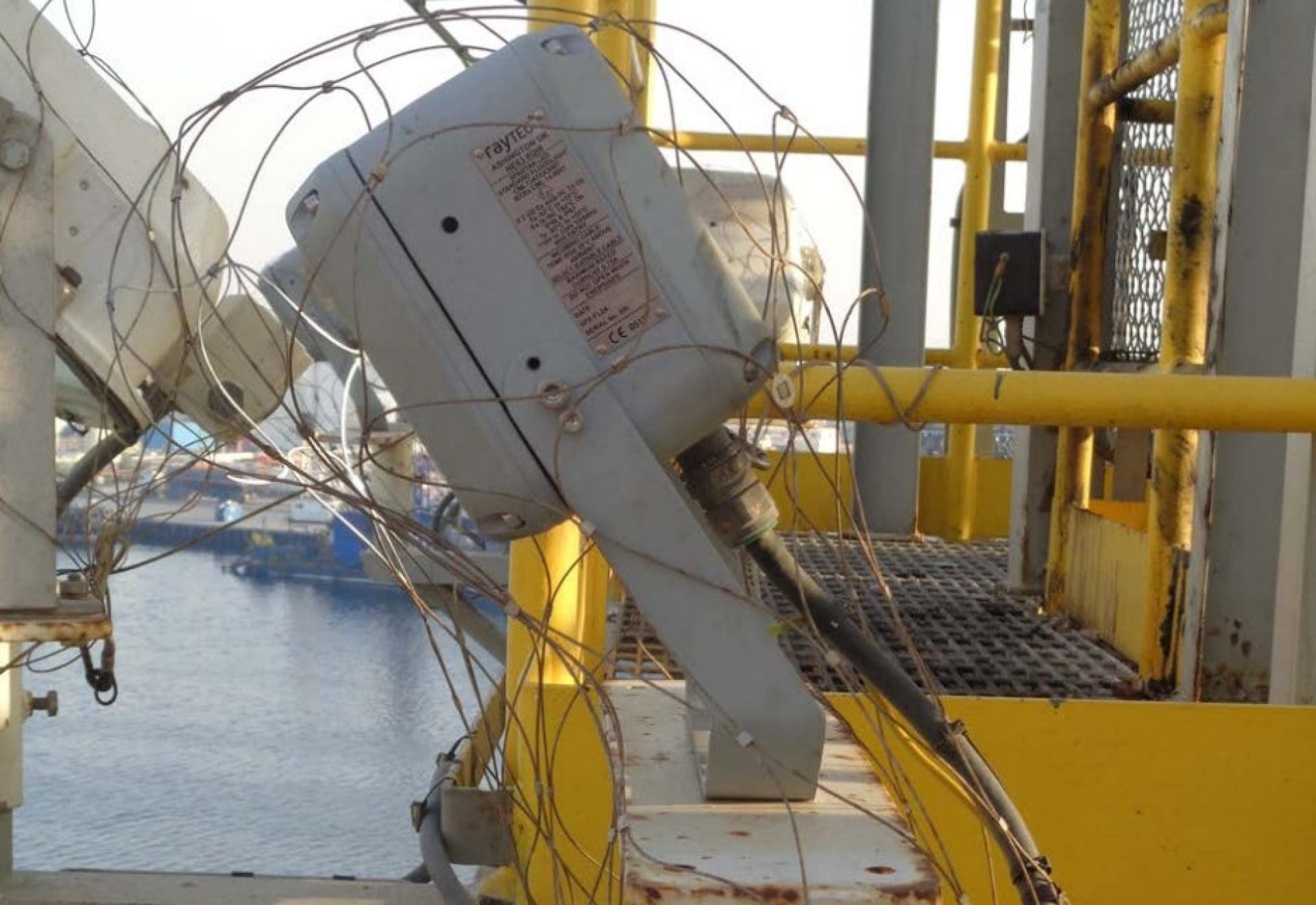
As well as the luminaire itself, you should also consider any bracketry or fixings which the luminaire is supplied with; they will be exposed to the same harsh weather and environmental conditions. If the bracketry is inadequate, the luminaire is susceptible to failing. This not only risks the luminaire being damaged but also presents a serious drop hazard. For this reason, many offshore locations stipulate that the luminaire must be supplied with a secondary retention point where a safety cable can be attached, so it’s important to check if your chosen luminaire is available with this option. Alternatively, safety nets designed to shroud the luminaire and protect the luminaire from falling are available, but they can block some of the light output.
MAINTENANCE
Given that access is so restricted in offshore locations, it’s critical to consider how frequently a luminaire must be maintained, but also how easy maintenance is to carry out. Firstly, specifying an LED luminaire will help to significantly reduce the number of maintenance interventions required compared to traditional light sources (such as fluorescent or high-power sodium luminaires), so long as it has been designed with proper thermal management. This means choosing a luminaire which has a bespoke housing designed around the LEDs, rather than opting for an LED fitting using a more traditional housing that was originally intended for fluorescent tubes. To keep costs and downtime to a minimum, you should specify a luminaire where maintenance can be carried out on-site and does not have to be returned to the manufacturer for repairs. SPARTAN and WARRIOR luminaires are designed with maintenance in mind and feature a unique modular design which means maintenance can be carried out quickly and easily. A power supply or battery module can be replaced on-site in a matter of minutes.
EMERGENCY LIGHTING
Given the high-risk nature of offshore environments, combined with the understanding that power sources are often unstable and unreliable, emergency luminaires that provide backup illumination in the event of a power outage are critical when specifying lighting for offshore.
Two of the main factors to consider when specifying emergency lighting are the duration and output.
Emergency duration – the length of time the luminaire can provide backup illumination.
Emergency output – the light output the luminaire will provide in emergency mode – generally measured as a percentage of its total light output in normal operation. These factors are always a trade-off against each other, and the higher the emergency output, the shorter the emergency duration will be. Duration and lux requirements differ by country, area, and task, but due to the increased risk levels, and the fact that escape routes may be less clearly defined when emergency scenarios occur, offshore the shutdown must generally happen quickly with maximum light levels to aid workers during evacuation.
SPARTAN and WARRIOR luminaires are available with up to 100% output for a 1-hour duration, which ensures there is no loss of output when switching to emergency mode. Maintaining a high output on emergency means the lux requirements could also be achieved with a smaller quantity of emergency luminaires, maximising efficiency. SPARTAN and WARRIOR luminaires also have the added flexibility of being available with different emergency output levels to enhance back-up duration if required.
Thorne & Derrick International, based in the UK, are Preferred Distributors and Stockists for the Raytec SPARTAN range of ATEX lighting using LED technology for the illumination of hazardous area locations and potentially explosive atmospheres.
SPARTAN is a full range of Ex LED luminaires and lighting approved for all ATEX and IEC Ex Zone 1 and Zone 2 hazardous area environments, including UL /CSA C1D2 installations. The hazardous area lighting products are designed for the most extreme environments – Flood, Linear, Bulkhead, Bay and Crane luminaires with emergency and industrial lighting versions are also available from Thorne & Derrick International.
EXPERTS IN EQUIPMENT FOR EXPLOSIVE ATMOSPHERES
LEADERS IN ATEX INNOVATION TO THE HAZARDOUS AREA INDUSTRIES
Thorne & Derrick are leaders in the development and distribution of Product Innovations that deliver significant improvements to clients plant, people and operational safety in the explosive atmosphere industries.
Your proactive problem solvers experienced in succession planning for the replacement of obsolete, non-conformant and legacy equipment in hazardous areas.
Your first-choice provider of innovative and competitive solutions to ensure ATEX & IECEx Compliance for Hazardous Area Electrical, HVAC & Process Instrumentation Equipment to UK and international projects.
UK’s largest stockist and supplier of Heaters for IBC Containers.
IBC HeatERS
Available From Stock
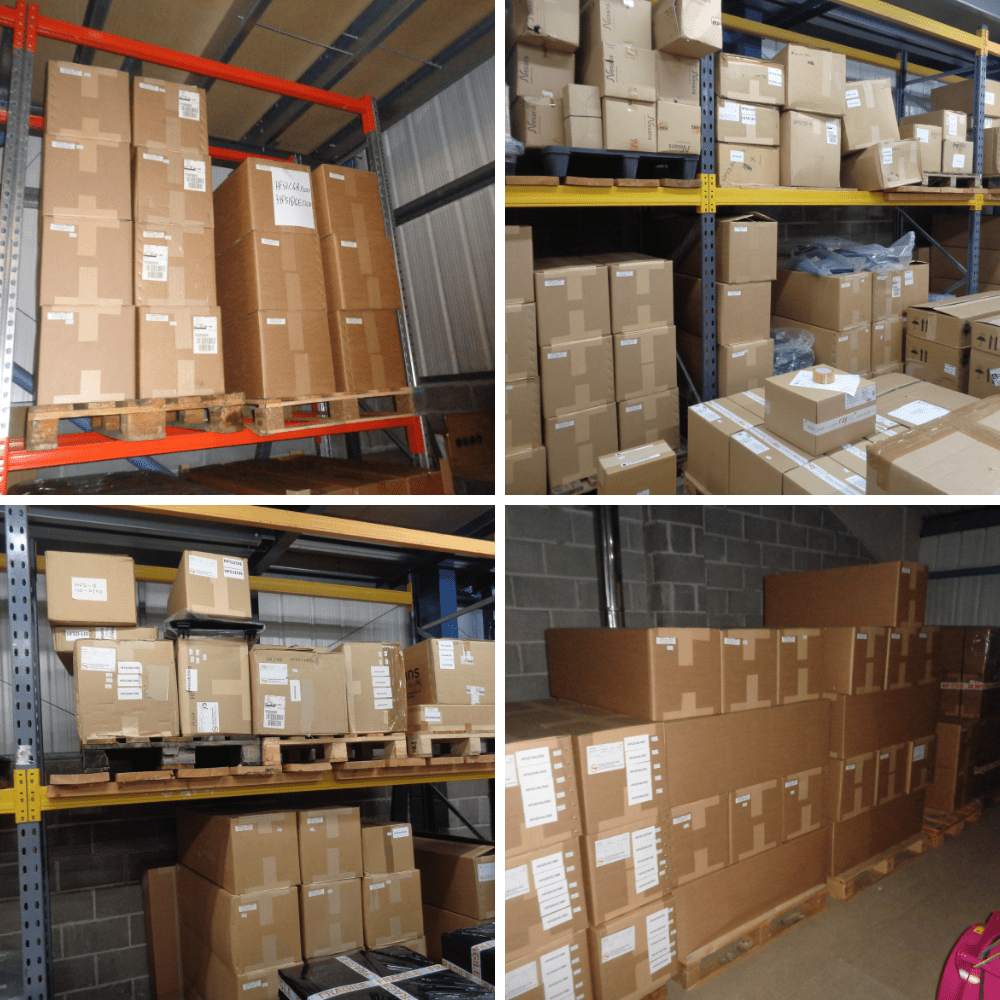
Don’t let freezing temperatures bring your operations to a standstill this winter! With our extensive stockholding and fast delivery service, Thorne & Derrick can quickly supply the equipment you need to protect your plant and personnel from the effects of winter.
Our experienced team can also provide technical advice and support to help you select the most suitable products for your specific requirements. Since 1985 we have prepared for the annual Beat the Big Freeze challenge, so this year we have introduced record stock levels across our range of IBC Heaters.
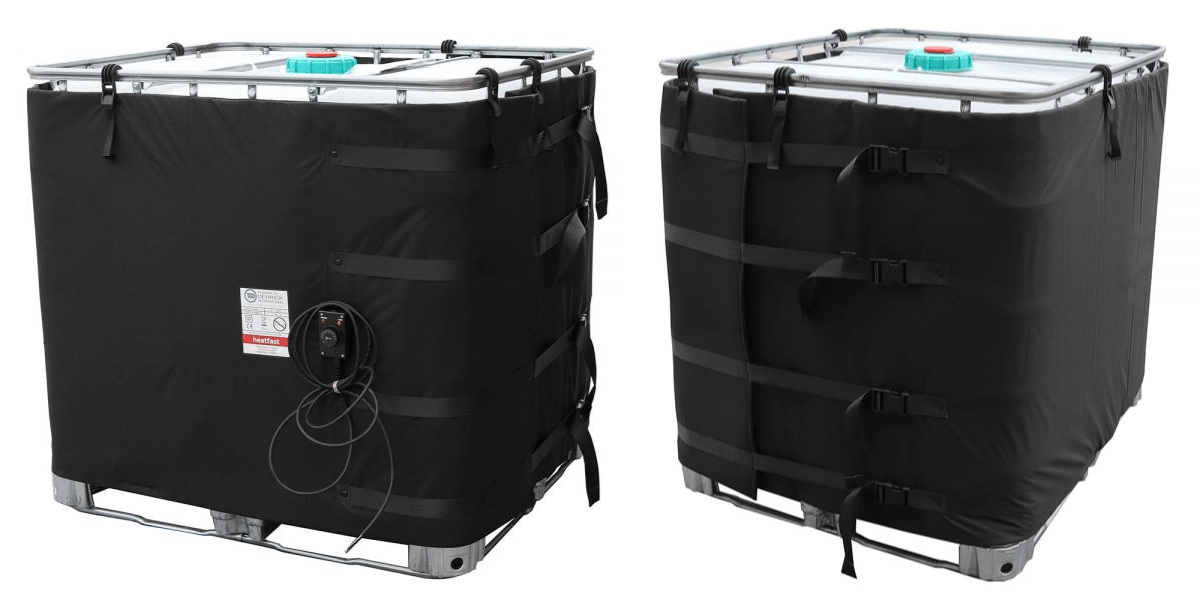
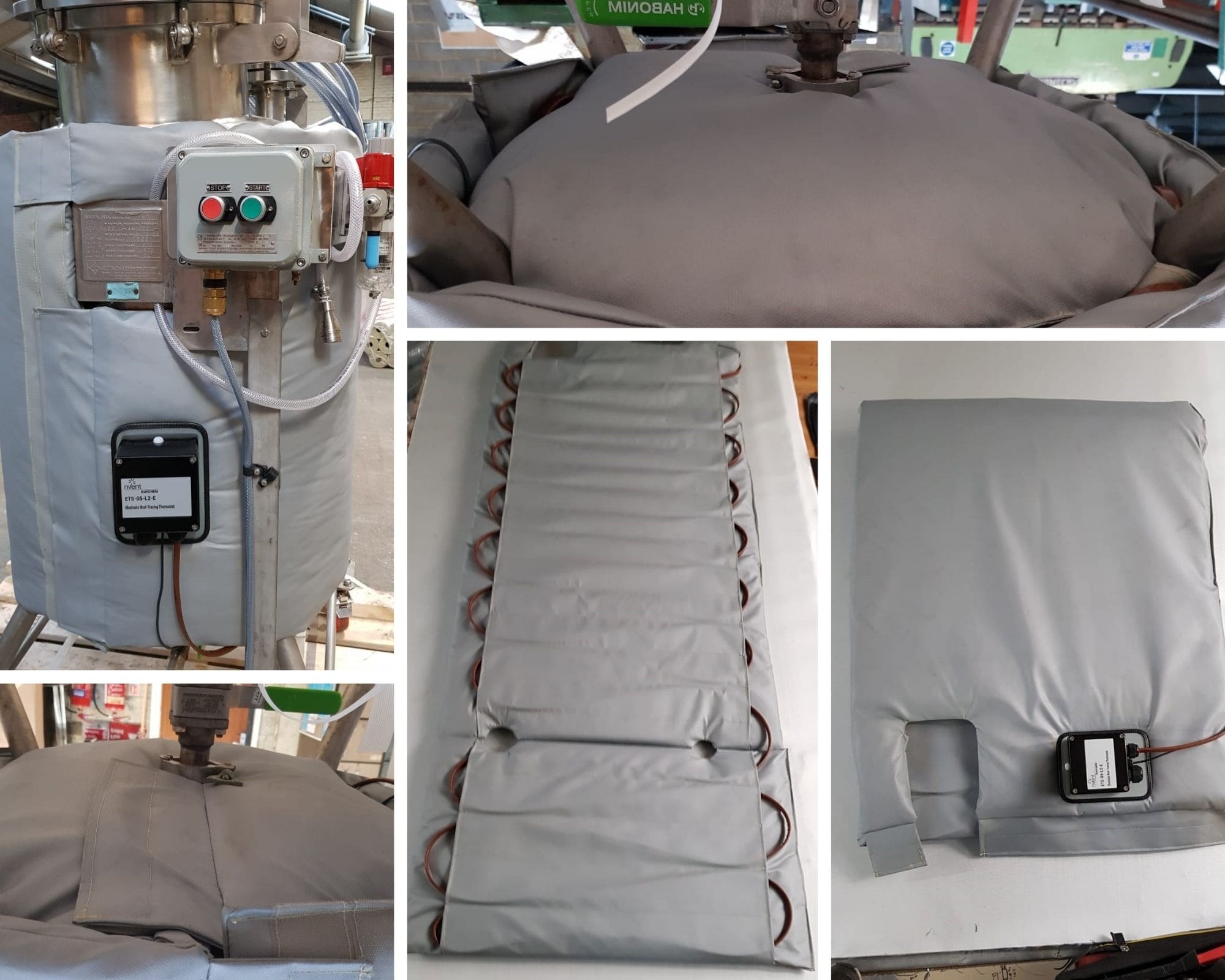
Thorne & Derrick’s IBC heating solutions provide a controlled and even distribution of electrical surface heat. The thermostatically controlled insulated heating jackets are designed to either maintain or raise the temperature of the IBC contents.
We can provide a selection of standard IBC heating jackets suitable for a variety of requirements, and can additionally supply ATEX IBC heaters suitable for hazardous area heating of IBC containers.
IBC Heaters
IBC heaters, also known as Intermediate Bulk Container heaters, are used to maintain the temperature of liquids inside IBC containers during cold weather or in cold environments. These heaters are designed to prevent the contents of the IBC from freezing or solidifying, ensuring that the liquid remains in its desired state for use.
There are different types of IBC heaters available in the market, including electric heaters, drum-style heaters, and insulated heating jackets.
Electric heaters are the most common type and are often flexible and easy to install. These heaters use electricity to generate heat and typically have adjustable temperature settings to suit different liquid requirements.
Drum-style heaters consist of a heating element wrapped around the IBC container, providing even heat distribution. These heaters are commonly used for viscous liquids or materials that require uniform heating.
Insulated heating jackets are designed to provide insulation and heat retention for the entire IBC container. They are made of durable materials such as silicone or fiberglass and can be strapped or wrapped around the container to provide protection against cold temperatures.
IBC heaters are commonly used in various industries such as food and beverage, chemical processing, pharmaceuticals, and agriculture. They help maintain optimal temperature conditions for sensitive or heat-dependent liquids, preventing damage or quality deterioration caused by cold temperatures.
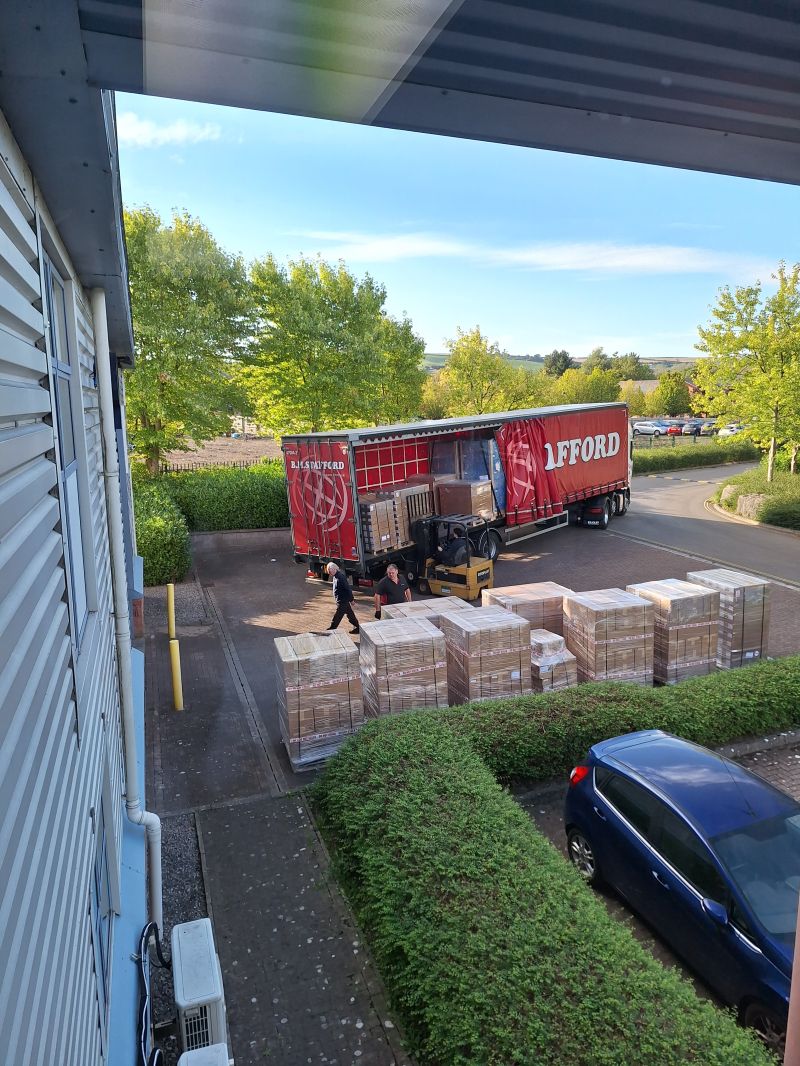
Winter stocks arriving at Thorne & Derrick’s Bristol Office | We hold the largest UK stocks of frost protection & winterisation equipment
Some key benefits of using IBC heaters include:
1. Preserving product integrity: IBC heaters ensure that liquids are kept at the desired temperature, preserving their integrity and quality. This is particularly crucial for products such as chemicals, food ingredients, or pharmaceuticals, where temperature fluctuations can impact their effectiveness or stability.
2. Cost-effective: By preventing freezing or solidifying, IBC heaters help avoid product wastage or damage. This saves businesses the cost of replacing spoiled or ruined products and ensures that valuable resources are not lost.
3. Time-saving: IBC heaters allow for efficient heating of liquids, reducing the time required for thawing or reheating. This is beneficial for industries that require quick and continuous access to liquids, such as food processing or manufacturing.
4. Versatility:IBC heaters are available in different sizes and designs, making them suitable for various container types and volumes. They can be customized to fit specific IBC sizes or shapes, ensuring a snug fit and maximizing heat transfer efficiency.
In summary, IBC heaters are essential for industries that require temperature control and protection for their liquid contents. They help prevent freezing, maintain product integrity, and save costs, making them a valuable investment for businesses operating in cold environments.
❓ Did you know? – Thorne & Derrick supply ATEX IBC heater jackets that can be used to heat IBC containers up to 60ºC for safe use in potentially explosive atmospheres, including Zone 1 & Zone 2 locations. In order to assist and accelerate heating times, an insulated lid can additionally be supplied.
BESPOKE IBC HEATERS
Prevent cold-weather damage to your critical process assets!
Our heating jacket technology can be adapted to suit non-standard containers and bespoke applications – suitable for both harsh industrial and hazardous areas.
With over 35 Years’ experience, T&D can offer tailored specification advice and produce in-house customised heating solutions with fast delivery to UK and international locations.Our technical experts will conduct heat loss calculations to ensure reliable process heating, temperature maintenance or frost protection of your container depending on the application.
Press Release Date: 02.04.2020 uploaded by Chris Dodds (T&D Sales + Marketing Manager) World’s First Fully Certified ATEX Doors Thorne & Derrick International, the Experts in Equipment for Explosive Atmospheres, today announce the signing of a Commercial Distribution Agreement...
Press Release Date: 04.07.2019 uploaded by Chris Dodds (T&D Sales + Marketing Manager) Category: Stockist Distributor Agreement Announcement Thorne & Derrick International announce that they have signed a Preferred Distributor Agreement with Raytec, the world leading manufacturer of LED...
















 Hazardous Area Lighting Upgrade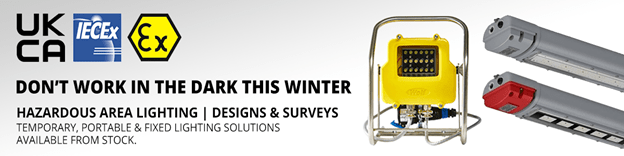




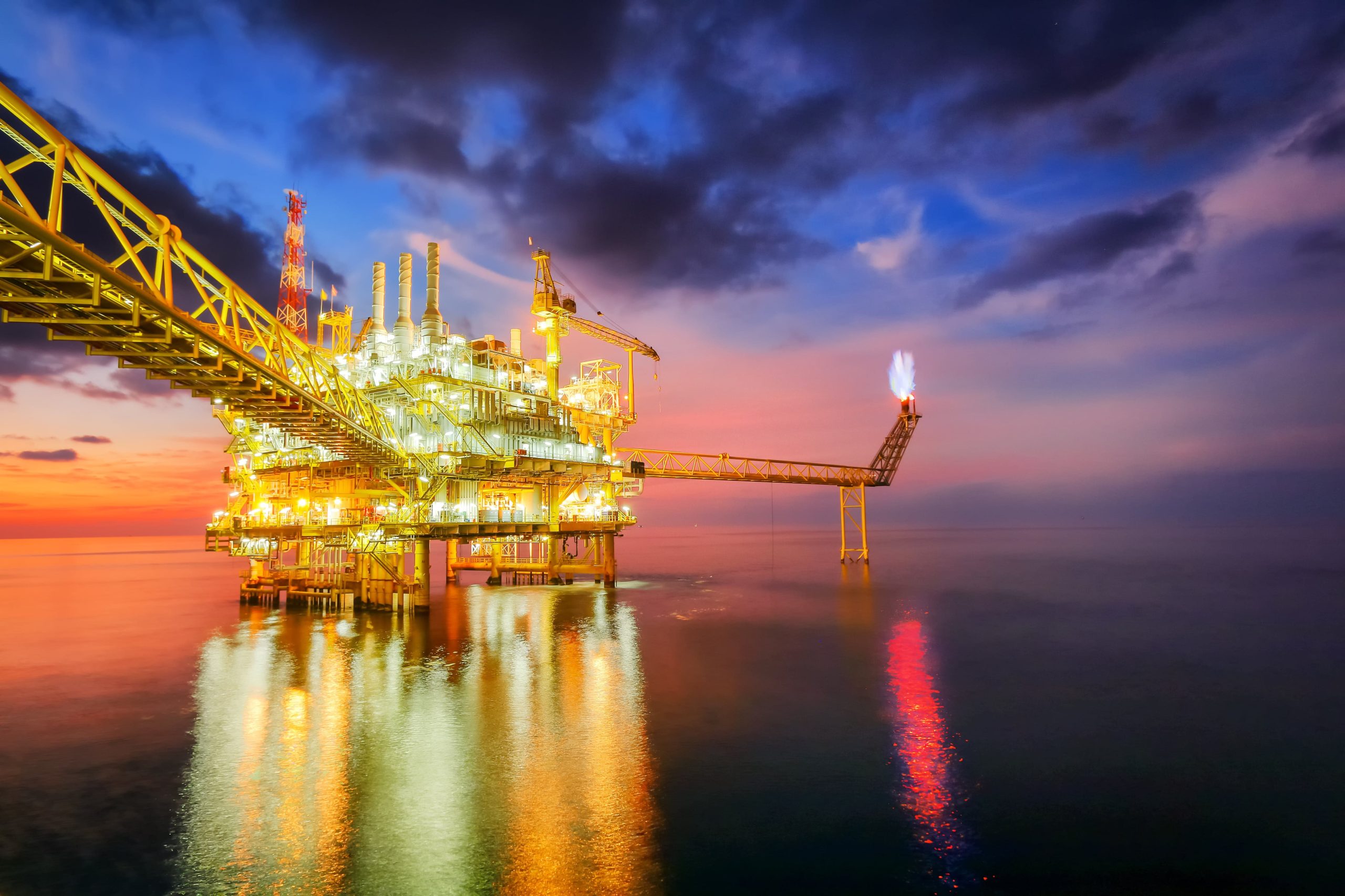 Oil and Gas – the applications that perhaps come to mind first when you think ‘offshore’ are likely to be those linked to the oil and gas industry. While there may be an increasing focus on renewable energy, global oil production amounts to around 90 million barrels per day and around 1/3 of that comes from offshore production. Ensuring a drilling rig or platform is well illuminated at all times is important to both the efficiency of operations and the safety of workers. Lighting used in offshore oil and gas applications will generally need to be certified for use in hazardous areas.
 REMOTE LOCATIONS