Safe, compliant lighting is essential where flammable gases, vapours or combustible dusts are present. This guide explains ATEX lighting zones, gas groups, temperature classifications (T-ratings), and the certifications you need to specify the correct explosion-protected luminaires. Whether you are a design engineer, safety manager, or site operator, this guide gives you the practical knowledge to choose, install and maintain ATEX lighting confidently.
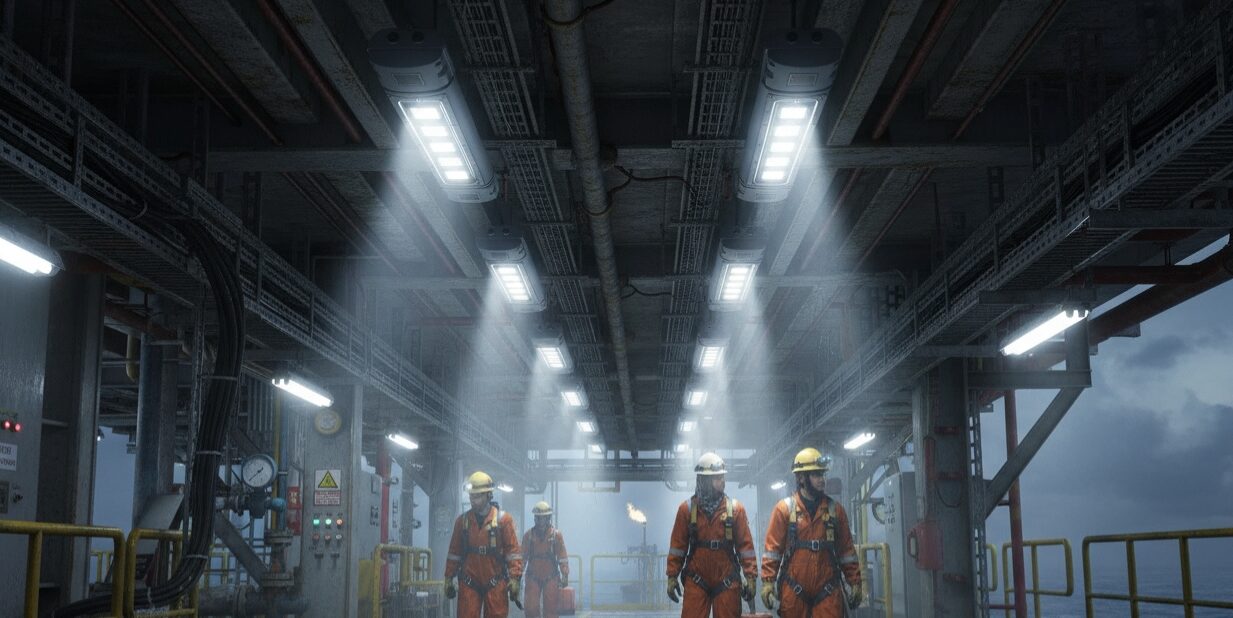
Non-certified lighting can create ignition risks through electrical sparking, hot surfaces or degraded components. ATEX-certified luminaires are engineered to eliminate those risks — reducing the chance of explosion and ensuring regulatory compliance. In hazardous industries such as oil & gas, petrochemical, chemical processing, mining and grain handling, correct lighting specification is a safety-critical decision.
What is ATEX (and how it fits with IECEx & UKCA)?
ATEX is the common name for the European regulations covering equipment used in explosive atmospheres. The current EU regulatory framework derives from Directive 2014/34/EU. ATEX covers design, testing and marking of equipment for safe use in hazardous zones.
Related schemes include:
IECEx – the international certification scheme under IEC standards, commonly used for global projects.
UKCA – Compliancy with UK legislation and is a replacement for the CE marking for the UK market following the UK’s departure from the European Union.
Together these schemes ensure luminaires are tested and certified to operate safely in specific gas or dust hazards. When specifying lighting, confirm which certification(s) your project or jurisdiction requires.
ATEX Zones Explained (Gas & Dust)
ATEX uses a zone classification to express the likelihood and persistence of an explosive atmosphere. Knowing the correct zone is the first step in lighting specification.
Zone Definitions
Zone (Gas)
Zone 0 – explosive atmosphere present continuously or for long periods.
Zone 1
Zone 1 – explosive atmosphere likely during normal operation (e.g. near flanged connections, vents).
Zone 2
Zone 2 – explosive atmosphere not likely during normal operation and, if it occurs, will persist only for a short period.
Zone (Dust)
Zone 20 – combustible dust present continuously or for long periods.
Zone 21
Zone 21 – combustible dust likely during normal operation.
Zone 22
Zone 22 – combustible dust not likely in normal operation and, if it occurs, persists only briefly.
Key point: Choose luminaires rated for the correct zone. A Zone 1 luminaire is suitable for Zone 1 locations but may not be necessary for Zone 2; conversely, using an under-rated luminaire is unsafe and non-compliant.
ATEX gas groups and temperature classes determine both the flammability properties of the atmosphere and the maximum surface temperature allowed for equipment.
Gas Groups & T-Ratings
Gas Group
IIA – less hazardous gases (e.g. propane). Suitable for many industrial spaces.
IIC – the most hazardous gas group (e.g. hydrogen, acetylene). Equipment must meet the highest safety standards.
T-Rating
T1–T6 indicate the maximum surface temperature allowed for the equipment (T1 = 450°C, T6 = 85°C). Match the luminaire’s T-rating to the ignition temperature of the gas or dust present.
Practical tip: Use conservative T-ratings in situations where combustible liquids or deposits can raise local surface temperatures or where dust layers could accumulate.
Types of ATEX Lighting
ATEX lighting comes in many form factors. Choose the style based on illumination needs, mounting, and zone classification.
Floodlights Zone 1&Zone 2 – for large external areas, yards and offshore decks.
Linear LED fittings Zone 1 &Zone 2 – high bays, walkways, and process lines.
Bulkheads Zone 1&Zone 2 – general area lighting and ingress-protected locations.
High BayZone 1&Zone 2 – warehouses, hangars & hazardous workshops
Emergency luminaires – maintained or non-maintained emergency options for safe egress.
Portable & task lighting – certified hand-lamps and temporary lighting for maintenance.
Specifying ATEX Lighting: Key Considerations
Specification is about more than zone and certification. Use the checklist below to make a robust selection.
Specification Checklist
Zone Rating: Confirm the zone classification for the exact mounting location.
Gas Group & T-Rating: Match the luminaire to the gas group and T-class of your environment.
Ingress Protection (IP): Consider IP66/67 for outdoor and washdown areas.
Corrosion Rating: Choose marine-grade or stainless options for offshore or corrosive environments.
Mounting & Optics: Select beam angles and mounting to avoid glare and ensure uniform illumination.
Emergency & Backup Options: Specify battery-backed emergency variants where safe egress is required.
Maintenance Access: Consider modular, serviceable designs that allow PSU or LED replacement.
Installation, Inspection & Maintenance
Correct installation and ongoing inspection are vital to performance and safety.
Competent personnel: Only qualified installers familiar with ATEX installations should work on hazardous areas.
Cable glands & sealing: Use certified glands and ensure correct torque and sealing compounds to preserve enclosure integrity.
Routine inspection: Scheduled visual inspections, lens cleaning, and checks of seals, glands and mounting hardware.
Service logs: Maintain inspection and maintenance logs for compliance and traceability.
Common Mistakes to Avoid
Incorrect zone selection: Specifying a lower rated luminaire for a higher risk zone is dangerous and non-compliant.
Ignoring dust classifications: Treat dust hazards with equal rigour to gas hazards — they can be equally hazardous.
Using non-serviceable fixtures: Non-serviceable units are harder to maintain and can be costlier over life cycle.
Poor cable system installation: Sub-standard cable glands and routing undermine the luminaire’s protection.
ATEX Lighting FAQs
Q: What does ATEX stand for?
A: ATEX is derived from the French “ATmosphères EXplosibles”. It refers to EU directives and standards for equipment used in explosive atmospheres. The directive defines essential safety requirements for the design and testing of equipment used in hazardous areas.
Q: What is the difference between ATEX and IECEx?
A: ATEX is a European compliance system; IECEx is an international certification system administered by the IEC. Both ensure equipment meets safety standards, but IECEx is often used for global projects outside the EU while ATEX is essential for EU jurisdictions. Many manufacturers carry dual ATEX and IECEx certification.
Q: Can I use an ATEX light rated for Zone 2 in Zone 1?
A: No. A Zone 2 rated luminaire is designed for environments where an explosive atmosphere is unlikely under normal operation. Zone 1 locations are higher risk and require luminaires rated specifically for Zone 1. Always match or exceed the required zone rating.
Q: How often should ATEX lights be inspected?
A: Inspection frequency depends on site risk and operating conditions, but regular visual checks and a formal inspection at least annually are common. High-risk or outdoor corrosive environments may require more frequent checks. Follow manufacturer guidance and local regulations.
Conclusion & Next Steps
Specifying ATEX lighting demands a clear understanding of zones, gas groups, T-ratings and the installation environment. Use conservative assumptions when in doubt, prioritise serviceable, modular luminaires for easier maintenance, and ensure qualified personnel manage installation and inspection. If you need help confirming zones or selecting the correct luminaires for your site, our lighting specialists can provide site surveys, specification support, and ATEX-compliant product recommendations.
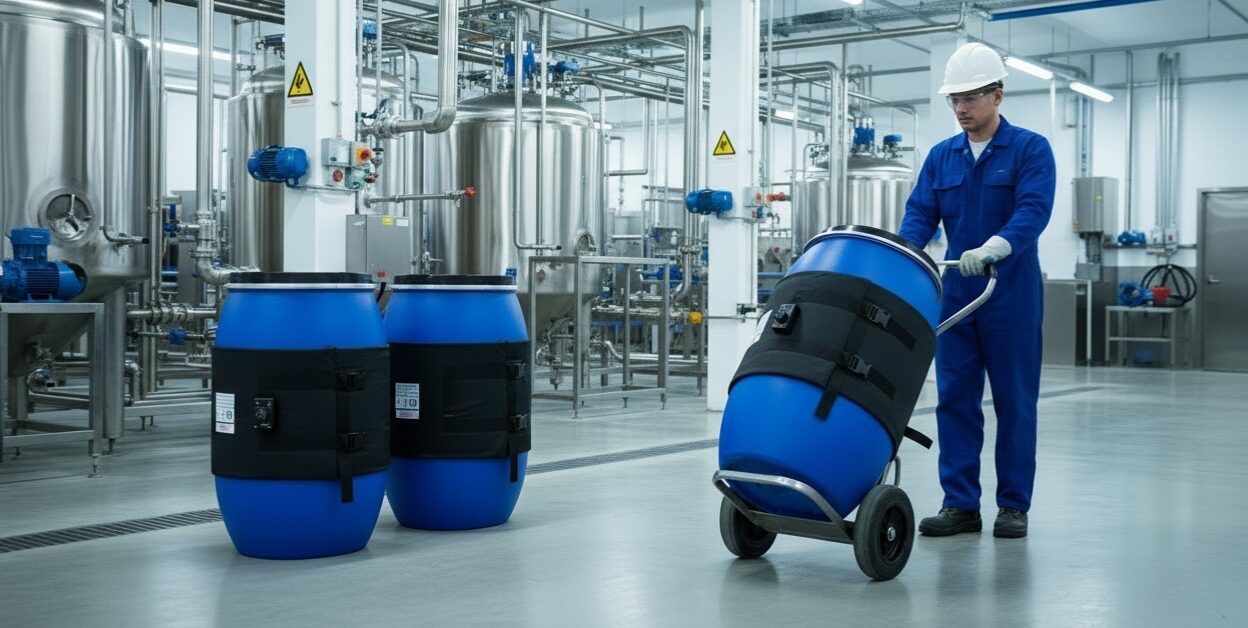
When temperatures drop, industrial sites face a costly seasonal problem — fluids stored in drums and IBCs freezing or thickening. Whether you’re storing oils, adhesives, resins, chemicals, or food products, cold weather can cause viscosity changes, product solidification, and downtime.
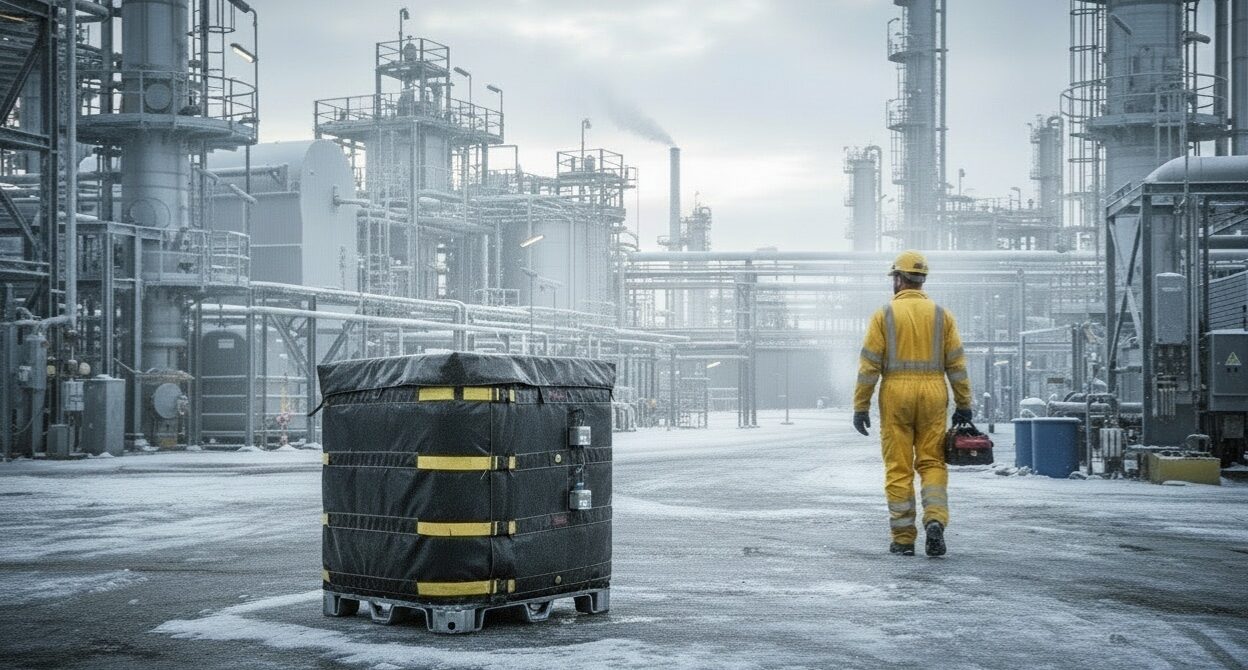
If these materials freeze or become too viscous to pump or pour, operations can grind to a halt. Fortunately, Drum Heaters and IBC Heaters provide a safe, energy-efficient way to keep materials at optimal temperature throughout winter.
When process fluids freeze or thicken, it’s not just inconvenient — it’s expensive:
Production downtime: Machines can’t pump or dispense solidified materials.
Product loss: Certain materials are ruined when reheated incorrectly.
Equipment damage: Pump seals, pipes, and valves can crack under pressure.
Increased maintenance: Extra time spent warming or replacing product.
What Are Drum Heaters and IBC Heaters?
Drum Heaters and IBC Heaters are purpose-built electric heating systems designed to maintain or raise the temperature of stored fluids, preventing freezing or solidification. They’re available in various forms to suit different materials, drum sizes, and environments.
Types of Drum Heaters
Drum Heater Jackets – insulated wraps with integrated heating elements for even heat distribution.
Drum Base Heaters – rapid heat-up from beneath the drum.
Silicone Drum Heater Bands – ideal for viscosity control and targeted heat.
Types of IBC Heaters
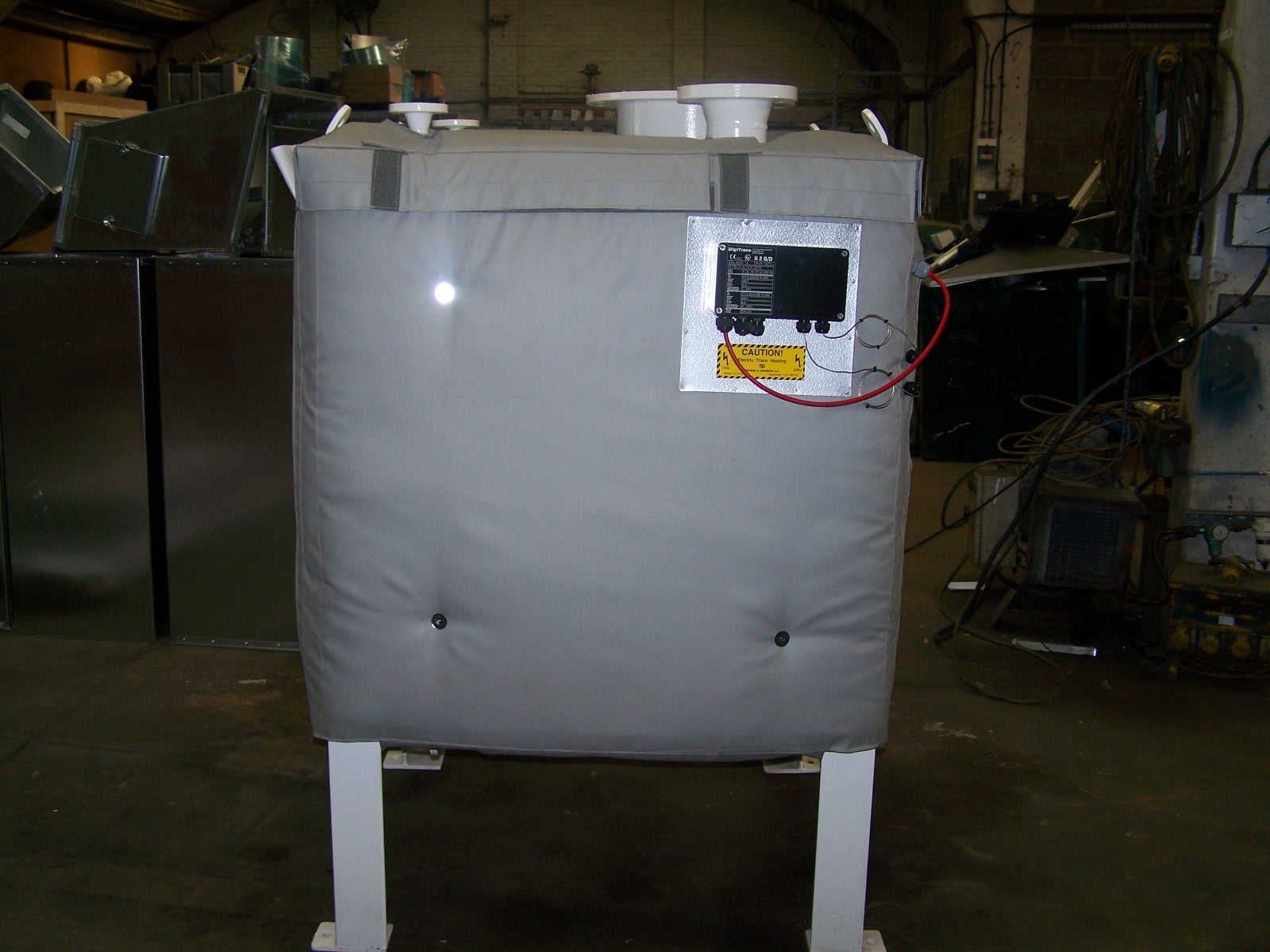
IBC Heater Jackets – full wraparound insulated covers with adjustable thermostats.
IBC Base Heaters – heavy-duty heating plates for heat-up from below.
Lid Covers – reduce heat loss from the top surface.
How Drum and IBC Heaters Work
These systems use electric heating elements encased in durable, flexible materials. The elements deliver consistent, evenly distributed heat across the drum or IBC surface, while thermostats ensure precise temperature control. Combining heaters with insulation jackets maximises efficiency and reduces energy consumption.
Common Applications
Adhesives and Resins – maintain pumpable viscosity.
Oils and Lubricants – prevent separation or solidification.
Food and Beverage – keep syrups, fats, and honey flowing.
Chemicals and Coatings – ensure process stability.
Water Treatment and Waste Management – prevent freezing of liquids.
How to Choose the Right Drum or IBC Heater
Selection Factors
Container Type
25L–205L drums or 1000L IBCs require appropriately sized heaters for effective coverage.
Product Type
Viscosity and material composition determine the heating method — oil, resin, chemical, or food-grade.
Required Temperature
Define whether you need frost protection (5–10°C) or process heating (up to 80°C).
Environment
Hazardous or industrial zones require ATEX-certified heaters.
Power Supply
Select between 110V or 230V supply depending on your site configuration.
Heat-Up Time
Base heaters or dual-element jackets provide faster heating for viscous products.
Mobility
Portable drum heaters are ideal for temporary applications or changing storage locations.
Drum & IBC Heaters for Hazardous Areas (ATEX)
In explosive or hazardous zones, standard heaters can’t be used safely. That’s where ATEX-certified Drum Heaters and ATEX-certified IBC Heaters provide peace of mind. Built for Zone 1 and Zone 2 hazardous area environments, they deliver:
Flameproof, spark-safe construction
Precise temperature control
Compliance with ATEX, IECEx, and UKEX standards
Energy Efficiency and Sustainability
Modern Drum Heaters and IBC Heaters are designed for maximum energy efficiency. They use self-regulating heating elements, advanced insulation, and smart temperature control. Compared to heating an entire storage area, targeted drum and IBC systems can reduce energy use by up to 60–80%.
Installation & Safety Best Practices
Inspect containers before use – no dents, leaks, or contamination.
Ensure even surface contact between the heater and drum wall.
Use thermostats or controllers to maintain safe operating temperatures.
Combine with insulation jackets to reduce energy loss.
Follow all manufacturer and site safety guidelines.
Winter Checklist: Prevent Frozen Drums & IBCs
Identify materials prone to freezing.
Fit Drum Heaters and IBC Heaters before the first frost.
A: Yes — ensure they are IP-rated and weatherproof, ideally combined with insulated jackets for maximum protection.
Q: How long does it take to heat a 200L drum?
A: Typically 4–8 hours to reach a stable working temperature, depending on the product and heater wattage.
Q: Are Drum and IBC Heaters food-safe?
A: Yes, food-grade versions use FDA-compliant materials and are suitable for syrup, honey, and dairy applications.
Q: Can I leave an IBC Heater on overnight?
A: Yes — with a thermostat or controller, heaters maintain safe, consistent temperatures automatically.
Conclusion
Don’t let freezing temperatures halt your operation this winter. Drum Heaters and IBC Heaters provide reliable, efficient, and proven protection for critical materials. Keep your products flowing and your operations efficient with the right heating solution.
Thorne & Derrick | Hall 5, Stand L10 | 21st & 22nd May, 2025 | NEC, Birmingham, UK
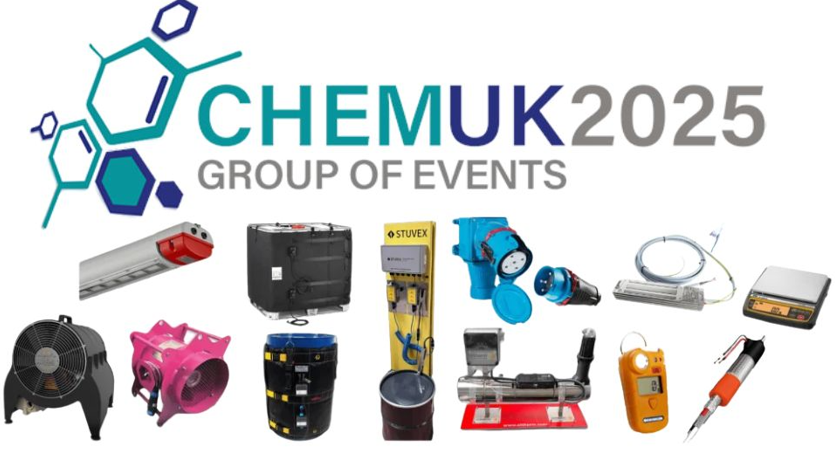
The UK’s largest expo supporting the chemicals, process engineering, and formulated product industries makes its annual return to the National Exhibition Centre in Birmingham on Wednesday 21st May & Thursday 22nd May, with Thorne & Derrick making a return as exhibitors at CHEMUK 2025, featuring an improved stand, showcasing an extensive range of market-leading products, as well as specialist solutions at your disposal.
From explosion-proof heaters and control panels to trace heating systems and temperature sensors, our extensive product range is engineered to deliver reliability in harsh and hazardous environments – whether it’s Zone 1 or Zone 2 classified areas. Offering 40+ years of industry experience, our experts will be on hand to discuss how we help industrial operators across oil & gas, chemical processing, and pharmaceuticals maintain safe and efficient operations.
Visitors to our stand can explore some of the latest innovations from global manufacturers, backed by our technical support and industry expertise. Whether you’re involved in specifying equipment for new installations or maintaining existing plant infrastructure, Thorne & Derrick offers the technical insight and product range to support your project from design to delivery.
After making our CHEMUK debut back in 2022, as well as exhibiting last year, Thorne & Derrick will be returning to the floor in 2025. We will be located in Hall 5, Stand L10. So, pop along and say hi to Terry McDonald, Laura McCabe, Dylan White & Natalie Ramsey. The expo will present 550+ specialist exhibitors and 100+ expert speakers split between five focused show zones:
Chemicals Supply Show Zone
Chemicals Management Show Zone
Process & Chemical Engineering Show Zone
Chemical Laboratory Show Zone
NEW FOR 2025: Formulated Product Manufacturer Show
Thorne & Derrick’s Stand at CHEMUK 2025
Thorne & Derrick will be featuring a range of products and solutions including innovations in Power, Heat, Ventilation, Lighting & Security for use in harsh industrial and hazardous area environments – helping to improve our clients’ operational efficiency and safety.
Knowing how to install trace heating correctly is crucial for ensuring system performance, safety, and compliance—especially in industrial environments where downtime and failures can be costly. Whether you’re working in oil and gas, chemical processing, food production, or utilities, this guide will walk you through the key steps and considerations when installing trace heating systems.
We’ll also answer related questions such as:
How does trace heating cable work?
What does a trace heating system look like?
What are the different types of heating cable installations?
If you’re looking for information on how to install trace heating, or even asking how to install heat tracing, you’re in the right place—these are simply interchangeable terms referring to the same process: applying electrical heating cables to pipes, tanks, or equipment to prevent freezing or maintain process temperatures.
Need to know more about How To Install Heat Trace from the experts and determine whether it’s essential for your business?
How Does Trace Heating Cable Work?
Before diving into installation, it helps to understand what is trace heating?how do trace heating cables work?
Trace Heating cables—also known as heating cables or heating tapes—generate heat through electrical resistance. They’re installed along the length of a pipe, tank, or valve and are typically controlled via a thermostat or controller that regulates temperature to prevent overheating or inefficiency.
When installed properly, trace heating systems offer years of safe, efficient performance.
What Does a Trace heating System Look Like?
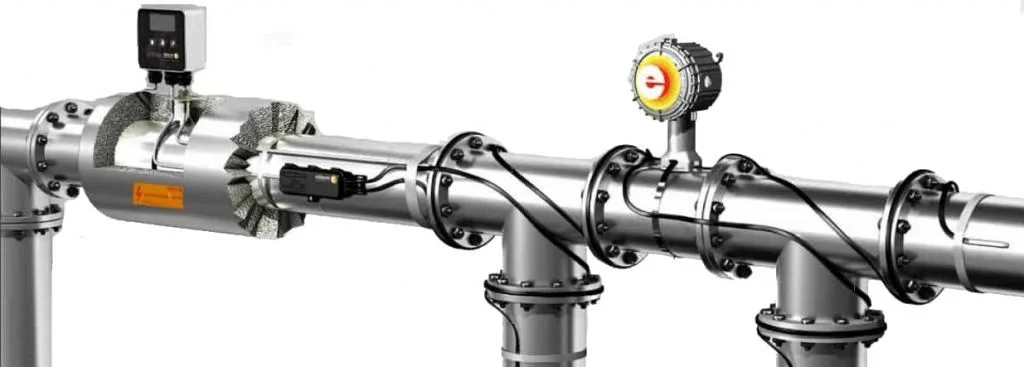
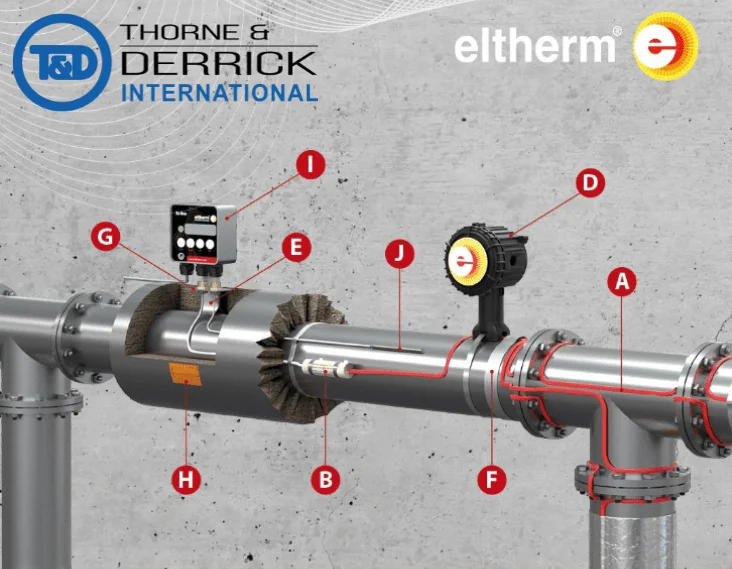
A fully installed industrial trace heating system includes:
Heating Cable: Installed directly on the pipe or equipment.
Power Connection Kits: Connect the cable to a power supply.
End Seals: Protect the cable end from moisture and damage.
Temperature Controller/Thermostat: Monitors and controls heat output.
Thermal Insulation: Minimises heat loss and protects the cable.
Warning Labels: Indicate the presence of a trace heating system for safety and compliance.
In some cases, you’ll also find junction boxes, circuit breakers, and monitoring systems—especially in larger or hazardous area installations.
Step-by-Step: How to Install Trace Heating
The following installation process is designed for industrial trace heating applications and assumes the use of self-regulating or constant wattage cables.
1. Plan the System Layout
Survey the site to determine pipe lengths, valve positions, and fittings.
Identify power source locations and determine circuit lengths.
Perform heat loss calculations to determine cable type, wattage, and number of circuits.
Tip: Consult with one of our trace heating specialists or use manufacturer-specific layout design software.
2. Prepare the Pipe Surface
Clean the surface of the pipe or equipment to remove oil, dust, or rust.
Ensure that all sharp edges or burrs are removed to avoid damaging the cable.
Dry the surface completely before applying heating cable.
3. Install the Heating Cable
Lay the trace heating cable along the bottom 4 or 5 o’clock position of the pipe for efficient heat transfer.
For larger pipes or higher wattage needs, spiral or multiple parallel runs may be required.
Do not overlap the heating cable unless the cable is rated for overlap (only certain self-regulating cables are).
Use approved fixing tape or cable ties at regular intervals—do not use metal straps or wire that could damage the cable.
4. Install Power and End Terminations
Use manufacturer-supplied power connection kits to safely terminate cables.
End seals are critical for preventing moisture ingress and ensuring system integrity.
Follow manufacturer instructions exactly—especially for hazardous area (ATEX/IECEx) installations.
5. Install Temperature Control
Mount the thermostat or controller near the heat-traced line or on a representative pipe section.
Insert the temperature sensor under insulation and as close as possible to the pipe surface.
Ensure sensors are properly secured and protected.
6. Apply Thermal Insulation
Wrap the traced pipe or equipment with approved insulation—usually mineral wool, foam glass, or closed-cell foam depending on the environment.
Add a vapor barrier or jacket if exposed to moisture or outdoor conditions.
Secure insulation tightly and ensure no air gaps between the heating cable and the pipe surface.
7. Label and Document
Apply trace heating warning labels at regular intervals on the insulation (every 3–5 metres).
Update your facility’s documentation with:
Cable routing diagrams
Circuit IDs and locations
Power consumption data
Inspection records
8. Test the System
Perform continuity and insulation resistance tests before energising.
Use a megohmmeter to verify insulation resistance exceeds manufacturer minimums.
Once tested, energise the system and monitor for proper heating and control.
Bonus: Key Installation Tips
Avoid bending heating cables beyond the minimum bend radius.
Never install a damaged or cut cable—replace immediately.
Protect exposed ends and terminations from water ingress at all times.
Always follow local electrical codes and consult qualified electricians for high-voltage or hazardous-area work.
FAQs
Can You Install Trace Heating Yourself?
In residential or commercial applications, it may be possible. However, for industrial systems, a qualified technician or electrician is recommended—especially for high-voltage systems, hazardous areas, or critical process lines.
How Long Does It Take to Install Trace Heating?
A typical industrial installation can range from a few hours for a small skid-mounted system to several days or weeks for a large facility, depending on pipe lengths, complexity, and environmental factors.
Is Trace Heating Cable Safe?
Yes—when installed correctly, trace heating cable is extremely safe and reliable. Self-regulating cables prevent overheating, and industrial systems include safeguards such as circuit protection, thermal controllers, and insulation.
Need A Trace Heating Solution?
With more than four decades of industry expertise, Thorne & Derrick are recognised leaders in delivering specialist trace heating solutions for a wide range of industrial applications. From hazardous zones and extreme climates to critical process control systems, we design bespoke solutions tailored to the specific needs of your operation and can provide crucial knowledge on how to install trace heating systems.
Our services include comprehensive in-house heat loss analysis, system design, and technical specification, backed by a commitment to engineering excellence. Using only premium, market-leading trace heating cables and components, we provide cost-effective systems that enhance operational efficiency, minimise downtime, and support long-term project reliability—from initial concept through to full commissioning.
Heat tracing systems can also be used to maintain higher temperatures and reduce the viscosity of the media.
The cost of installing a tank frost protection system can be insignificant when compared to costs of damage caused to tanks as a result of freezing or worse still, process down time.
It is important when designing a tank frost protection heat tracing system, that all factors are considered including, tank size & orientation, tank material, tank contents, minimum ambient temperatures and thermal insulation.
T&D have over 35 years heat tracing experience and use the latest computer software to design a heat tracing system that offers adequate frost protection but is also energy efficient and provides the client with the control options necessary.
Depending on the size of a tank or vessel, it may be possible to install a heating jacket which is manufactured to fit. These offer the user a more flexible approach as the jackets can be removed as and when necessary.
It can also reduce costs associated with thermal insulation and mechanical protection. T&D offer a standard range of heating jackets but can also offer tailor made solutions for any given application. This includes frost protection and heat up of tanks and vessels in hazardous areas.
The Benefits Of Tank And Vessel Trace Heating for Frost Protection
By installing heat tracing cable you can frost protect your tanks and vessels ensuring that freezing temperatures don’t affect production or processes and result in costly delays.
T&D provide a free design service for frost protection for tanks & vessels send us the following information about your tank and we can design a system for you. This specification includes:
Tank/vessel dimensions including any outlet and inlet pipes
What material is the tank made from and is it indoors or outdoors
What product is in the tank
What is the minimum ambient temperature
What is the maintain temperature- note for frost protection we assume 5 degrees Celsius
We will recommend an insulation thickness but if you have any preference please confirm size
What power supply do you have available, i.e. either 110v or 230v
Tank Heating
Once we have the above information we can design your tank/vessel frost protection system for you to install. Installation is very straight-forward. Fix the trace heating cable to the outside of the tank, at the spacing we recommend, using the foil tape supplied.
Connect the frost protection trace heating cable into the surface temperature sensing thermostat, connect to a power supply and your tank/vessel is frost protected . The digital display on the thermostat allows you to quickly and easily see the temperature of the tank/vessel.
The thermostat also has volt free contacts allowing you to connect your frost protection trace heating system to the BMS.
Supplying Heat Tracing To British Tank Manufacturer
T&D are proud to be supporting British tank manufacturers by offering heat tracing solutions for rainwater harvesting tanks.
The manufacturer approached T&D for a heat tracing solution that would provide frost protection and temperature maintenance for the rainwater harvesting tanks.
Installing heat tracing cable frost protects your tank and stops freezing temperatures from effecting processes or production which ultimately could avoid costly delays.
EXPERTS IN WINTERISATION SOLUTIONS FOR INDUSTRIAL & HAZARDOUS AREA ENVIRONMENTS
Thorne & Derrick hold the largest UK stocks of frost protection & winterisation equipment to help keep your plant and personnel operational during the winter months.
Thorne & Derrick understand that prolonged periods of low ambient temperatures can bring operations to a standstill costing thousands of pounds in lost downtime.
Experts in heating solutions for use in industrial & explosive atmospheres, Thorne & Derrick have the knowledge & expertise to help clients prevent unnecessary down time this winter.
We can provide overnight delivery of Trace Heating Cables at the most competitive prices to guarantee frost protection of your pipelines and mechanical services.| Ask About Our Heat Trace Design Service.
💡 Contact us today and our skilled and friendly team can provide technical support as well as reliable, fit for purpose and compliant solutions to suit your exact requirements.
➡See our Winterisation blog TOP PICKS, including our most read articles about Trace Heating and the requirement for electrical heating products and systems to combat and mitigate Winter weather effects.
Press Release Date: 02.04.2020 uploaded by Chris Dodds (T&D Sales + Marketing Manager) World’s First Fully Certified ATEX Doors Thorne & Derrick International, the Experts in Equipment for Explosive Atmospheres, today announce the signing of a Commercial Distribution Agreement...
Press Release Date: 04.07.2019 uploaded by Chris Dodds (T&D Sales + Marketing Manager) Category: Stockist Distributor Agreement Announcement Thorne & Derrick International announce that they have signed a Preferred Distributor Agreement with Raytec, the world leading manufacturer of LED...