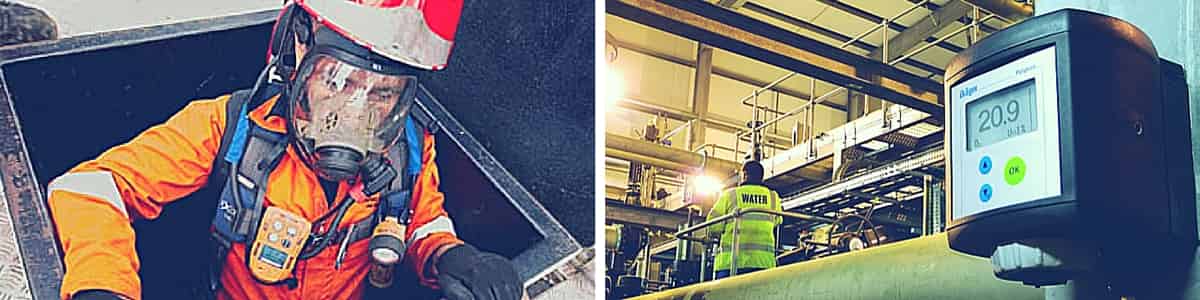
T&D Supply Gas Detection Equipment For The Monitoring Of Toxic & Flammable Gas Levels
Gas Detectors
Gas detectors, both fixed and portable, provide life saving alerts and notice of the presence of potentially fatal gases in working areas. Typically, a fixed gas detector is used as a permanent gas monitoring solution installed in a specific location such as a process area of a control or a plant room.
The area is continuously monitored measuring the concentration of a selection of gases within the air. Fixed gas detectors are used for the detection of flammable gases, toxic gases and for monitoring oxygen depletion levels.
Fixed gas detection uses the latest technology to ensure the safety of plant and personnel at all times. In the event of a gas concentration reaching a preset high level, fixed gas detectors have alarms, lights and indicators that act as a warning signal to alert the user of the gas risk hazard in both safe and hazardous area zone locations.
Portable gas detectors are, as their name suggests, portable and easy to carry around. They can be attached to clothing or overalls for continuous gas detection and monitoring when moving between zones and sites.
selecting the correct gas detector
As both fixed and portable gas detectors are available for many gases and applications, it is vital to ensure the correct product is specified. Prior to any gas detection equipment being specified, a full risk assessment must be carried out in order to determine the exact range of potential dangers and gas risk hazards that may be present.
When identifying the most suitable fixed gas detector for your application you must consider the following:
The most suitable fixed gas detector to ensure quick and reliable operation
If the fixed gas detector has any limitations (such as being affected by temperature, humidity or other gases in the environment)
The location of the gas detector should still be accessible for maintenance and testing
The sensor technology used mustn’t be affected by other substances in the surrounding environment e.g. catalytic bead sensors should not be used in areas where lead is present
Accessories should be used so the fixed gas detector can operate suitably in the chosen environment e.g. spray deflectors should be used in wet areas
Know your site risks– Knowing the potential and existing risks can identify any potential hazards and prevent any incidents occurring. This is achieved through a risk assessment and if gas hazards are identified, gas detection is applicable as a risk reduction method.
Ask the right questions – Having identified the primary objective and the most likely gas, there are many key questions to ask which typically fall into one of 3 categories; the gases to be detected and where they come from, the location and environmental conditions and the ease of use for operators and routine servicing personnel.
Consider the environmental conditions – The performance, accuracy and reliability of any gas detector is dependent upon environmental conditions in which the gas monitor device will be operated in.
Temperature, pressure levels and humidity at the working location all have an affect on the performance of gas detection equipment and can also affect the decision of which detector should be used.
Understand product functionality – Product functionality and aspects like wiring configuration are important to consider, especially when retro-fitting into an existing application. If the gas detection equipment is to be integrated into a separate safety system, certain communication protocols may be required.
Gas monitoring of flammable gases, toxic gases & oxygen levels
Gas detectors are used in the following industries:
Oil and gas industry where harmful by-products are created when processing oil and gas – hazardous area gas detectors are available.
Offshore industry where the climate can be volatile and the fixed gas detector needs to be able to work effectively in harsh ambient conditions
LNG industry where the risk of gas leakages that could lead to explosions is very high – Zone 1 & Zone 2 explosive atmospheres
Pharmaceutical industry where monitoring oxygen depletion levels in confined spaces is crucial to the safety of the plant and personnel
Petrochemical industry where petroleum and natural gases pose serious risks during production
Facilities within the oil and gas industry including gas compressors stations and buildings are often prone to high levels of gas exposure and leaks, spills emissions which if left undetected can damage entire facilities and halt production which can be extremely costly financially and reputationally.
Gas and flame detectors minimise these risks by providing comprehensive monitoring of equipment and work areas. Detectors should be installed overlooking compressors and pumps and detection is provided by the use of air particle and ultrasonic gas leak detection.
Efficient placement of gas detection sensors
Two of the most common questions regarding gas detection systems are “How many detectors do I require?” and “Where should I locate them?”. These are also two of the most difficult questions to answer as they are dependent upon the individual application.
Detectors should be mounted where the presence of gas is most likely with typical application locations including gas boilers, around pressurised storage tanks, cylinders and areas where leaks are likely to occur such as valves, gauges, flanges and filling/draining connections.
There are many considerations that should be taken into account when determining the location of a gas detector including:
When detecting gases that are lighter or heavier than air, detectors should be mounted at either a high or lower location respectively.
Consider how escaping gas may behave due to natural or forced air currents and if required, detectors should be mounted in ventilation ducts.
When locating gas detectors, consider the potential damage that can be caused by natural events such as rain or flooding. For detectors that are installed outdoors, it is preferable to use a weather protection assembly.
Consider process conditions when installing gas detection equipment. For example, butane and ammonia a typically heavier than air however if they are released from a process line at an elevated position then the gas can bypass the detector if it is placed in a low position.
Ensure the structure to which the gas detector is installed is sturdy and not susceptible to vibration.
Detectors should be installed at the designated location upside down. This will ensure that no dust or water will collect on the front of the sensor and stop the gas from entering the device.
When installing open path infrared devices, it is important to ensure there is no permanent obscuration or blocking of the IR beam however short term blockages from vehicles, personnel or birds etc can be accommodated.
Portable & Fixed Gas Detection Solutions
Gas Detectors – Frequently Asked Questions
What types of gas detectors are available?
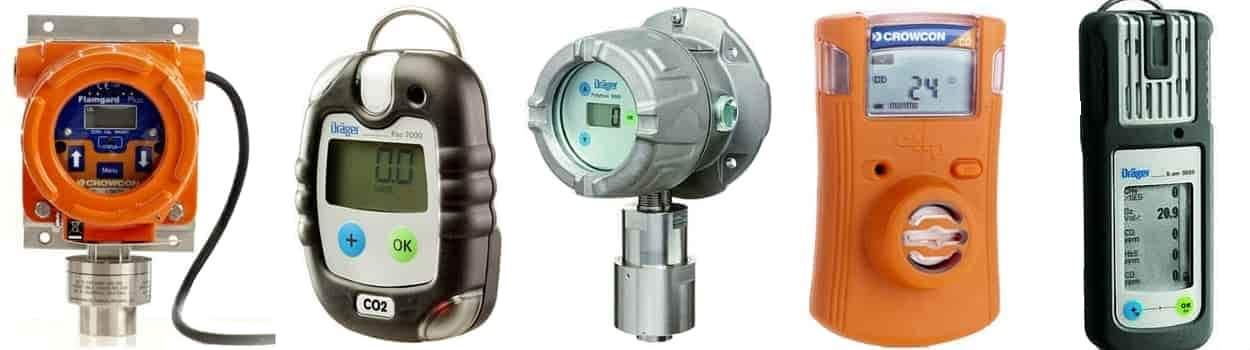
Gas detectors are typically classified as either portable or fixed. Portable gas detectors are able to monitor gases present close to the user and can be easily connected to clothing or held in the user’s hand. For instance, Drager Pac 3500 is a compact, single-gas detector suitable for monitoring hydrogen sulphide, oxygen or carbon monoxide.
Fixed gas detectors are permanently installed in a certain area e.g plant room so they can continuously monitor the concentration of gases or vapours in the air – the Drager Polytron range of detectors provide gas monitoring for industrial and explosion-proof requirements in hazardous areas.
How do gas detectors work?
Most portable and fixed gas detectors trigger lights, indicators or audible alarms to alert the user/users that the preset gas and vapour concentration has been exceeded. The user can then act quickly to rectify the problem or remove themselves from the situation potentially dangerous situation.
Which gases can be detected?
Gas detection uses a number of different technologies to help classify the gas types. Gas detectors can identify flammable, toxic and combustible gases and can also be used to monitor oxygen levels and oxygen depletion.
Both fixed and portable gas detectors can be used in a wide range of industries including the petrochemical, food and drink, manufacturing and oil and gas industry. Specific applications are dependent upon individual requirements, the level of gas present and the type of gas or gases that may present a risk.
How is product battery life affected by outside temperature?
Product batteries are tested at room temperature however if this temperature drops significantly this can reduce battery life. Excessive heat can cause damage to the whole device and battery. Each detector is supplied with standard working temperature limitations.
Can more than one gas be detected by a single detector ?
Yes, multi-gas detectors are available and can be configured to detect many gases. For instance, Drager Pac 7000 portable detector can monitor up to 14 single gases.
What is the difference between LEL and UEL?
Gas Lower Explosion Limit And Upper Explosion Limit
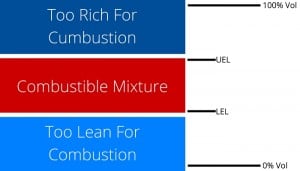
The LEL of a gas is the lower explosion limit and this refers to minimum dilution of a gas that must be present for it to be detectable by a gas detector. The UEL is the upper explosion limit.
These limits are vital to the working of a gas detector as too little of a gas and the device will not be able to detect it, too much and the gas will also not be detectable. Each gas has its own LEL and UEL and these are typically shown by percent of total volume, with the balance as normal air.
Hazardous area industries including offshore oil/gas platforms and FPSOs, onshore oil refineries, processing plants, pipelines, storage farms and LPG/LNG plants all utilise or produce a wide range of hazardous flammable liquids and gases that can be detected using correctly specified flame and gas detectors.
Detecting toxic and flammable gases requires the detectors to be classified and certified according to the specific IECEx or ATEX standard – we distribute flame and fire detectors manufactured by Spectrex to operate in the harshest environmental conditions including self-contained stand-alone devices designed for direct connection to control and alarm systems or automatic fire extinguishing systems.
Our range of Hazardous Area Fire & Gas Detection Systemproducts also includes Explosion Proof Warning Systems & Hazardous Area Lighting – comprehensive range of intrinsically safe, flameproof and explosion proof alarm sounders, sirens, bells and horns, loudspeakers and beacons.
Follow our Showcase Page on LinkedIn to receive hazardous area product innovations, industry news, whitepapers, videos, technical tips and training webinars for professionals involved in the explosive atmosphere industries.
By Chris Dodds : estimated reading time 11 minutes
Flammable & Toxic Gas Detection In Confined Spaces
Detecting Gas
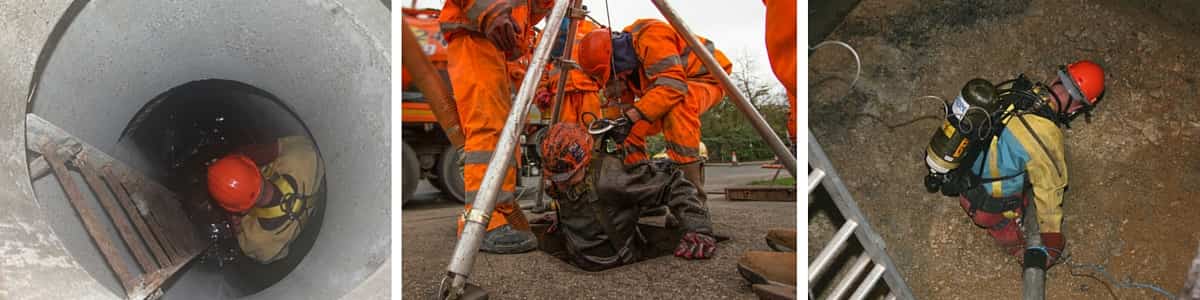
This article focuses on Gas Detection In Confined Spaces – the risks of entering and working in confined spaces and specifically those associated with oxygen depletion/enrichment and/or toxic and flammable gases. The aim is to educate people about the risks, understand the dangers and look at what measures can be taken to monitor and provide gas detection when working in confined working spaces.
Just last week another news article reported that two men had been seriously injured whilst working in a man hole. On entry, both men were exposed to toxic gas, one collapsed almost immediately and the other tried to escape but lost consciousness and fell causing serious injury.
The news article reported that one man was making a recovery but, “it did not look good for the other.”
Some people are oblivious to some of the risks as they can’t see the danger. Unlike working at height where the risk is blatantly obvious, toxic and flammable gases can be an “invisible killer.”
Guidelines and legislation are in place to help protect those exposed to the risk and it is the employers responsibility to carry out risk assessment and implement safe systems of work to protect their employees.
However, it is sometimes people’s attitudes towards safety and a lack of understanding about the gas risks which cause the majority of accidents.
There are many articles about poor working practices and poor attitudes towards the real hazards associated with the lack of gas detection in confined spaces, people who think because they have worked in the same confined space a hundred times, there is no need to carry out pre-entry checks.
People who have felt sick and dizzy so left the confined space until they felt better and then returned.
These problems exists in all countries and some may have a far better or worse approach to safety. It would be interesting to hear views from anyone else who has an interest in this topic.
What Is A Confined Space?
HSE definition: A confined space is a place which is substantially enclosed (though not always entirely), and where serious injury can occur from hazardous substances or conditions within the space or nearby (e.g. lack of oxygen). Some common and not so common examples are listed below:
Storage tanks
Silos
Reaction vessels
Enclosed drains
Sewers
Open-topped chambers
Vats
Combustion chambers in furnaces etc
Ductwork
Unventilated or poorly ventilated rooms
HSE Definition Of A Confined Working Space
A confined space does not necessarily mean a fully enclosed area. Ducts, culverts, tunnels, boreholes, bored piles, manholes, shafts and excavations can all be considered as confined spaces.
The Risks & Hazards
Flammable Gases & Oxygen Enrichment
Toxic Gases
Oxygen Deficiency
Ingress of Liquid
Ingress of Solids
Excessive Heat
Other hazards may be a concern but those listed are specific to working in confined spaces. I will now go on the explore the first three in more detail.
ATEX : Gas Detection & Ventilation In Confined Spaces
It is essential to regularly check that confined spaces are free from both toxic and flammable gas and vapours where risk assessment indicates that conditions may be subject change. The stratospheric gases to be monitored are Methane (CH4), Carbon Monoxide (CO) and Hydrogen Sulfide (H2S) each of these gases can be found at different levels due to their density.
Image Courtesy : SA Equip, Manufacturers Of The SA Flexiheat Portable ATEX Certified Heater For Zone 1 & Zone 2 Hazardous Area Heating
Flammable Gases & Oxygen Enrichment
A flammable gas is defined as a gas whose temperature and pressure make it flammable when air touches it at 12% by volume. Some common examples include Methane, Hydrogen, Propane and Butane.
Methane is particularly common in the petrochemical industry whilst Hydrogen is probably considered the most dangerous.
Flammable gases cause a serious risk of fire and/or explosion.
Flammable gases are produced in many industrial process, some examples of which include:-
Coating of articles with paint, adhesives or other
Solvent extraction processes;
Combustion of gas or oil;
Combined heat and power plants;
Battery charging.
When dealing with flammable gases it is important to understand the terminology used. LEL and UEL are both frequently referred to and mean:-
LEL: Lower Explosion Limit. This is the lowest concentration at which a gas can be ignited.
UEL: Upper Explosion Limit. The highest concentration at which a gas can be ignited.
The 3 ingredients for a fire
Flammable gases can be present but will never ignite without two other ingredients. Air (oxygen) and a spark/flame must be present to complete the triangle and create the explosion. It is sometimes the case that a gas concentration is purposely kept above its UEL.
At this point there is not enough air (oxygen) in the environment to create an explosion.
Oxygen enrichment is also very dangerous. Approximately 21% of the air that we need to breath is made up of oxygen yet even a small increase in concentration (>24%) can create a very dangerous atmosphere. Flammability of materials increases as the concentration of oxygen increases.
The following video from YouTube demonstrates the dangers very well. If clothes become soaked in oxygen you could be in serious trouble. See what happens to the stick man at the end of the video.
Oxygen Accelerated Fire Demonstrations
Toxic Gases
The Health And Safety Executive
A toxic gas is one which is poisonous and capable of causing illness, reduced quality of life or even death. They are present and can pose a risk in many industries. Some of the more common gases include carbon monoxide (CO), hydrogen sulphide (H2S) and chlorine (CI2) all of which can be very harmful even at low levels of exposure.
In confined spaces, toxic gases and fumes may be caused as a result of the previous process or previous storage. Gases can also enter from adjacent plant that has not been isolated correctly.
Contaminated ground can cause toxic fumes inside sewers and manholes. Acidic ground water acting on limestone creates carbon dioxide.
The type of work activity may also create toxic gases, for example spray painting, welding and flame cutting. Although diesel generators should never be used inside confined spaces, a recent incident occurred whereby carbon monoxide fumes from a nearby diesel generator entered a trench where men were repairing underground cables.
In the UK, the health and safety executive stipulate work place exposure limits (WEL) for a number of toxic substances. These are occupational exposure limits averaged over:-
15 minutes: Short Term Exposure Limit (STEL)
8 Hours: Long Term exposure Limit(LTEL)
The limits set are usually time weighted averages (TWA) and are usually defined in parts per million. PPM. In the USA, Occupational Safety and Health Administration use a similar system to define permissible exposure limits. (PELs)
As an example it states the LTEL for Acetone is 500PPM and the STEL is 1500PPM. In contrast, Hydrogen Sulphide is considered extremely toxic and will cause nausea and headaches to those people exposed to levels between 2-5PPM.
Exposure to 1000 – 2000PPM results in instant death.
EH40 2005 Workplace Exposure Limits
Gas Substance
CAS Number
Workplace Exposure Limit
Comments
Long term exposure limit (8 hr TWA reference period)
Short term exposure limit (15 minute reference period)
The Carc, Sen and SK notations are not exhaustive. Notations have been applied to substances identified in IOELV directives.
PPM
mg.m3
PPM
mg.m3
Acetaldahyde
75-07-0
20
37
50
92
Acetic anhydride
108-24-7
0.5
2.5
2
10
Acetone
67-64-1
500
1210
1500
3620
Acetonitrile
75-05-8
40
68
60
102
Acetylsalicylic acid
50-78-2
–
5
–
–
Acrylaldehyde (Acrolein)
107-02-08
0.1
0.23
0.3
0.7
Acrylamide
79-06-01
–
0.3
–
–
Carc, Sk
Acrylonitrile
107-13-1
2
4.4
–
–
Carc, Sk
Allyl alchohol
107-18-6
2
4.8
4
9.7
Sk
Aluminium alkyl compounds
–
2
–
–
Aluminum metal
7429-90-5
–
–
–
It must be said that the WELs are not a definitive line of what is deemed safe and unsafe levels but there to provide guidelines to be used in conjunction with COSHH.
Toxic gas detectors are used to monitor the concentration of gas in PPM and alert the worker to the danger. The STEL and LTEL can be used to determine the alarm threshold levels. (more on this later)
Oxygen Deficiency
Oxygen enrichment is indeed a hazard however the more obvious hazard is oxygen deficiency. As can be seen from the table, the “safe zone” is somewhere between 19.5% – 23%. There is some debate over the exact figures but in truth I’m not a doctor or an expert on the respiratory systems so can’t give a conclusive argument.
So what causes Oxygen depletion? Our friends at Crowcon gas detectors offer the following explanation:-
MADCOW.
Microbiological Action (bacteria)
Absorbtion (chemical processes)
Displacement by other gases (eg, Nitrogen, CO2)
Combustion (fires, generators etc)
Oxidation (rusting)
Work (respiration: people & animals)
Exposure to low levels of oxygen can cause giddiness, confusion, poor coordination, sickness, loss of consciousness and death. Without the use of correct monitoring and sampling methods, there are no warning signs of oxygen depletion. Breathing one or two breaths of air containing oxygen levels below 10% can cause immediate loss of consciousness.
Minimising The Risks
There are extensive guidelines and legislation for minimising the risk such as the HSE approved code of practice for safe working in confined spaces provides. Rule No.1 is to avoid working in confined spaces if at all possible.
However, we all know there are hundreds of work activities that must be carried out in a confined space. Monitoring the atmosphere with gas detection equipment should always be part of any safe system of work for confined spaces.
Testing The Atmosphere For The Presence Of Gas Hazards
Before workers enter a confined space, the air should be tested from the outside. This can be done by lowering a portable gas detector, such as Crowcon T4, into the work area. Alternatively, a tube can be fed into the area and a sample can be drawn using a pumped gas detector.
Some gases are lighter or heavier than air and therefore it may be necessary to take samples from different heights within the confined space.
Testing should be carried out every time the area is re-entered to check there have been no changes to the atmosphere.
Baromic pressure can effect the atmosphere within a confined space. An increase will cause gas to expand putting more pressure on surroundings and keeping gas within the confined space and a decrease in Baromic pressure has the opposite effect and will force gas out of a confined space.
Continuous monitoring should also be carried out whilst workers remain in the area.
Portable Gas Detectors – Selecting The Correct Device
Gas Detection In Confined Spaces
Portable gas detectors can be used to sample and monitor confined spaces and instruments are available to detect a single gas or multiple gases.
The Crowcon clipis a single gas detector and can be used to detect Hydrogen Sulphide, Carbon Monoxide and Oxygen. This is a simple device which will activate an alarm in the event the target gas exceeds the set point.
More sophisticated detectors such as the Crowcon Gas-Pro can be used to monitor up to 5 different gases and record various gas levels and allow for data logging which can be downloaded at a later date.
The choice of gas detector will depend on what gases/vapours have been identified as a potential risk.
When measuring flammable gases a detector usually measures the gas as a % of its lower explosion limit (LEL). When measuring toxic gases, the unit of measurement is normally PPM (parts per million).
The sensitivity of the gas detectors is normally factory set.
Regular bump testing should be carried out to ensure the detector is working correctly and the sensors have not been poisoned or contaminated. Full calibration should always be carried out as per manufacturers recommendations.
Because an increase or decrease in oxygen levels has an effect on other flammable and toxic gases, this should be the priority gas. Second would normally be flammable gases and then toxic gases. A word of caution though, some gases are both flammable and toxic.
Crowcon Gas Pro Portable Gas Detector
In this case you should detect whichever poses the greatest risk.
For example, Hydrogen Sulphide is a flammable gas in high concentrations but the toxic risk is much greater even at very small exposure levels. Testing should always be carried out by a competent person.
Hazardous area industries including offshore oil/gas platforms and FPSOs, onshore oil refineries, processing plants, pipelines, storage farms and LPG/LNG plants all utilise or produce a wide range of hazardous flammable liquids and gases that can be detected using correctly specified flame and gas detectors.
Detecting toxic and flammable gases requires the detectors to be classified and certified according to the specific IECEx or ATEX standard – we distribute flame and fire detectors manufactured by Spectrex to operate in the harshest environmental conditions including self-contained stand-alone devices designed for direct connection to control and alarm systems or automatic fire extinguishing systems.
Our range of Hazardous Area Fire & Gas Detection Systemproducts also includes Explosion Proof Warning Systems & Hazardous Area Lighting – comprehensive range of intrinsically safe, flameproof and explosion proof alarm sounders, sirens, bells and horns, loudspeakers and beacons.
Follow our Showcase Page on LinkedIn to receive hazardous area product innovations, industry news, whitepapers, videos, technical tips and training webinars for professionals involved in the explosive atmosphere industries.
By Chris Dodds : estimated reading time 9 minutes
Gas Detection Systems
Gas detection systems have been used for centuries in various forms (from feathered to infrared) and today are an essential element of plant safety throughout industry – gas detectors save lives, protect workers and safeguard property.
However if they are not installed, commissioned or maintained properly they will not provide the protection against dangerous toxic and flammable gases.
The risks of not having adequate gas detection systems and procedures in place can be catastrophic resulting in serious harm or death to personnel and significant financial damage done to equipment.
How do you ensure that your gas detection system will respond as expected when you need it most? Do you know if it is working right now?
In many industries, the installation and correct placement of gas detection equipment is a key part of the safety plan for reducing risks to personnel – industries such as oil and gas are at the most risk from explosive gases due to the nature of the products they are transporting, storing and refining.
T&D look at the 5 main best practices that you should consider in the installation, commissioning and maintenance of your gas detection systems.
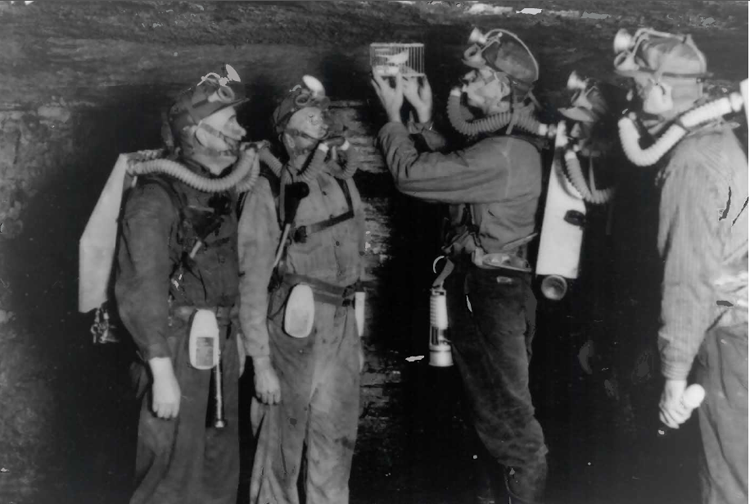
Once upon a time underground miners used canaries to test air quality in mines – today gas detection is provided by instruments manufactured by market-leaders
1. Adequate gas detection coverage
There is no legislation or specific standards governing gas detector location as there are for fire detection systems there are however general guidance documents including:
BS EN 50073:1999: Guide for selection, installation, use and maintenance of apparatus for the detection and measurement of combustible gases or oxygen – replaced by BS EN 60079-29-2:2015
IEC 60079-29-2 2015 : Explosive atmospheres – Part 29-2: Gas detectors – Selection, installation, use and maintenance of detectors for flammable gases and oxygen.
Ensuring the gas detector in use, whether it is portable or fixed, provides adequate gas detection coverage for the assets being protected. With fixed gas detectors this is often decided during the initial design and survey of the site to be monitored.
For portable gas detectors, this typically means ensuring the gas detector is located within the breathing space of the user. For retrospective installations, it is vital to ensure the gas detectors are given adequate space and will come into contact with any gas that may be present.
For the detection of heavier gases, such as hydrogen sulphide (H2S), it is essential to ensure the gas detector is placed close to ground as H2S gas is heavier than air – if the detector is located at high level then it will fail to detect gas.
Portable Gas Detection – Personal & Area Monitoring
Portable gas detectors are often subject to extremely diverse working conditions and environments – the many different applications require solutions tailored to the individual requirements and respective application conditions.
Portable gas detection can be distinguished between personal and area monitoring, confined space entry and leak detection:
Personal Monitoring – the gas detection instrument should warn the wearer in his/her immediate working area. These detectors are typically worn on work clothing and therefore typical basic requirements include a high degree of comfort, robustness and reliability. The wearer will require continuous detection for single gases or multiple gases.
Area Monitoring – area monitoring is the monitoring for gases in a specific working area with active workers present. The device is located in a central area to provide maximum gas detection coverage and monitor the whole working area. For area monitoring continuous measurement devices for multiple gases should be used.
Confined Space Entry – in many working areas where maintenance or repair work is required to, access to confined spaces is needed. With limited space, often a lack of ventilation and the presence of harmful and dangerous gases, a clearance measurement is required before entry. After a successful measurement of the confined space, the same device can then continue to be used for ongoing confined space gas detection requirements.
Gas Leak Detection – leakages can occur anywhere where gases or liquids are stored or transported. It is vital to identify these leakages immediately to reduce the risks to people and prevent as much as damage as possible. Detection instruments with corresponding pumps must have rapid response times in order to detect even slight changes in concentration.
2. Proper air flow to the gas detector
If the gas detector is being installed in a dock mount, it is vital to ensure there is adequate airflow so that it is not in a dead zone. Proper airflow to the gas detector ensures that new air that may contain harmful gas can be detected.
It also means any stagnant air that may set off the gas detector erroneously will not linger around the detector causing a false alarm. In addition, any air inlet filters should be clean to allow unrestricted air flow into the detector.
The height of the gas detector installation must be considered also as many gases are heavier than air and therefore if the gas detector is installed too high up, gases such as refrigerant or Freon gases will settle lower in the room and not be readable by the gas detector.
3. Proper device calibration
Gas detectors should be fully calibrated upon initial installation and then checked annually under a routine maintenance schedule. Some gases are sensitive to different conditions such as altitudes and therefore require calibration before use in a new environment.
Without adequate calibration, gas detector devices do not provide the protection and alert users as they should. Calibration is effectively a product reset against a known concentration of target gas, in a balance of synthetic air or nitrogen and is required for a number of reasons.
If the detector has been subjected to adverse conditions such as a change in temperature, sensor poisoning through exposure to contaminants like silicone and solvents, or exposure to high gas concentrations this can result in a change to which the detector responds to certain gases. In addition, mechanical shock or stress and sensor age can affect performance.
The calibration is a two step procedure:
The instrument is zeroed in fresh air, synthetic air or a nitrogen background so the readings equal clean air.
The second step is to expose the gas detector to calibration gas that contains known levels of the gases the detector is known to measure.
Calibration is not required as frequently as bump testing which should be carried out before each use.
4. Routine maintenance & bump testing
Routine maintenance of gas detectors can be classified as a full calibration, bump testing and a general inspection of the devices. The frequency of when each should be carried out varies.
Bump testing of gas detectors should be carried out regularly and ideally before each use. The bump test is a much shorter test than the full calibration and ensures the gas detection device is functioning as expected.
The OSHA defines the bump test as: “a qualitative function check in which a challenge gas is passed over the sensor(s) at a concentration and exposure time sufficient to activate all alarm settings.”
Put simply, this test verifies the performance of the of the gas detector and ensures the sensors are responding to their target gas as expected. The OSHA also confirms that the bump test should be carried out “before each day’s use in accordance with the manufacturer’s instructions”.
As portable gas detectors are an important part of a workers’ daily safety equipment, bump testing ensures that equipment is safe for use and performing at the standards expected. Only fully functioning gas detectors can provide detection and protection against deadly gases.
Eventually, all gas detector sensors will come to the end of their life and some can reach this point suddenly. The product longevity depends upon the application conditions and environmental influences.
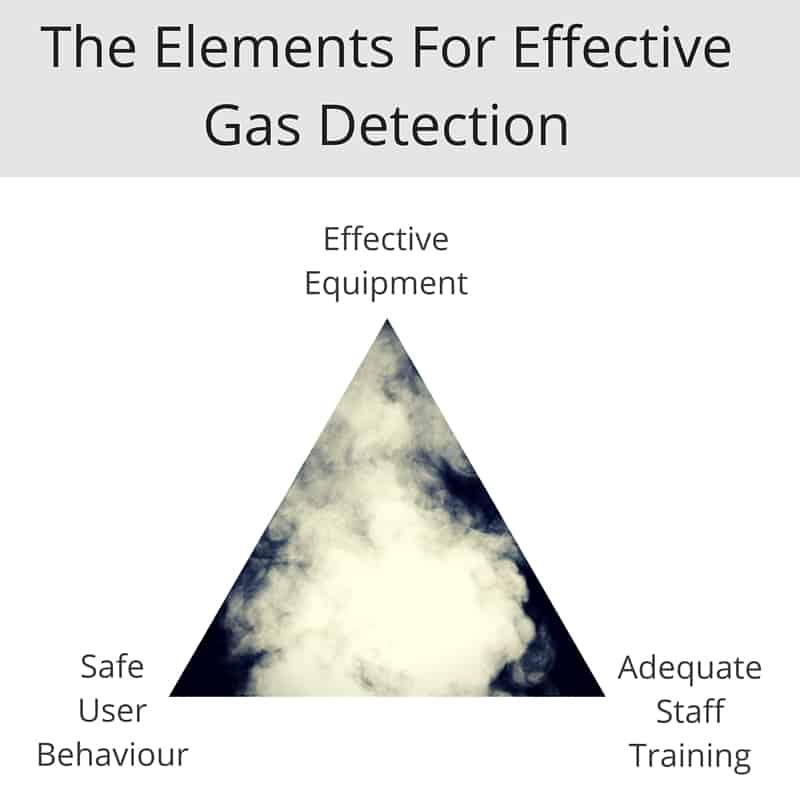
5. The Elements Of Effective Gas Detection
Reliable equipment, safe user behaviour and adequate training are the three components needed for effective gas detection. Staff training is just as important to gas detection as having the appropriate equipment. If staff are unaware of how to effectively and safely operate and calibrate their gas detection equipment then they put their own lives and colleagues well-being at risk.
Effective staff training is a key part of effective gas detector usage and maintenance which can often be overlooked. As a minimum, staff should have basic training and understanding of the nature of any likely gas hazards and how to minimise the chances of an encounter with these gases.
Gas monitors display information about the type of gas present and the levels of that gas. It is vital that personnel working around gases understand the information being shown, how to access it and what to do if a gas alert sounds.
Staff must also know the benefits of bump testing and calibration and how to carry out such servicing. Similarly, employees should be trained on how to fully service and maintain gas detectors and should always be carried out by someone who fully understands gas detection equipment and how to ensure safe operation in hazardous areas.
The effectiveness of any gas detection equipment is significantly impaired if it is not maintained properly and without adequate staff training the protection of personnel is always likely to be compromised.
The Three Elements Required For Effective Gas Detection
Hazardous Area Gas Detection
Many industrial processes and environments frequently involve flammable substances and particles including gases and vapours. For prevention purposes these areas are classified as Ex-areas or zones and are graded by the likelihood of gas being present.
ATEX European Hazardous Area Certifications
Only gas detection equipment that has been certified as suitable for use and is equipped with explosion protection in hazardous areas can be used. Explosion protection is regulated globally and the basic standards are are:
IEC (International)
CEN, CENELEC (Europe)
NEC 505 (North America)
The ATEX 95 European directive is mandatory in the European Union and has been since 2003. This directive sets out the standards that equipment and protective systems for use in potentially explosive atmospheres need to fulfil in order to meet Essential Health and Safety Requirements (EHSR).
Hazardous area industries including offshore oil/gas platforms and FPSOs, onshore oil refineries, processing plants, pipelines, storage farms and LPG/LNG plants all utilise or produce a wide range of hazardous flammable liquids and gases that can be detected using correctly specified flame and gas detectors.
Detecting toxic and flammable gases requires the detectors to be classified and certified according to the specific IECEx or ATEX standard – we distribute flame and fire detectors manufactured by Spectrex to operate in the harshest environmental conditions including self-contained stand-alone devices designed for direct connection to control and alarm systems or automatic fire extinguishing systems.
Our range of Hazardous Area Fire & Gas Detection Systemproducts also includes Explosion Proof Warning Systems & Hazardous Area Lighting – comprehensive range of intrinsically safe, flameproof and explosion proof alarm sounders, sirens, bells and horns, loudspeakers and beacons.
Follow our Showcase Page on LinkedIn to receive hazardous area product innovations, industry news, whitepapers, videos, technical tips and training webinars for professionals involved in the explosive atmosphere industries.
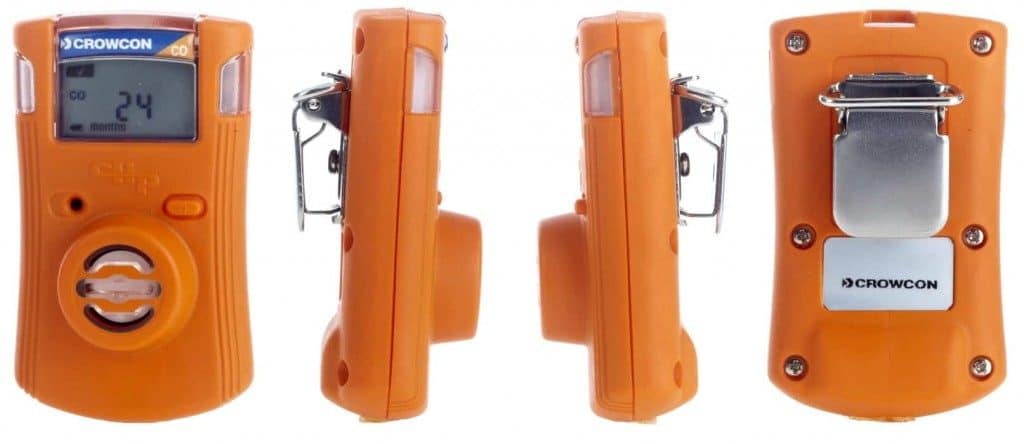
Crowcon Clipis a portable gas detector – a robust, easily transportable gas monitor specifically designed for detecting hydrogen sulphide (H2S), carbon monoxide (CO) or oxygen (O2) gases.
The Crowcon Clip is maintenance free, reliable and provides durable fixed life monitoring in a compact and maintenance-free package.
Easy to maintain, the Crowcon Clip portable gas detector has changeable alarm levels to ensure compliance with changing regulations or ever-changing company procedure.
C-Test bump solution with configuration update keeps the Crowcon gas detectors correctly configured to ensure the monitor is consistently up-to-date without the need for a service or technician team.
Contact T&D for price and delivery on Crowcon Clip gas detectors.
The Crowcon Clip is portable and lightweight and has a single button operation making the gas detector very user friendly and easy to use in hazardous areas and confined spaces. The portable gas monitor is extremely efficient working within a wide temperature range and is effective in many harsh environments.
The Crowcon Clip gas detector is also water and dust resistant to IP66 and IP67.
Portable Gas Detection
in confined spaces
Portable gas detection equipment provides lightweight, constant protection against hazardous gases and vapours for any personnel carrying or wearing the Crowcon Clip detector. The lightweight nature of the detector makes it suitable for clipping onto clothing near the users breathing area to provide instant detection and notification of gas.
Gas detection in confined spaces
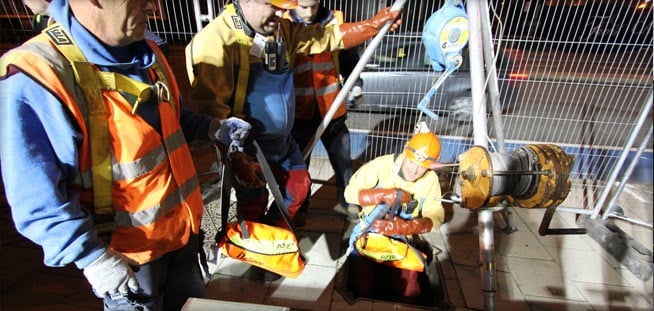
Gas detection for working in confined spaces such as underground manholes
Hazardous area industries including offshore oil/gas platforms and FPSOs, onshore oil refineries, processing plants, pipelines, storage farms and LPG/LNG plants all utilise or produce a wide range of hazardous flammable liquids and gases that can be detected using correctly specified flame and gas detectors.
Detecting toxic and flammable gases requires the detectors to be classified and certified according to the specific IECEx or ATEX standard – we distribute flame and fire detectors manufactured by Spectrex to operate in the harshest environmental conditions including self-contained stand-alone devices designed for direct connection to control and alarm systems or automatic fire extinguishing systems.
Our range of Hazardous Area Fire & Gas Detection Systemproducts also includes Explosion Proof Warning Systems & Hazardous Area Lighting – comprehensive range of intrinsically safe, flameproof and explosion proof alarm sounders, sirens, bells and horns, loudspeakers and beacons.
Follow our Showcase Page on LinkedIn to receive hazardous area product innovations, industry news, whitepapers, videos, technical tips and training webinars for professionals involved in the explosive atmosphere industries.
By Chris Dodds : estimated reading time 16 minutes
Ammonia Gas Detection
This Gas Detection Blog article aims to provide information for people working in industries where they may be exposed to risks associated with ammonia gas escapes or leaks.
Firstly, the article will explore common applications/industries where ammonia is used and then discuss the potential risks to people, plant and environment from ammonia gas exposure.
The article includes guidelines and legislation set out by both the HSE & OSHA for the control of dangerous substances in the workplace.
Finally, the article looks at gas detection methods for ammonia and considerations that should be taken when selecting a gas detector which is fit for purpose.
Ammonia has been used for over a century as refrigeration gas and has no global warming potential or effect on the ozone level. The drawback of ammonia is the fact that it is very toxic with a pungent odour and, in high concentrations, can be flammable.
Hence, in order to avoid workplace injury and accident a gas detection system is a necessary risk-reduction measure.
A recent, well documented ammonia gas explosion occurred in West Texas killing 15 people and injuring more than 260. Reports from the time said the explosion razed an area the size of a small town to the ground and the explosion was felt 50 miles away.
The blast at the West Fertiliser Company (WFC) completely destroyed the manufacturing plant, caused widespread damage to more than 150 offsite buildings and and was one of the most destructive incidents ever investigated by the U.S Chemical Safety and Hazard Investigation Board as measured by loss of life to emergency responders and civilians.
The ammonia explosion was catastrophic and had such far reaching implications that the WFC filed for bankruptcy following the explosion.
Some people even compared it to a nuclear explosion. The picture shows the aftermath but the video captured by a local resident really does give some appreciation for the size of the ammonia gas explosion.
West Texas Ammonia Gas Explosion
ConAgra Natural Gas Explosion & Ammonia Release
Dangers of intentionally releasing natural gas into work areas. USCSB.
What is Ammonia Gas?
NH3 Ammonia Gas
Ammonia does occur naturally in the atmosphere all be it in trace quantities. The kidneys actually secrete ammonia to neutralise acid (you just learnt something new didn’t you). It is also used by the body as a building block for making proteins and other complex molecules.
Ammonia is a colourless gas with a pungent smell and in its purest form is known as anhydrous ammonia. It has the chemical symbol NH3 and is widely used in industries such as fertiliser, food, pharmaceutical and chemical.
Annual global production of ammonia is estimated to be 198,000,000 tonnes. Approximately 80% of this is used as fertilisers. Although it is considered difficult to burn it does pose the risk of explosion when stored under pressure and exposed to a high temperature ignition source.
Ammonia reacts violently with water, is considered corrosive and toxic as it will cause damage to skin, eyes and respiratory system and can even cause death if the person is exposed to sufficient levels. Before going any further, its worth a quick lesson on how dangerous substances like ammonia are controlled in the work place.
For over a century, ammonia gas has been used a refrigerant gas and as such has no global warming potential or effect on the ozone level. The main drawback of ammonia gas is the toxicity, pungent odour and in high concentrations its flammability.
There are at least four main problems with using ammonia gas as a refrigerant. These are:
The protection of personnel on site. By using ammonia gas extra precautions must be taken to ensure the safety of the workers on site. This can be done with the use of both fixed and portable gas detectors.
Ammonia gas will taint any food that is stored in cold stores or chillers resulting in a large loss of product. If there is a risk of ammonia reaching food storage areas then low level gas detection equipment must be installed.
Gas detectors used in a plant room should be able to operate in a constant background as in these working areas there is always small leaks due to moving equipment, valves and joints therefore background ammonia can always be expected.
Despite ammonia being a flammable gas, it is relatively difficult to set alight and can only be set alight at high concentrations (15.4% v/v). Despite this the gas should still be monitored for an explosion risk in any area where these levels could be possible. Explosion and fire risks should always be considered where there are high levels of ammonia being stored.
Hazardous Ammonia Gas Danger
Ammonia Gas Exposure & Its Effect on Health
Most people are exposed to ammonia gas from breathing its vapours and as it occurs naturally and in many cleaning products exposure can occur naturally.
Inhaling low concentrations of ammonia is likely to cause coughing and irritation to nose and throat. Ammonia gas gives off a very pungent smell which is likely to provide an early warning but just like hydrogen sulphide (the rotten egg smell) it can weaken the sense of smell (olfactory fatigue) meaning a person can think the exposure and risk has passed.
Exposure to higher concentrations will cause burning to the nose and throat and in extreme cases may result in respiratory failure.
Contact with skin or eyes will cause irritation at low levels but higher levels may cause burns and blindness. It is worth pointing out that the full extent of injury to eyes may not be apparent for up to 1 week after the initial exposure.
Inhalation of ammonia gas causes rapid onset of signs and its toxic effects are meditated through its irritant and corrosive properties. Typical features and symptoms will include irritation to the nose, throat and respiratory tract.
Where there is exposure to substantial levels of ammonia, burns of all depths can be felt in the oral cavity, nasopharynx, larynx and trachea. Exposure to a massive concentration of the gas can be fatal in as little as 2 minutes.
Despite the fact there is no specific antidote for exposure to ammonia gas, the effects can be managed and treated with most people surviving exposure. Immediate decontamination of the skin and eyes with large amounts of water is important.
In addition ingested ammonia should be diluted with water or milk.
Summary Of Toxic Effects Following Acute Exposure To Ammonia By Inhalation
Ammonia Exposure Limit
Signs & Symptoms
mg/m3
ppm
35
50
Irritation to eyes, nose and throat (2 hours’ exposure)
70
100
Rapid eye and respiratory tract irritation
174
250
Tolerable by most people (30–60 minutes’ exposure)
488
700
Immediately irritating to eyes and throat
>1,045
>1,500
Pulmonary oedema, coughing, laryngospasm
1,740–3,134
2,500–4,500
Fatal (30 minutes’ exposure)
3,480–6,965
5,000–10,000
Rapidly fatal due to airway obstruction, may also cause skin damage
What Should You Do When Exposed To Large Quantities Of Ammonia?
Ammonia gas detectors are the best tool to use and posses in order to notify of the presence of NH3 gas. If exposure does occur, it is important to move away from the area in which it occurred. If you are indoors it is important to go outside, open all windows and evacuate to a safe place.
Quickly remove any clothing that has been exposed to the gas and any clothing that would normally be taken over the head such as t-shirts or jumpers, these should be cut-off to avoid any extra exposure.
Clothing should then be placed in a bag and disposed of. This should all take place away from children or vulnerable people. It is also important to wash any ammonia from your skin using soap and water and flush your eyes with large amounts of water.
To reduce the effects as much as possible it is important to keep flushing the eyes and skin with large amounts of water as there is no antidote for ammonia poisoning, however most people recover from the effects of exposure to this gas.
Work Place Exposure Limits & COSHH
In the UK the HSE set out guidelines for safe working practices. If a substance has been assigned a WEL (workplace exposure limit) value, then it will be subject to the regulations and guidelines set out under COSHH (care of substances hazardous to health).
This is a law which aims to provide employers with the information to prevent or reduce employees exposure to hazardous substances. This covers:-
Providing control measures to reduce harm to health
Making sure they are used
Keeping all control measures in good working order
Providing information, instruction and training for employees and others
Providing monitoring and health surveillance in appropriate cases
Planning for emergencies
WELs are defined by the HSE as “concentrations of hazardous substances in the air, averaged over a specified period of time, referred to as a time-weighted average (TWA)”
LTEL (Long Term Exposure Limit) is the safe limit usually given in PPM (parts per million) over an 8 hour period.
STELs (Short Term Exposure Limit) is the safe limit usually given in PPM over a 15minute period and is designed to prevent minor effects to health such as eye irritation.
When employees may be exposed to a substance which is considered hazardous, COSHH states WELs must not be exceeded for the control of exposure to be considered effective.
In the case of ammonia, it is an employers responsibility to ensure that its employees are not exposed to levels above 25PPM (LTEL) and 35PPM (STEL).
Gas detectors, fixed and portable types, can and should be used to detect dangerous levels of ammonia and provide an early warning alarm.
DSEAR/ATEX Workplace Requirements & FSDF
Protective measures must be introduced to workplaces and industries where dangerous volumes and concentrations of flammable ammonia gas or vapour can develop – this is in order to comply with DSEAR (2002) and explosive atmosphere requirements.
DSEAR covers the primary legislation applying to the control of substances that can cause fires and explosions in the workplace and is referred to as the Dangerous Substances and Explosive Atmospheres Regulations 2002 (DSEAR) (SI 2002 No.2776
The Food Storage & Distribution Federation (FSDF) is the sole UK trade body that focuses on representing and supporting the interests of the entire food and drink logistics industry. The FSDF have produced self-assessment checklist for ammonia charged refrigeration systems to provide guidance about DSEAR compliance.
For instance, if all ammonia is located in the machinery room and the room meets the requirements of EN378:2008 then it is likely to be a simple task to demonstrate compliance with DSEAR 2002. Similarly, if there are no flanges, valves or equipment in enclosed spaces, such as a roof void or the cold space it is more likely to be compliant.
However, valve stations in a physical condition characterised by rusted pipework, leaks around liquid pumps and ammonia smells in roof void, evaporators and machinery rooms should undergo formal assessment.
Likewise, evaporators featuring ammonia detection systems, emergency ventilation, automatic electric breakers and valves (including solenoids) should be regularly calibrated as part of the ammonia system maintenance programme.
Exposure To Ammonia Gas From Refrigeration Units – R717
Within the food and beverage industry, refrigeration plays a key part in keeping produce at a controlled, low temperature.
Refrigeration systems typically use ammonia as it offers superior refrigerant advantages, is abundant and extremely efficient. Due to the high levels of ammonia in these systems, it is vital to have adequate gas detection solutions in place.
R717 is refrigerant grade high purity ammonia (NH3). The product typically is 99.98% pure with minimal levels of moisture and other impurities (< 200 ppm and < 5 ppm oil), making it ideal for use in all types of refrigeration systems, especially in the air conditioning industry.
R717 has a wide range of applications. It is particularly suited to working in the range from approximately 0°C to –30°C and hence is widely used for food preservation. This includes the chilling of liquids such as milk, beer and soft drinks, large cold storage facilities, meat processing and packing plants, large ice making plants and commercial refrigeration.
Other common applications include large air conditioning systems (chillers), industrial heat extraction and ice rinks.
Why You Need a Better Ammonia Gas Detection Sensor for Your Refrigeration System http://t.co/cLIek5fN9M
The International Standard IEC 60079 Part 10-1 Classification of areas (Explosive gas atmospheres) sets out the essential criteria against which the ignition hazards can be assessed. The FSDF guideline document Hazardous Area Classification of Refrigeration Plants Using Ammonia (R717) as the refrigerant complements IEC 60079-10-1 providing detailed requirements for the hazardous area classification of permanent and temporary refrigeration plants using ammonia as the refrigerant charge.
Ammonia Exposure Limits
As can be seen from the table below the HSE provides safe work place exposure limits for ammonia. The long term exposure limit is 25PPM (parts per million) and short term exposure limit is 35PPM.
The PPM refers to the concentration of gas in air.
The Occupational Health and Safety Administration (OSHA) offer similar guidelines and also provide the following information on risk to humans when exposed to various levels:-
Ammonia Level In PPM
Symptoms
0-25
Minor Irritation of the eyes and respiratory tract
25
Permissible Exposure Limit (HSE & OSHA)
50-100
Swelling of eyelids, conjunctivitis, vomiting, irritation of throat
100-500
Death can result from prolonged exposure
Advice & Considerations For Ammonia Gas Detection
Portable and fixed toxic gas detectors should be considered in any workplace where potential exposure to gas leaks for personnel is considered a risk. Gas detectors can save lives but only if the correct gas detection measures are put in place and the user is adequately trained to use and understand such a measure.
When measuring toxic gases such as ammonia, gas levels need to be detected in PPM as opposed to flammable gases which are measured in % volume. Here lies one issue which the HSE have recently reviewed and published a document concerning alarm settings for toxic gas detectors.
Selecting the correct alarm levels should involve dutyholders discussing the toxic gas risk and the type of equipment be used.
However, it is often the case that a detectors alarm setting are set to default which may not always be suitable for the environment in which they are being used.
The starting point for setting any alarms should follow guidelines set out in EH40/2005 if the gas is listed. Not all are. The HSE review points out the following for consideration:
The source(s) characteristics and potential rate of toxic gas build-up.
Whether egress is difficult and/or takes an especially long time or emergency conditions;
Background variations and events from the process and instrumental effects, which may trigger “spurious” alarms;
Once the set points have been agreed it is not necessary “job done”. The user may need to adjust the alarm levels depending on real time events in the environment where the detector is being used. To do this may require analysis of data over a given period of time.
Fixed and portable gas detectors now come equipped with data logging facilities which can be downloaded to analyse time/frequency of alarms as well as reporting bump testing results.
There are several gas detector manufacturers and all have a range of fixed and portable gas detectors.
T&D are authorised distributors for Crowcon and Honeywell gas detection equipment. All have a wide range of single and multi gas detectors for both flammable and toxic gases.
Gas Detectors – Which Type Should I Use?
The answer is far from straight forward but below is a quick step by step guide.
I should say at this point it is always the end users responsibility to ensure any gas detection system is fit for purpose but companies such as ourselves are here to provide advice and technical assistance where possible.
1- Identify Risk – a risk assessment should always be carried out to identify potential risks and hazards to workers. If flammable and/or toxic gas is considered a risk, gas detection should be considered as a suitable measure to reduce the risk.
2- What Gases Need To Be Detected – is it a single gas or do multiple gases need to be detected. Is oxygen deficiency a concern. The source of gas leak should be considered as this information will be used to identify the location and quantity of gas detectors required.
3 – Environmental Conditions – Temperature, humidity and pressure can all effect the accuracy and the functionality of a gas detector. Further there are some products used in industry such as silicone which can poison a gas sensor making it redundant.
The range of portable and fixed gas detectors supplied by Thorne & Derrick are configurable by gas with a wide range of options for the detection of ammonia gas. The Crowcon Xgard and TSgard-IS+ are available for fixed gas detection.
4 – Product Functionality – Is the gas detector part of a safety integrity loop, does it need local display, remote monitoring, data logging facility etc.
5 – Ease of Use & Maintenance – Any gas detector should be easy to use. Its human nature to take short cuts so a complicated user interface is only more likely to result in misuse or “no use” (It happens) Routine maintenance should also be considered.
Different types of gas sensors require different types of maintenance. A catalytic bead type sensor are lower cost and can be subject to poisoning meaning they require regular routine inspection and maintenance. In contrast Infra Red sensors are not susceptible to poising so require less maintenance but are more expensive to buy.
The range of portable and fixed point gas detectors from T&D are suitable for configuring to specific requirements and can be used to detect ammonia among many other toxic and flammable gases.
Whatever your gas detection instrument requirement, whether portable or fixed gas detector, for industrial and hazardous areas contact Thorne & Derrick for specialist technical support.
There are no specific guidelines for detection of ammonia but the HSE does provide guidelines for certain gases, types of gas detectors and certain industries.
Hazardous area industries including offshore oil/gas platforms and FPSOs, onshore oil refineries, processing plants, pipelines, storage farms and LPG/LNG plants all utilise or produce a wide range of hazardous flammable liquids and gases that can be detected using correctly specified flame and gas detectors.
Detecting toxic and flammable gases requires the detectors to be classified and certified according to the specific IECEx or ATEX standard – we distribute flame and fire detectors manufactured by Spectrex to operate in the harshest environmental conditions including self-contained stand-alone devices designed for direct connection to control and alarm systems or automatic fire extinguishing systems.
Our range of Hazardous Area Fire & Gas Detection Systemproducts also includes Explosion Proof Warning Systems & Hazardous Area Lighting – comprehensive range of intrinsically safe, flameproof and explosion proof alarm sounders, sirens, bells and horns, loudspeakers and beacons.
Follow our Showcase Page on LinkedIn to receive hazardous area product innovations, industry news, whitepapers, videos, technical tips and training webinars for professionals involved in the explosive atmosphere industries.
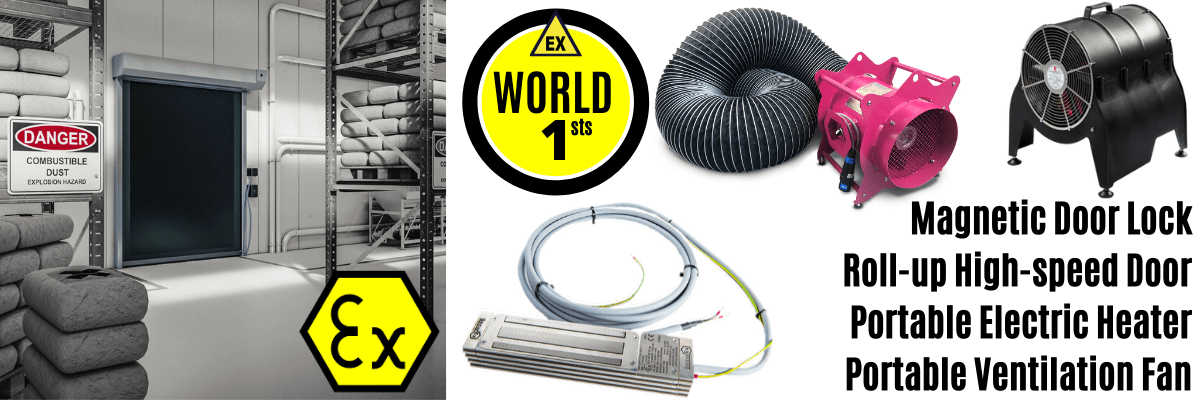
Press Release Date: 02.04.2020 uploaded by Chris Dodds (T&D Sales + Marketing Manager) World’s First Fully Certified ATEX Doors Thorne & Derrick International, the Experts in Equipment for Explosive Atmospheres, today announce the signing of a Commercial Distribution Agreement...
Press Release Date: 04.07.2019 uploaded by Chris Dodds (T&D Sales + Marketing Manager) Category: Stockist Distributor Agreement Announcement Thorne & Derrick International announce that they have signed a Preferred Distributor Agreement with Raytec, the world leading manufacturer of LED...