VISION is our monthly round-up of industry news, projects, videos, technical tips, training information, webinars and career opportunities from Thorne & Derrick. Take a moment to Follow Us on LinkedIn to receive future VISION.
In The News
Chlorine gas leak kills 13, injures over 300 in Jordan
Date: 27th June 2022 Location: Jordan Facility: Aqaba Port
A chlorine gas leak from a storage tank killed 13 people and injured over 300 others at a port in Jordan on June 27. The incident happened in the city of Aqaba on the Red Sea coast in the south of the country after a 25-tonne tank filled with chlorine gas fell while being loaded onto a ship at the facility.
Authorities said a chemical storage container fell while being transported as a result of a crane malfunction. The tank, containing between 25 and 30 tonnes of chlorine, was in the process of being exported to Djibouti when it was dropped at the Aqaba Port.
The deputy director of Aqaba’s port told AlMamlaka TV that an “iron rope” carrying the container “broke” while it was being loaded on to a vessel.
CCTV footage showed the container being hoisted into the air and then suddenly dropping on to a ship and exploding. A large cloud of bright yellow gas is seen spreading across the ground, sending people running for safety.
State media said that 123 of the injured were still being treated at local hospitals for chemical exposure. Some were reportedly in a critical condition.
Chlorine is a chemical used in industry and in household cleaning products. It is a yellow-green gas at normal temperature and pressure, but is usually pressurised and cooled to change it into a liquid for storage and shipment. When chlorine is inhaled, swallowed or comes into contact with skin, it reacts with water to produce acids that damage cells in the body. Inhaling high levels of chlorine causes fluid to build up in the lungs – a life-threatening condition known as pulmonary oedema.
— Jordan TV-التلفزيون الأردني (@JrtvMedia) June 27, 2022
The Civil Defence Department sent specialist teams to the port to deal with the leak and clean-up operation.
Aqaba’s southern beach, which is only 7km away was evacuated as a precaution, and the residents of Aqaba city were advised to stay inside and close windows and doors following the leak. It has now been declared that there is no longer any risk to the city and its residents.
INDUSTRY EVENTs
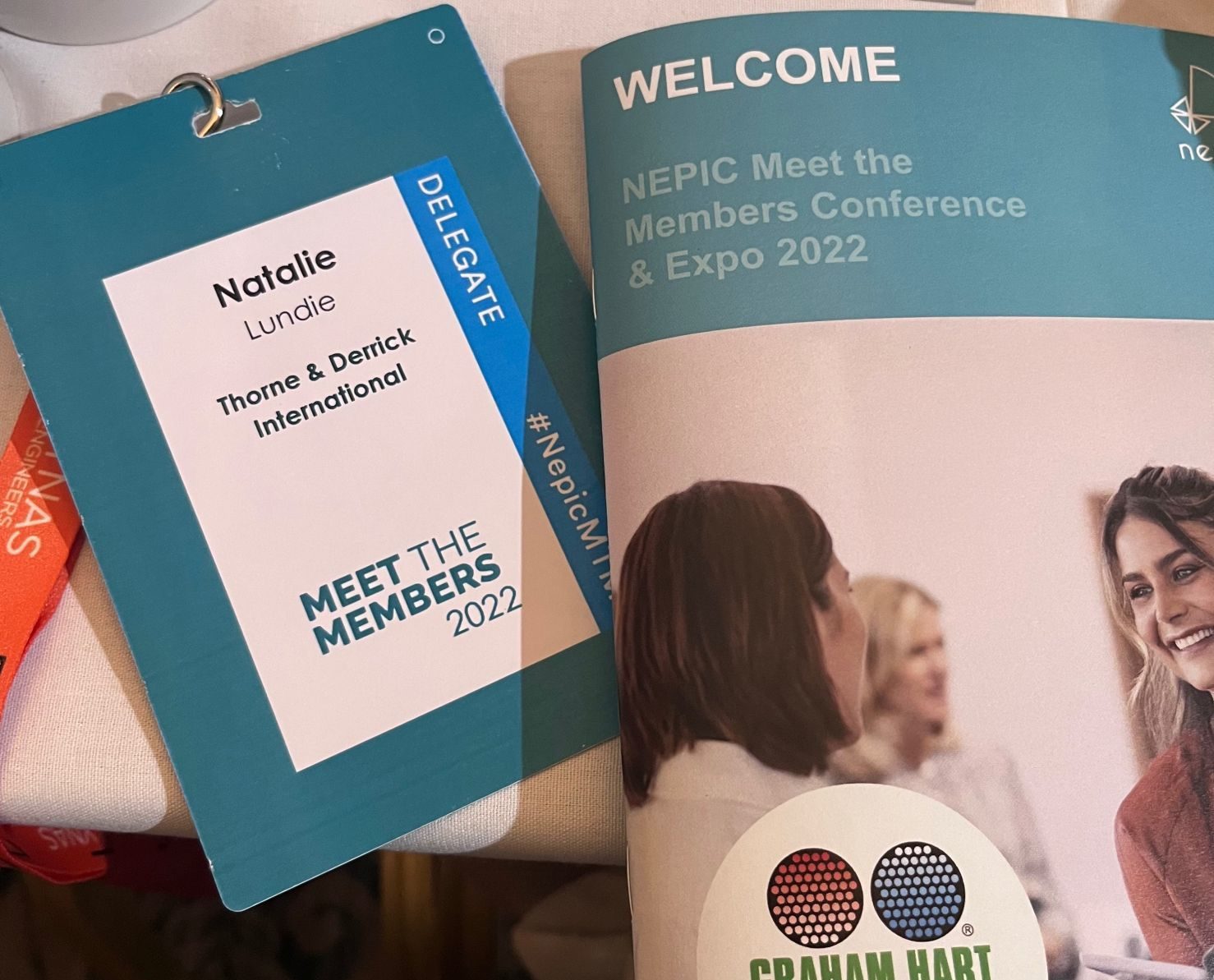
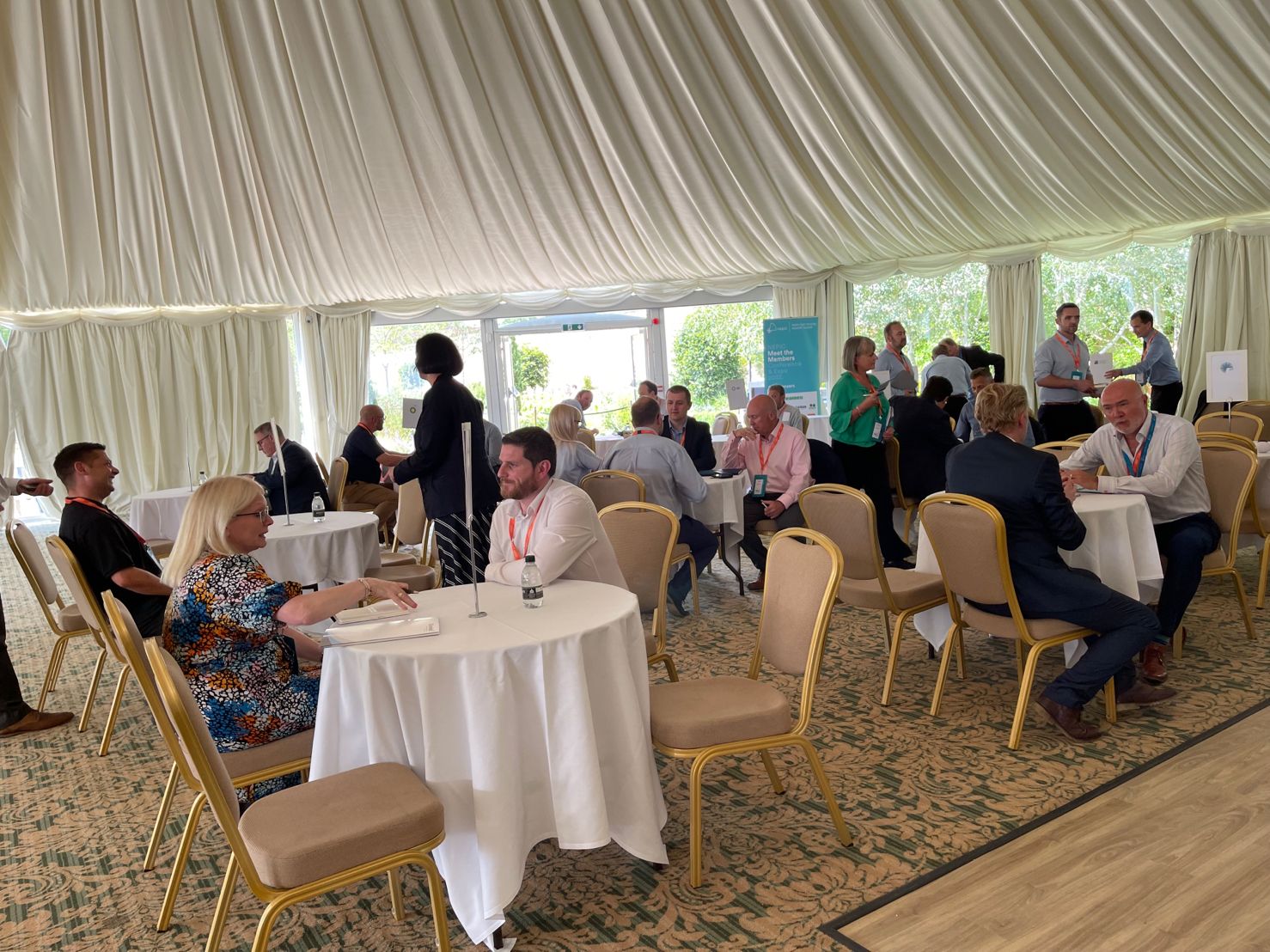
Meet The Members
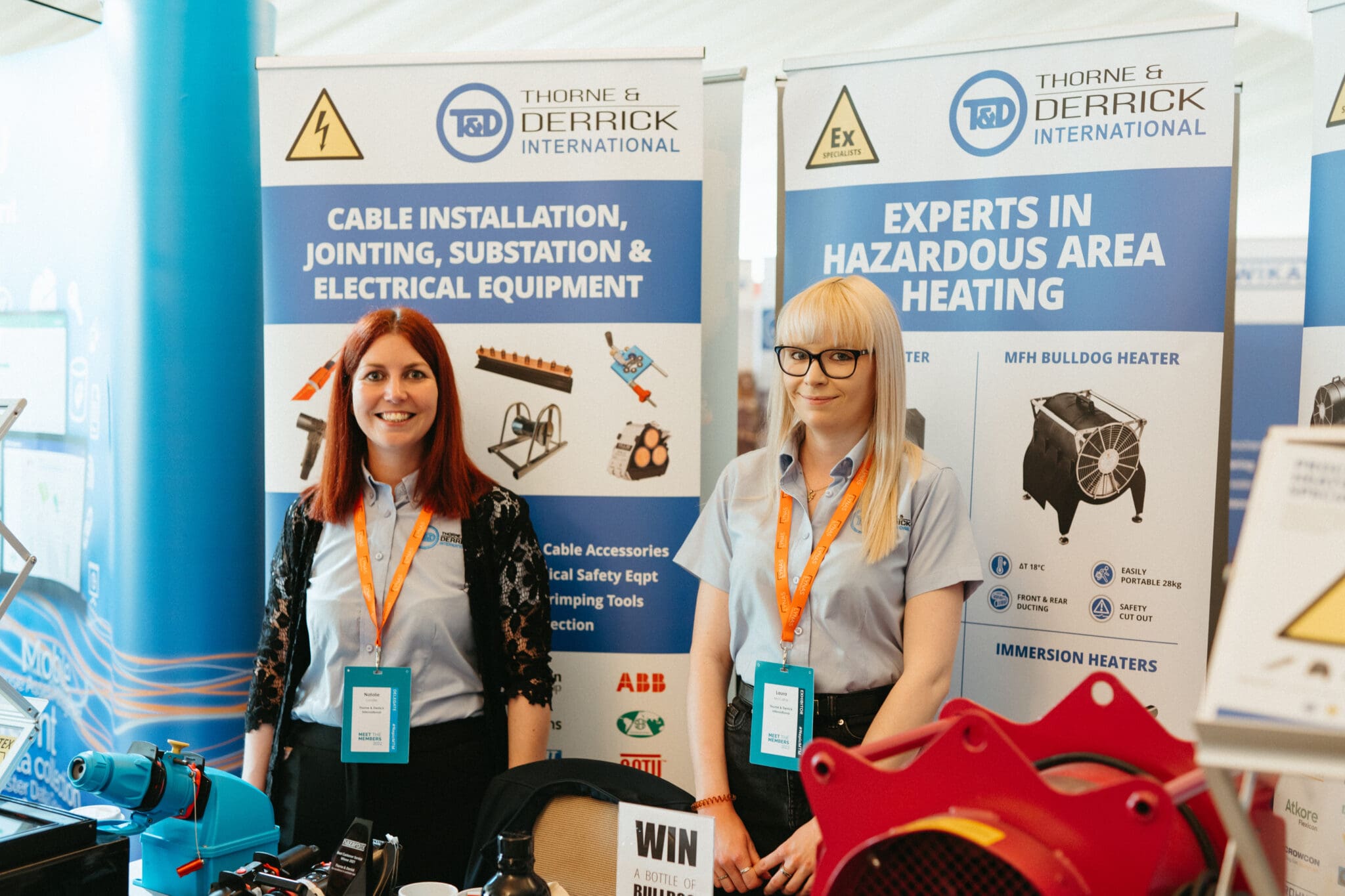
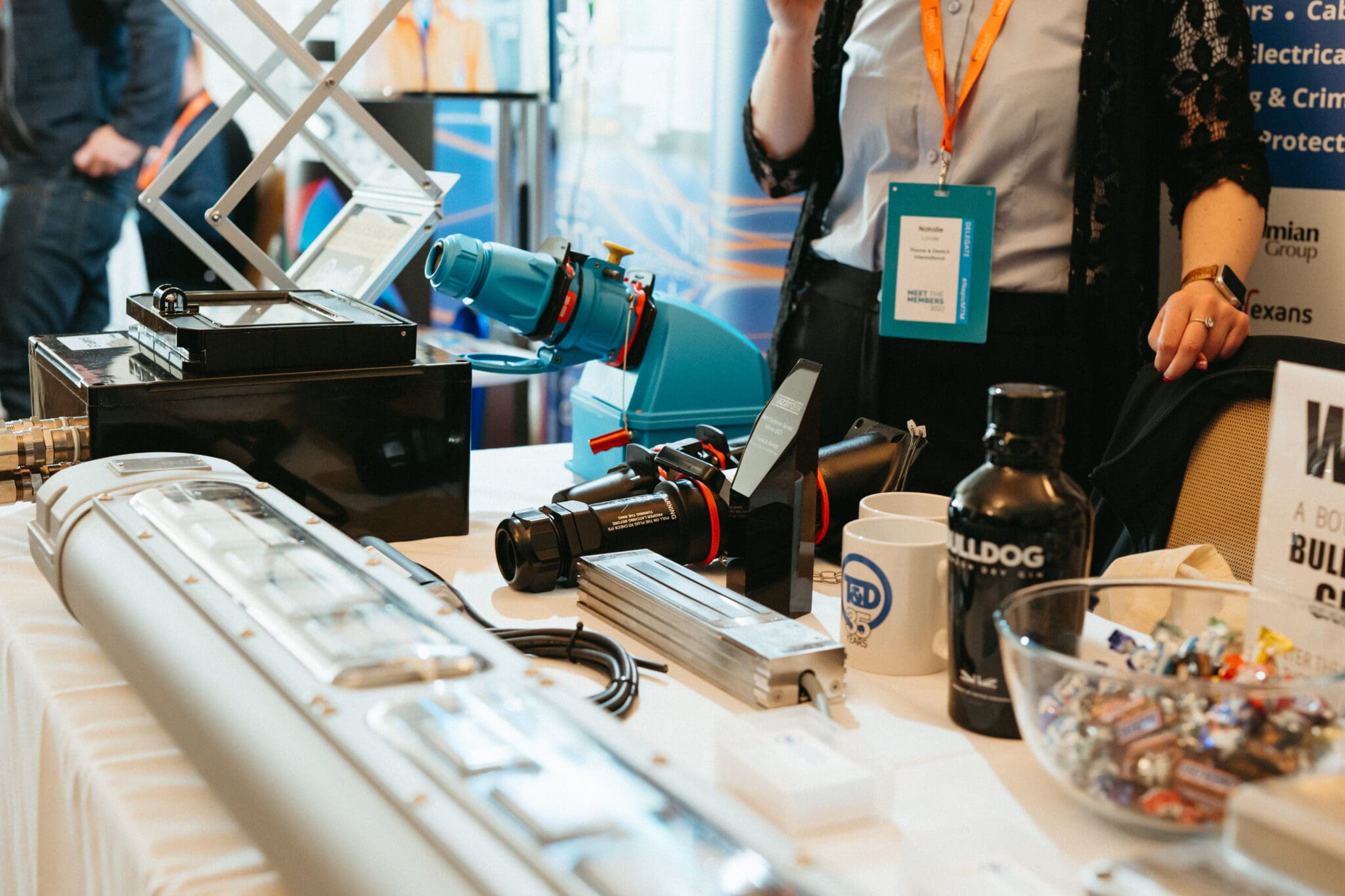
Thorne & Derrick exhibited at Meet the Members 2022 this month, showcasing a range of solutions for hazardous and explosive atmospheres – as well as our range of cable installation, jointing, substation and electrical equipment for the power industries.
Thank you to NEPIC for organising anther great event, although it was a very warm day and we wish we could turn our ATEX fan on!
Congratulations to the winner, Dr Steve Hill Tech IOSH, of the bulldog gin in the prize draw. We look forward to the photographs as promised!
Natalie Lundie & Laura McCabe at NEPIC’s Meet the Members
World Biogas Association 2022
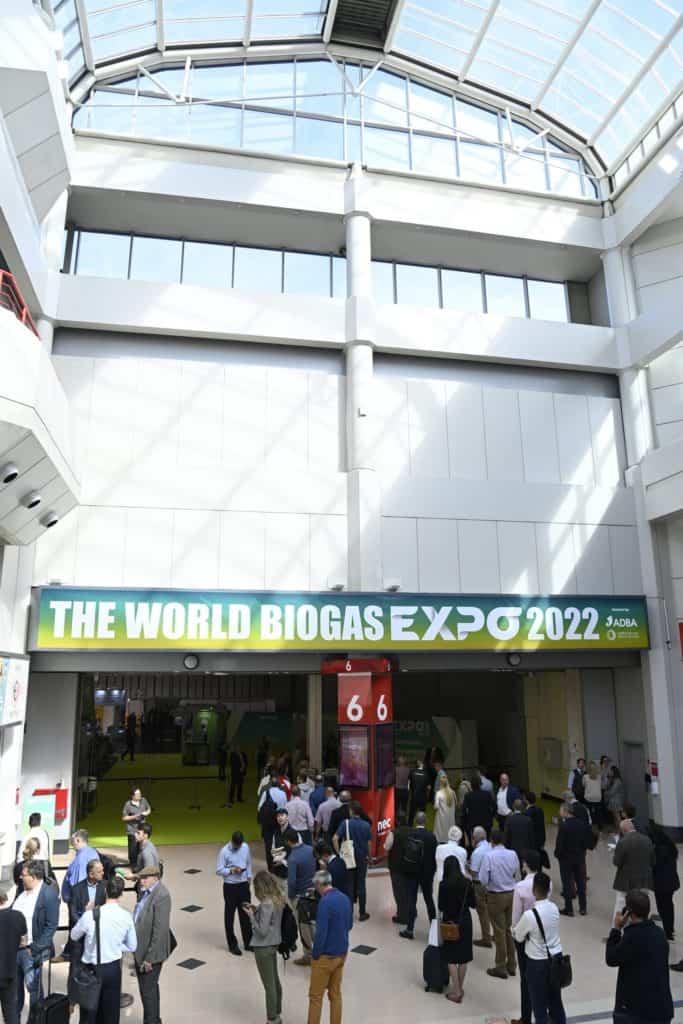
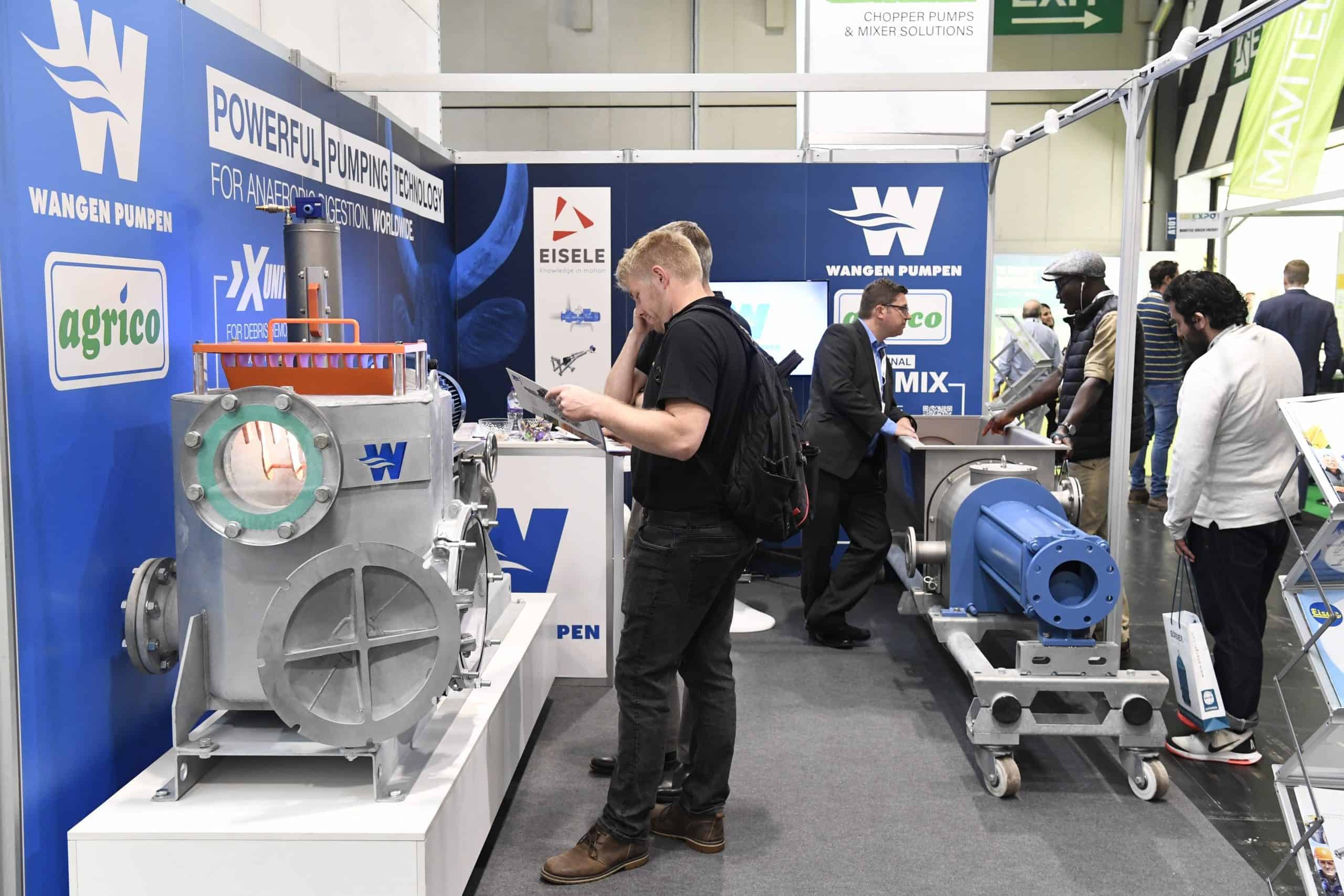
This month our Sales Engineer Apprentice, Dylan, attended The World Biogas Expo 2022 – hosted by World Biogas Association and Anaerobic Digestion and Bioresources Association. Dylan has been focussing on the biogas and AD industries, building his knowledge and confidence to understand industry requirements. Terry McDonald, Sales & Business Development Manager, was pleased with Dylan’s proactive approach to organise his attendance of this event, and the overall initiative shown in the beginning of his career with Thorne & Derrick.
The World Biogas Expo is known as ‘one of the largest international trade shows solely dedicated to AD and Biogas.’
Some facts from the association:
The calls for a carbon tax are growing louder by the day, with the UK government mooting the possibility in its Industrial Decarbonisation Strategy.
Biomethane’s alignment with a hydrogen is solidifying; two gases, one future.
Mandatory separate food waste collections go live across Europe in 2023, with AD the UK’s and EU’s preferred treatment.
Image Credit: https://www.biogastradeshow.com/
A VIEW FROM SITE
Improving Visibility In Battery Rooms
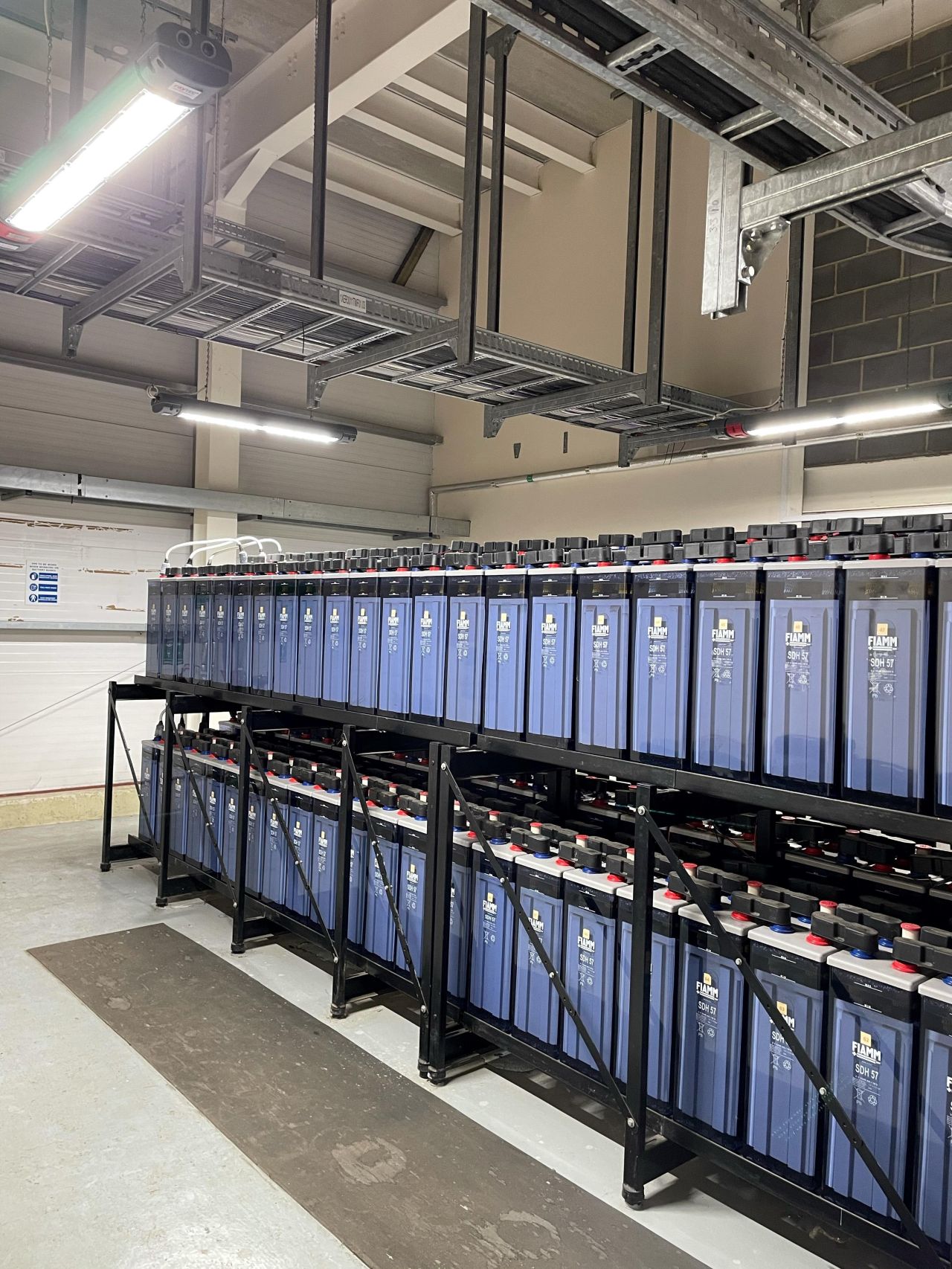
Raytec SPARTAN WL168 Zone 2 Intelligent Emergency Linear luminaires have helped to improve light levels on site of this Battery Room. The client required the replacement of 4 existing 2x58W fluorescent Zone 2 fittings. The customer originally enquired about 5ft LED Linear alternatives, but due to SPARTAN’s high lumen output and unique modular design, which would make any ongoing maintenance quick and easy, SPARTAN WL168 provided the ideal solution.
➡ Should you require any technical support, product selection guidance or a lighting design utilising the SPARTAN range of lighting for Explosive Atmospheres please do not hesitate to contact us – we can assist in the upgrade of your lighting system from conventional fluorescent to modern technology, energy-efficient and sustainable LED type fittings.
Installing Radar Sensors With a View!
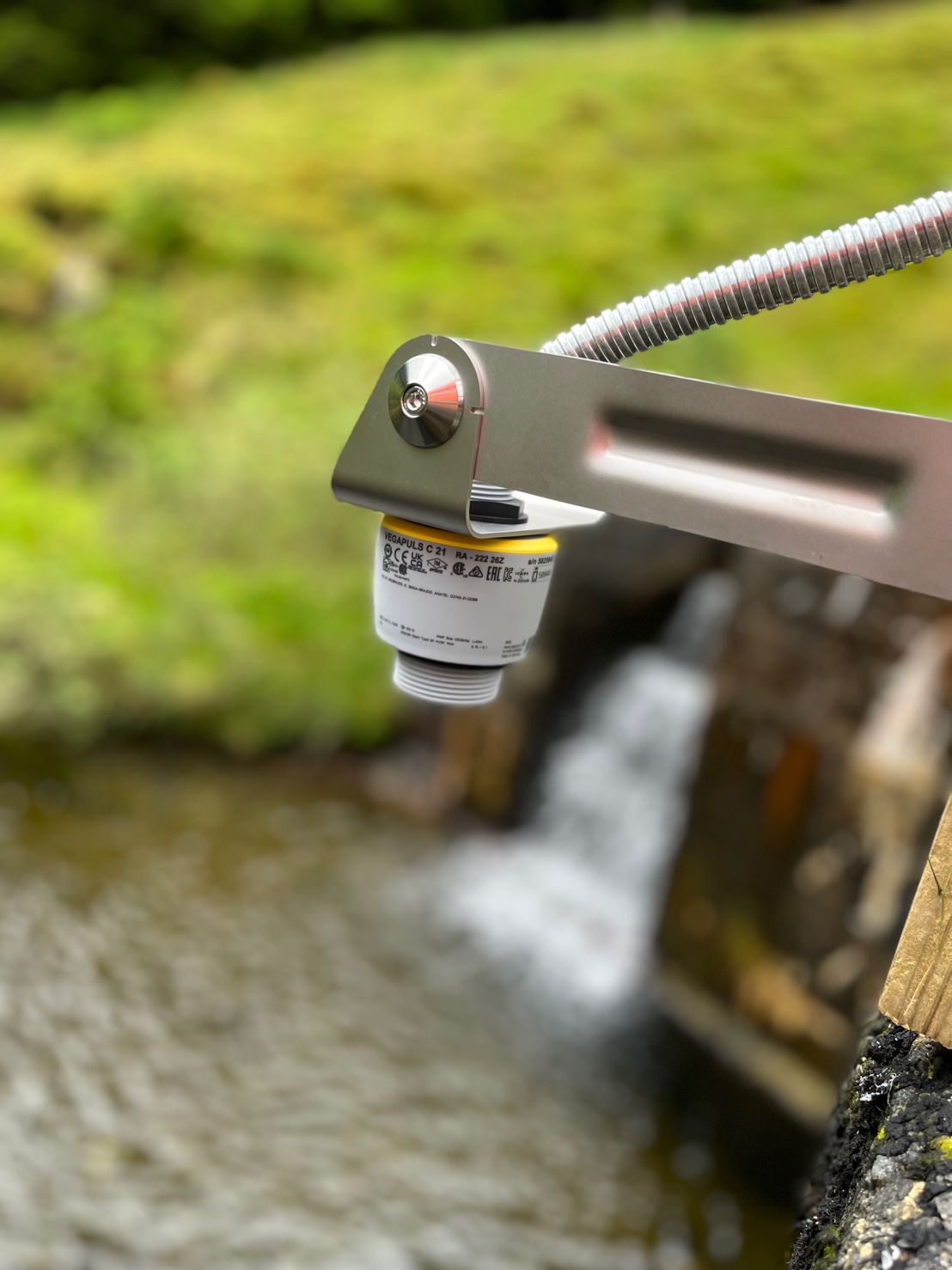
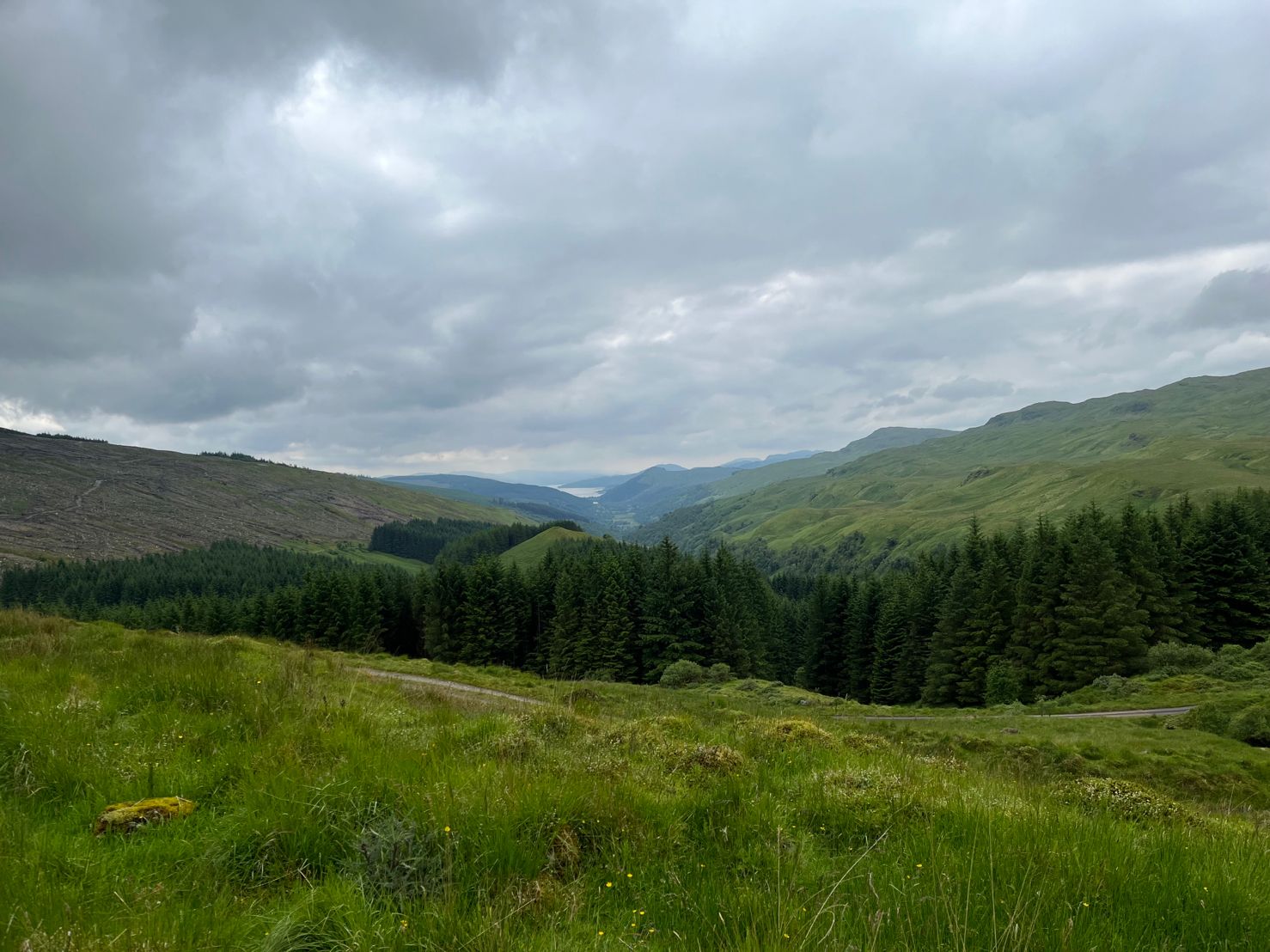
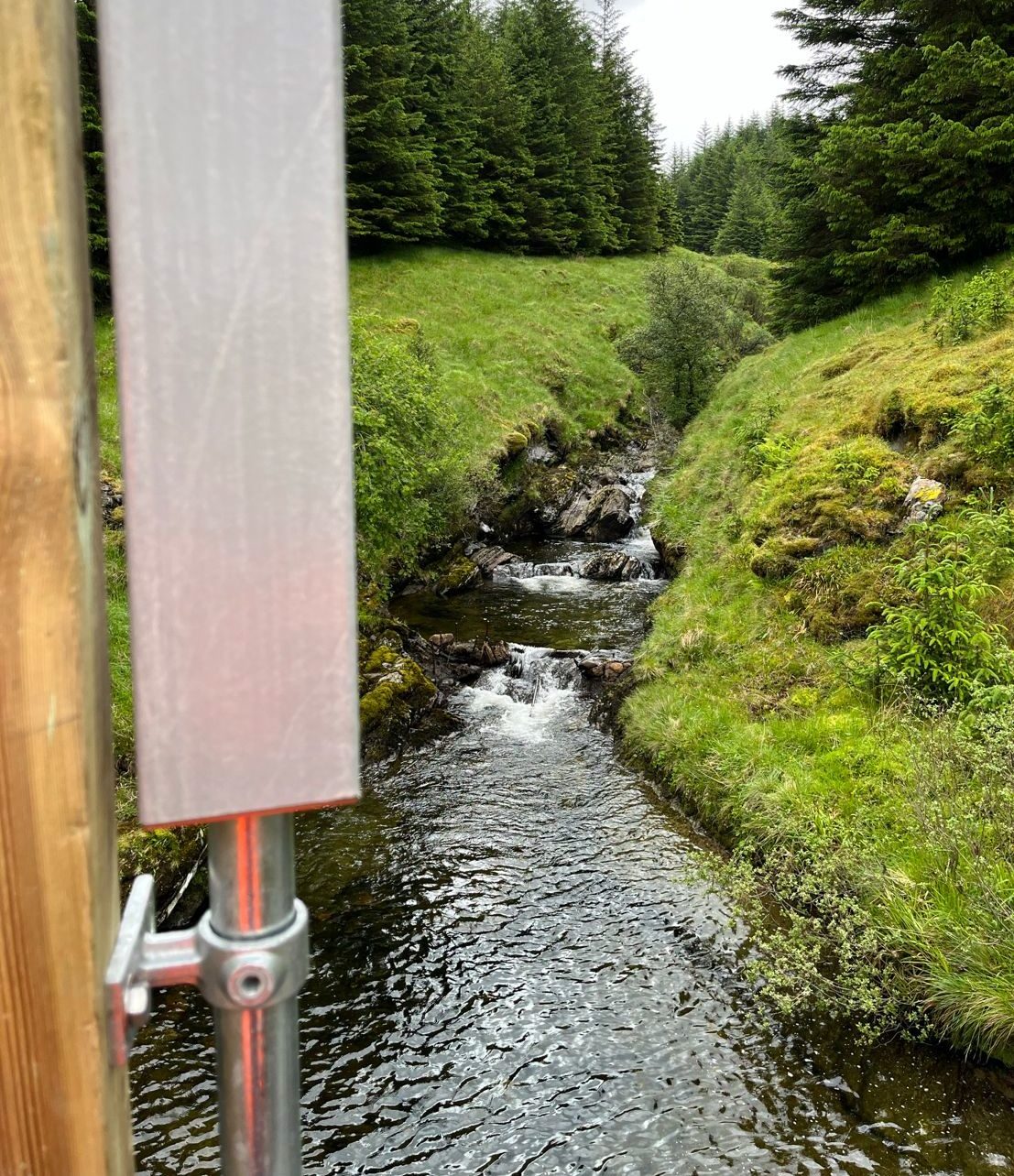
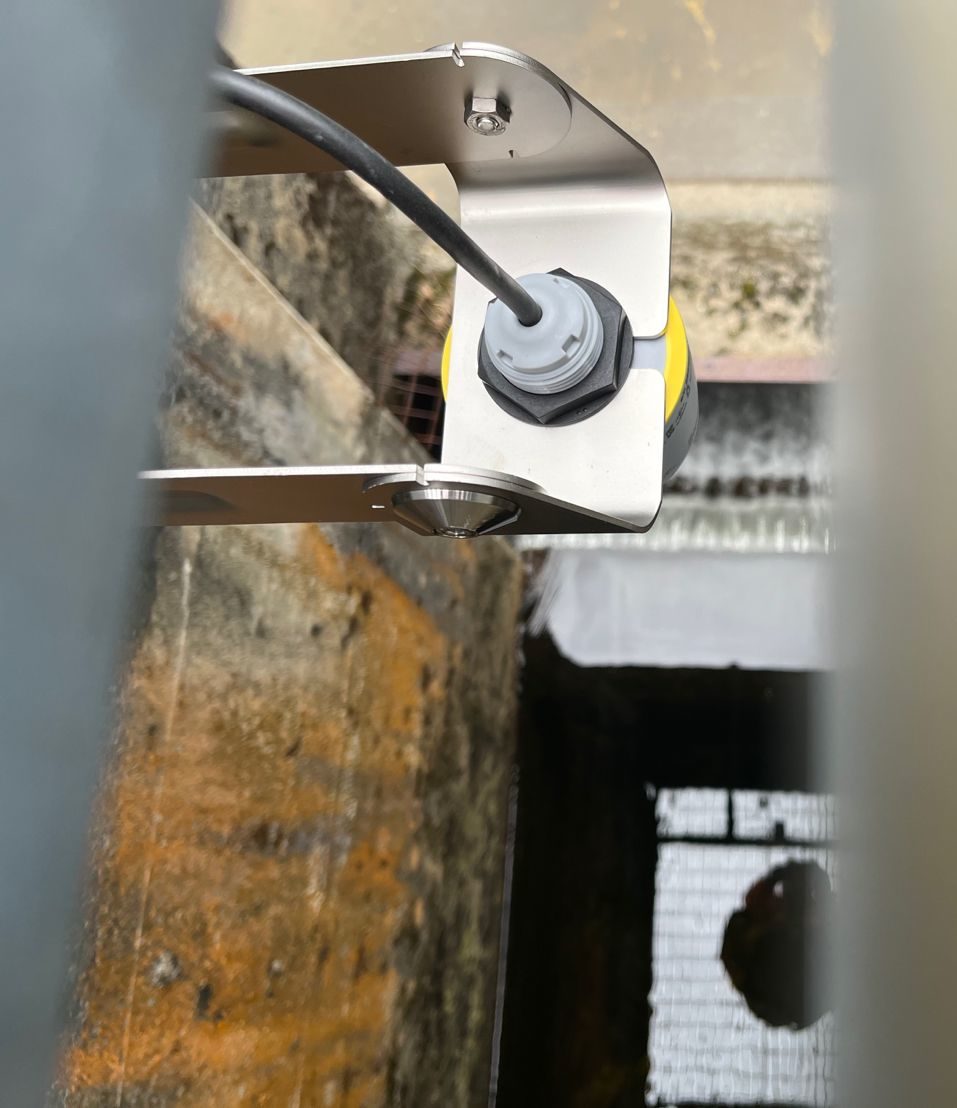
It’s always nice when a job takes place surrounded by beautiful scenery! This kind contribution from Peter Horne, National Field Manager at Hydro-Logic Services, shows VEGA C21 Radar Sensors installed in a stunning location in Scotland.
“Out and about again this week with more installations. We were asked to not drill into the concrete at these structures so had to think on our feet a bit! Hard with a swarm of midges eating you! Flexilogger 105s installed with VEGA C21 Radar sensors. Very reliable and easy to install!”
Peter manages numerous hydrometry projects across Scotland. These projects currently include the supply, installation and maintenance of large hydrometric monitoring networks for water resource planning, CAR compliance and flow monitoring for Scotland’s largest energy suppliers and also provide a flood warning monitoring service to local authorities where they have now installed well in excess of 300 sites across Scotland.
PROJECTS & NEWS
Supporting young people in the workplace
Thorne & Derrick are enthusiastic about supporting young people in their future careers through apprenticeships and work experience.
This month we introduced two A-level students to the workplace to give them an insight into how the company operates and the variety of roles available in an office environment. We gave them a range of tasks to try including website content creation, data extracting and PDF creation. The students also took part in some internal meetings to get a feel for how they are conducted, as well as shadowing the sales team.
Ben, a work experience participant, said a few words about the week:
“I started doing work experience at Thorne and Derrick in June 2022 and I was greeted with a warm and friendly atmosphere. I was tasked with a number of jobs and it was great to try a variety of different tasks. In the future I hope to go into finance and this experience showed me what it was like to work in an office environment. I met a few people who had started working at T&D with an apprenticeship which interested me as I had never thought of doing one before. I feel that an apprenticeship would be ideal as I would be starting my career early while being paid and simultaneously gaining qualifications. It was also interesting to learn about hazardous environments and the equipment needed to work in them safely.”
Thorne & Derrick are enthusiastic supporters of Apprenticeships and work closely with Northern Skills Group to recruit new and next generation staff into the business for integration into our future growth strategy.
Certification – what are your options?
When it comes to certification, working with the right Certification Body is essential. Whether you require a new product to be certified or have a certificate variation that you need to complete promptly, Eurofins E&E CML can help.
When a product is already certified, making changes to the equipment often initiates the need for a variation. The variation can be urgent and essential to continue production, for example, when a component supply issue arises, or a material shortage has been identified.
If manufacturers have products certified for North America and wish to change NRTL (Nationally Recognised Test Laboratory), the process is relatively similar to that for ATEX/IECEx/UKEX certification. Eurofins E&E CML (a MET NRTL site) can review the existing product and certification, and upon successful completion, a certification record will be issued. MET Factory Inspections are also initiated if the manufacturer does not already have a MET Hazloc inspection programme.
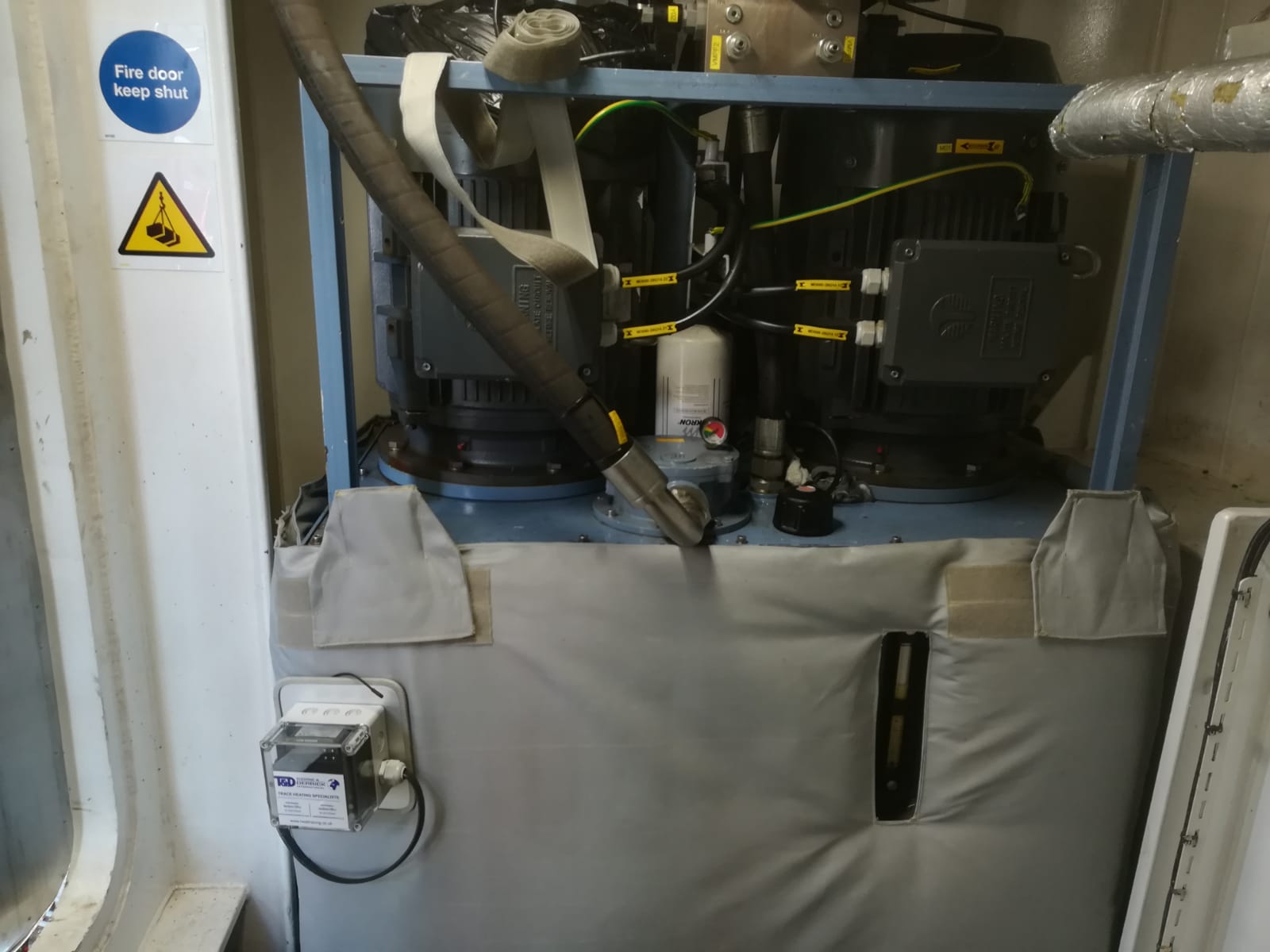
Thorne & Derrick were approached by a customer for a bespoke heating solution required to heat a valve arrangement. The valves were part of a larger and more complex system involving a HPU Hydraulic Power Unit. Due to the size and shapes of the valves in this system, we designed a custom heating jacket, compliant with ATEX standards, to fit to requirements. We were aware of the impacts and damage caused by the potential freezing of HPU systems, as well as the need to maintain ease of access to the HPUs for routine inspection and maintenance; thus the custom built heating jacket was the most effective solution.
An example of a custom heating jacket deigned and supplied by Thorne & Derrick. For this application we designed the jacket to facilitate unobstructed and instant maintenance access to HPU’s
specifying heaters for hazardous area marine applications
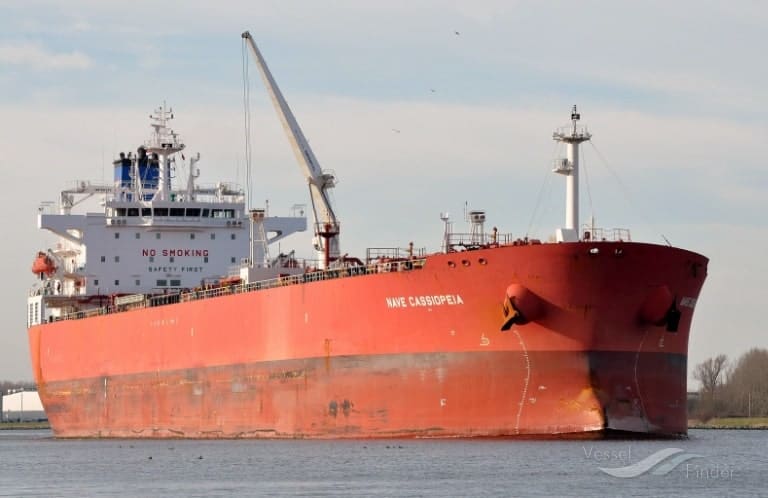
Working with an international Tanker Management Organisation, Thorne & Derrick have supported the specification and supply of a number of hazardous area compliant heaters onto a fleet of vessels.
Thorne & Derrick took the time to work with the client and specify the required equipment for the application. Given the marine application and hazardous area where the work is to be carried out, we supplied the AEU1 Explosion Proof Electric Air Heater 60 Hz frequency model. The Hazloc AEU1 range of electric air heaters are designed to provide either primary or supplementary heating for comfort or for freeze protection in areas that are classified by ATEX and IECEx as hazardous locations due to gas or dust atmospheres.
380V, 440V and 480V electric heaters are available in 50 Hz – 60 Hz frequency models and suitable for steam, hot water, glycol or other fluid circulating heating systems.
An image of one of the oil tankers supplied
Hazloc | Explosion Proof Electrical Heaters For Hazardous Area Heating
Every industry has its own language, terms and acronyms. Below is a selection of the common terms in use in the Explosion industry today and how they are employed in current directives.
This month we focus on marking of equipment for gas and dust atmospheres
Marking of Equipment – Directive 94/9/EC (Annex II, 1.0.5)
Name/address manufacturer
CE marking + if appropriate notified body number
designation of series or type
Serial number, year of construction
Ex symbol + EEx
Category (M1 / M2 / 1 / 2 / 3) for equipment-group II, ‘G’ (gas) and/or ‘D’ (dust)
Explosion / Ignition protection symbol + (if appropriate) Gas group
Temperature Class or Temperature
Example: EEx 2 G d IIA T4
Certification ensures that the equipment or protective system is fit for its intended purpose and that adequate information is supplied with it, to ensure that it can be used safely.
VISION! BY,
EXPERTS IN EQUIPMENT FOR EXPLOSIVE ATMOSPHERES
LEADERS IN ATEX INNOVATION TO THE HAZARDOUS AREA INDUSTRIES
Thorne & Derrick are leaders in the development and distribution of Product Innovations that deliver significant improvements to clients plant, people and operational safety in the explosive atmosphere industries.
Your proactive problem solvers experienced in succession planning for the replacement of obsolete, non-conformant and legacy equipment in hazardous areas.
Your first-choice provider of innovative and competitive solutions to ensure ATEX & IECEx Compliance for Hazardous Area Electrical, HVAC & Process Instrumentation Equipment to UK and international projects.
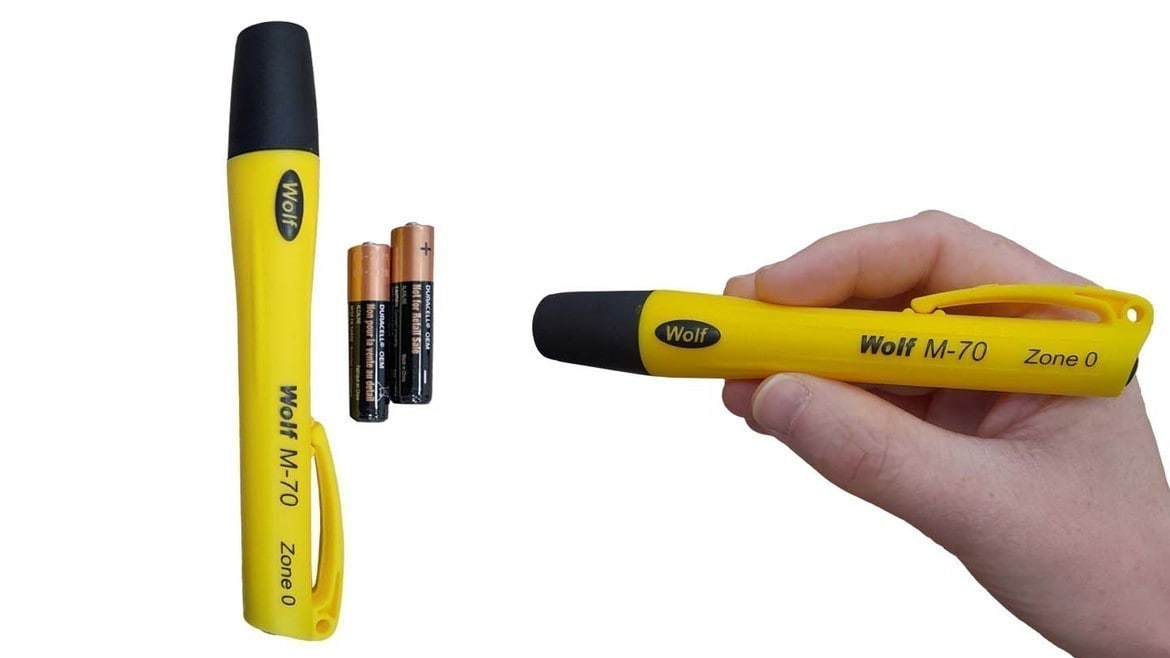
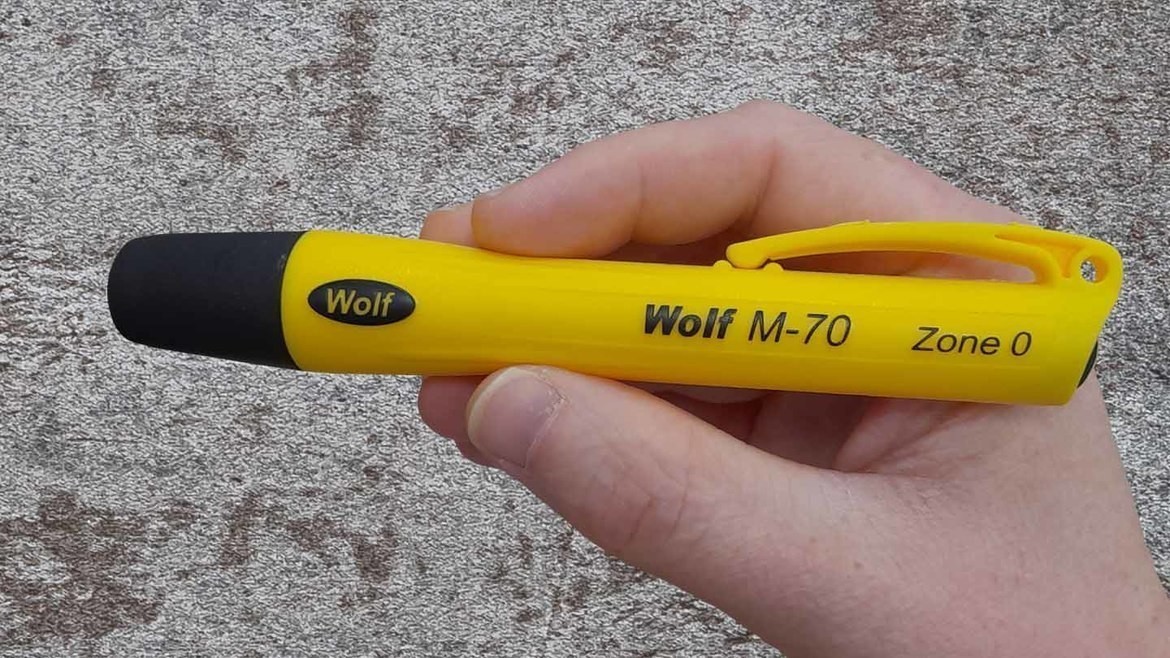
Wolf’s technical team have developed the NEW Wolf M-70 mini LED torch to fully meet the latest, stricter safety standards designed to protect people working in dust atmospheres.
The latest harmonisation of ATEX and IECEx standards means it’s now much more difficult for hazardous area torchesand ex handlamps to achieve the highest and safest certification level for dust – Zone 20 – and nearly all equipment previously certified as Zone 20 would not achieve this rating if tested today.
The new Hazardous Area LED Mini Torch, the M-70, was specifically designed by our technical team here in Sheffield to meet these requirements and has passed the more onerous testing required for this increased level of safety.
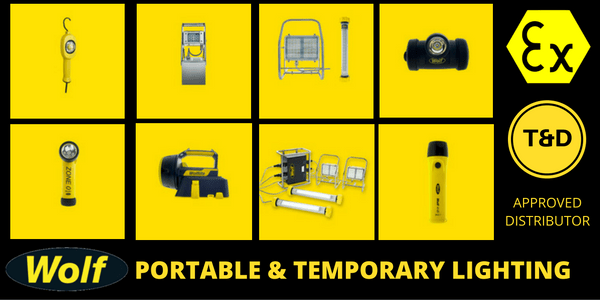
➡ T&D are Main Distributors for Wolf Hazardous Area Lighting – this includes the complete range of hazardous area Wolf Torches & Handlamps forming part of their portable and temporary lighting range. The handlamps are certified according to ATEX for safe use in hazardous areas Zone 1 & Zone 2 (Gas) and Zone 21 & Zone 22 (Dust).
Wolf’s Managing Director, Alex Jackson, is delighted with the new torch, saying:
“It’s the best certified product in the Wolf range and can be taken anywhere. It’s watertight, can be used in Zones 0/20 potentially explosive gas and dust atmospheres. In fact, it’s the ideal take anywhere torch.”
Updating and harmonising standards ensures that manufacturers work to the latest technical knowledge and that equipment isn’t manufactured and sold to a standard which becomes increasingly older, ignoring the latest technological advances and manufacturing capabilities that can increase safety. Additionally, users get the benefit of safer products.
This latest harmonisation is highly significant as virtually all torches that were previously certified to Zone 20 Dust would not pass these new tests. Furthermore, few manufacturers will be able to design and produce equipment that will in future meet the new rigorous testing needed to achieve the highest rated level: Zone 20, Dust Group IIIC.
In short, there will be far fewer new Zone 20 torches available and less choice for the many users who want the reassurance of the safest and “best” certified torch – those who want to know they’re safe when passing from one Zone to another, and where the dividing line between zones may not always be clear.
The most significant change of the latest harmonised standard is the recognition of dust subgroups, where previously there was none. They are:
IIIA – Combustible flyings
IIIB – Non-conductive dust
IIIC – Conductive dust
Other changes include a demand for enhanced mechanical protection in the enclosure (to ensure electrically conductive dusts cannot get into the circuit with undesired and potentially serious consequences), and a series of new requirements for the materials used in the enclosure.
Harmonisation doesn’t necessarily mean you can’t continue using an older Zone 20 torch. Assuming it’s in good condition and was compliant to the standards in place at the time of purchase, you can (once a product has been purchased and is in use, it is assumed to be fit for purpose).
However, it does mean that you won’t benefit from the increased protection afforded by the new standards and the more stringent tests required for certification.
The newly certified M-70 does provide that additional protection and gives users the peace of mind and reassurance they’re looking for when working in potentially explosive atmospheres. Its mechanically protected enclosure stops dust getting in to where the batteries and circuit are located – even if the torch is subjected to mechanical force or damage. This means it can be taken in to an atmosphere where electrically conductive dust is present.
Wolf Micro & Mini Torch (Zones 0, 1, 2, 21 & 22 Hazardous Areas)
In common with all torches in the Wolf Mini & Micro range, it’s ergonomically designed and constructed from high quality thermoplastic resin, with excellent impact and chemical resistance.
Its spot beam has a wider fringe with Cree LEDs emitting a light output of up to 107 lumens, powered by 2 readily available AAA batteries. Duration is up to 7 hours.
IP67 rated, the M-70’s polycarbonate lens is set-back within the lens ring to minimise risk of damage. Other features include a lanyard hole and an integral pocket clip for secure retention and to prevent roll on a flat surface. Its switch is push-button for single-handed use and is shrouded to guard against accidental operation.
When clear vision and brilliant LED light is required in hazardous area locations or confined spaces with potentially explosive atmospheres, Wolf Safety lights provide bold, bright and unfailing portable and temporary lighting. Since 1912, Wolf has been trusted to light the world’s most hazardous and hostile environments – with ATEX & IECEX certified portable lights to provide safe lighting in explosive atmospheres.
Stockists & Suppliers of Wolf Safety Lamp | Portable & Hazardous Area Lighting
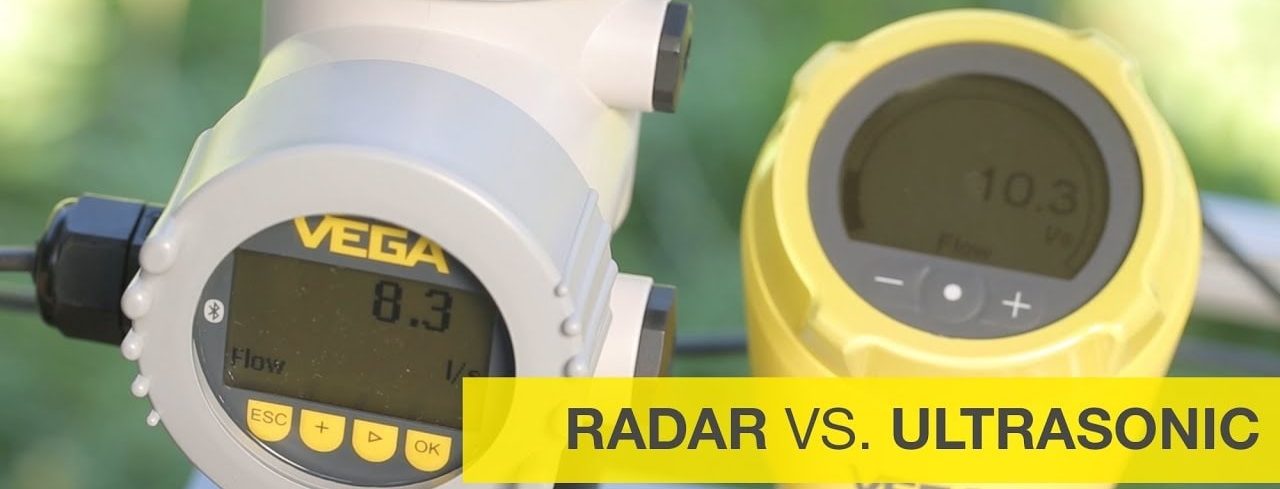
What is the difference between Radar and Ultrasonic?
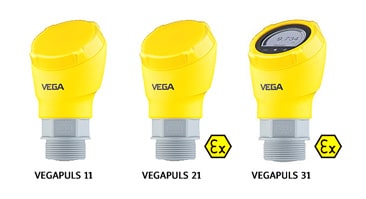
Thorne & Derrick work with VEGA, a world leader in process instrumentation sensors specialising in pressure measurement and level measurement (switching) technology suitable for many worldwide applications – including hazardous area industries requiring Zone 1 & Zone 2 ATEX & IECEx certified level and pressure sensors.
The technology that VEGA uses is constantly evolving to make sure it can meet the demands of the environments the sensors operate in. All instruments will perform accurately and reliably for all media and process conditions. VEGA sensors use different measuring principles when measuring the level or point level of liquids, solids, powders and gases.
Today we are dealing with the age old question – What is the difference between Radar and Ultrasonic?
In order to answer this question, you have to understand how the two of these measuring principles work.
How Do Radar And Ultrasonic Waves Work?
Both measuring principles omit signals, either sound waves or radar waves, which are reflected by the medium in the tank. The electronics then calculate the distance from the total time lapsed from omission to reception.
Just like a bat.
The sound waves are reflected by it’s prey and the bat picks up the echoes. The time difference allows the brain of the bat to sense the environment to determine how far away insects or obstacles are.
However, there are differences between radar and ultrasonic.
Radar signals travel much faster than Ultrasonic sound waves. The speed doesn’t really matter, but the electromagnetic waves omitted by the radar sensor have a number of advantages over ultrasonic sound waves.
Sound waves need air to travel through – this means that anything that travels through the air also affects the ultrasonic sound signal; for example, wind, temperature, vapours or gases. Radar is also much more reliable in the presence of build up. When you take all aspects into consideration, radar is the more reliable and effective solution.
Non-contact level measurement with radar is characterised by a particularly high measurement accuracy. The measurement is affected neither by fluctuating product properties nor by changing process conditions such as temperature, pressure or intense dust generation. User-friendly adjustment without vessel filling and emptying saves time.
How a radar level sensors convert a signal to a measurement
In radar level measurement, microwaves are transmitted by the antenna system of the radar sensor to the measured product, reflected by the product surface, and received back by the antenna system. The time from emission to reception of the signals is proportional to the level in the vessel.
The integrated electronics converts the measured value into an analogue or digital signal for transmission. This signal can be used for an external display or a process control system. Additional components for Ex separation, overvoltage protection or wireless communication enable a wide range of applications in all industrial sectors.
If you’re looking for a solution for a difficult application, Thorne & Derrick together with VEGA can help choose the right measurement technology.
leaders in ATEX Innovation To The Hazardous Area Industries
Thorne & Derrick are leaders in the development and distribution of Product Innovations that deliver significant improvements to clients plant, people and operational safety in the explosive atmosphere industries.
Your proactive problem solvers experienced in succession planning for the replacement of obsolete, non-conformant and legacy equipment in hazardous areas.
Your first-choice provider of innovative and competitive solutions to ensure ATEX & IECEx Compliance for Hazardous Area Electrical, Heating, Lighting & Process Instrumentation Equipmentto UK and international projects.
SPARTAN Flood SPZ-BL24
Raytec Ex Lighting
Raytec Ex lighting has transformed the visibility on a trailer-mounted coiled tubing unit (CTU). Working with American distributor Carlton-Bates (CBC), on a project designed out of Fort Worth, Texas, USA and shipped overseas by National Oilwell Varco (NOV) SPARTAN Zone 2 LED low voltage floodlighting have been installed.
SPARTAN Bulkhead range of Zone 2 bulkhead lightsform part of the ATEX Lighting range manufactured by Raytec and are designed for hazardous areas which require high performance, high reliability and white-light illumination in potentially explosive atmospheres.
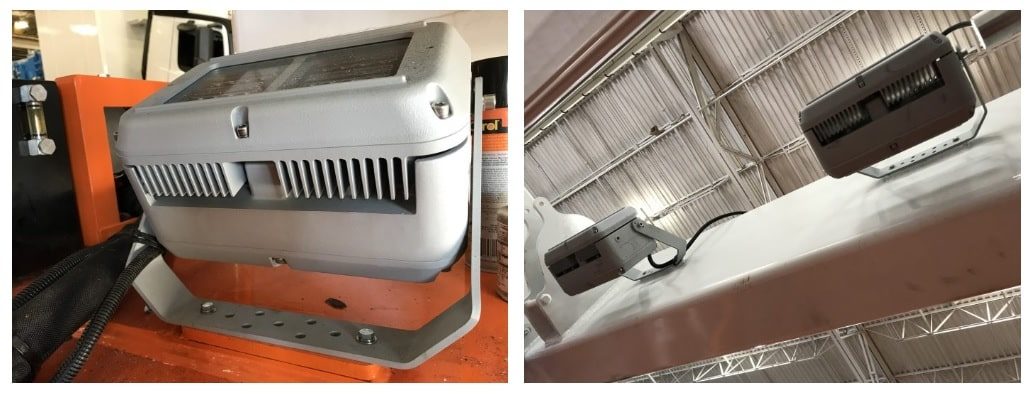
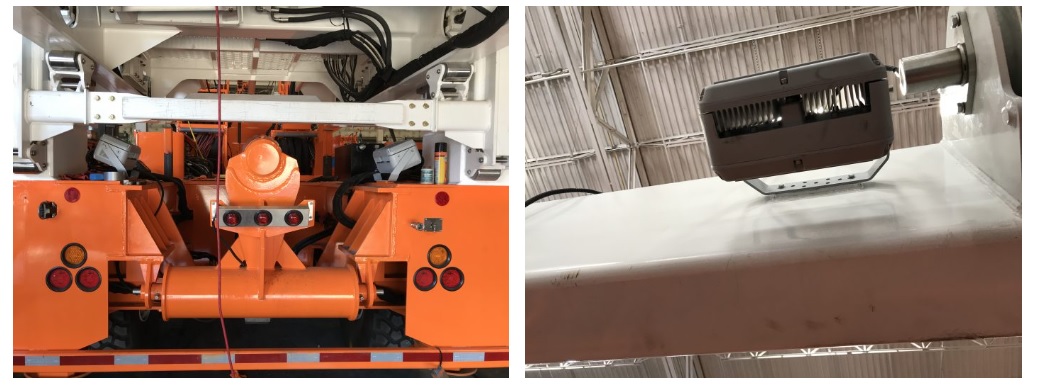
CTUs are used to transport coiled tubing to and from well sites and support their downhole operations. The SPARTAN flood luminaires have increased visibility on the trailer for night-time operations. As such, routine maintenance on the illuminated structure can be carried out at regular intervals.
SPARTAN Zone 2 LED Low Voltage Flood Lighting Installation
Challenges of the Application
First and foremost, the application required a LED Zone 2 certified luminaire with a 24V DC input. The customer also required a ¾” NPT entry gland. Because of the nature of the application and the trailer being used across different wells, the client was looking for a luminaire which provided flexibility so light levels could be adjusted for different scenarios. Initially, finding a luminaire to address these requirements was difficult.
What was the Solution?
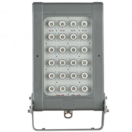
The SPARTAN Flood SPZ-BL24 low voltage luminaire was identified as the ideal solution, thanks to its high power and flexible beam angles. Four SPARTAN flood luminaires were installed onto the unit, two luminaires were attached to the upper mast rest to shine onto the coiled tubing reel, and the other two on the back of the trailer to illuminate the rest of the wellhead. This allowed important equipment, such as the blowout preventer, to be well-lit and easily monitored during night-time operations.
The SPZ-BL24 Bulkhead lights are globally certified to Zone 2 offering long-life LED technology its compact, low profile design is ideal for restricted space applications, and also allows easy access to the back of the unit with rear cable entries to hide and protect cables from damage.
Why was SPARTAN Flood SPZ-BL24 chosen?
Ease of Maintenance
SPARTAN luminaires are designed with ease of maintenance in mind and feature a unique modular design that allows key components to be removed and replaced independently. This means that the unit can be serviced on-site, making maintenance easier and more cost-effective.
This was especially beneficial when it came to the CTU. With 24-hour continuous operations, the system needed to be constantly functional. In the unlikely event of a failure, the client wanted to know they could restore light quickly and easily and carry out maintenance on-site without returning the luminaire to the manufacturer.
Beam Angle Flexibility
SPARTAN Flood is available in a range of different beam patterns, both circular and elliptical. There is also the choice of beam angles between 10° and 120°.
This functionality meant there was a wide range of beam angles for the customer to choose from to target the light where it was needed accurately. For its oil and gas application, the customer specifically chose the 50° x 50° lens to achieve the correct levels of illumination on the mast and wellheads, without any light wastage.
Customisability
The ability to modify the SPARTAN range was a major benefit for the customer. In this application, Raytec provided the customer with a non-standard, low voltage unit, and was also able to adapt the product to use a ¾” NPT entry gland, at no extra cost. This is an example of how Raytec goes above and beyond to adapt its products to customers’ requirements.
➡ Using the latest software, Thorne & Derrick can provide a FREE LIGHTING DESIGN SERVICE for the specification and supply of ATEX & IECEx light fittings to provide safe and reliable lighting in hazardous areas and industrial locations.
Lead Time
The speed of supply was another factor behind the client’s decision to select SPARTAN Flood SPZ-BL24 luminaires. Working with a tight deadline, Raytec were able to exceed the client’s expectations, from being able to supply a product for initial testing through to delivery of the full quantity of luminaires in time for the pre-arranged installation date.
In summary, Raytec were able to supply the trailer-mounted coiled tubing unit with high-quality illumination, which would allow maximum efficiency and safety during night-time operations. The SPARTAN Flood SPZ-BL24 luminaires were able to meet all specification requirements for the project, with the low voltage input and a high degree of flexibility, combined with fast supply, which exceeded the client’s expectations. We would like to say a big thank you to Raytec’s distribution partner, Carlton-Bates (CBC), who brought this remarkable project to Raytec.
Thorne & Derrick are distributors and stockists for the Raytec SPARTAN range of ATEX lighting using LED technology for the illumination of hazardous area locations and potentially explosive atmospheres.
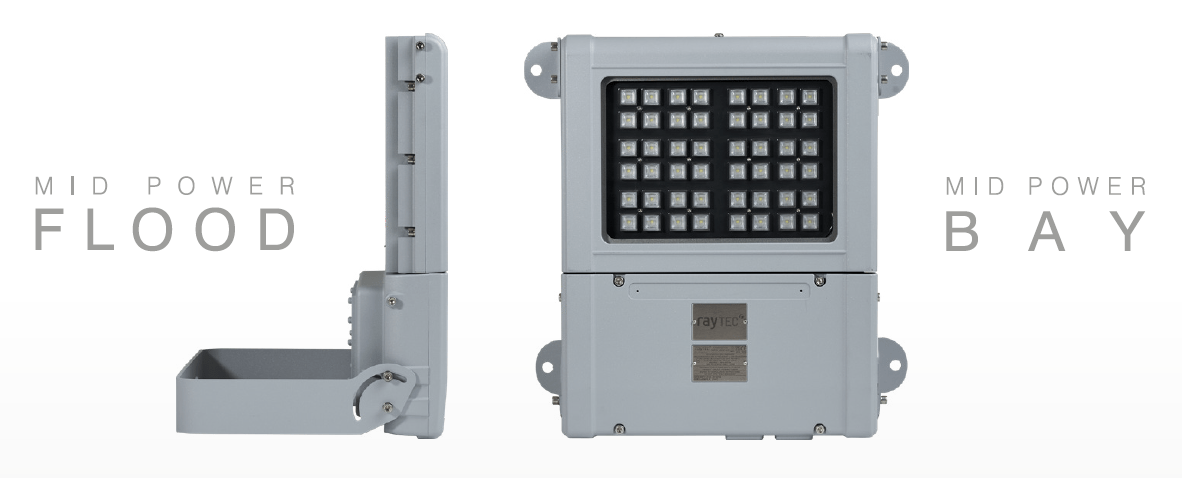
Raytec have announced the launch of the NEW mid-power flood and bay light fittings. Available with dedicated Flood and Bay bracketry, the new Mid-Power luminaires provide users with great flexibility and are ideal for a wide range of applications. The SPARTAN Mid Power Flood and SPARTAN Mid Power Bay luminaires are fully certified for Zone 1/21 and Zone 2/22 hazardous areas, including ATEX,IECEx and UKCA.
SPARTAN is a full range of Ex LED luminaires and lighting approved for all ATEX and IEC Ex Zone 1 and Zone 2 hazardous area environments, including UL /CSA C1D2 installations. The hazardous area lighting products are designed for the most extreme environments – Flood, Linear, Bulkhead, Bay and Crane luminaires with emergency and industrial lighting versions are also available from Thorne & Derrick International.
LEADERS IN ATEX INNOVATION TO THE HAZARDOUS AREA INDUSTRIES
Thorne & Derrick are leaders in the development and distribution of Product Innovations that deliver significant improvements to clients plant, people and operational safety in the explosive atmosphere industries.
Your proactive problem solvers experienced in succession planning for the replacement of obsolete, non-conformant and legacy equipment in hazardous areas.
Your first-choice provider of innovative and competitive solutions to ensure ATEX & IECEx Compliance for Hazardous Area Electrical, HVAC & Process Instrumentation Equipment to UK and international projects.
ATEX PIR for Hazardous Areas
Door Sensors and Intruder Detector Products for Safe & Hazardous Areas
ATEX PIR
Motion Detectors for Hazardous Areas
SX EX PIR Sensor | ATEX, IECEx, UKCA Approvals
Want to know who is in an explosive atmosphere or hazardous area using an ATEX PIR?
The NEW SX PIR by SecurEx is an ATEX, IECEx & UKCA certified motion detector offering 15 meter quad element detection helping to increase security on your site.
The ATEX PIR is designed to work with intruder alarm and access control systems or lighting control systems to provide a highly effective solution for security monitoring or energy conservation in Ex classified hazardous areas Zones 1, 2, 21 & 22.
The SX range of PIR’s are designed specifically for use in hazardous areas such as the oil, gas, petrochemical, substation battery rooms and pharmaceutical industry – anywhere where there is a potentially explosive atmosphere.
What is an ATEX PIR?
Passive infrared (PIR) sensors use a pair of pyroelectric sensors to detect heat energy in the surrounding environment. These two sensors sit beside each other, and when the signal differential between the two sensors changes (if a person enters the room, for example), the sensor will engage. ATEXis an abbreviation of “Atmospheres Explosibles” and is a set of European Union regulations that are designed to ensure the safety of electrical products, such as PIR sensors, being used in potentially explosive atmospheres.
The SX range of ATEX PIR’s are certified according to the following hazardous area classifications:
ATEX | II 2 G Ex e ib mb IIC T6/5 Gb ATEX | II 2 D Ex e ib mb IIIC T85/100 Db
The PIR detectors also incorporates Anti-Mask and Anti Tamper technology to ensure maximum security.
Intruder Detection
in Explosive Atmospheres & Hazardous Areas
The ATEX PIR detector is a movement sensor that detects a moving body heat (infrared) signature and provides an alarm output signal to the alarm/monitoring system accordingly within an explosive atmosphere – the range also incorporates Anti-Maskand Anti Tamper technology to ensure maximum security.
Grade-3 TEOL Compatibility
The detectors suitable for hazardous area installation and are compatible with Grade 3 high security applications – Grade 3 contacts are suitable for a wide range of locking and security applications and can be used in Ungraded, Grade 1, Grade 2 and Grade 3 systems.
These magnetic door locking contacts are required to have a mechanical tamper and/or be encapsulated/sealed. End of Line (EOL) resistors are also an option.
When used as part of a lighting control solution this product can provide both enhanced safety, security and energy conservation helping lower a sites carbon footprint.
As a specialist security and safety solutions provider SecurEX offer products for use in both Safe & Hazardous Areas (Zones 1 & 2, 21 & 22). Market sectors include:
💡 Did You Know?We can alleviate your workload and carry-out Lighting Design Services for schemes in explosive atmospheres where you are required to improve illumination and sustainability levels by upgrading light fittings from conventional fluorescent to LED technology.
Image Credit: Eclipse Power Networks
PIR Configurations for Hazardous Areas
Standard configurations are currently offered:
SX EX PIR SECURITY MOTION DETECTOR
(PD 6662:2017 & EN 50131-2-2:2017 Grade 3, Class II)
PIR Part No: SX-ID-P111XXA (SINGLE-AMQD)
PIR Part No: SX-ID-P112XXA (DUAL-AMQD)
SX EX PIR LIGHTING & AUTOMATION MOTION DETECTOR
(230V 16A SWITCHING)
PIR Part No: SX-ID-P121XXA (SINGLE-QD)
KEY FEATURES – SECURITY MOTION DETECTOR
Single or Dual Channel (Model Dependent)
Anti-Mask Detection
Anti-Tamper Detection
Quad element, thermally stabilized sensor
15m nominal detection range @ 100° viewing angle
Simple 4-Wire or 6-Wire connection (Model Dependent)
Maintenance free
Wide DC Input 9V to 36V
High gain fresnel optics provide true volumetric coverage of the detection area
KEY FEATURES – LIGHTING & AUTOMATION in Hazardous Areas
Ambient light level detection
Timed output latch – user adjustable
Live or Live & Neutral switching – user selectable
High gain fresnel optics provide true volumetric coverage of the detection area
II 2 G Ex e ib mb IIC T6/5 Gb
II 2 D Ex e ib mb IIIC T85/100 Db
Without exception the SecurEx SX range has been designed for compatibility with a wide range of third party security solutions as well as our own and for ease of installation and maintenance with maximum product reliability.
ATEX Maglocks | ATEX PIR’s | Hazardous Area Security & Access Control
SecurEx are the world leading manufacturer of specialist security solutions for hazardous areas and explosive atmospheres. Thorne & Derrick are sole UK distribution partner for the world’s fist ATEX & IECEx certified magnetic door lock.
The ATEX Maglocks are manufactured under licence by SecurEx sister company WATH Group providing unique and bespoke product offering designed for use in hazardous areas Zones 1,2, 21 & 22 – typically with CE, ATEX, IECEx and/or UL certifications.
To ensure site safety and security the Ex door lock with ATEX certification is increasingly specified by the hazardous area and process industries – this achieves compliance with European legislation according to the ATEX Directive to guarantee the health and safety of workers in potentially explosive atmospheres. Until now, security providers and contractors, have traditionally installed “safe area” non-ATEX and now non-compliant door locks due to the lack of ATEX compliant magnetic locks (maglocks) in the marketplace.
EX Maglocks
SecurEx Security & Safety Products – Solutions For Use in Hazardous Area (Zones 1 & 2, 21 & 22)
Press Release Date: 02.04.2020 uploaded by Chris Dodds (T&D Sales + Marketing Manager) World’s First Fully Certified ATEX Doors Thorne & Derrick International, the Experts in Equipment for Explosive Atmospheres, today announce the signing of a Commercial Distribution Agreement...
Press Release Date: 04.07.2019 uploaded by Chris Dodds (T&D Sales + Marketing Manager) Category: Stockist Distributor Agreement Announcement Thorne & Derrick International announce that they have signed a Preferred Distributor Agreement with Raytec, the world leading manufacturer of LED...