Watch, listen and learn how Crowcon, CH4 gas detection specialists, protect people and plant from the gas risks posed by flammable and toxic gas.
Methane is formed by digestion of organic matter
Under ATEX, CH4 becomes flammable at 4.4% of air by volume
In very high concentration (i.e. low oxygen), methane cannot burn
CH4 methane detectionis imperative as methanemay cause narcotic effects at low concentrations
Methane is lighter than air and it can collect in the high points of enclosed spaces
Pellistors are very sensitive to low methane levels
Above LEL levels, pellistors may “burn out” and do not fail-safe
H2S inhibits pellistors, so infrared sensors may be better
Gas detectors are needed to ensure worker safety against methane gas
T&D are Crowcon distributors – market leading fixed and portable gas detectors and monitors for flammable and toxic gases, including ATEX Certified equipment
CROWCON GAS DETECTORS
Methane (CH4) Gas Detection
CH4 Methane Gas Detection : Crowcon are market leading manufacturers of Portable and Fixed Gas Detection Equipment
Remote methane gas detection
Unmanned platforms or storage areas are commonplace in the offshore oil and gas industry – the offshore platforms are continuously monitored by fixed gas detection equipment.
Laser-based gas detection equipment can identify fugitive leaks at a safe distance so workers know it is safe before they board an unmanned FPSO. Crowcon are industry specialists at methane gas detection for both onshore and offshore hazardous area working environments.
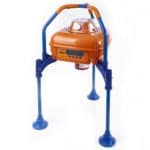
Crowcon Laser Methane Mini Green
where is methane gas used?
Methane gas is commonly used in chemical industries and is used to refine petrochemicals. It is also used as a fuel and is burned in gas turbines or steam generators to produce electricity. Methane is widely used domestically for heating and cooking in homes (but you knew that didn’t you).
Methane is the main component of Liquefied Natural Gas (LNG) and Compressed Natural Gas (CNG) and is generated by the decomposition of biodegradable solid waste as well as animal and human waste. It is therefore commonly present in landfill sites and sewage treatment works.
“Trash To Treasure” : BMW convert landfill methane to hydrogen as part of their “gas-to-energy” policy. Image BMW.
WHY IS METHANE GAS DANGEROUS?
Methane is not generally considered a toxic gas, however it is extremely flammable even in low concentrations when mixed with other chemicals – methane is also an asphyxiant as it will displace oxygen and this is particularly dangerous in confined spaces.
In order to create a fire/explosion, you need three things, 1) oxygen 2) ignition source and 3) a fuel. Take away the
Fire Triangle
oxygen and you remove the risk of explosion, in contrast high levels of oxygen will cause fuels to burn faster and more vigorously. For an explosive atmosphere to exist, a certain ratio of oxygen and fuel must exist. The ratio differs depending on the fuel. In the gas detection industry, such ratios are known as lower explosion limits (LEL) and upper explosion limits. (UEL)
LEL is defined as “the minimum concentration of a particular combustible gas necessary to support its combustion in air.” Concentrations below this level will not burn. The UEL is defined as “Highest concentration (percentage) of a gas or a vapor in air capable of producing a flash of fire in presence of an ignition source. The range between LEL and UEL is referred to as the flammable range and as the name suggests is when fire/explosions will occur.
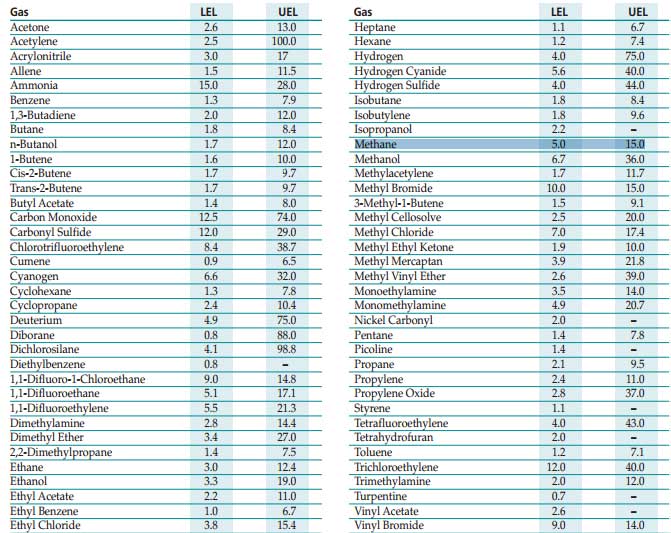
Methane Lower & Upper Explosive Limits
As can be seen from the table, the LEL for methane is 5% and UEL is 15%. Concentrations of 9% are thought to be the most volatile. It may sound strange but concentrations above 15% will not be explosive as the air is too saturated with Methane. However this is when asphyxiation can be just as hazardous.
Asphyxiation becomes a risk when there are high concentrations of methane. This is because the methane displaces the oxygen. We need approximately 18% oxygen to breath, levels below 16% can be dangerous and levels below 10% can cause immediate loss of consciousness and inevitably death. Working in confined spaces can be extremely dangerous if exposure to methane (or any other gas for that matter) is considered a risk.
Detecting Methane Gas With Crowcon
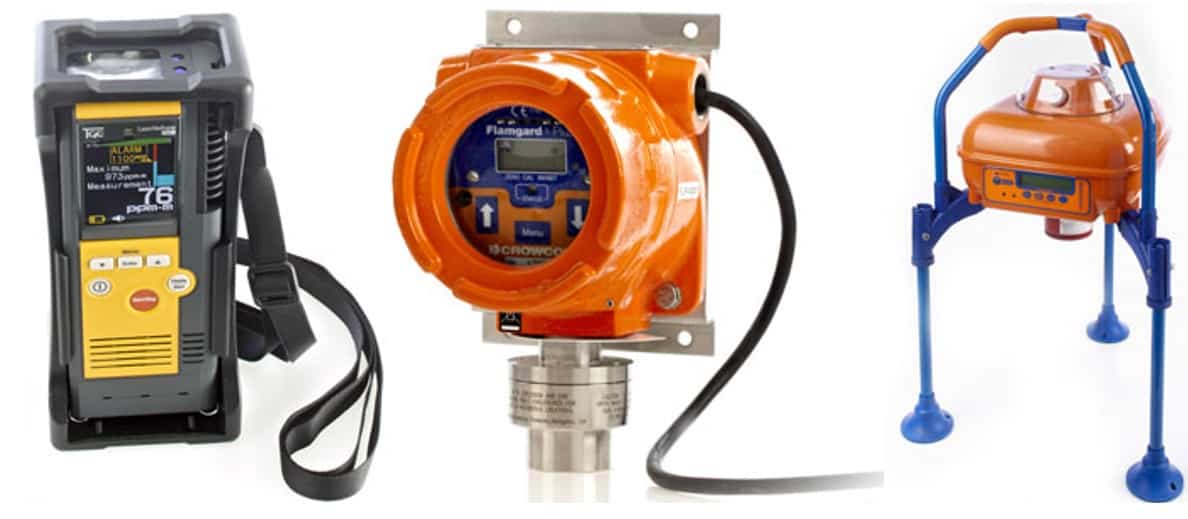
The following table provides an overview of the Crowcon Gas Detectors available for detecting methane gas – for expert technical support and product selection guidance please call T&D Sales Engineers.
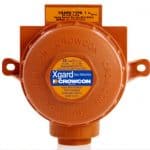
Crowcon Xgard INFO
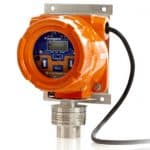
Crowcon Flamgard Plus INFO
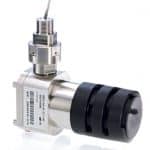
Crowcon IRMax INFO
Crowcon IREX INFO
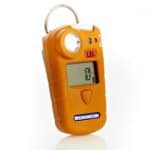
Crowcon Gasman INFO
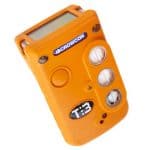
Crowcon Tetra 3 INFO
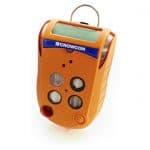
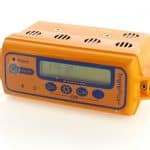
Crowcon GasPro INFO
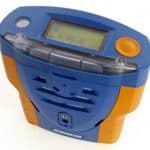
Crowcon Tetra INFO
Crowcon Triple Plus+ INFO
Crowcon Detective+ INFO
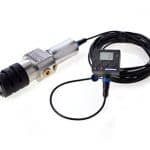
Crowcon Laser Methane Mini INFO
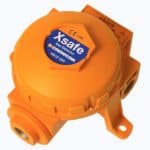
Crowcon Xsafe INFO
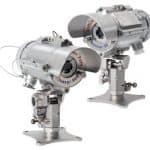
Crowcon Open Path Gas Detectors INFO
Crowcon Gas-Pro PID INFO
Crowcon Hazardous Area Gas Detectors (ATEX Certified) Zone 1 & Zone 2. Contact T&D for with your enquiry.
Detecting Hydrogen Sulphide, Methane, Oxygen & Carbon Monoxide Gas Using Crowcon Detectors
Flame, Heat, Gas Detectors & Detection Systems
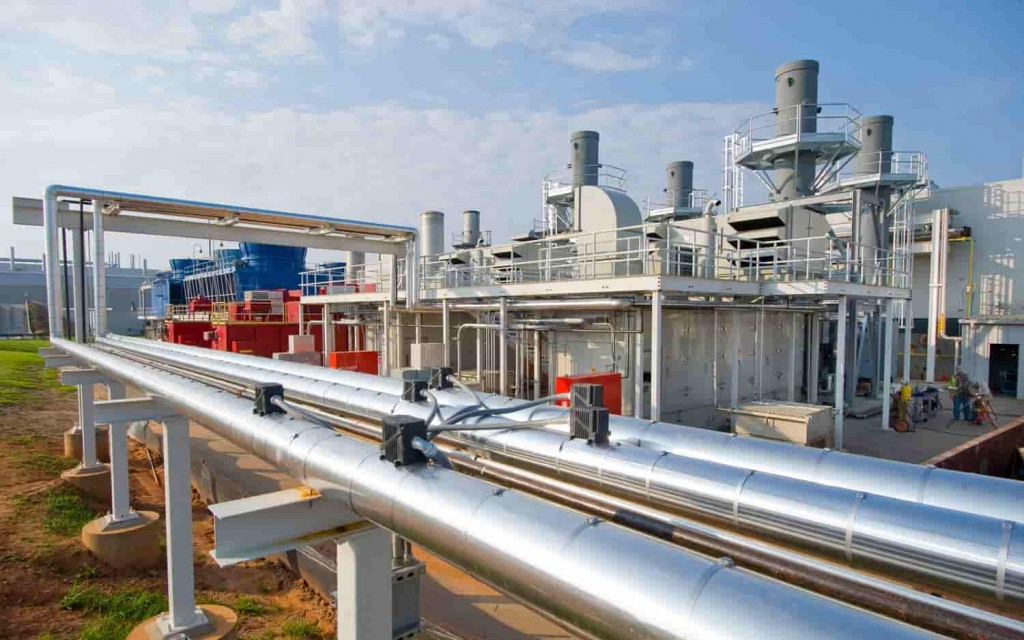
Hazardous area industries including offshore oil/gas platforms and FPSOs, onshore oil refineries, processing plants, pipelines, storage farms and LPG/LNG plants all utilise or produce a wide range of hazardous flammable liquids and gases that can be detected using correctly specified flame and gas detectors.
Detecting toxic and flammable gases requires the detectors to be classified and certified according to the specific IECEx or ATEX standard – we distribute flame and fire detectors manufactured by Spectrex to operate in the harshest environmental conditions including self-contained stand-alone devices designed for direct connection to control and alarm systems or automatic fire extinguishing systems.
Our range of Hazardous Area Fire & Gas Detection Systemproducts also includes Explosion Proof Warning Systems & Hazardous Area Lighting – comprehensive range of intrinsically safe, flameproof and explosion proof alarm sounders, sirens, bells and horns, loudspeakers and beacons.
Follow our Showcase Page on LinkedIn to receive hazardous area product innovations, industry news, whitepapers, videos, technical tips and training webinars for professionals involved in the explosive atmosphere industries.
Press Release Date: 02.04.2020 uploaded by Chris Dodds (T&D Sales + Marketing Manager) World’s First Fully Certified ATEX Doors Thorne & Derrick International, the Experts in Equipment for Explosive Atmospheres, today announce the signing of a Commercial Distribution Agreement...
Press Release Date: 04.07.2019 uploaded by Chris Dodds (T&D Sales + Marketing Manager) Category: Stockist Distributor Agreement Announcement Thorne & Derrick International announce that they have signed a Preferred Distributor Agreement with Raytec, the world leading manufacturer of LED...