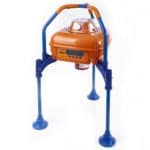
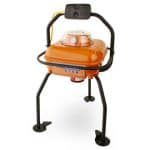
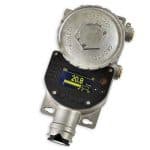
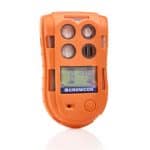
Watch, listen and learn how Crowcon, H2S gas detection specialists, protect people and plant from the gas risks posed by flammable and toxic gas.
Hydrogen sulphide gas is considered a broad-spectrum poison, meaning that it can poison several different systems in the body, although the nervous and respiratory systems are most severely affected. Besides being highly toxic H2S is a flammable gas – heavier than air and hence tending to accumulate in low-lying areas.
H2S is pungent but rapidly destroys the sense of smell.
H2S gas is toxic at breathable concentrations between 500-1000 ppm, but death is not instantaneous. However, at concentrations of greater than 1000 ppm, H2S is lethal.
Industry practice is to recognise that fatality from H2S exposure can occur over a wide concentration band but at around 500–1000 ppm exposure for a short period, the fatal exposure levels would be significant. 800 ppm is the generally accepted lethal concentration for 50% of an exposed human population for 5 minutes exposure.
Hydrogen sulphide naturally occurs in crude petroleum and natural gas reservoirs
H2S gas is toxic at less than 20 parts per million
Gas becomes flammable at 4.3% of air by volume
H2S gas is 1.2 times heavier than air so stays low in windless conditions
Hydrogen sulphide has a highly corrosive nature which increases the chance of a gas leak
H2S inhibits pellistors so infrared sensors may well provide a better gas detection option
Personal and fixed gas monitors are needed to ensure worker safety against hydrogen sulphide levels
T&D are Crowcon distributors – market leading fixed and portable gas detectors and monitors for flammable and toxic gases, including ATEX Certified equipm
H2S Gas Detection : Crowcon are market leading manufacturers of Portable and Fixed Gas Detection Equipment
h2s gAS eXPOSURE – THE EXPOSURE RISKS
1,000-2,000 ppm: Loss of consciousness and very possible death
100-1,000 ppm: Serious respiratory, central nervous, and cardiovascular system effects
150-200 ppm: Olfactory fatigue (sense of smell significantly impaired)
100 ppm: Immediately Dangerous to life and health (IDLH concentration)
5-30 ppm: Moderate irritation of the eyes
5-10 ppm: Minor metabolic changes in exercising individuals during short-term exposures
Less than 5 ppm: Metabolic changes observed but not clinically significant
5 ppm: Increase in anxiety symptoms (single exposure)
5 ppm: Start of the dose-response curve (short-term exposure)
0.032-0.02 ppm: Olfactory threshold (begin to smell)
H2S Gas Detection offshore
The UK HSE (Health & Safety Executive) have provided guidance to duty holders for detecting and managing hydrogen sulphide (H2S) hazards in hydrocarbon processing systems. As reservoirs begin to water out, hydrogen sulphide can become an issue when processing returning fluids. The gas is toxic in relatively low concentrations and the risks to the workforce need to be safely addressed once the presence of hydrogen sulphide has been detected.
H2S presence in reservoir streams tends to increase with time and it is important therefore that duty holders ensure that if the concentration levels in modules begin to increase the toxicity status of the areas are revised accordingly. The recommended strategy for fixed and portable detection is based on accepted management practice for confined space entry, and normally accessible process modules.
On an offshore installation, the standardsrecommend a 3-tier approach to H2S gas detection; similar to the flammable hazardous area classification arrangements:-
Category 0:Areas where H2S will be present during normal operations – confined spaces, vessels etc.
Fixed H2S detection is not recommended in areas where H2S is known to be present at high concentrations during normal operations. The argument is that if the presence of the toxic gas is known and known to be unacceptably high, there is no reason for installing detection.
Access is controlled by special precautions, confined space entry management, that starts with the removal of H2S and initial entry is by specifically trained personnel with portable H2S detection equipment wearing breathing apparatus (BA) and other protective equipment.
Category 1: Areas in which H2S may be encountered during normal operations
Entry is only allowed with portable toxic detection equipment and fixed detection is recommended for these areas to maintain a risk history, but should not be used for making safety-related decisions.
Category 2: Areas which are H2S free in the atmosphere during normal operations, but which may be contaminated by a leak, or equipment malfunction or intrusive activities.
For ‘open access modules’, where H2S is not normally present but could be following a leak, fixed detection is recommended in certain scenarios. This is based on a concentration of 500 ppm H2S in the ‘carrier’ stream of process fluids. If the H2S concentration is below 500 ppm, in the carrier stream, the areas may be classified as “2A” and H2S detection is via the standard hydrocarbon detection instruments. At concentrations greater than 500 ppm, in the carrier stream, the area is designated “2B”, and requires a H2S specific detection system because the hydrocarbon detection systems cannot provide a timely response to the more harmful, higher H2S concentrations levels.
This argument is based on an assumption in the standard (unsubstantiated) that process hydrocarbon carrier gas on release is diluted to 1% by air entrainment. Hence if the hydrocarbon gas contained 500 ppm H2S, the toxic component would be diluted to 5 ppm; the occupational exposure limit (OEL) for the gas. However, there is no supporting argument in the standard that a 100:1 dilution will be achieved if a hydrocarbon gas stream is released to atmosphere.
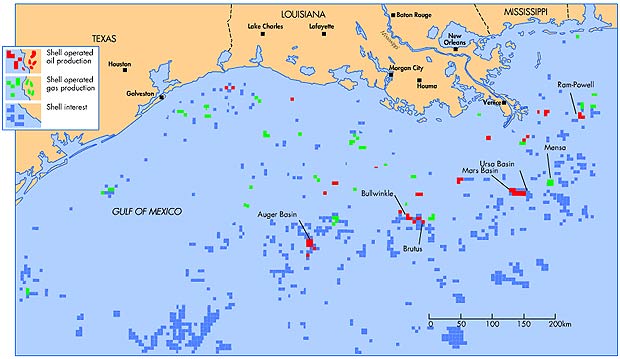
Na Kika Project : involves the production of hydrocarbons from five small- to medium-sized discoveries in the Mississippi Canyon area of the Gulf of Mexico. Shell already has an extensive range of offshore hydrocarbon operations in the Gulf of Mexico. The map shows the oil projects operated by Shell, the gas projects operated by Shell and the many offshore hydrocarbons project in which Shell has an interest. Image Courtesy : Hydrocarbon Technology
OFFSHORE HYDROCARBON RELEASES (2001-2008)
The offshore industry employs about 28,000 personnel in the UK involved in a wide range of activities.
Since the Piper Alpha disaster in 1988, health and safety issues concerning offshore platforms have vastly reduced, however, the work practices involved are not risk free and still have the potential to cause considerable loss of life when things go wrong.
A falling oil price, declining reserves and an ageing infrastructure have resulted in increased drilling activity around marginal fields. Operators have looked for new ways in which to cut costs, which could affect the health and safety of the workforce.
In recent years there has been an increase in the number of major and significant hydrocarbon releases on offshore platforms that require investigation. – the following report aims to identify the immediate cause of hydrocarbon leaks and determine if there are discernable reasons for the increasing trends.
0.0047 ppm is the recognition threshold of human smell, the concentration at which 50% of humans can detect the characteristic odour of hydrogen sulphide.
10-20 ppm is the borderline concentration for eye irritation.
50-100 ppm leads to eye damage.
At 150-250 ppm the olfactory nerve is paralyzed after a few inhalations, and the sense of smell disappears, often together with awareness of danger.
320-530 ppm leads to pulmonary edema with the possibility of death.
530-1000 ppm causes strong stimulation of the central nervous system and rapid breathing, leading to loss of breathing.
Concentrations over 1000 ppm cause immediate collapse with loss of breathing, even after inhalation of a single breath.
h2s Hydrogen sulphide is a highly toxic gas
Hydrogen sulphide is a colourless gas that is known by its characteristic rotten egg like odour appearing naturally as a by-product of decomposition. A drawback to trusting the senses (olfactory) for protection against hydrogen sulphide is that prolonged exposure to the gas renders the sense of smell inoperative.
H2S reacts with the enzymes in the blood stream which inhibit cell respiration.
Put simply, high concentrations of hydrogen sulphide can shut off the lungs. Low concentration exposure to the gas can burn the respiratory tract and cause swelling around the eyes.
Symptoms of acute H2S gas exposure include nausea, headaches, delirium, tremors, convulsions, skin and eye irritation
Detecting Hydrogen Sulphide With Crowcon
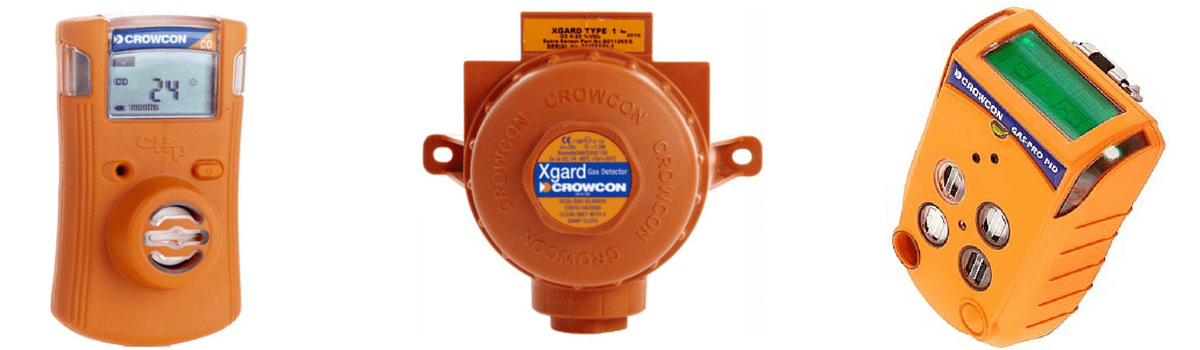
The following table provides an overview of the Crowcon Gas Detectors available for detecting hydrogen sulphide – for expert technical support and product selection guidance please call T&D Sales Engineers.
Crowcon Xgard INFO
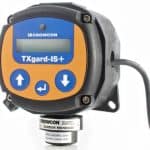
Crowcon TXgard-IS+ INFO
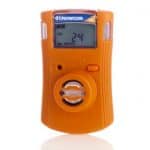
Crowcon Clip INFO
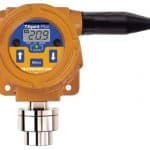
Crowcon TXgard Plus INFO
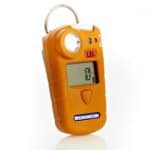
Crowcon Gasman INFO
Crowcon Tetra 3 INFO
Crowcon GasPro INFO
Crowcon Tetra INFO
Crowcon Triple Plus+ INFO
Crowcon Detective+ INFO
Crowcon Detective INFO
Crowcon XgardIQ INFO
Crowcon T4 INFO
Crowcon Gas-Pro PID INFO
Crowcon Hazardous Area Gas Detectors (ATEX Certified) Zone 1 & Zone 2. Contact T&D for with your enquiry.
Detecting Hydrogen Sulphide, Methane, Oxygen & Carbon Monoxide Gas Using Crowcon Detectors
Flame, Heat, Gas Detectors & Detection Systems
Hazardous area industries including offshore oil/gas platforms and FPSOs, onshore oil refineries, processing plants, pipelines, storage farms and LPG/LNG plants all utilise or produce a wide range of hazardous flammable liquids and gases that can be detected using correctly specified flame and gas detectors.
Detecting toxic and flammable gases requires the detectors to be classified and certified according to the specific IECEx or ATEX standard – we distribute flame and fire detectors manufactured by Spectrex to operate in the harshest environmental conditions including self-contained stand-alone devices designed for direct connection to control and alarm systems or automatic fire extinguishing systems.
Our range of Hazardous Area Fire & Gas Detection Systemproducts also includes Explosion Proof Warning Systems & Hazardous Area Lighting – comprehensive range of intrinsically safe, flameproof and explosion proof alarm sounders, sirens, bells and horns, loudspeakers and beacons.
Follow our Showcase Page on LinkedIn to receive hazardous area product innovations, industry news, whitepapers, videos, technical tips and training webinars for professionals involved in the explosive atmosphere industries.
Watch, listen and learn how Crowcon, O2 gas detection specialists, protect people and plant from the gas risks posed by flammable and toxic gases and oxygen depletion or enrichment levels.
Oxygen supports life with safe levels being between 19% and 23% by volume
Over 24% oxygen, ignition of flammable materials occurs more readily
Introduction of pure oxygen (e.g. welding) greatly heightens this safety risk
O2 levels are reduced by dilution with other gases
Oxygen is also consumed during combustion, rust formation and biological decay
Gas hazards can be significantly increase if working in confined spaces
Monitoring for O2 depletion or enrichment is vitally important across applications
Personal and fixed gas detectors for oxygen are needed to ensure worker safety
Oxygen Depletion & Confined Spaces
Hypoxia (low physiologic oxygen content) symptoms include loss of peripheral vision and colour acuity causing panic and damaging personal coordination and judgement. Rapid onset of impaired sensory ability can seriously impact upon workers ability to implement self-rescue actions in confined space emergency situations.
Planned Oxygen Depletion: intended low oxygen levels may be unavoidable when carrying out confined space entries in the presence of flammable or explosive atmospheres in hazardous area locations. Oxygen removal eliminates the threat of the Fire Triangle. Adequate oxygen gas depletion detectors are essential to precise monitoring of low O2 levels in confined spaces in both safe (non-hazardous) and hazardous area classified work zones.
Unplanned Oxygen Depletion: often caused by equipment failure or inadequate isolation techniques. Even where entry teams have assessed confined space safety and relevant permits have been issued a previous entry team could have inadvertently introduced an inert gas into the confined space and failed to ventilate. Lethal low levels of oxygen should be detected using portable gas detectors for both permit and non-permit confined space working.
T&D are Crowcon distributors – market leading fixed and portable gas detectors and monitors for flammable and toxic gases, including ATEX Certified equipment
What are the causes of oxygen fires & explosions?
Main causes of fires and explosions when using oxygen are:
oxygen enrichment from leaking equipment
use of materials not compatible with oxygen
use of oxygen in equipment not designed for oxygen service
incorrect or careless operation of oxygen equipment
Oxygen O2 Gas Detection : Crowcon are market leading manufacturers of Portable and Fixed Gas Detection Equipment
O2 Oxygen Gas Detection Using Crowcon T3
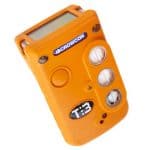
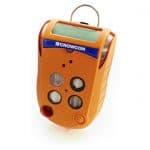
Crowcon Tetra 3 gas detector is widely used for confined space entry, strengthened by specialist gas options for the water, hospitality and steel industries.
Crowcon Tetra 3 multigas monitor is a compact, robust and easy-to-use diffusion based gas detector. Single button operation, small size and clear top-mounted display for working in demanding industrial environments, such as water, telecoms, food, brewing or hydrocarbons sectors. Gases include the most common four (carbon monoxide, methane, oxygen and hydrogen sulphide), but also an expanded gas range: ammonia, ozone, sulphur dioxide, H2 filtered CO (for steel plants) and IR carbon dioxide (for safe area use only).
Crowcon Tetra 3 Gas Detectors
Detecting Oxygen With Crowcon
The following table provides an overview of the Crowcon Gas Detectors available for detecting oxygen – for expert technical support and product selection guidance please call T&D Sales Engineers.
A BBC film crew filming sulphur miners in the crater of an active volcano used a Crowcon (UK) Tetra 3 portable gas detector to warn them of dangerous levels of hydrogen sulphide (H2S). The crew were filming in Indonesia as part of the BBC’s landmark ‘Human Planet’ series which explores mankind’s relationship with nature in the world today.
Crowcon Hazardous Area Gas Detectors (ATEX Certified) Zone 1 & Zone 2. Contact T&D for with your enquiry.
Detecting Hydrogen Sulphide, Methane, Oxygen & Carbon Monoxide Gas Using Crowcon Detectors
Flame, Heat, Gas Detectors & Detection Systems
Hazardous area industries including offshore oil/gas platforms and FPSOs, onshore oil refineries, processing plants, pipelines, storage farms and LPG/LNG plants all utilise or produce a wide range of hazardous flammable liquids and gases that can be detected using correctly specified flame and gas detectors.
Detecting toxic and flammable gases requires the detectors to be classified and certified according to the specific IECEx or ATEX standard – we distribute flame and fire detectors manufactured by Spectrex to operate in the harshest environmental conditions including self-contained stand-alone devices designed for direct connection to control and alarm systems or automatic fire extinguishing systems.
Our range of Hazardous Area Fire & Gas Detection Systemproducts also includes Explosion Proof Warning Systems & Hazardous Area Lighting – comprehensive range of intrinsically safe, flameproof and explosion proof alarm sounders, sirens, bells and horns, loudspeakers and beacons.
Follow our Showcase Page on LinkedIn to receive hazardous area product innovations, industry news, whitepapers, videos, technical tips and training webinars for professionals involved in the explosive atmosphere industries.
T&D are Crowcon distributors – market leading fixed and portable gas detectors and monitors for flammable and toxic gases, including ATEX Certified equipment
CO Carbon Monoxide Gas Detection : Crowcon are market leading manufacturers of Portable and Fixed Gas Detection Equipment
cARBON MONOXIDE GAS – 6 symptoms
Unsafe gas appliances produce a highly poisonous gas called carbon monoxide (CO). It can cause death as well as serious long term health problems such as brain damage. Carbon monoxide symptoms are similar to flu, food poisoning, viral infections and simply tiredness. That’s why it’s quite common for people to mistake this very dangerous poisoning for something else.
Headaches
Dizziness
Nausea
Breathlessness
Collapse
Loss of consciousness
You can’t see it, taste it or smell it but it can kill quickly and with no warning. Detect it with Crowcon CO Gas Detectors.
CO Gas Detection, Sensing, Monitoring & Alarming
CoGDEM
CoGDEM is the Council of Gas Detection and Environmental Monitoring, a trade association with a membership of around sixty companies involved in the gas detection industry.
CoGDEM is recognised as the single representative voice serving the U.K.’s gas detection, analysis and monitoring industries.
In recent years, the true toxicity of CO2 in the workplace has been identified and publicised, including articles in IET by HSE and others. For example, it was common practice in the alcohol brewing and distilling process industry just twenty years ago to monitor oxygen deficiency as the only means of protecting workers from exposure to excessive CO2. However, it had to be pointed out that oxygen levels may only be very slightly depressed by the time a CO2 concentration exceeded Workplace Exposure Limits. In the UK the HSE’s EH40 document shows the WELs for CO2 to be 0.5% (8-hour LTEL) and 1.5% (15-minute STEL). These levels indicate that CO2 is a toxic gas in its own right, not just an asphyxiant when it displaces enough oxygen.
Detecting Carbon Monoxide With Crowcon
The following table provides an overview of the Crowcon Gas Detectors available for detecting carbon monoxide – for expert technical support and product selection guidance please call T&D Sales Engineers.
Crowcon Xgard INFO
Crowcon TXgard-IS+ INFO
Crowcon Clip INFO
Crowcon TXgard Plus INFO
Crowcon Gasman INFO
Crowcon Tetra 3 INFO
Crowcon GasPro INFO
Crowcon Tetra INFO
Crowcon Triple Plus+ INFO
Crowcon Detective+ INFO
Crowcon Laser Methane Mini INFO
Crowcon XgardIQ INFO
Crowcon Gas-Pro IR INFO
Crowcon Gas-Pro PID INFO
Crowcon T4 INFO
Crowcon Detective INFO
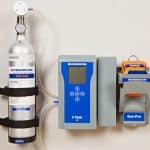
Crowcon I-Test & I-Test Manager INFO
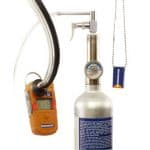
Crowcon Bump & Calibration Gas INFO
Crowcon Hazardous Area Gas Detectors (ATEX Certified) Zone 1 & Zone 2. Contact T&D for with your enquiry.
Detecting Hydrogen Sulphide, Methane, Oxygen & Carbon Monoxide Gas Using Crowcon Detectors
Flame, Heat, Gas Detectors & Detection Systems
Hazardous area industries including offshore oil/gas platforms and FPSOs, onshore oil refineries, processing plants, pipelines, storage farms and LPG/LNG plants all utilise or produce a wide range of hazardous flammable liquids and gases that can be detected using correctly specified flame and gas detectors.
Detecting toxic and flammable gases requires the detectors to be classified and certified according to the specific IECEx or ATEX standard – we distribute flame and fire detectors manufactured by Spectrex to operate in the harshest environmental conditions including self-contained stand-alone devices designed for direct connection to control and alarm systems or automatic fire extinguishing systems.
Our range of Hazardous Area Fire & Gas Detection Systemproducts also includes Explosion Proof Warning Systems & Hazardous Area Lighting – comprehensive range of intrinsically safe, flameproof and explosion proof alarm sounders, sirens, bells and horns, loudspeakers and beacons.
Follow our Showcase Page on LinkedIn to receive hazardous area product innovations, industry news, whitepapers, videos, technical tips and training webinars for professionals involved in the explosive atmosphere industries.
Press Release Date: 02.04.2020 uploaded by Chris Dodds (T&D Sales + Marketing Manager) World’s First Fully Certified ATEX Doors Thorne & Derrick International, the Experts in Equipment for Explosive Atmospheres, today announce the signing of a Commercial Distribution Agreement...
Press Release Date: 04.07.2019 uploaded by Chris Dodds (T&D Sales + Marketing Manager) Category: Stockist Distributor Agreement Announcement Thorne & Derrick International announce that they have signed a Preferred Distributor Agreement with Raytec, the world leading manufacturer of LED...