Anaerobic digestion consists of a series of processes that use microorganisms to decompose organic or biodegradable waste. It is applied intentionally as a method of waste disposal, sewage treatment and to produce biogas fuels.
The process of anaerobic digestion is growing in popularity as it is viewed as an environmentally friendly way to deal with waste and also produces an organic fuel source.
As you would expect with the production of biogas, there are a number of dangers associated with anaerobic digestion that need to be addressed. The application of robust safety measures and risk mitigation are necessary for any business or organisation involved in anaerobic digestion.
Written by Crowcon in conjunction with Thorne & Derrick, this whitepaper, takes a closer look at the hazards that arise during anaerobic digestion, including those posed by dangerous gases, and how the risks can be carefully controlled and reduced.
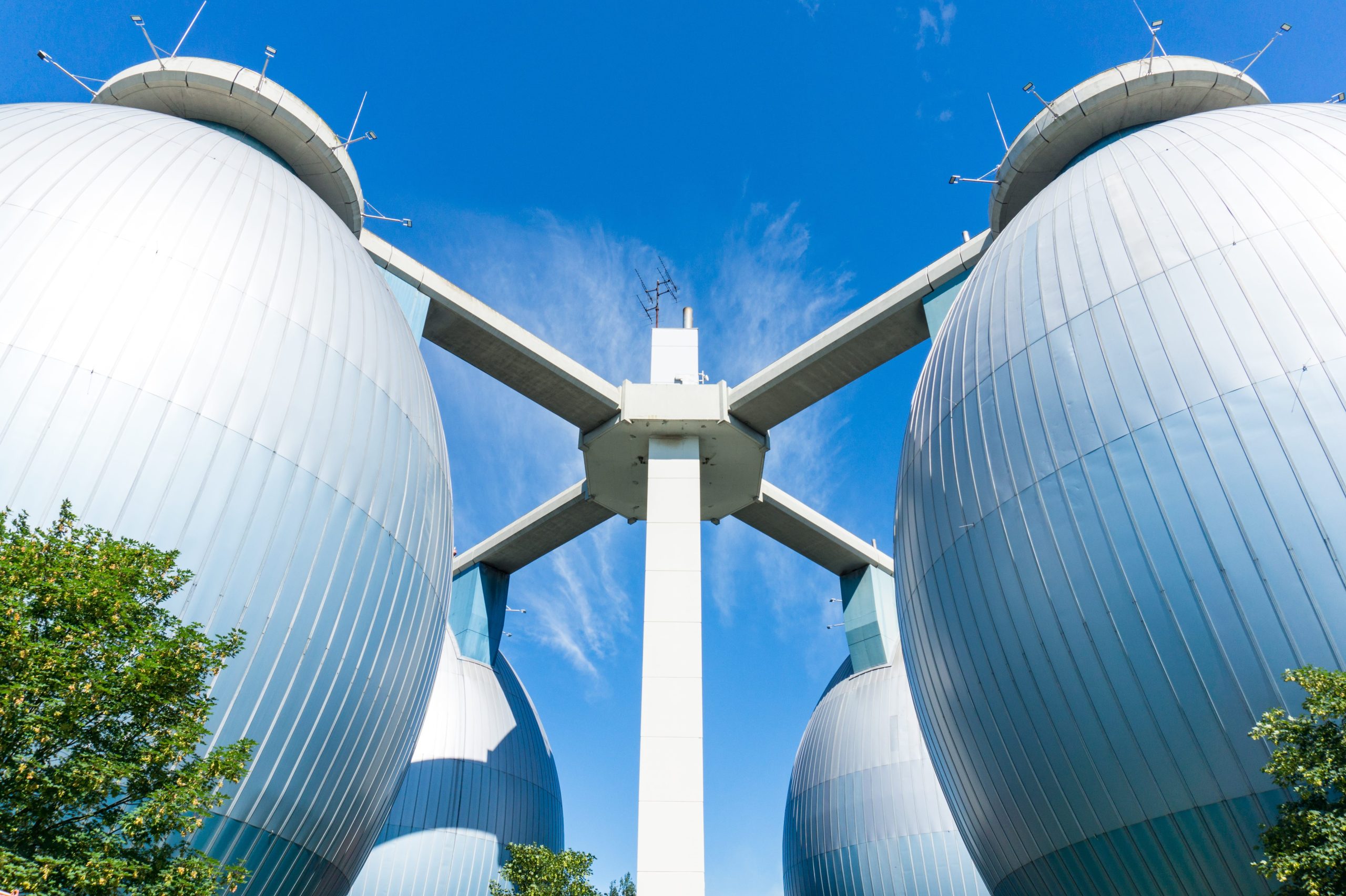
Anaerobic digestion involves the decomposition of organic waste materials such as sewage, animal manure, solids from wastewater, and food waste using bacteria. The overall process occurs in an industrial plant called a digester. The chemical decomposition takes place in a sealed container, known as a reactor.
The main resultant gases released during anaerobic digestion are stored in a gas reservoir and sold on as biogas. The solid digestate is discharged from the digester and can be processed for use as organic fertiliser, animal bedding, horticultural products, or building materials.
The stages of anaerobic digestion are:
1. Bacterial hydrolysis – insoluble solids (e.g. carbohydrates) are decomposed into soluble substances
2. Acidogenesis – acidogenic bacteria convert the sugar and amino acids into organic acids, hydrogen, carbon dioxide, and ammonia
3. Acetogenesis – bacteria convert the organic acids into acetic acid, as well as additional compounds such as carbon dioxide, hydrogen, and ammonia
4. Methanogenesis – methanogen microorganisms convert the remaining compounds into carbon dioxide and methane. The resultant mixture of carbon dioxide and methane is a biogas that can be used to power gas engines including vehicles. For this reason, anaerobic digestion has grown in popularity across Europe and the United States in recent years.
Potential Hazards & Risks Posed By Anaerobic Digestion
Fire & Explosion
Anaerobic digestion produces a biogas formed of methane (CH4) and carbon dioxide (CO2) which is a highly flammable combination. Typically, biogas will contain around 60%
methane and 40% carbon dioxide.
Air has to be excluded from anaerobic digesters and gas reservoirs, as if mixed with biogas, it would give rise to a risk of combustion or explosion if there is a nearby ignition source.
In order to mitigate the risk of fire or explosion during the anaerobic digestion process, safety measures need to be in place to detect gas leaks into and out of the vessels and pipes being used, and close control is required to manage potential ignition sources or events such as nearby welding activities or electrical works.
Asphyxiation
All the hazards and risks from methane and carbon dioxide apply. The production, storage, and transportation of biogas can lead to oxygen depletion in surrounding areas and create an oxygen-deficient environment, especially in confined spaces. A typical anaerobic digester will have confined spaces, including the reactor and gas reservoirs, but also rooms in any surrounding buildings require assessment.
Workers who carry out activities in these environments may be at risk of gas exposure, poisoning or asphyxiation which can lead to loss of consciousness or, in extreme cases, fatality. One of the gases produced collects near the floor and the other rises. So appropriate measures need to be taken for both.
The European standard minimum level of oxygen for safe entry to confined spaces is 19.5%. The allowable percentage may vary depending on the safety legislation of the respective country or region. In order to reduce the risk of asphyxiation, extra ventilation should be provided wherever possible, especially in the area surrounding biogas storage tanks. High-pressure gas leaks or liquid leaks
Gases or liquids that are stored under high-pressure can present a hazard to human health if a leak occurs. For instance, if a high pressure storage tank or reservoir breaks and the gas or digestate contents leak out, a flood may occur.
The hazard is increased if the flooded area is a confined space. Digesters work at low pressures and the resulting gas is sometimes stored at high pressures. There is an increased risk of leaks when using pressurisation equipment as there are moving parts present which wear.
In order to reduce the risk of high-pressure gas leaks, digesters and storage tanks can be fitted with safety valves to reduce overpressure and eliminate vacuums. However those safety valve have to lead somewhere and that is the area needing a safety assessment.
Biological Waste Hazards
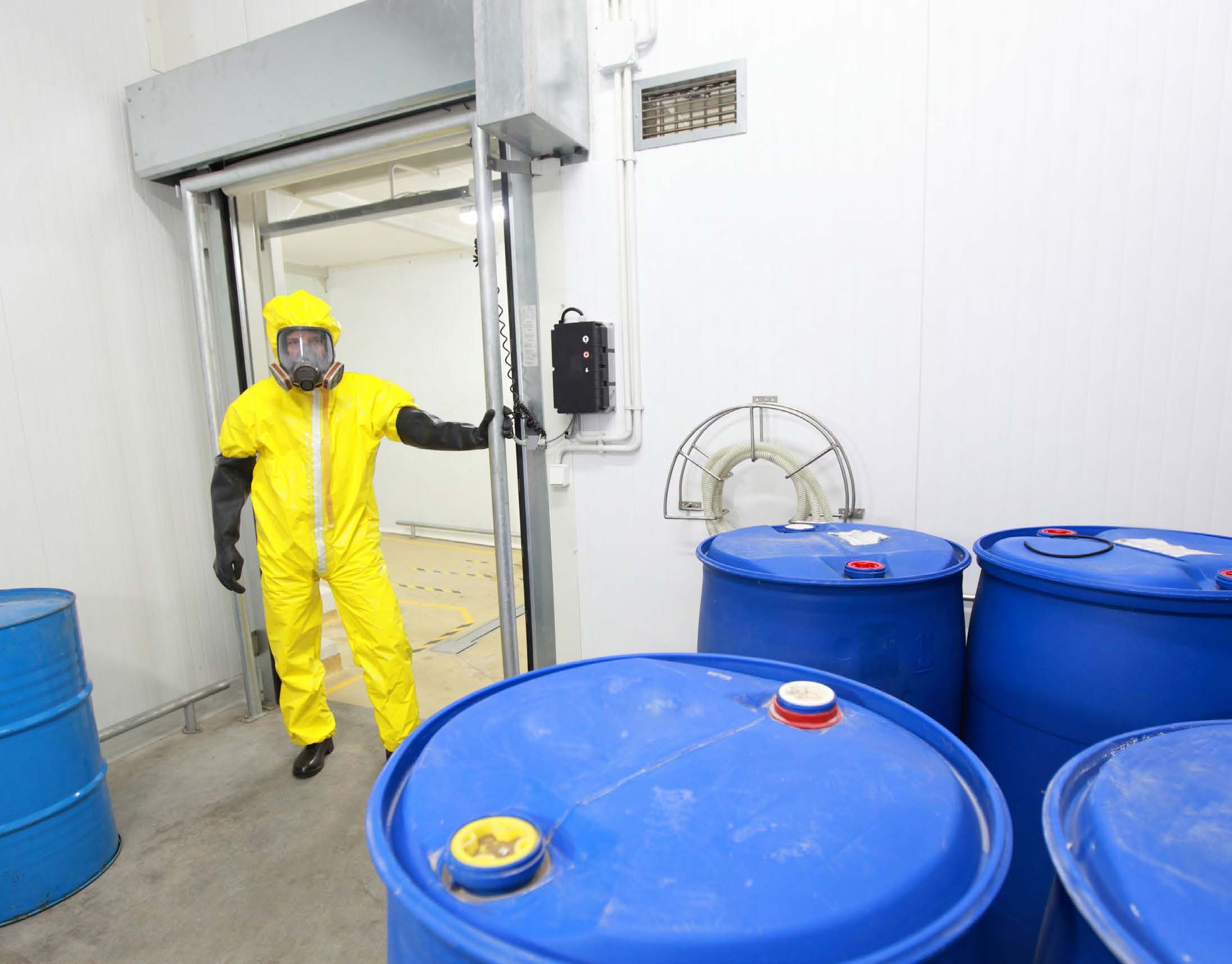
Anaerobic digestion often involves the decomposition of hazardous biological waste such as human sewage, animal manure, or rotten food waste. Pathogens may be present in the feedstock, such as salmonellae, listeria, enterobacter, as well as parasites and viruses. Therefore, any leakage or spillage of the feedstock may be harmful to human health.
Machinery Hazards
Digester and reactor machinery includes large mechanical moving parts to mix the feedstock and bacteria. Precautions need to be taken to reduce the risk of injury by making sure that employees do not come into contact with the moving parts. Safety interlocks, safety barriers and PPE should be provided where necessary.
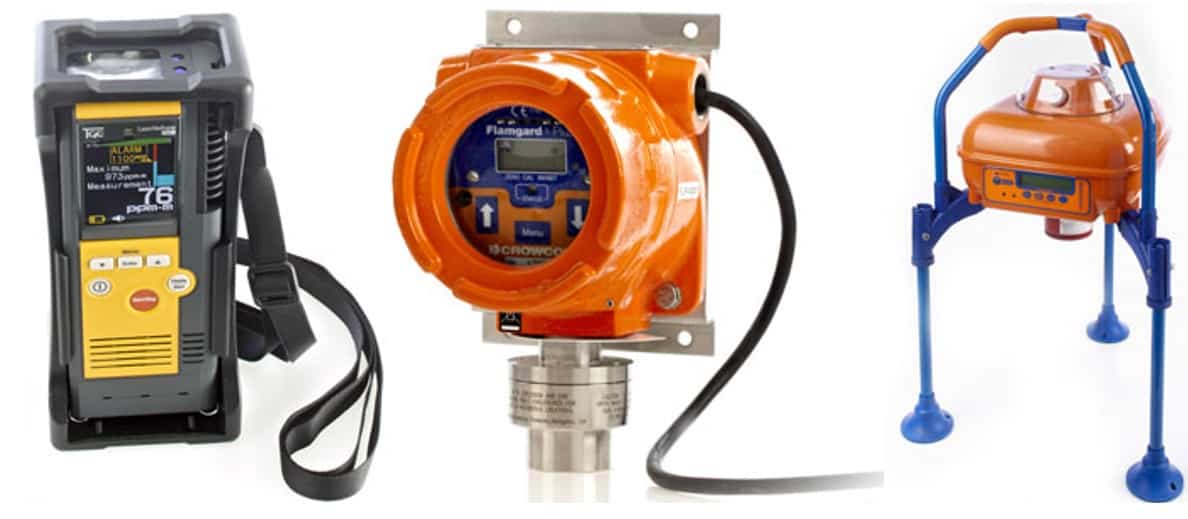
An alternative way to detect gases in confined spaces is to lower a portable gas detector, such as Crowcon T4, into the work area.
Gas Hazards Associated With Anaerobic Digestion
Methane (CH4)
Methane is the main by-product gas of anaerobic digestion. It is a colourless and odourless gas that is extremely combustible – it can ignite easily or explode when mixed with oxygen or air.
A high concentration of methane can also lead to oxygen depletion. Oxygen-deficient environments can lead to nausea, vomiting, vision problems, headaches, slurred speech, and mood changes. In very high concentrations it can lead to asphyxiation which can result in loss of consciousness or prove fatal.
Crowcon are market leading manufacturers of Portable and Fixed Gas Detection Equipment
Carbon Dioxide (CO2)
Carbon dioxide is recognised as a gas that poses an occupational hazard when present in high concentrations. It is a colourless and odourless gas that is non-flammable. It is a dense gas that sinks in air, collecting in basements and filling confined spaces from the floor up.
Health hazards arise with carbon dioxide when it builds up to a relatively high concentration in the air, which can lead to dizziness, headaches, respiratory problems, sweating, exhaustion, raised heart rate, elevated blood pressure, and asphyxiation.
The safe working limits for carbon dioxide, as set out in EH40/2005 Workplace Exposure Limits, are:
Long-term exposure limit
(8-hr reference period) of 5000 ppm (parts per million) Short-term exposure limit
(15 minute reference period) of 15000 ppm
Hydrogen Sulphide (H2S)
If the anaerobic digestion feedstock contains slurry or sludge which is high in sulphur, then hydrogen sulphide may be generated as a by-product during the formation of methane and carbon dioxide. Until digesters have been running for 6 to 8 weeks, i.e. when they are new, H2S is often produced in reasonably high concentrations.
This lessens for older sites as bacteria that cause less harmful by-products start to dominate, however the high concentration H2S is very dangerous during that period – at least worthy of temporary gas detection.
H2S can cause respiratory problems, eye irritation, nausea, dizziness, headaches, and potential loss of consciousness as it is an anaesthetic gas. When it shuts your nasal nerve down at 15 to 20 ppm, you lose your sense of smell for the next hour or so, when it shuts nerves down that control breathing the outcome may be worse.
The safe working limits for hydrogen sulphide, as set out in EH40/2005 Workplace Exposure Limits, are:
Long-term exposure limit
(8-hr reference period) of 5 ppm Short-term exposure limit
(15 minute reference period) of 10 ppm
Crowcon are market leading manufacturers of Portable and Fixed Gas Detection Equipment
Ammonia (NH3)
Ammonia is recognised as a potential inhibitor during the anaerobic digestion process. It can cause problems when the organic feedstock is high in ammonia, such as urea or nitrogen-rich matter. Most digestion systems use adapted microorganisms or methods such as microwave or ultrasonication to remove high concentrations of ammonia.
High levels of ammonia in the air can cause hazards such as skin and respiratory system irritation. Extremely high concentrations of ammonia can cause serious lung damage, lasting health conditions, or death. At concentrations exceeding 14.8%, ammonia can also present a fire and explosion risk.
The safe working limits for ammonia, as set out in EH40/2005 Workplace Exposure Limits, are:
Long-term exposure limit
(8-hr reference period) of 25 ppm Short-term exposure limit
(15 minute reference period) of 35 ppm
Fixed Gas Detection Products for Industrial, Hazardous Areas & Explosive Atmospheres
The Health and Safety at Work Act 1974 covers the requirements of employers to ensure “reasonably practicable” precautions to safeguard employees.
EH40/2005 Workplace Exposure Limits
In the UK, the Health and Safety Executive (HSE) maintains the EH40/2005 Workplace Exposure Limits which provide regulatory limits on the safe working concentrations for a variety of hazardous substances, including toxic and dangerous gases. The workplace exposure limits for anaerobic digestion gases are given in the previous section.
Health and Safety at Work Act 1974
The Health and Safety at Work Act 1974 is the main UK legislation for occupational health and safety. The act covers the requirements of employers to ensure “reasonably practicable” precautions to safeguard employees, especially in hazardous environments and when hazardous substances such as toxic gases are involved. The legislation requires that risk assessments are carried out and risk minimisation implemented.
Personal Protective Equipment at Work (Amendment) Regulations 2022 (PPER 2022)
The HSE PPER 2022 regulations came into force on 6th April 2022 as an amendment to the 1992 regulations. The regulations set out the requirements of employers to ensure that workers are provided with the necessary personal protective equipment (PPE) to carry out their duties. It also sets out the responsibility of employees to make sure that they use them correctly.
Gas detectors mitigate anaerobic digestion hazards
In order to meet the relevant regulatory requirements discussed in the previous section, it is recommended that you implement gas detection methods. Crowcon together with Thorne & Derrick provides a wide range of gas detectors to meet your needs.
Gas detection is a necessary control measure to meet health and safety standards and comply with regulations in anaerobic digestion. Here at Crowcon, we offer a wide range of gas
detection products to help you improve construction site safety.
The fixed gas monitors Xgard, XgardIQ and Xgard Bright provide constant readings from a specific location and therefore can be implemented throughout industries with anaerobic digestion.
For more information about gas detection solutions for industries with anaerobic digestion, or to ask further questions about best practice on monitoring gases in anaerobic digestion,
get in touch today.
Hazardous Area Lighting
Raytec Spartan
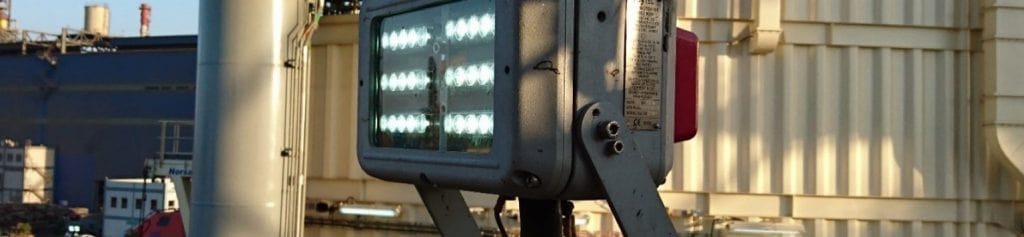
Below Raytec have complied an overview of some of their favourite hazardous area lightingprojects in the last year. SPARTAN LED luminaires are designed for use in hazardous areas and deliver outstanding and performance
SPARTAN is a full range of Ex LED lighting approved for all ATEX, IECEx & UKEx Zone 1 and Zone 2 hazardous area environments, including UL /CSA C1D2 installations constructed to withstand the most challenging environments
Thorne & Derrick together with Raytec offer unrivalled product support helping the hazardous area industry to improve safety, reliability & operational performance.
We hold extensive UK stocks ensuring fast delivery worldwide and offer free, fast and expert specification advice from our skilled team with over 35 years’ experience.
With all this in mind, let’s have a look back at some of Raytec’s favourite installations from around the globe in recent months!
Offshore Oil Rig, UAE
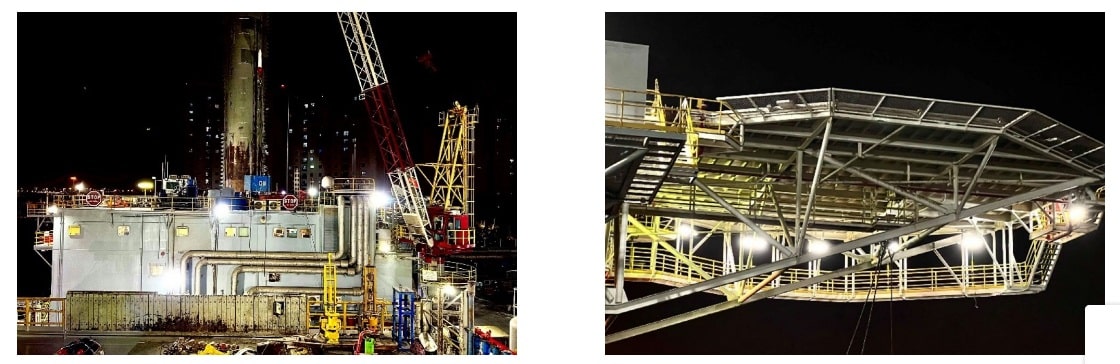
Working with AJV Technical Equipment, a leading supplier of hazardous and industrial lighting based in the Middle East, Raytec SPARTAN products were recently installed on an offshore oil rig in the UAE.
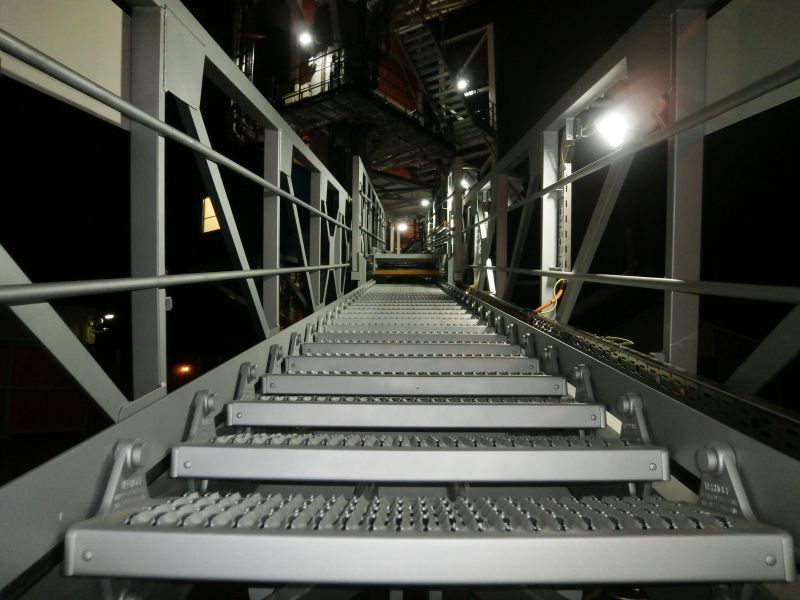
SPARTAN Floodlights and Linear luminaires, including emergency variants, were installed across the rig to provide a safe environment for offshore drilling workers during low-light conditions. This included illuminating the lifeboat areas (to support evacuation procedures in an emergency scenario), around the helideck, and general illumination throughout the rig.
SPARTAN Floodlights & Linear Luminaires Installed On An Offshore Oil Rig in The UAE
Why Raytec Love This Installation:
SPARTAN products are specifically designed for the most challenging conditions, such as those in offshore locations, so we love to see our products being deployed in their natural habitat!
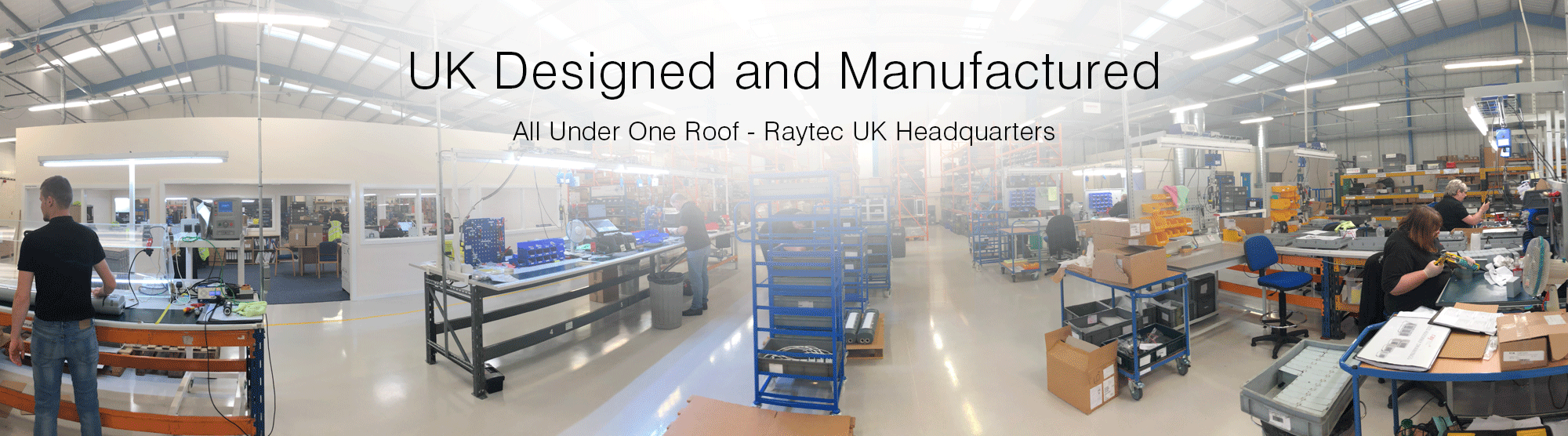
All Raytec lighting is designed and manufactured in the UK and available with a 5 year warranty.
Bird-Friendly Lighting, Netherlands
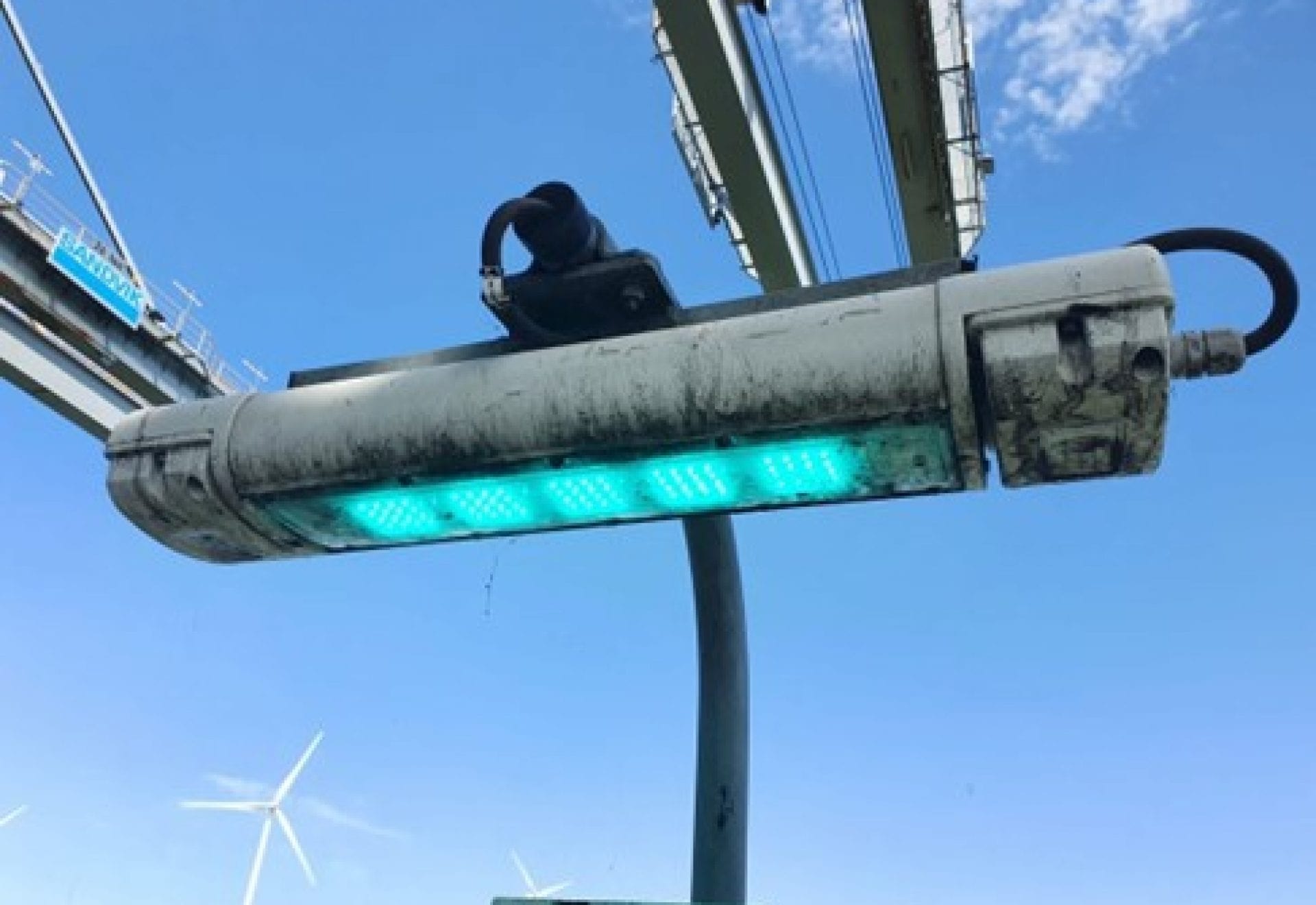
Raytec and Unique Lights have recently undertaken a project which has seen some bespoke SPARTAN Linear luminaires installed on an offshore platform located in a Natura 2000 area. Lighting regulations within a Nature 2000 area stipulate a special type of monochromatic lighting must be installed to protect local bird wildlife.
Raytec were able to develop a bespoke variant of SPARTAN Linear, using turquoise–coloured, monochromatic LEDs which conformed with the necessary regulations and would help to protect the wildlife.
Why Raytec Love This Installation:
Bespoke, engineered solutions are at the heart ofRaytec. Raytec love to see how our lighting can be adapted and modified for specific requirements. Developing this bird–friendly lighting solution, which helpsto support a positive environmental impact, makes our bespoke work much more rewarding and beneficial.
LNG Facility, Australia
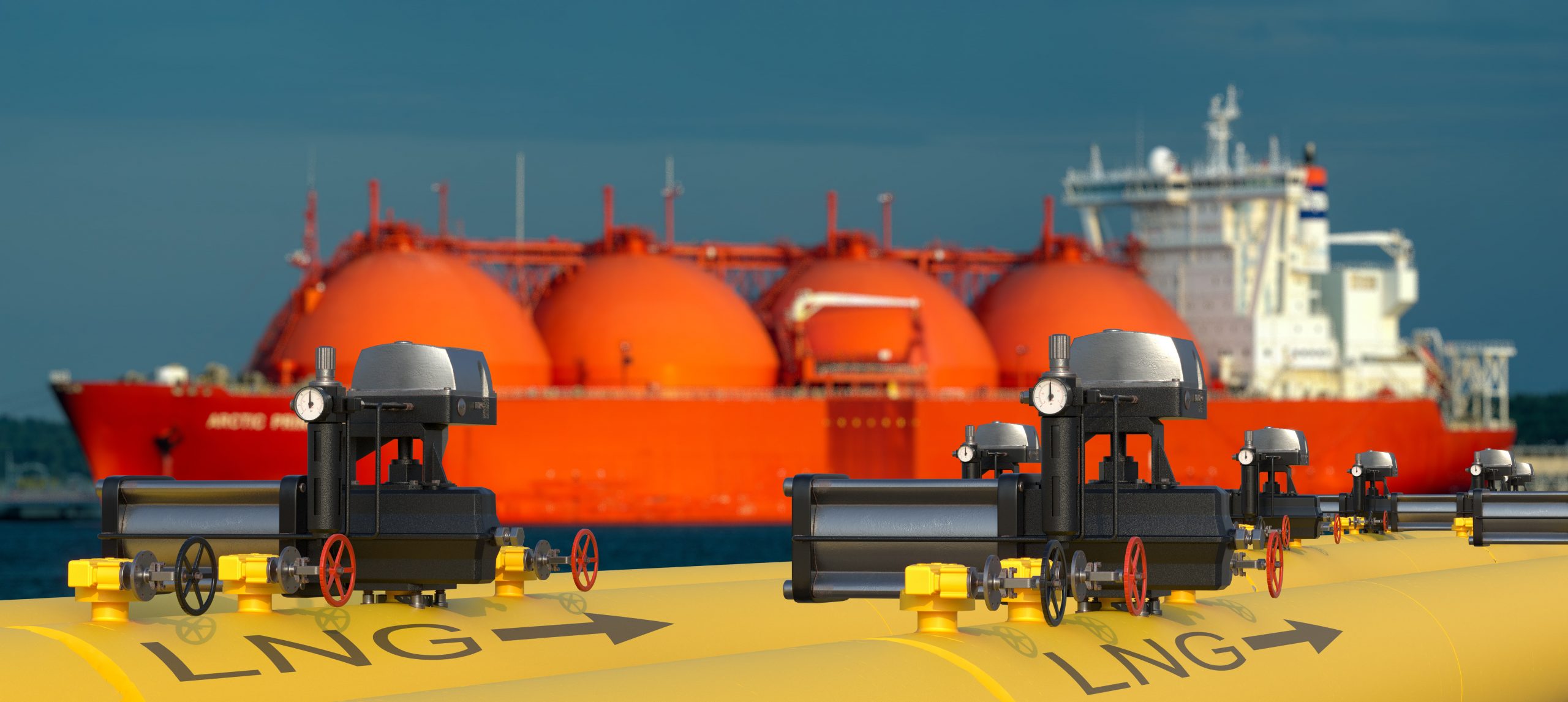
Working with Pacific Automation, we recently supplied a range of ATEX & IECEx certified LED fittings to one of Australia’s largest onshore LNG facilities. The site engineers approached Pacific Automation for help due to issues with existing lighting failing the visual inspections required for maintaining their hazardous area certification
Why Raytec Love This Installation:
Raytec thrive on helping our customers to overcome issues and solve problems. Knowing that Raytec luminaires will provide a reliable, long-term solution to improve one of Australia’s largest onshore LNG facilities is extremely satisfying!
UV exposure, heat cycling and high ambient temperatures were causing embrittlement of ageing GRP fittings installed on site, with hinges on the enclosures cracking and delaminating, rendering them inoperative.
With Raytec fittings designed using marine grade aluminium, the luminaires can disperse the heat more appropriately and also make maintenance more straightforward with the power supplies located in an easy-to-access end cap.
Chemical Storage, UK
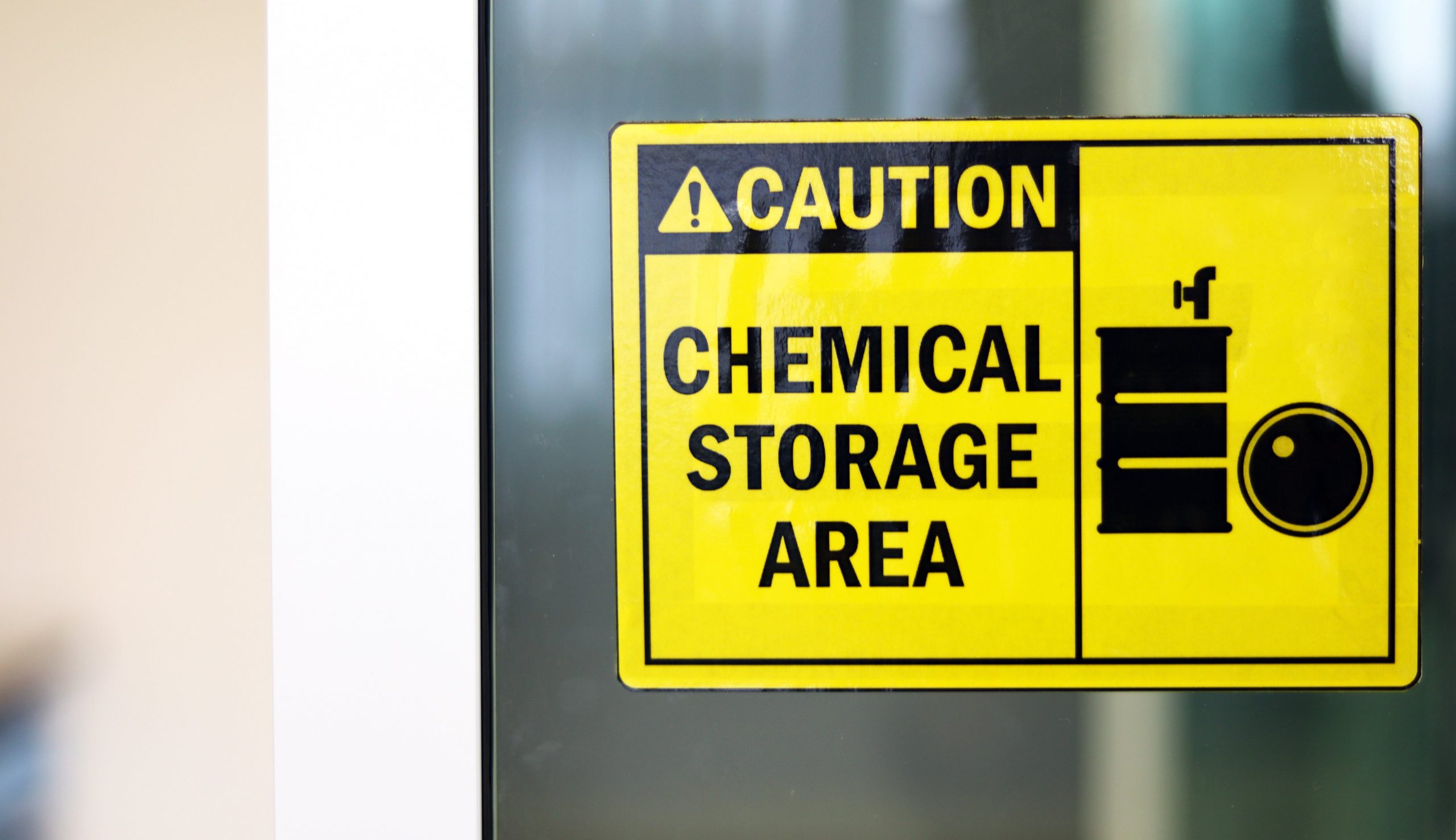
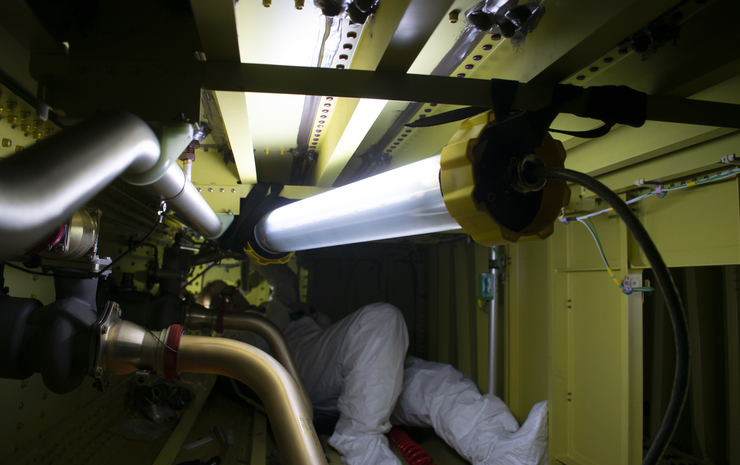
Specialist electrical installers Indacon LTD Electrical and Mechanical, recently provided us with these images of Raytec’s second generation of SPARTAN Linear luminaires, along with SPARTAN Bulkhead, installed inside a chemical storage room in the UK which had been designated as a Zone 1 hazardous area.
Why Raytec Love This Installation:
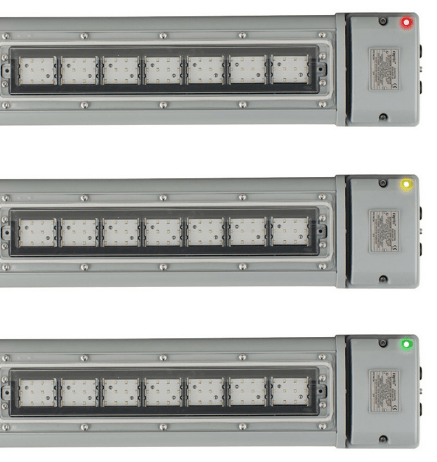
While this may appear a routine installation, it was one of the first to use the new SPARTAN Linear Generation II! Launched earlier in 2022, Linear Generation II provides a significantly upgraded lumen output, along with a redesigned front lens which improves durability and delivers twice the impact rating of the existing linear.
Strongman VS Spartan
How tough is the Spartan? Raytec put a Strongman to the test to see just how strong the Spartan is…
➡ Are you working on a project requiring hazardous area lighting? Contact Thorne & Derrick today to discuss your requirements. Using the latest software, we can provide a FREE LIGHTING DESIGN SERVICE for the specification and supply of ATEX & IECEx light fittings to provide safe and reliable lighting in hazardous areas and industrial locations.
Hazardous Area Lighting
Ex e Protection vs Ex d Protection
When specifying a luminaire for use in a hazardous area, one of the most important things to consider is certification. In simple terms, the luminaire needs to be approved to an appropriate level, based on the environment in which it is being installed. If your site has been designated as Zone 1 hazardous area, you will need to specify a luminaire which has been approved to Zone 1 standards.
Beyond this, it’s also important to look at the method of protection used during certification; this can have a significant impact on how the luminaire has been designed. While there are various different protection methods, two are particular common in Ex luminaires; Ex e ‘increased safety’, and Ex d ‘flameproof’;
Ex e – luminaires approved to this standard are designed to be cool running and prevent arcs, sparks and hotspots from occurring. In short, this protection method is focused on preventing the risk of explosion by ensuring an ignition source cannot arise.
Ex d – luminaires approved to this standard must be able to safely contain an explosion, and the accompanying pressure that develops. They must prevent any fire or sparks from escaping the enclosure and into the surrounding explosive environments. This protection method is therefore focused on containment rather than prevention.
With a basic understanding of the principles behind these protection methods, we’ll now look in detail at how this dictates the way a luminaire can be designed, and how that impacts an end user.
ATEX Lighting
Ease of Maintenance
One of the main differences (between luminaires certified using Ex e or Ex d standards) is how easy they are to maintain.
Ex d luminaires are designed using flamepaths. The flamepaths are essential to the luminaire’s Ex certification, extinguishing flames before they can escape into the external environment. To maintain a suitable flame gap, a number of bolts (tightened to a specific torque) are used. These must be removed in order to gain access to internal components for maintenance procedures.
Not only does this make maintenance more time consuming, it also makes it more complicated for the person carrying out the maintenance. They must be careful to ensure the correct flame gap is retained when the housing is put back together. Failure to do so could invalidate the Ex certification.
With Ex e protection there is no requirement to use flamepaths, meaning these problems are eradicated and the luminaire can be much easier to maintain.
Ease of Installation
Another drawback of trying to ‘contain’ an explosion is the way in which a luminaires housing must be designed; it must be suitably thick to contain an explosion, and the pressure that comes with it. An Ex d luminaire therefore tends to be bigger, bulkier, and heavier than a comparable Ex e fitting. By being lighter and more compact, Ex e luminaires are easier to install and maintain. When designed using strong materials, such as aluminium or stainless steel, they can still retain high levels of durability and robustness.
Temperature Ratings & Gas Groups
Due to changes in the property of a gas or vapor at low temperatures, most Ex d luminaires are not suitable for installation in areas below -20° C. Because Ex e luminaires are designed to prevent an ignition source occurring (rather than preventing gases from entering or escaping), they are likely to have a much wider temperature rating. Of course, you should always check the temperature rating of any piece of ATEX equipment, but having this understanding should help to make specifying easier.
Further to this, if your application requires equipment which is certified for IIC gas groups, it may be difficult to find a suitable Ex d luminaire. Because the gases in the IIC gas group are deemed highest in risk, an Ex d fitting must use tighter flame gaps (which are more complex to manufacture). For this reason, fewer Ex d fittings exist which are approved for IIC applications, and those that do tend to be expensive and even more difficult to maintain.
Wireless Technology
Introducing new technology into hazardous areas is always a challenge, but we are beginning to see the emergence of smart / IoT enabled luminaires (as is more common in industrial and commercial markets).
As we identified earlier, an Ex d luminaire’s housing must be suitably thick to contain an explosion, and the pressure that comes with it. Much like it can be difficult to achieve a good Wi-Fi signal in a house with thick walls, an Ex d housing may not be the best solution for wireless technology. In contrast, with the Ex e protection method, there is far more scope to integrate this kind of technology into the luminaire.
leaders in ATEX Innovation To The Hazardous Area Industries
Thorne & Derrick are leaders in the development and distribution of Product Innovations that deliver significant improvements to clients plant, people and operational safety in the explosive atmosphere industries.
Your proactive problem solvers experienced in succession planning for the replacement of obsolete, non-conformant and legacy equipment in hazardous areas.
Your first-choice provider of innovative and competitive solutions to ensure ATEX & IECEx Compliance for Hazardous Area Electrical, HVAC & Process Instrumentation Equipmentto UK and international projects.
Hydrogen, a clean carbon neutral energy source emitting no CO², is often described as the fuel of the future but in reality it is increasingly being used already in a wide range of applications in the UK and overseas.
Though its green planet credentials are highly encouraging, its advocates should not play down the risks its use can potentially cause. Hydrogen is a highly volatile element which creates a highly hazardous explosive atmosphere. Its inherent risk is caused not only by its low ignition and high combustion properties, but also by its tendency to leak easily from storage tanks.
A number of explosions within hydrogen refuelling stations and storage locations have underscored the fuel’s potential dangers.
Engineers and technicians working in locations where hydrogen, or other explosive gases or vapours, could be present can be confident that Wolfhas a safe, certified and effective portable and temporary lighting solution which can be tailored to meet their specific needs.
While recognising these risks hydrogen is already being used to power fuel cell vehicles including buses, trucks and a test train currently running trials in Scotland. Future applications could include powering construction machinery, ships, even aircraft.
BP has revealed plans to build the UK’s biggest hydrogen production plant on Teesside, due to go into operation by 2030. It will have capacity of up to 1GW of ‘blue hydrogen’ representing 20 per cent of Britain’s target of 5GW before the end of this decade. Hydrogen is also being developed as a generator of thermal power in other parts of the world, including Australia and Japan.
Most of Wolf’s portable and temporary lighting, as well as power distribution products, are ATEX and IECEx certified for use where hydrogen could be present.
Michael Morley, Wolf Safety’s Technical Director, comments: “Engineers and technicians working in locations where hydrogen, or other explosive gases or vapours, could be present can be confident that Wolf has a safe, certified and effective portable and temporary lighting solution which can be tailored to meet their specific needs.
“However, it is important that while developing new applications for hydrogen, in pursuing justifiable aspirations for green and clean solutions, people should not lose sight of its potential to cause explosion.
“The use of ATEX or IECEx certified lighting is a vital safety precaution in hydrogen atmospheres.”
Hydrogen is increasingly becoming the fuel of the present, as well as the future.
leaders in ATEX Innovation To The Hazardous Area Industries
Thorne & Derrick are leaders in the development and distribution of Product Innovations that deliver significant improvements to clients plant, people and operational safety in the explosive atmosphere industries.
Your proactive problem solvers experienced in succession planning for the replacement of obsolete, non-conformant and legacy equipment in hazardous areas.
Your first-choice provider of innovative and competitive solutions to ensure ATEX & IECEx Compliance for Hazardous Area Electrical, HVAC & Process Instrumentation Equipmentto UK and international projects.
Thorne & Derrick together with Wolfcan offer a range of ATEX Compact LED Safety Torches.
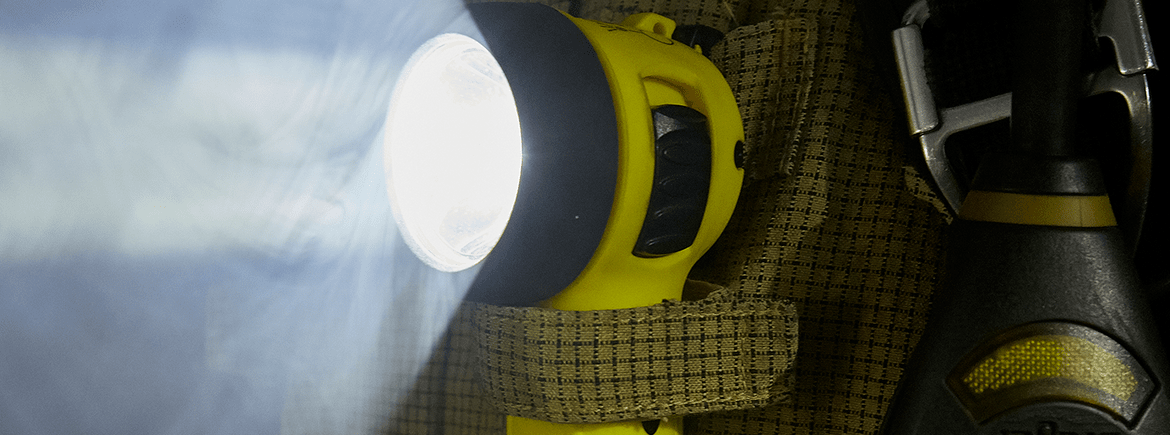
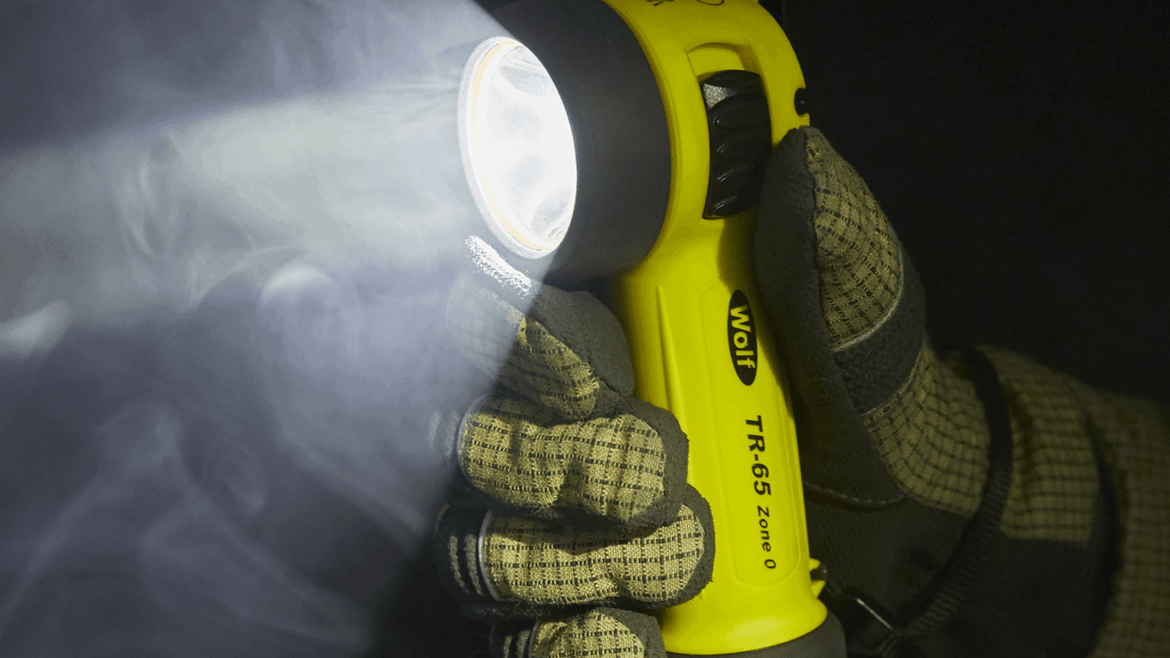
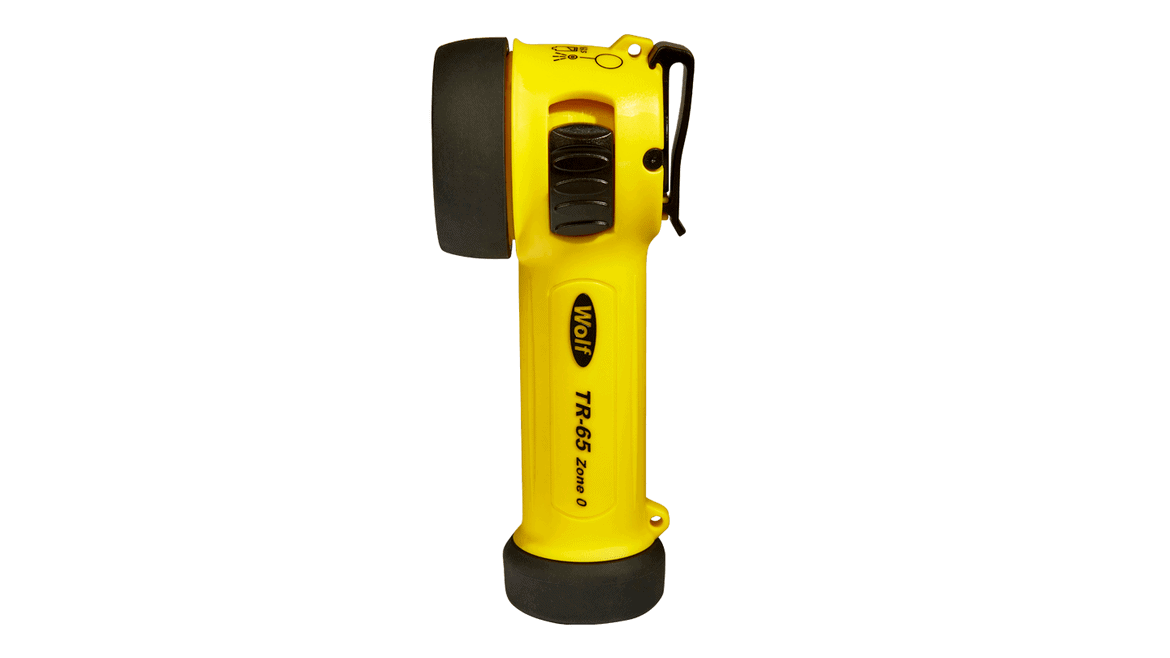
The TR-65 (Zones 0, 1, 2, 21 & 22) and TR-60 (1, 2, 21 & 22) are compact, lightweight, right angle ATEX torches for use in the most demanding hazardous area workplaces.
Available now, these primary cell LED safety torches offer outstanding multi-functional performance & has a market leading maximum light output of 300 lumens – no safety torch shines more brightly!
4 X AA batteries power three output modes:
• 10% power – strong enough to see at close range, & be seen by in low light conditions, & offering 159 hours of light output ( more than six days of continuous light!)
• Medium power – supplies 150 lumens light output for 14 hours
• Full power – 300 lumens maximum light output for maximum visibility when it’s needed
The beam pattern is designed to provide the ideal balance between intensity & size of spot beam, with a wide angle flood of emitted fringe light. Strong & robust, the torches are manufactured from materials proven in some of the world’s harshest Hazardous Area environments over the last two decades.
Don’t be left in the dark – with 15% battery power remaining, the battery level indicator will flash & the beam will interrupt momentarily once every 5 seconds.
Also newly available is the TR-60 ATEX Zone 1, single function version.
Wolf TR65 | ATEX Compact Safety LED Torch
With a market leading 300 lumens emitted from the torch, the new TR-65 has 3 power modes, is lightweight, compact and robust. Reliable, durable and easy to use and carry, the ATEX safety torch is ideal for use in the most demanding work places.
The medium power supplies a very useable light output for nearby illumination with an increased duration of up to 14 hours, and the lowest power setting provides a useful light to be seen by which will last for up to a staggering 159 hours.
The beam pattern is specifically designed for the optimum combination of spot and fringe light; perfect for viewing into the distance whilst providing enough nearby light to ensure safety from obstacles close at hand.
When the battery level falls to 15% of its maximum level, the battery charge indicator will flash (battery charge indicator only on TR-65 model), and the beam will be interrupted momentarily once every 5 seconds (both models), clearly alerting the user and ensuring they need never be left in the dark.
Strong and robust, both models are made from impact and chemical resistant thermoplastic – the same tried and tested super tough material used on Wolf hazardous area torches for nearly 2 decades.
Ergonomically designed for comfort in use, the large switch is easy to operate, even when wearing gloves. Two integral lanyard fixings allow the torch to be securely attached to a tunic, tool belt or bag.
A flatter back increases stability and a highly robust polymer clip keeps the torch firmly fixed in place, though it can be detached quickly if required and will ‘give’ if the user gets snagged on an obstacle.
Spare parts are readily available to enable users to replace the LED module, lens, clip, end cap, cassette or circuit if required.
The TR-60 is an economical and very viable alternative to the TR-65. Certified for use in Zone 1, it emits 200 lumens from a single setting, has a 12 hour battery duration and is fitted with a polycarbonate lens. It shares the same robust materials and construction as the TR-65.
ATEX Safety Torch
FEATURES & BENEFITS
Light output/duration/power:
300 lumens emitted (TR-65)/200 lumens (TR-60)
Duration at different power levels: 7/14/159 hours (TR-65)/Up to 12 hours (TR-60)
4 x AA alkaline primary cells
3 power modes for different light output (TR-65); single mode (TR-60)
Balanced spot and fringe optics
Certification:
ATEX/IECEx Zone 0 (TR-65)/Zone 1 (TR-60)
T4 temperature class
IP66 and IP67 water and dust tight
Features
Battery level indicator (TR-65)
Beam dip for last 15% of battery life (TR-65 and TR-60)
Robust, reliable and proven materials
Ergonomic design
Compact and lightweight
Large switch (easy to use even when wearing gloves)
Deep discharge protection
Robust polymer clip
Two lanyard fixings – one at each end of the torch
leaders in ATEX Innovation To The Hazardous Area Industries
Thorne & Derrick are leaders in the development and distribution of Product Innovations that deliver significant improvements to clients plant, people and operational safety in the explosive atmosphere industries.
Your proactive problem solvers experienced in succession planning for the replacement of obsolete, non-conformant and legacy equipment in hazardous areas.
Your first-choice provider of innovative and competitive solutions to ensure ATEX & IECEx Compliance for Hazardous Area Electrical, HVAC & Process Instrumentation Equipmentto UK and international projects.
Press Release Date: 02.04.2020 uploaded by Chris Dodds (T&D Sales + Marketing Manager) World’s First Fully Certified ATEX Doors Thorne & Derrick International, the Experts in Equipment for Explosive Atmospheres, today announce the signing of a Commercial Distribution Agreement...
Press Release Date: 04.07.2019 uploaded by Chris Dodds (T&D Sales + Marketing Manager) Category: Stockist Distributor Agreement Announcement Thorne & Derrick International announce that they have signed a Preferred Distributor Agreement with Raytec, the world leading manufacturer of LED...