Declan Barry has an objective to make the industry safe by installing the appropriate explosion protection solutions to industry with full back up services. With 42 years of experience providing Explosion Hazard Services to the process industry, ATEX Explosion Hazards Ltd have a wide range of expertise within their group of companies.
Eliminating The hazard From the Start
In ATEX and Explosive Atmospheres
“You cannot fall down stairs you don’t have”.
Not our words… But those of Trevor Kletz; renowned Guru in the field of process safety. What did he mean? Well, he was talking about ‘bungalows’ (single story buildings) and how they relate to INHERENT SAFETY – the very first topic which should spring to mind in any hazard or risk assessment i.e. how can we eliminate the hazard in the first place?
Later, in the third article of this series, we look at the classification of hazardous areas and cite an incident in Mexico involving a water immiscible solvent (n-Hexane) which entered a town drainage system. Had the manufacturing process been designed to eliminate the risk of using a water immiscible solvent, many of those killed in the violent explosion which occurred would be alive today.
ATEX Safety – Preventing Hazards
EU Areas and equipment in which combustible gases and/or vapours may form and in which airborne clouds may be produced, fall within the scope of the Dangerous Substances and Explosive Atmosphere Regulations 2002 Statutory Instrument No. 2776. A more detailed account of the principles involved is discussed in International Standard IEC 61241-19.
The Regulation (Section 6.4 Risk Reduction) states the following measures, in order of priority, are those specified for risk control:
Reduction of the quantity of dangerous substances to a minimum
Avoidance or minimising the release of a dangerous substance
Control of the release of a dangerous substance at source
Prevention of the formation of an explosive atmosphere, including the application of appropriate ventilation
Ensuring that any release of a dangerous substance which may give rise to risk is suitably collected, safely contained, removed to a safe place, or otherwise rendered safe, as appropriate
Avoidance of ignition sources including electrostatic discharges and adverse conditions which could cause dangerous substances to give rise to harmful physical effects
Segregation of incompatible dangerous substances.
Dilution
Simple steps, for example, could help eliminate the hazard – like adding water to an alcohol or changing the process operation e.g. method of addition. Pure iso-Propyl Alcohol (IPA) will form flammable atmospheres in air under ambient conditions as it has a low ash point value, i.e. 12 °C. Reduction of the quantity of dangerous substances to a minimum.
Hence, hazardous areas will arise during handling and inside process vessels under normal ambient temperature conditions. But could an IPA-water mixture be used in place of the pure solvent?
Dilution with water results in an increase in the closed-cup flash point value. This arises because the rate of evaporation is suppressed. The graph shows empirical data from which a ‘line-of-best-fit’ relationship has been determined:
y = 106.7 x-0.4674
where: y = flash point (°C), and x = IPA concentration (% v/v)
With a 5K safety margin, if the temperature of an IPA/H2O solution can be restricted to normal room temperature (say 25 ºC) or below, hazardous vapour-air mixtures can be avoided by controlling the alcohol content to 15 % IPA by volume or less (equivalent Flash Point = 30 ºC). Clearly, lower concentrations provide an even greater margin of safety.
Change in Procedure
When pouring liquids with moderate flash points (e.g. Flavours) in to a heated batch, to preclude the formation of hazardous areas within the vessel, some liquids (Flavours) have to be restricted, dependent on their flash point. To eliminate this, one option is to dilute the flavours with some of the batch liquor in a separate area (i.e. within a ventilated cubicle or fume cupboard), prior to the addition of the (then) diluted mixture.
Occasionally, to achieve the same goal, the batch temperature can be lowered, although this is not always a tenable solution. Increased ventilation offers a third alternative, whereby extraction (LEV) is provided immediately above the point of addition i.e. rather than at (say) ceiling level.
Ventilation
With increased ventilation, the extent of the hazardous area will be reduced. Suitable ventilation rates can also avoid persistence of the explosive atmosphere, thus influencing the type (and/or extent) of a zone. However, key points need to be considered in the use of ventilation:
Effectiveness should be controlled and monitored
Extract discharge point requires consideration
Air should be drawn from a non-hazardous area
Release conditions must be defined
Need to consider changes in gas densities (with temperature)
Need to consider flow of heavier-than-air gases
Need to consider local obstacles/impediments to air movement
Ventilation is often categorised as follows:
High Ventilation (VH) – can reduce the concentration at source virtually instantaneously, resulting in a concentration below the LEL. A zone of small (or even negligible) extent results.
Medium Ventilation (VM) – can control concentration, resulting in a stable situation where the concentration beyond the zone boundary is below the LEL whilst the release is in progress and where the hazardous area does not persist unduly, after the release stops.
Low Ventilation (VL) – cannot control the concentration whilst release is in progress or prevent undue persistence of hazardous area after release has stopped.
Consider local obstacles/impediments to air movement
Hazardous Area Classification
The process of area classification involves the identification of all flammable materials, the identification and grading of all releases of flammable material, the assessment of the level of ventilation and/or housekeeping and the determination of the resulting types and extents of the zones. In turn, the designation of ATEX zones enables the correct equipment, practices and procedures to be applied to protect the health and safety of the workers concerned with the facility.
It is important to note that area classification only deals with reasonably foreseeable events and does not consider highly improbable (‘catastrophic’) events. EN 60079-10 section 1.1(d) defines ‘catastrophic’ failures as ‘beyond the concept of abnormality dealt with in the standard’ and lists ‘the rupture of a process vessel or pipeline and events that are not predictable’ as examples. Thus, a ‘catastrophic’ failure may cause an explosive atmosphere to be present in an area defined by area classification as ‘non-hazardous’ and such situations are subject to a risk assessment by the operator under other legislation.
Quick-fix ‘Gaffer Tape’, often used for a temporary repair, is not a sound engineering solution. Moreover, in many cases, it becomes a permanent fixture! Certainly not an example of catastrophic failure.
Warehousing is not immune to risk either! A recent audit found several contraventions of HSE Guidelines:
Shared storage of oxidising materials and flammable liquids in the building
No provision of natural or forced (mechanical) ventilation (battery charging)
Processing (mixing) operations undertaken
within a warehousing environment
Limited segregation of operations
An opportunity for the release of gaseous oxidants within the building
Simple procedures can help hugely; such as protecting containers against banging or other physical damage when storing, transferring or using them and not using wooden pallets or other combustible pallets for storing containers of oxidizing materials and of course, ensure containers are suitably labelled.
In 2004, ICL was ned £400,000 over a factory explosion at Stockline Plastics in Maryhill, Glasgow. The blast killed nine workers and injured 40 others and was Scotland’s worst industrial disaster since the Piper Alpha oil rig explosion and re in 1988. The blast was caused by a build-up of liquid petroleum gas that had leaked from pipes. The pipes dated back to 1969 and were so badly corroded that escaped gas was ignited when a builder flicked a switch in the factory.
The High Court in Scotland was told that the pipework in question would only have cost £405 to replace and that one risk assessment undertaken was carried out by a college student doing vacation work.
Stockline Plastics Factory Explosion
This is the first in a series of eight articles, which aim to help you establish a simple basis of safety in your plant and dispel some of the myths associated with process and safety risk assessments.
LEADERS IN ATEX INNOVATION TO THE HAZARDOUS AREA INDUSTRIES
Thorne & Derrick are leaders in the development and distribution of Product Innovations that deliver significant improvements to clients plant, people and operational safety in the explosive atmosphere industries.
Your proactive problem solvers experienced in succession planning for the replacement of obsolete, non-conformant and legacy equipment in hazardous areas.
Your first-choice provider of innovative and competitive solutions to ensure ATEX & IECEx Compliance for Hazardous Area Electrical, HVAC & Process Instrumentation Equipment to UK and international projects.
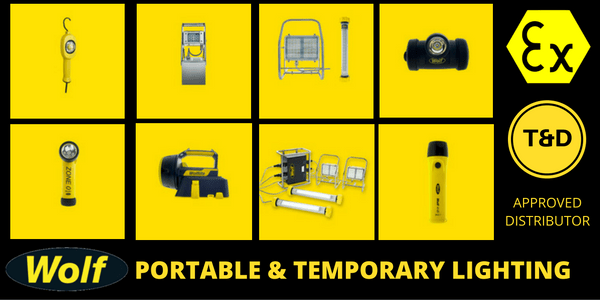
The range includes portable lighting such as handlamps, torches, head torches and warning lights and temporary lighting such as luminaires, floodlights, leadlamps, airlamps, worklights and tank lighting kits.
Portable ATEX Lighting
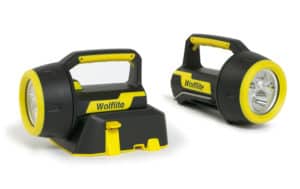
Wolf ATEX Handlamps
The handlamps from Wolf Safety Lamp Company comprises of rechargeable and primary cell powered lamps which are suitable for use in potentially explosive atmospheres – Gas Zones 0, 1 & 2 and Dust Zones 20, 21 & 22.
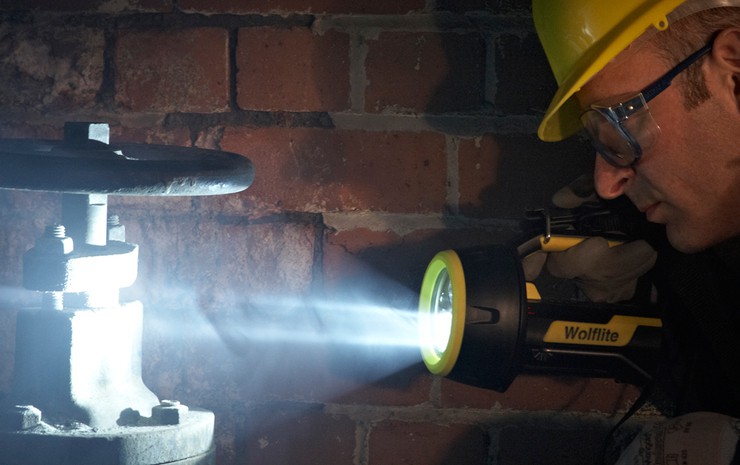
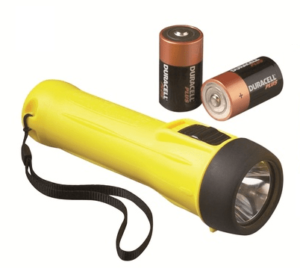
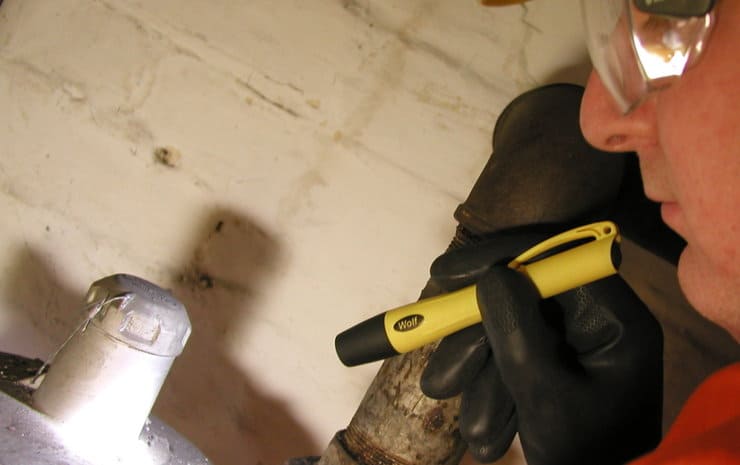
Hazardous Area Torchesare part of the Wolf portable and temporary lighting range.
The torches certified according to ATEX for safe use in hazardous areas Zone 0, Zone 1 & Zone 2 (Gas) and Zone 20, Zone 21 & Zone 22 (Dust). All torches are compact with a robust and ergonomic design. They feature a low battery power indicator and a high power ‘Fitted for Life’ LED light source.
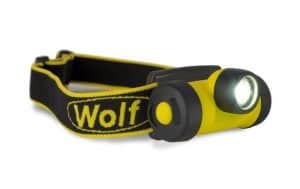
Wolf headtorchesare suitable for use in hazardous areas with potentially explosive atmospheres. They feature an adjustable, removable headband and are supplied with helmet clips for use with hard hats. The range includes the following headtorch models:
The range of portable warning lightscomprises of semi-portable, free standing hazard lamps and the Wolf Markerlite self contained, high visibility LED indicators.
Wolf Markerlite Warning Lights | Portable Lighting
Wolf Stockist – Worldwide Delivery, Competitive Quotations
Temporary ATEX Lighting
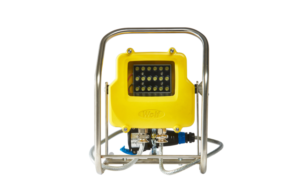
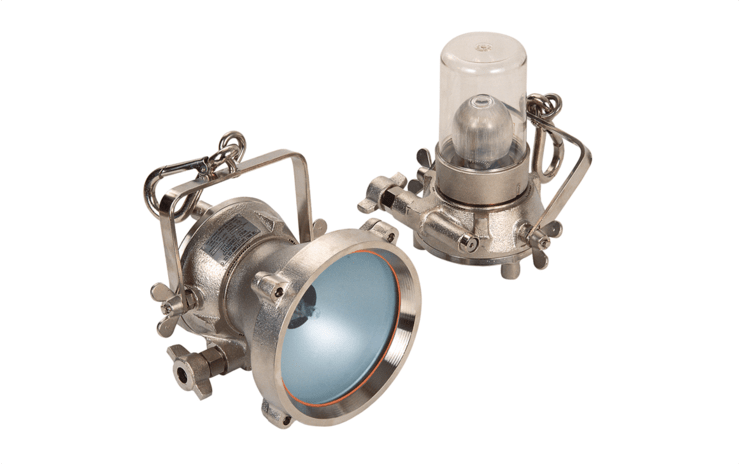
Wolf Linkex Temporary Luminaires & Floodlites
The LinkExrange of floodlites and luminaires are ATEX approved for use in Zones 1 & 2 as well as Zones 21 & 22. They have a robust yet compact design and each model has a variety of fixings and mounting accessories available. Speak to T&D for advice on which is most suitable for your application.
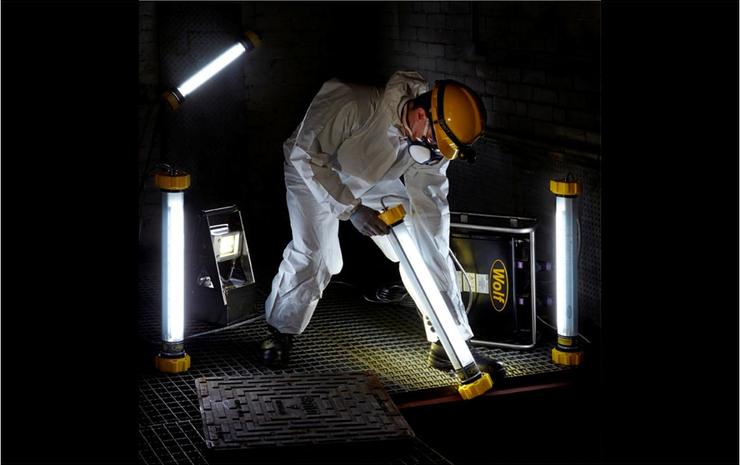
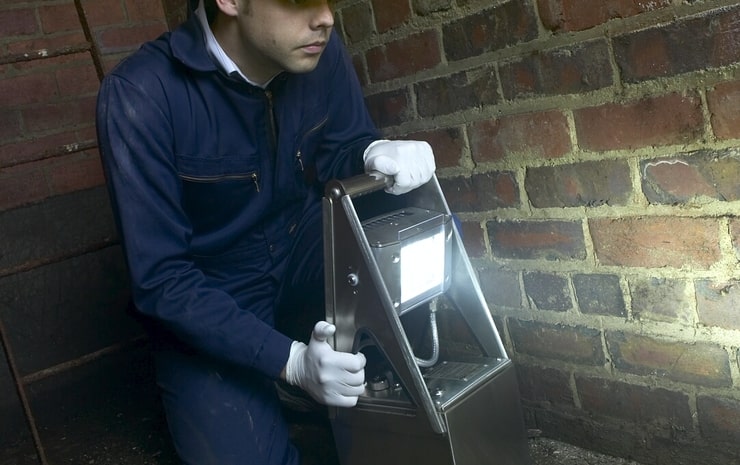
Wolf LinkEx Temporary Portable Lighting for Confined Spaces with Hazardous Areas Explosive Atmospheres
Wolf Linkex Tank Lighting Kits
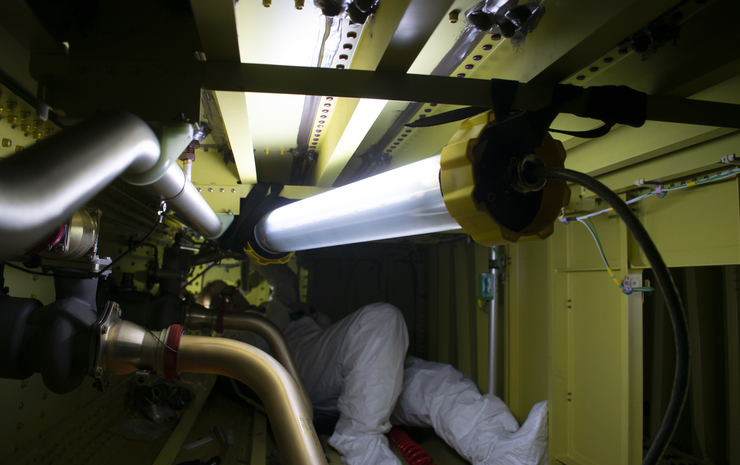
Wolf LinkEx ATEX certified tank lighting kits are for safe use in hazardous area Zone 1 & 2 (Gas, Vapour & Mist Explosive Atmospheres) and Zone 21 & 22 (Dust Explosive Atmospheres). They provide low voltage (LV) temporary lighting solutions for applications in confined spaces where there is likely to be a potentially explosive atmosphere due to lingering dust or gas mist or vapour.
Typical applications include vessel entry, tank cleaning and routine inspection work and programmes of preventative maintenance shutdowns all encountered in the oil and gas, aircraft, petrochemical and utility markets.
The kits allow for a flexible setup of high quality task and ambient lighting to suit all working conditions in tanks and vessels and offers your workers a high level of safety through a simple configuration of any of the above mentioned LinkEx luminaires and floodlites and handheld leadlamps as well as Wolf ATEX Transformersand power distribution systems.
LinkEx Tank Lighting Kits Used To Safely Illuminate The Interior Of Boeing 737 Fuel Tanks
Wolf Airlamps
The Airlampsrange of portable lighting, manufactured by Wolf, use a safe compressed air power source and are fitted with a stainless steel exhaust silencer. They are suitable for use in hazardous as well as non-hazardous areas and give a 250W halogen light output.
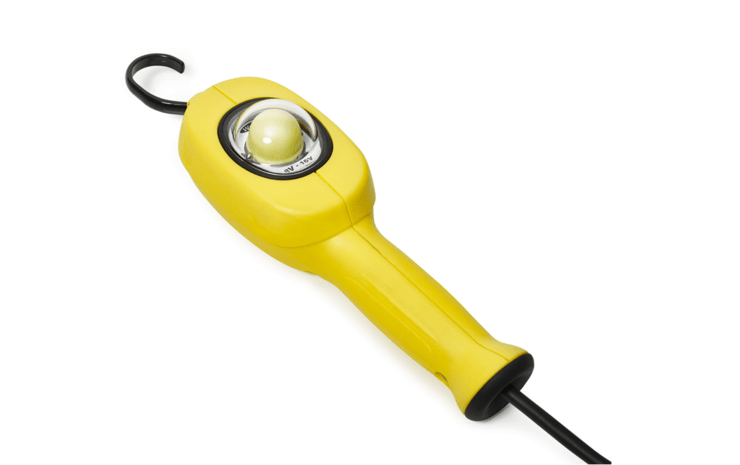
The ATEX Handheld Leadlamps are cable-powered, versatile and lightweight handheld inspection lights with an impressive LED light output, making them ideal for inspection and maintainance work activities in hazardous areas.
Suitable for use in Zone 0, 1 & 2 as well as Zones 20, 21 & 22, the Wolf rechargeable range of floodlights and worklights have a high LED output and a long service life of over 100,000 hours.
➡ For further information, technical specifications and hazardous area ATEX certificates, please see the Wolf Handheld Leadlamps product sections below. Visit portable and temporary lighting for more information about the full range of Wolf Lighting products.
Portable & Temporary Hazardous Area Lighting
When clear vision and brilliant LED light is required in hazardous area locations or confined spaces with potentially explosive atmospheres, Wolf Safety lights provide bold, bright and unfailing portable and temporary lighting. Since 1912, Wolf has been trusted to light the world’s most hazardous and hostile environments – with ATEX & IECEX certified portable lights to provide safe lighting in explosive atmospheres.
leaders in ATEX Innovation To The Hazardous Area Industries
Thorne & Derrick are leaders in the development and distribution of Product Innovations that deliver significant improvements to clients plant, people and operational safety in the explosive atmosphere industries.
Your proactive problem solvers experienced in succession planning for the replacement of obsolete, non-conformant and legacy equipment in hazardous areas.
Your first-choice provider of innovative and competitive solutions to ensure ATEX & IECEx Compliance for Hazardous Area Electrical, HVAC & Process Instrumentation Equipmentto UK and international projects.
Follow our Showcase Page on LinkedIn to receive hazardous area product innovations, industry news, whitepapers, videos, technical tips and training webinars for professionals involved in the explosive atmosphere industries.
Local Exhaust Ventilation
Solvents Industry Association
Special thanks to Andrew Norman General Secretary at SIA
for kind permission to republish this Guidance Note
Article 1 of 5
Thorne & Derrick, the Experts in Equipment for Explosive Atmospheres, together with the Solvents Industry Association would like to present a series of Guidance Notes written by SIA supporting the UK solvents industry and consumers in the promotion of safe and responsible use of solvent materials.
In this first Guidance Note, SIA discuss the operating Local Exhaust Ventilation (LEV) procedure for handling solvents and flammable liquids.
➡ Join SIA today to be provided with the advice and guidance to comply with the latest legislation and best practice.
SIA Mission Statement
The Solvents Industry Association exists to promote the safe, sustainable and responsible use of chemical solvents and to ensure that the regulatory framework relevant to the manufacture, storage, distribution and their use is based on sound science and best practice.
1. Introduction
The Solvents Industry Association has issued this Guidance Note to outline some of the factors to be considered when selecting and operating Local Exhaust Ventilation (LEV) when handling solvents. This is not intended to be an alternative guide to the HSE Guidance HSG 258 (Controlling Airborne Contaminants at Work) and is written in order to provide some additional information on mechanical ventilation selection and use.
Many solvents are flammable or highly flammable and one of the hazards when handling solvents is the possibility of a fire or explosion due to the ignition of a flammable atmosphere initiated by the release of a spark. Selecting the appropriate vapour extraction system to reduce workplace emissions to below the LEL (Lower Explosion Level) should be carried out as part of a DSEAR Risk Assessment to identify zoned areas where an ignition source has the potential to ignite flammable vapours.
Zone 0.An area in which a flammable vapour or gas is present continually or for long periods;
Zone 1. An area in which a flammable vapour or gas is likely to be present in normal operation;
Zone 2. An area in which a flammable vapour or gas is unlikely to be present in normal operation, but if it does occur may be present only for a short period.
Consideration also needs to be given to flammable solvents extracted via the LEV system to ensure the exhaust point is treated as a zoned area and is at least 3 metres away from any possible ignition source. The height, positioning and direction of the exhaust stack requires careful consideration if it is close to site perimeters and other buildings.
Solvents can also be toxic and require mechanical controls to protect people at work. The Control of Substances Hazardous to Health Regulations 2002 (COSHH) (as amended) requires employers to: –
Assess the degree of exposure and the risks to their employees, devise and implement adequate control measures, and check and maintain them
Use these control measures in the way they are intended to be used and as they have been instructed
Ensure that the equipment necessary for control is maintained ‘in an efficient state, in efficient working order, in good repair and in a clean condition’
Ensure that thorough examination and testing of their ‘protective’ LEV is carried out at least every 14 months (unless otherwise stipulated), other engineering controls at ‘suitable intervals’ and must ‘review and revise’ ways of working so that controls are being used effectively. The frequency of examination and tests should be linked to the type of engineering control in use, the size of the risk if it failed or deteriorated and how likely it is to fail or deteriorate
Ensure the person undertaking the thorough examination and testing receives full co-operation for the work to be correctly and fully carried out
Rectify any defects as soon as possible or within a time laid down by the person carrying out the examination. Ensure that the person carrying out the thorough examination and test provides a record, which needs to be kept by the employer for at least five years
Solvent emissions are subject to controls under the UK’s Environmental Permitting Regulations which encompass the Integrated Pollution Prevention and Control rules covering certain industrial activities and processes with regards to the EU Industrial Emissions Directive.
This Guidance Note is not intended to include specific regulations covering solvent emissions to the environment that are managed in the UK by the Environment Agency, SEPA, Natural Resources Wales and the Northern Ireland Environment Agency, Information on processes subject to environmental regulation can be found on the relevant environmental agency websites detailed at the end of this Guidance Note.
2. Site Operational Requirements
Solvent vapours are generally heavier than air and will accumulate in low lying areas unless there is a good level of ventilation. It is therefore important to place the Local Exhaust Ventilation (LEV) in your workplace as close to the source of the emissions as practicable to ensure it carries away as much vapour as possible. Extraction equipment needs to be the right type with a specification to ensure it is fit for purpose and installed by a qualified competent person.
A commissioning report should be carried out after installation which requires:
To have some form of indication to show it is working (correctly).
Take into consideration the type of vapours being extracted. Heavier vapours may require increased suction.
Training and refresher training should be provided on how to use the system as described within the user Manual
That the LEV should be checked prior to use to ensure that it is working correctly.
That it should undergo regular checks and maintenance as described within the User Manual. Records of checks prior to use and regular maintenance reports should be entered in the equipment’s logbook provided by the supplier.
Legislation (COSHH) mandates that at least every 14 months, thorough testing is undertaken by a suitably competent person. The examination will identify any loss of performance against that recorded in the original commissioning. Testing may be required more frequently if the equipment is subject to excessive wear and tear.
Thorne & Derrick | UK Leading Stockist of Electrical Heating Solutions for IBC Containers, Chemical Drums, Process Pipework & Heated Transfer & Delivery Hoses
3. LEV – Daily Checklist
Does the indicator show that the LEV is working effectively?
Are there any signs the LEV is not working properly, such as odours or settled dust?
Is the unit removing all vapours? Remember, some of these may be odourless and not easy to detect.
Is the work being undertaken close enough to the LEV, so it can do its job effectively?
If a flexible extractor arm is being used, is it close enough to the fugitive emissions to be effective(i.e.< 30cm)?*
Do not stand between the LEV and the source of emissions
Are there any unusual noises or vibration coming from the equipment?
Has the LEV been thoroughly tested, display a ‘tested’ label or sticker that is within date?
Have you told your supervisor about any defects you have observed?•Have you recorded in the log book that you have carried out a pre-use check?
*The distance between the source of the vapour emission and the LEV is entirely dependent upon the speed of fill, surface area and suction provided by the extraction equipment. It is preferable to have the LEV directly connected to the filling lance on automatic filling machines to ensure extraction is always close to the source of emissions.
This Guidance Note has been issued to specifically detail some of the factors to be considered when selecting and using LEV within an environment using solvents. Full guidance on LEV can be found in the HSE’s Approved Code of Practice HSG 258(Controlling airborne contaminants at work)which covers:
LEV and other ventilation as part of the measures needed to control exposure;
The roles and legal responsibilities of suppliers, employers and service providers, such as those who install, commission, maintain, examine and test LEV;
The levels of competence people need;
Principles for design and/or supply of effective LEV, including matching the LEV to the process and the source; •Hood classification –enclosing, receiving and capturing;
Installation and commissioning information;
Having a user manual and a logbook with every LEV system;
Information that the supplier should provide on checking and maintenance;
A description of thorough examinations and tests, certification and labelling requirements.
4. References
Health & Safety Executive
HSG 258 -Controlling airborne contaminants at work –ISBN 978 0 7176 6613 6
http://www.hse.gov.uk/pUbns/priced/hsg258.pdf – (downloadable pdf version)
The Solvents Emissions (England and Wales) Regulations 2004 http://www.legislation.gov.uk/uksi/2004/107/contents/made
Environmental Permitting Regulations (European Community (EC) Directive 2008/1/EC on Integrated Pollution Prevention and Control) https://www.gov.uk/government/publications/environmental-permitting-guidance-integrated-pollution-prevention-and-control-ippc-directive-part-a-1-installations-and-part-a-1-mobile-plant
About SIA
Solvents Industry Association
Established in 1973, the Solvents Industry Association (SIA) has sought to support the UK solvents industry and consumers in the promotion of the safe and responsible use of solvent materials.
With our membership comprising of solvent manufacturers, distributors, hauliers, packaging manufacturers and other solvent-related industries, our products touch the lives of millions of people every day, from the food we eat to the clothes we wear.
The SIA exists to promote the UK solvents industry, and endeavours to ensure that the UK regulatory framework relevant to the manufacture, storage, distribution and use of solvents is based on sound science and best practice.
SIA members are committed to the principles of Responsible Care® and each is able to establish close ties with the European Solvents Industry Group (ESIG) through membership of the Association.
Through our solvent-specific focussed activities, each SIA member is provided with the advice and guidance to comply with the latest legislation and best practice. All of our members are encouraged to share this knowledge with all parties coming into contact with their solvent products.
Close co-operation is maintained with UK legislative bodies such as HSE, Environment Agency, HMRC and others, resulting in the production of high quality, relevant guidance which is available to all those using solvents and solvent-based materials.
Become a Member of the SIA
If you are interested in becoming a member of the SIA, contact Andrew Norman, SIA General Secretary for an informal discussion on how we might be able to assist you.
Talk to us today about how we can improve operational safety, energy efficiency and optimise productivity in your hazardous areas.
We are your proactive problem solvers experienced in succession planning for the replacement of obsolete, non-conformant and legacy equipment in hazardous areas.
Your first-choice provider of innovative and competitive solutions to ensure ATEX & IECEx Compliancefor your UK and international projects.
Since 1985, T&D have established a solid reputation based onService, Integrity and Trust.
From our distribution locations with 50,000+ sq feet warehouse capacity and a £2.5 million stock, we can supply many products by next day delivery – our key sectors are the process, pharmaceutical, chemical, utility, food/beverage, renewable and oil/gas industries.
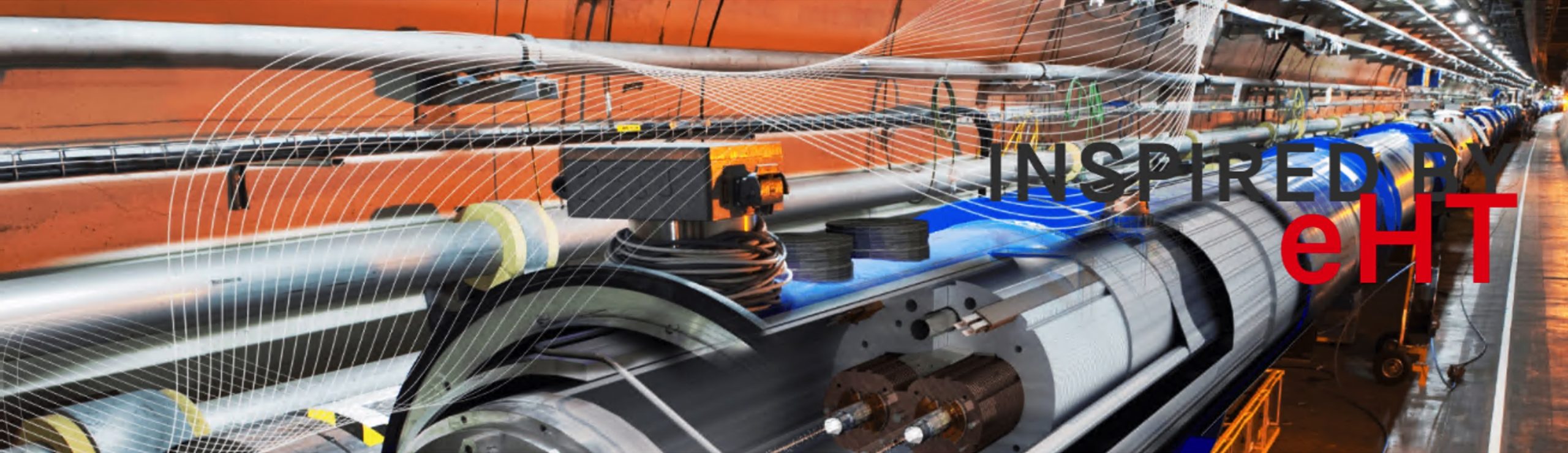
Modern electrical heat tracing technology plays a decisive role in many fields, e.g. for the generation of high purity vacuum. For this application handmade heating jackets and mats are produced by Eltherm which are custom-fit and correspond to the requirements of the customers.
This is essential for the generation of optimal vacuum conditions! One application of heating jackets and mats is to heat vacuum pumps, piping systems and vacuum chambers in order to guarantee optimal conditions for high purity vacuum within a particle accelerator ring. For this application products are produced which heat the vacuum systems up to 300°C to generate high purity vacuum.
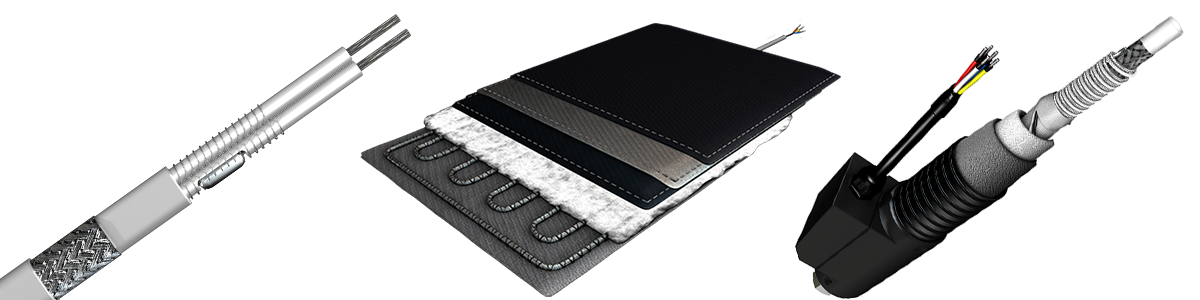
Eltherm heating jackets and mats
Benefits
Easy to remove and to exchange
Easy to install
Applicable in sophisticated applications
High life time
Tailor-made to the shape of vessels, pipes, valves or pumps (customized)
Operating temperature from 0° up to 900° C
Efficient heating system
Optimum heat distribution
For hazardous areas too
Including insulation
Use at CERN
At CERN (Conseil Européen pour la Recherche Nucléaire – European Organization for Nuclear Research) eltherm heating jackets and mats are used for the so-called Large Hadron Collider (LHC).
For this application eltherm delivered approx. 3500 heating jackets and mats to CERN.
CERN is an international organization whose purpose is to operate the world‘s largest particle physics laboratory, which is situated near Geneva in Switzerland. CERN‘s main function is to provide the particle accelerators and other infrastructure needed for high-energy physics research. The biggest particle accelerator in the world started running near Geneva in 2007. 9500 scientists and employees of the European Research Center CERN will let proton rays clash together in the particle accelerator ring which is 27 km long and costs 1.9 Mrd. Euro.
This experiment can only work if the elementary particles circulate in a vacuum.
For this reason, the eltherm GmbH delivers heating jackets and mats for the so-called Large Hadron Collider (LHC). The jackets and mats will work in a temperature range of 300° C and are used to heat pumps, piping systems and chambers in order to improve those vacuum conditions.
This little detail in the major particle physics laboratory in the world is very important for the experimental physicists. They indeed need the best and most precise tools.
The international scientists want to research the composition of the matter with the mentioned LHC.
The accelerator speeds up the protons to nearly speed of light and detectors make them visible. The LHC brings the proton rays to clash with the help of energy from 14 so-called TeV. TeV is an energy unit which is common within the particle physics. (A TeV is nearly the kinetic energy of a flying mosquito.)
What makes the LHC so exceptionally? It is the concentration of this energy to a tiny volume which is by one million times smaller that the one of the mosquito. But before the scientists can research the so-called super symmetric particles, the controversial “Higgs-Boson” as well as the “Quark-Gluon-Plasma”, the team from Eltherm has to do its work.
A part of employees of Eltherm sews the self produced heating cables with the corresponding insulations into a backing fabric of the mats and jackets. These mats and jackets are custom-made to the shape of the respective objects just like a tailor-made suit, which can be taken off again at any time – for example for maintenance work.
Thorne & Derrick specialise in providing specialist heating for industrial and hazardous areas including Eltherm’s heat tracing cables and heated hoses.
ELTHERM INDUSTRIAL & HAZARDOUS AREA HEATING
Eltherm heating products provide freeze protection, temperature maintenance and temperature control ranges of up to 1000°C and are used in many industries and applications from oil and gas to utilities and power generation. Eltherm products are manufactured to the highest hazardous area specifications including ATEX and IECEx for heating pipes, hoses, drums, vessels and IBC’s.
Eltherm self regulating heat trace cable provides frost protection and maintains product viscosity in pipes, tanks, drums and vessels
Electrical Heating Specialists
Thorne & Derrick International, based in the UK, can specify and supply from stock an extensive range of Electrical Heating Equipment for industrial and process heating applications – this includes temperature maintenance and frost protection (Winterisation) products for pipework, valves, IBC’s, drums, hoses, tanks and vessels. We produce custom silicone heaters for rapid and high temperature heat-up of complex shapes and surfaces – from concept, design to the delivery of standard or bespoke heaters on the shortest lead times. From the largest UK heat tracing cable stocks we deliver Electric Trace Heating Systems for pipework frost protection, ramp heating, roof/gutter snow melting and de-icing – enquire about our in-house design service.
EXPERTS IN WINTERISATION SOLUTIONS FOR INDUSTRIAL & HAZARDOUS AREA ENVIRONMENTS
Thorne & Derrick hold the largest UK stocks of frost protection & winterisation equipment to help keep your plant and personnel operational during the winter months.
Thorne & Derrick understand that prolonged periods of low ambient temperatures can bring operations to a standstill costing thousands of pounds in lost downtime.
Experts in heating solutions for use in industrial & explosive atmospheres, Thorne & Derrick have the knowledge & expertise to help clients prevent unnecessary down time this winter.
We can provide overnight delivery of Trace Heating Cables at the most competitive prices to guarantee frost protection of your pipelines and mechanical services.| Ask About Our Heat Trace Design Service.
💡 Contact us today and our skilled and friendly team can provide technical support as well as reliable, fit for purpose and compliant solutions to suit your exact requirements.
➡See our Winterisation blog TOP PICKS, including our most read articles about Trace Heating and the requirement for electrical heating products and systems to combat and mitigate Winter weather effects.
Natural gas is valuable both as a clean source of energy and as a chemical feedstock. From exploration to distribution and final end-of-use location, natural gas requires multiple processing steps. Cable specification begins with an assessment of the pipeline heat loss under the minimum ambient and required process conditions.
These steps are required to be able to transport the gas over long distances, recover valuable components contained in the gas streams, and provide the means for the safe removal of toxic and environmentally harmful components contained in the gas.
The offshore oil and gas industry offers many challenges for electrical heat tracing solutions to ensure secure workflow.
After production, the gas is processed on a platform or at a land-based plant. Once the required specifications have been met, the sales or rich gas is compressed and transported by pipeline for further processing on land or directly to customers.
Offshore oil and gas applications for electrical heat tracing solutions can be divided into three areas:
1. Winterisation
Anti-icing or de-icing of escape passages, walkways, staircases and handrails. Icing is one of the biggest problems when operating in cold climate regions. Sea-water spray icing and atmospheric icing on platform surfaces, walkways and staircases can lead to slip and fall accidents.
Freeze protection for doors and escape hatches. Frozen door seals could create a severe safety hazard in case of an alert.
Frost protection for lay- down areas, helidecks, louvers, life boat davits and GPS and communication antennas must be provided to reduce safety hazards and ensure safe operations. Icing on antennas can impact communications and positioning of the vessel.
Water pipe freeze protection is critical for production and process water pipes, fresh/potable and waste water piping, and piping used for fire protection.
2. Process
This second application is for the protection of process pipelines and equipment subjected to cold and artic weather. The process applications and the characteristics of the products are also reasons for heat tracing. Viscous products must be heated for transport. The formation of waxes (paraffins) may occur during the oil and gas production phases in some equipment (e.g. separators) on offshore production platforms.
Electrical heat tracing can prevent wax and hydrate formation on separators which might impair the operation of instruments and create blockages of process piping. Additional Oil and Gas process equipment that requires heat tracing includes test separators, first and second stage separators, lift gas systems, compressors, scrubber lift gas modules, fuel gas systems and others.
Besides the process equipment, these areas are also required to have freeze protection for operations and safety purposes, loading and unloading lines, gas vapor return lines, fire protection lines, strip and cleaning lines, fuel oil lines, storage tanks and vessels, deck and tank cleaning lines, engine room fuel and drip lines, cross-over lines, manifolds and safety showers.
Process temperature maintenance applications in particular require a properly functioning control system. While the heat tracing portion of the overall system can be considered the heart, it is the monitoring and control system that provides the brains of the operation.
Since the heating system must be capable of operating at all times, redundancy must be built-in to ensure that if any part of the system fails or shuts down, it’s back up is capable of picking up the slack until the primary mode of operation can be repaired and restored.
Data integration, communication and user interface preferences must also be considered when designing an integrated control system. The control system must be easily accessible, yet protected from unauthorized access. The operator should be able to access key parameters locally, while the system should be capable of transmitting key data via industry accepted data communication protocols.
3. Quarters Comfort
In these areas hot water temperature maintenance and frost protection of fresh water pipes plays an important role. Frozen water pipes will burst and damage the pipeline system. A reliable supply to the staff cannot be assured. The three levels of applying electrical heat tracing system depend on the ambient temperature, the product characteristics at the low temperature and the wind speed and directions. Typically nominal case region is around -15 °C. Cold region is around -30 °C and arctic region is around -45 °C. The DNV recommendation for winterization basic is:
Heating power capacity for anti-icing and de-icing shall not be less than:
300 W/m² for open deck areas, helicopter decks, gangways, stairways, etc.
200 W/m² for superstructures
50 W/m for railings with inside heating
These are the minimum heating output requirements. For individual cases, lower ambient temperatures and/or higher wind speeds will increase the heat loss due to convection of air, and the heating output shall increase accordingly. The factors below should be taking into account when designing the heating system: Snowfall in the area of operation, Ambient temperature, wind velocity in the area of operation and water source.
The Vessel’s superstructure surfaces and systems are to be heat traced or de-iced in accordance with the winterization plan considering: open deck area, gangways, stairways, superstructure areas subject to icing and railings. Eltherm electrical heat tracing solutions are used to prevent freezing for a number of applications such as: exposed piping, tank vent, instrumentation, recirculation shell valves, overboard discharge and drainage.
Eltherm conducts Finite Element Analysis (FEA) simulation based on the environmental conditions to confirm and verify each design All products and solutions must generally be certified to DNV-GL, ABS, BV, TUV, ATEX and IEC Ex standards and required to be suitable for Marine and Oil and Gas Offshore hazardous and harsh environmental applications.
The proper design and implementation of an electric heat tracing system for offshore oil and gas applications is critical to ensure a safe, reliable and efficient operation. There are many different types and configurations of heating cable designs available, and involving a heat tracing supplier specialised in manufacturing the appropriate products and selecting the best solution should be considered.
This important part of the project engineering should not be left to chance, because failures in the system could cause enormous costs and damages to the operator and owner of the offshore facilities. The harsh environment that all components of the heating system will be exposed to must also be considered, and material selection and workmanship of the heating cables is critical to ensure a long operational life-time.
The use of state-of-the-art design tools during the planning phase, including multi-dimensional modelling software that provides optimum layout and failure analysis, are vital to the successful implementation of a reliable and efficient system at a reasonable cost.
The Eltherm heating cable in combination with the individually planned and designed monitoring and control system represents an excellent solution for a reliable and efficient heating system.
ELTHERM INDUSTRIAL & HAZARDOUS AREA HEATING
Eltherm heating products provide freeze protection, temperature maintenance and temperature control ranges of up to 1000°C and are used in many industries and applications from oil and gas to utilities and power generation. Eltherm products are manufactured to the highest hazardous area specifications including ATEX and IECEx for heating pipes, hoses, drums, vessels and IBC’s.
Eltherm self regulating heat trace cable provides frost protection and maintains product viscosity in pipes, tanks, drums and vessels
Electrical Heating Specialists
Thorne & Derrick International, based in the UK, can specify and supply from stock an extensive range of Electrical Heating Equipment for industrial and process heating applications – this includes temperature maintenance and frost protection (Winterisation) products for pipework, valves, IBC’s, drums, hoses, tanks and vessels. We produce custom silicone heaters for rapid and high temperature heat-up of complex shapes and surfaces – from concept, design to the delivery of standard or bespoke heaters on the shortest lead times. From the largest UK heat tracing cable stocks we deliver Electric Trace Heating Systems for pipework frost protection, ramp heating, roof/gutter snow melting and de-icing – enquire about our in-house design service.
EXPERTS IN WINTERISATION SOLUTIONS FOR INDUSTRIAL & HAZARDOUS AREA ENVIRONMENTS
Thorne & Derrick hold the largest UK stocks of frost protection & winterisation equipment to help keep your plant and personnel operational during the winter months.
Thorne & Derrick understand that prolonged periods of low ambient temperatures can bring operations to a standstill costing thousands of pounds in lost downtime.
Experts in heating solutions for use in industrial & explosive atmospheres, Thorne & Derrick have the knowledge & expertise to help clients prevent unnecessary down time this winter.
We can provide overnight delivery of Trace Heating Cables at the most competitive prices to guarantee frost protection of your pipelines and mechanical services.| Ask About Our Heat Trace Design Service.
💡 Contact us today and our skilled and friendly team can provide technical support as well as reliable, fit for purpose and compliant solutions to suit your exact requirements.
➡See our Winterisation blog TOP PICKS, including our most read articles about Trace Heating and the requirement for electrical heating products and systems to combat and mitigate Winter weather effects.
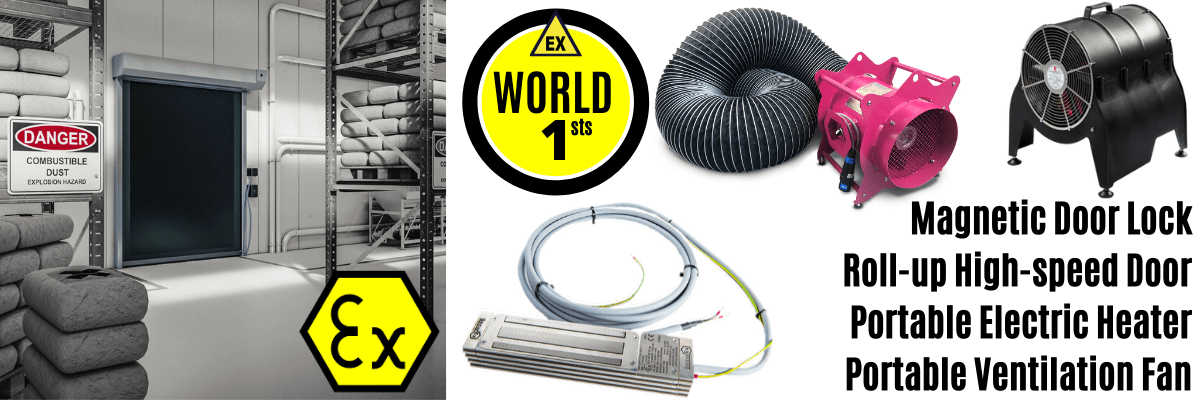
Press Release Date: 02.04.2020 uploaded by Chris Dodds (T&D Sales + Marketing Manager) World’s First Fully Certified ATEX Doors Thorne & Derrick International, the Experts in Equipment for Explosive Atmospheres, today announce the signing of a Commercial Distribution Agreement...
Press Release Date: 04.07.2019 uploaded by Chris Dodds (T&D Sales + Marketing Manager) Category: Stockist Distributor Agreement Announcement Thorne & Derrick International announce that they have signed a Preferred Distributor Agreement with Raytec, the world leading manufacturer of LED...
















 appropriate explosion protection solutions to industry with full back up services. With 42 years of experience providing Explosion Hazard Services to the process industry, ATEX Explosion Hazards Ltd have a wide range of expertise within their group of companies.

 Simple steps, for example, could help eliminate the hazard – like adding water to an alcohol or changing the process operation e.g. method of addition. Pure iso-Propyl Alcohol (IPA) will form flammable atmospheres in air under ambient conditions as it has a low ash point value, i.e. 12 °C. Reduction of the quantity of dangerous substances to a minimum.









 areas
areas